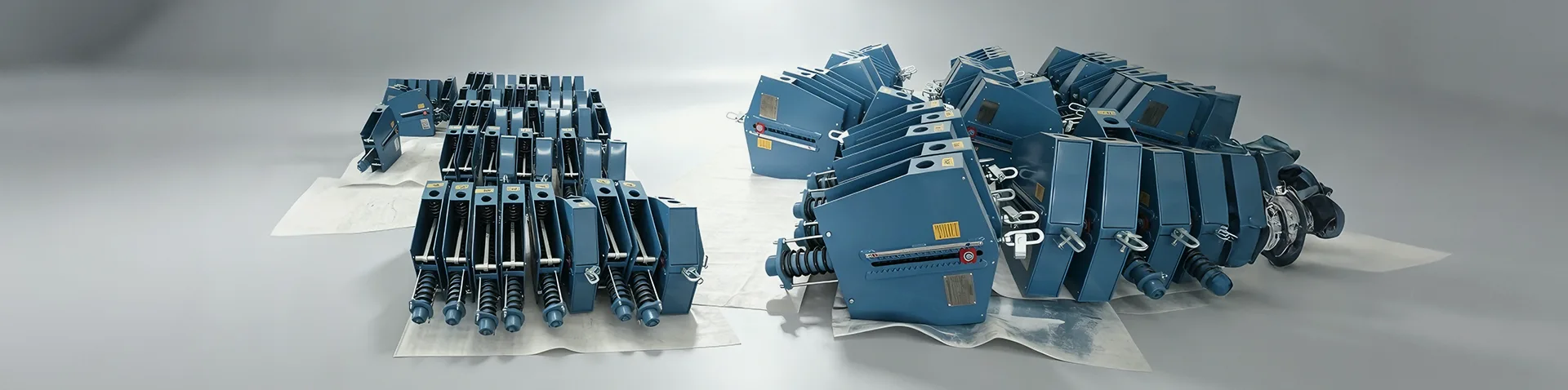
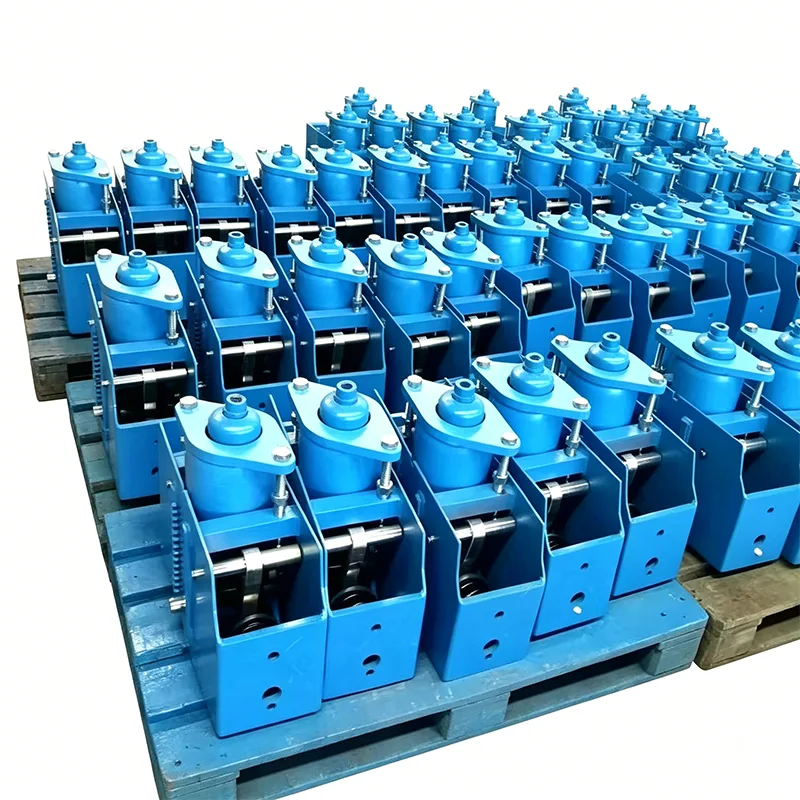
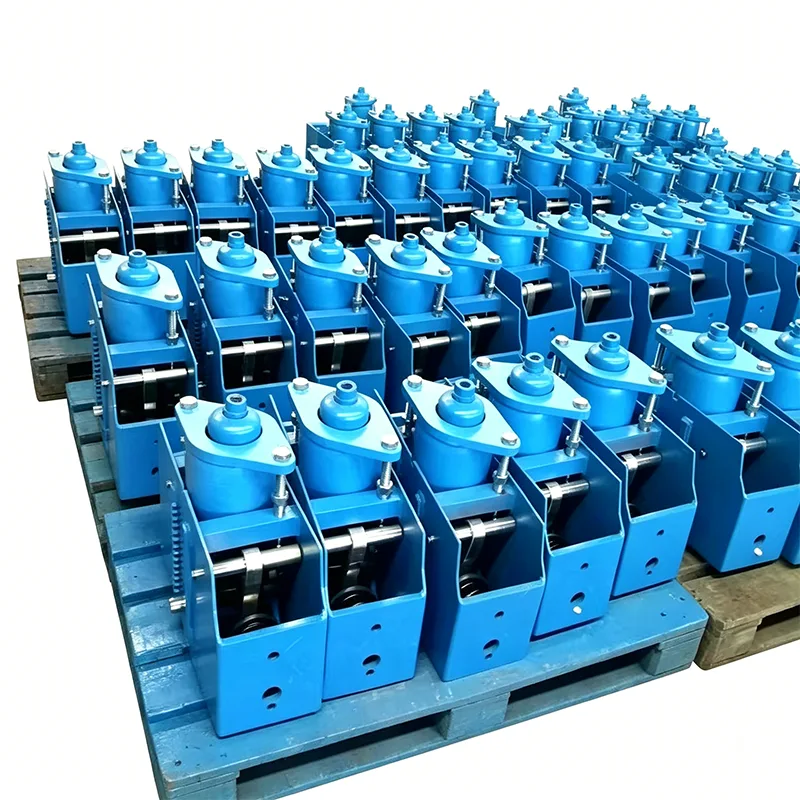
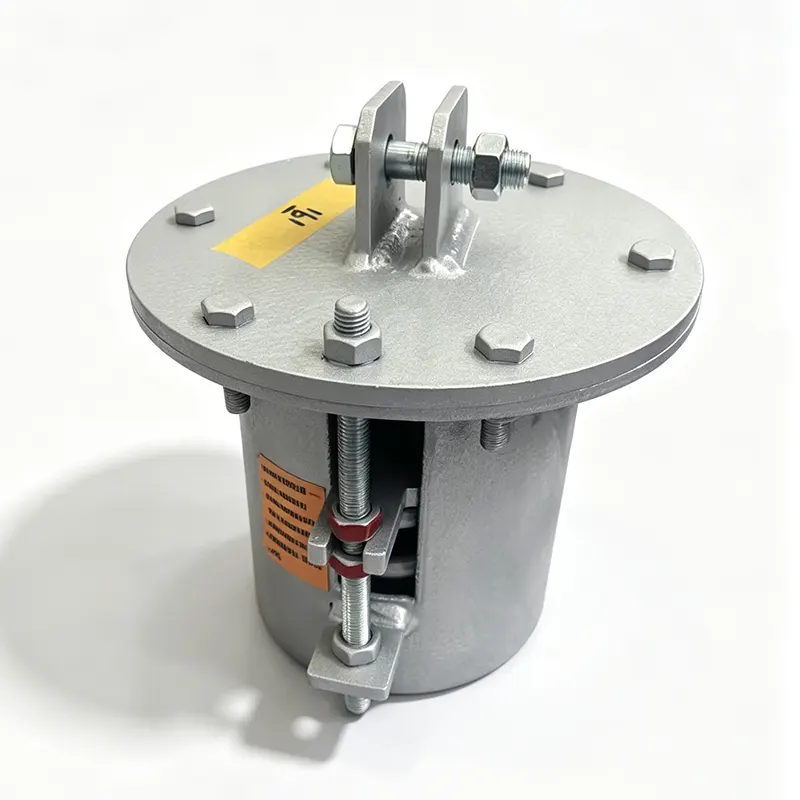
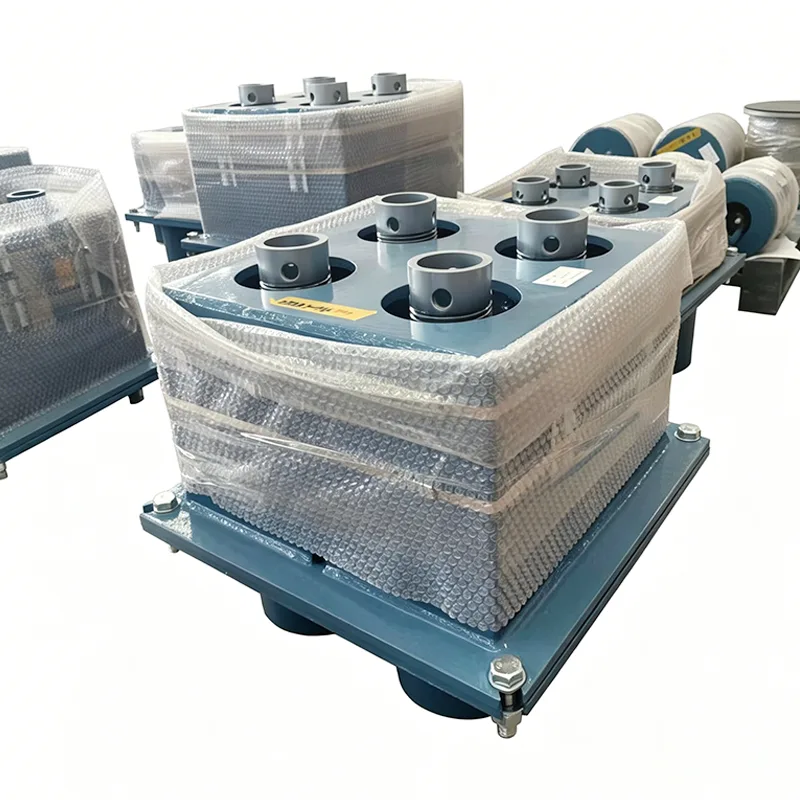
Chemical Plant Variable Spring Support
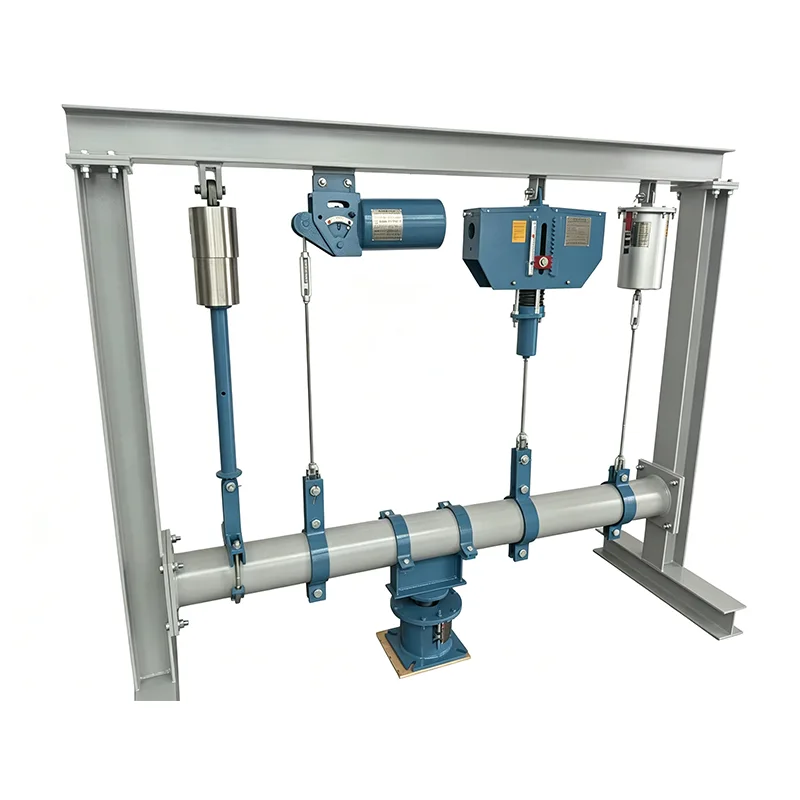
In chemical processing plants, piping systems must accommodate thermal expansion, pressure fluctuations, and occasional vibration without transferring excessive stress to connected equipment. A Chemical Plant Variable Spring Support performs this function by using a pre-loaded spring coil to absorb vertical movement while maintaining a controlled supporting force. This reduces nozzle loading on reactors, heat exchangers, and storage tanks, and it extends the service life of flanged and welded connections. The same support technology is adapted across adjacent infrastructure. For process and utility lines, the Industrial pipeline Variable Spring Support delivers consistent load compensation in congested piperacks. High-temperature steam and boiler feed piping often use the Power Plant Variable Spring Support because of its wider spring travel and elevated material ratings. Upstream facilities with remote manifolds and gathering lines specify the Oil and Gas Variable Spring Support for corrosion resistance and low maintenance. In high-severity downstream operations, the Refinery Variable Spring Support handles aggressive fluids and cyclic thermal loading. Each of these supports is fabricated to the same dimensional envelope and can be interchanged with standard pipe support hardware. All standard supports are manufactured under an ISO 9001 quality system and are available with full material traceability. The spring coil is shot-peened and pre-set to minimize relaxation over years of service.
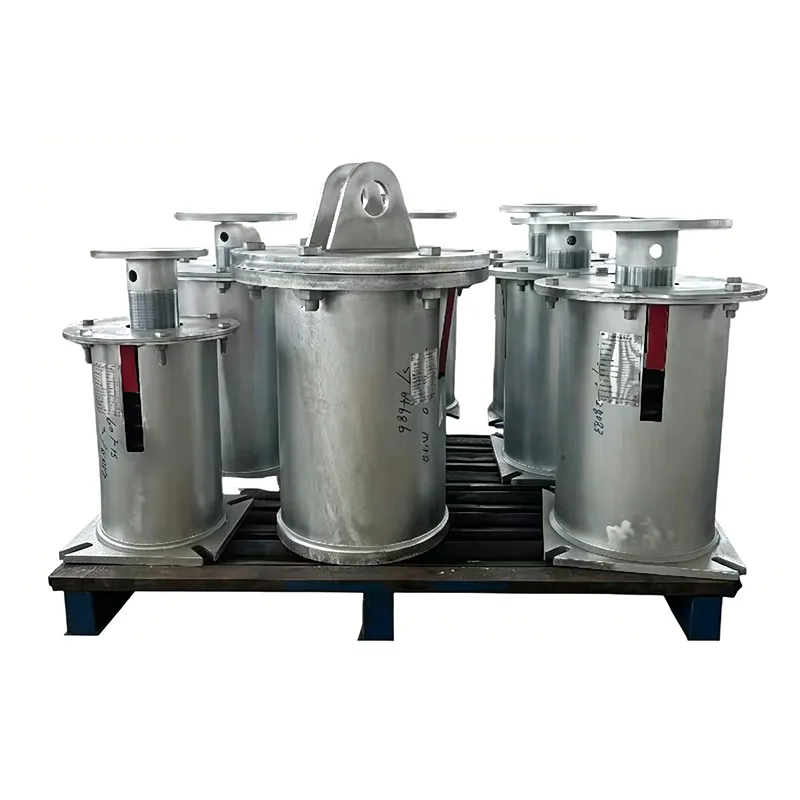
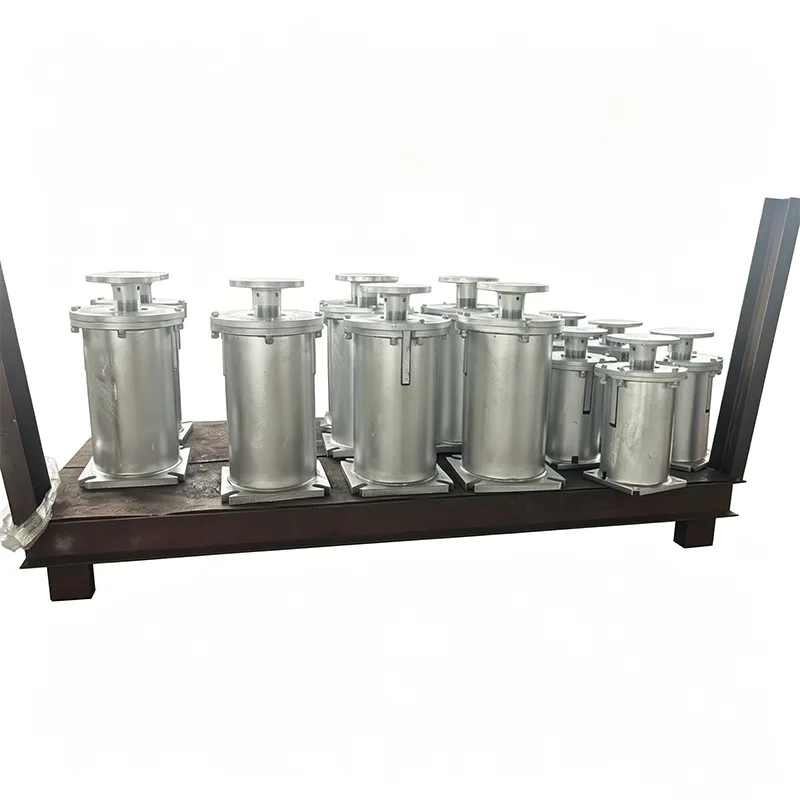
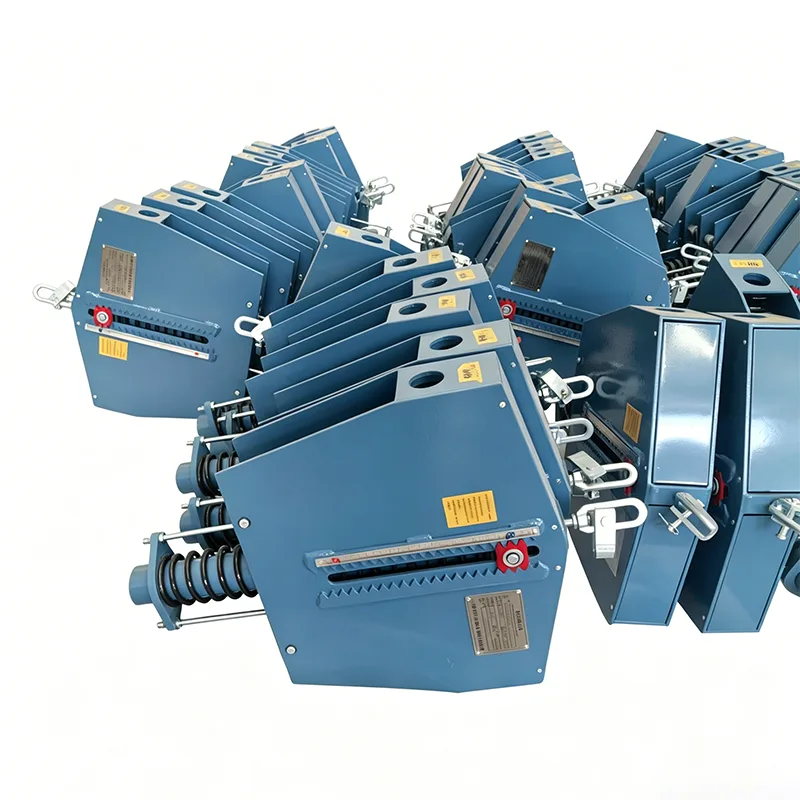
The Chemical Plant Variable Spring Support line combines a compact spring housing with a mechanical load adjustment system for accurate cold-load setting. During operation, the spring deflects in proportion to the vertical displacement of the pipe. When the pipe moves upward, the support releases stored energy; when the pipe moves downward, the support increases resistance. This variable reaction curve is selected by our engineers to keep the load variation within acceptable limits, typically ±10% of the calculated hot load. Sizing begins with the piping stress analysis, which determines the expected vertical displacement from cold to hot conditions and the required supporting load at each position. Our product series covers typical load ranges from 50 kN to 500 kN in six frame sizes, with special versions available up to 2,000 kN for heavy-wall reactor lines. The spring coil is manufactured from high-strength alloy steel and is pre-compressed to the calculated cold load before shipment. Travel stop bolts are set to prevent over-compression during hydrostatic testing or unexpected pipe movement. The housing has a clear load scale and position indicator for quick verification during walk-downs.
Key features of the Chemical Plant Variable Spring Support are listed below.
- Load capacity: 50 kN to 500 kN in standard sizes; custom designs up to 2,000 kN.
- Travel range: 10 mm to 150 mm for vertical movement; special stroke up to 200 mm on request.
- Spring material: 51CrV4 or 60Si2Mn alloy steel, shot-peened, pre-set, and epoxy coated.
- Housing material: carbon steel with primer, hot-dip galvanized, or stainless steel 304/316.
- Temperature range: -40°C to +350°C standard; high-temperature option up to 450°C.
- Design standards: MSS SP-58, MSS SP-69, and ASME B31.3 for process piping systems.
The following table provides the standard parameter ranges for the Chemical Plant Variable Spring Support.
| Parameter | Standard Range | Remarks |
|---|
| Load capacity | 50 kN - 500 kN | Custom loads up to 2,000 kN |
| Vertical travel | 10 mm - 150 mm | Stops prevent over-travel |
| Spring stiffness | 5 N/mm - 250 N/mm | Selected per load variation limit |
| Housing size | VS-1 to VS-6 | Based on pipe diameter and load |
| Surface protection | Primer, galvanized, or stainless | Epoxy topcoat optional |
| Operating temperature | -40°C to +350°C | High-temp option to 450°C |
For applications where piping operates above 350°C, we recommend the high-temperature option with stainless steel internals. For highly corrosive chemical environments, the entire assembly can be supplied in 316 stainless steel with PTFE-coated load bolts. All supports are factory tested at 1.25 times the rated load and shipped with full documentation including material certificates and spring calibration reports. Installation is straightforward: the support is bolted to a rigid structural member, the load adjustment screw is set to the specified cold load, and the travel indicator is aligned to the zero position. After the first thermal cycle, the indicator should be checked to confirm that the support is operating within the predicted range.