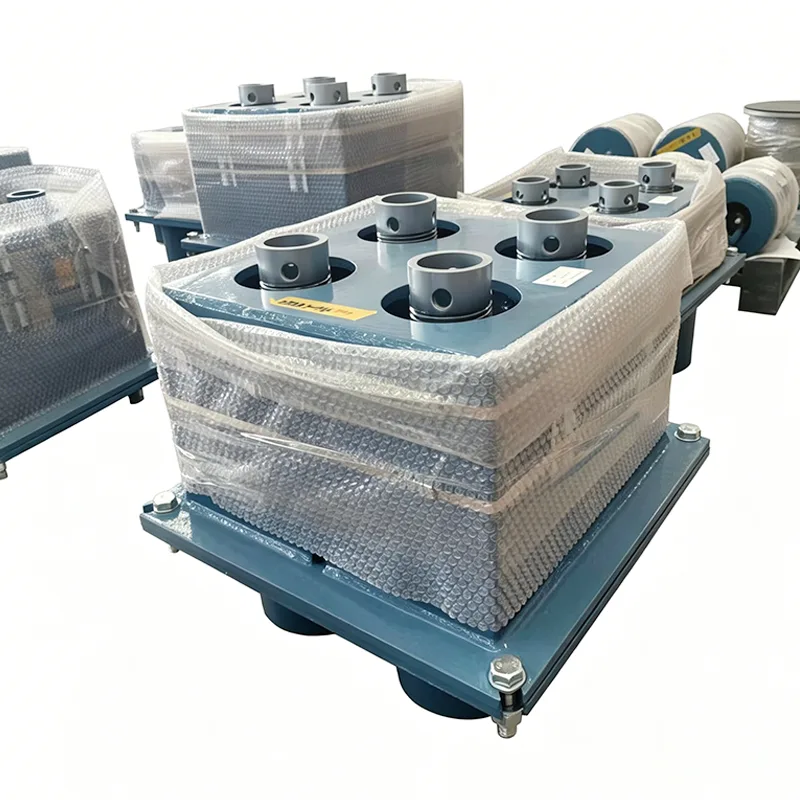
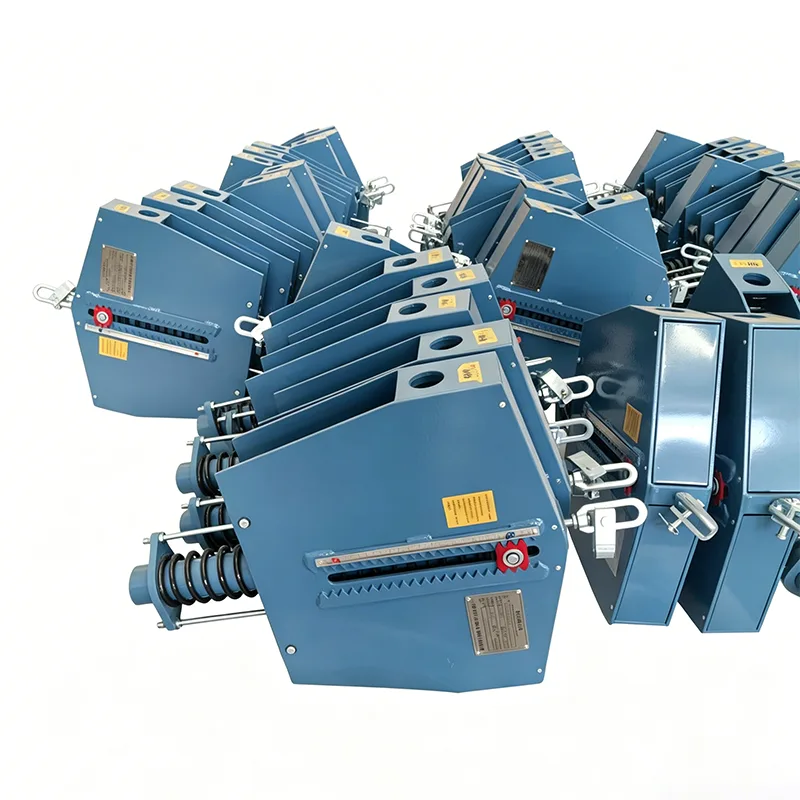
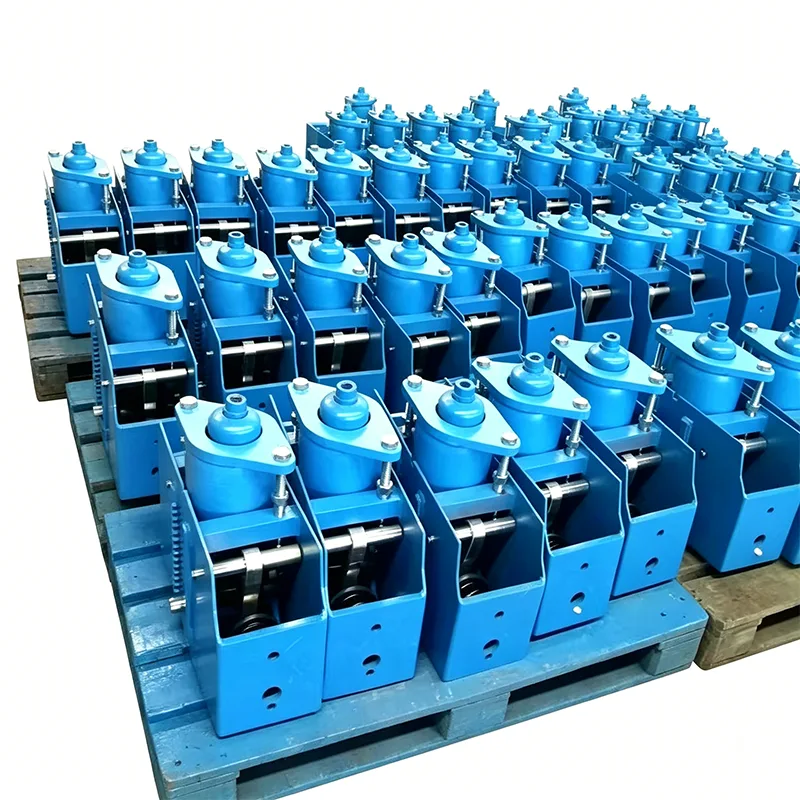
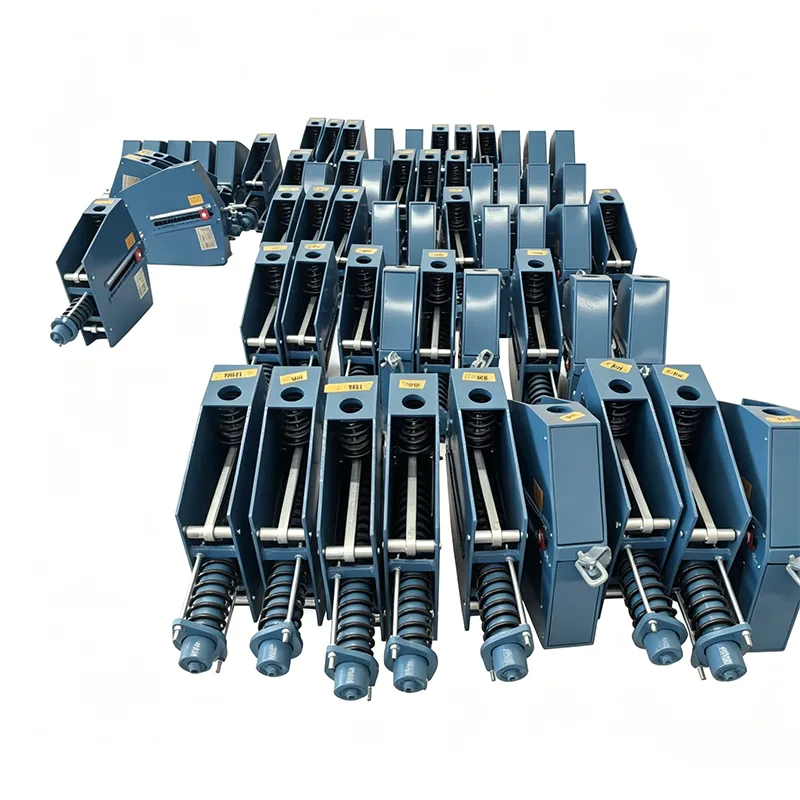
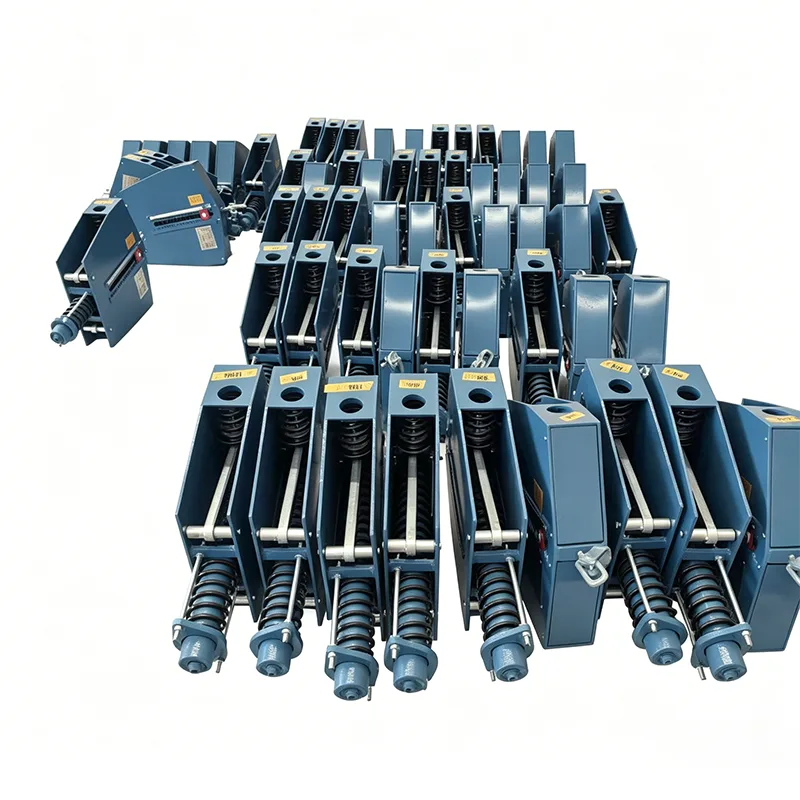
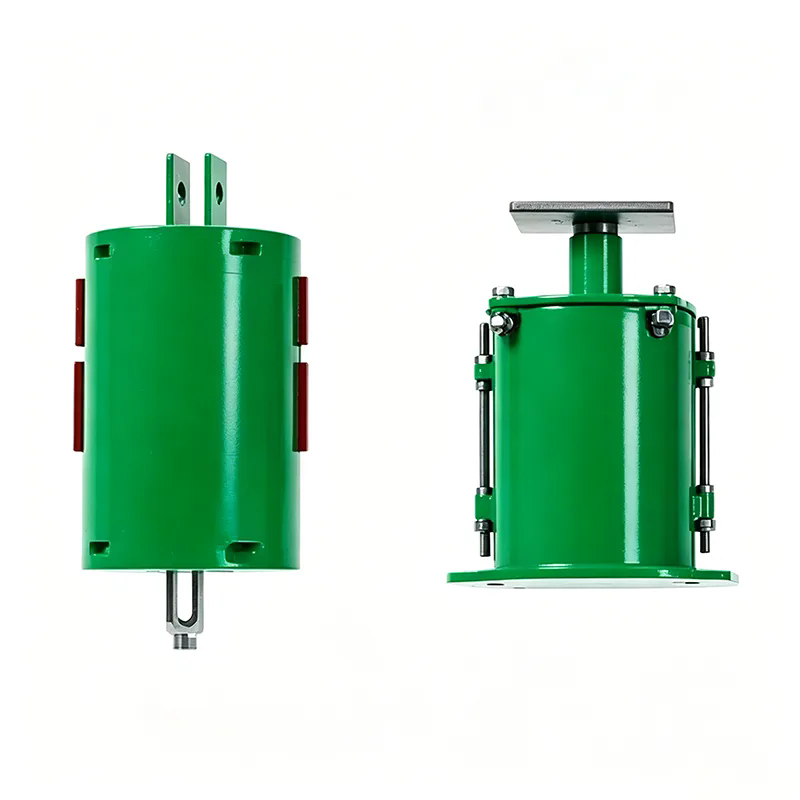
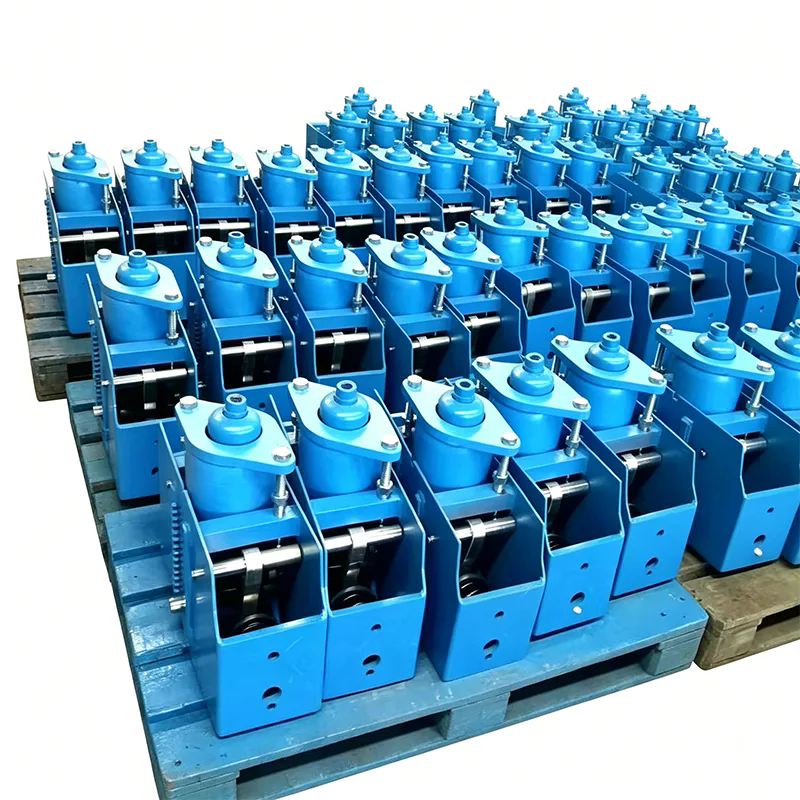
Some lines forgive a little. A cooling water header can handle a 20% change in support force without anyone noticing. But then there are lines that don't forgive anything — steam turbine inlet piping, reactor nozzles, compressor suction lines, high-energy boiler leads. On those, even a small change in vertical force can put a flange out of alignment or overload a nozzle. That's when you move from a variable spring support to a constant spring support. At Tianshun, we've been building constant spring supports for 14 years, and we've learned that every project has at least a handful of locations where these are non-negotiable.
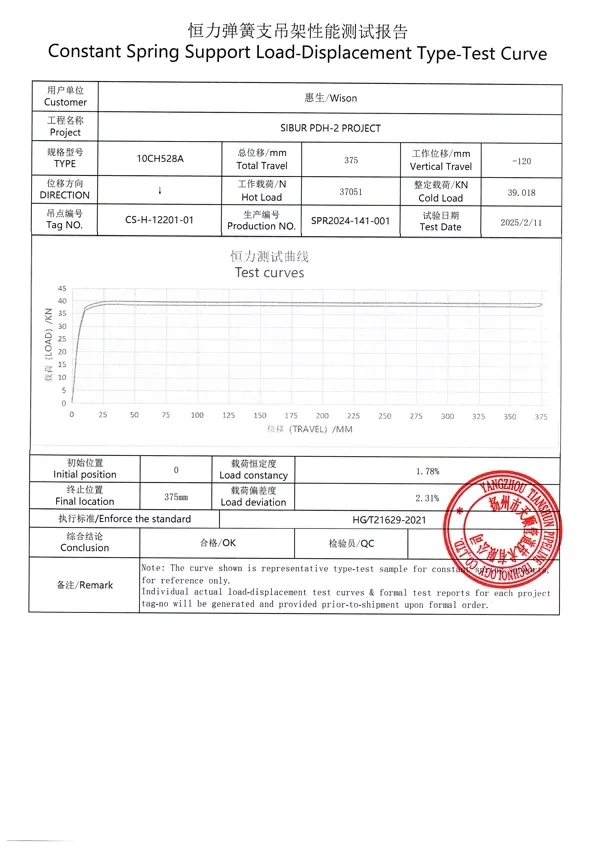
Load‑displacement curve obtained from the type test of a constant spring support/hanger. The horizontal axis stands for displacement while the vertical axis represents load. The curve stays approximately horizontal across the full working travel, demonstrating that the supporting force remains essentially constant when piping deflects due to thermal expansion and contraction.
This type test verifies load constancy, full‑travel stability and operational reliability of constant spring units. All production units are subject to load calibration prior to shipment, with load deviation controlled within ±6% in accordance with ANSI/MSS‑SP‑58‑2018 and NB/T47038‑2013.
These products are applicable to industrial piping systems with large thermal displacement, including main‑steam pipelines and other high‑temperature & high‑pressure piping.
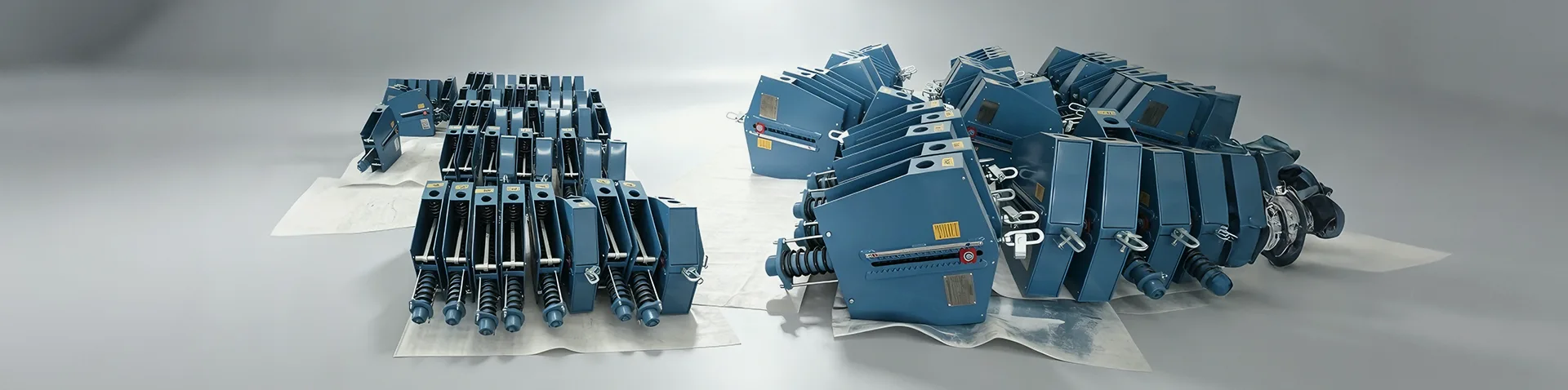
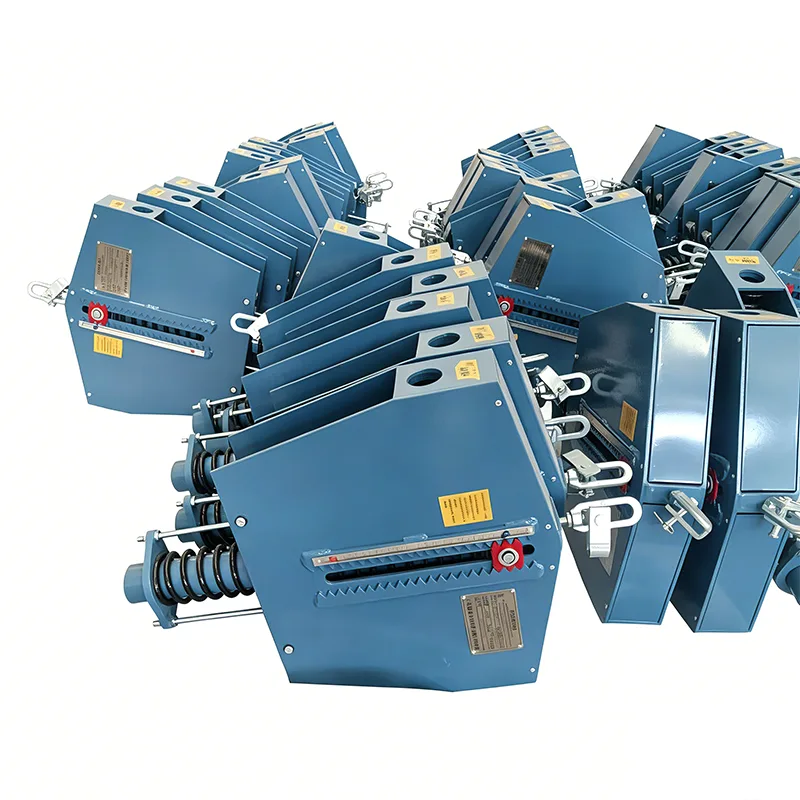
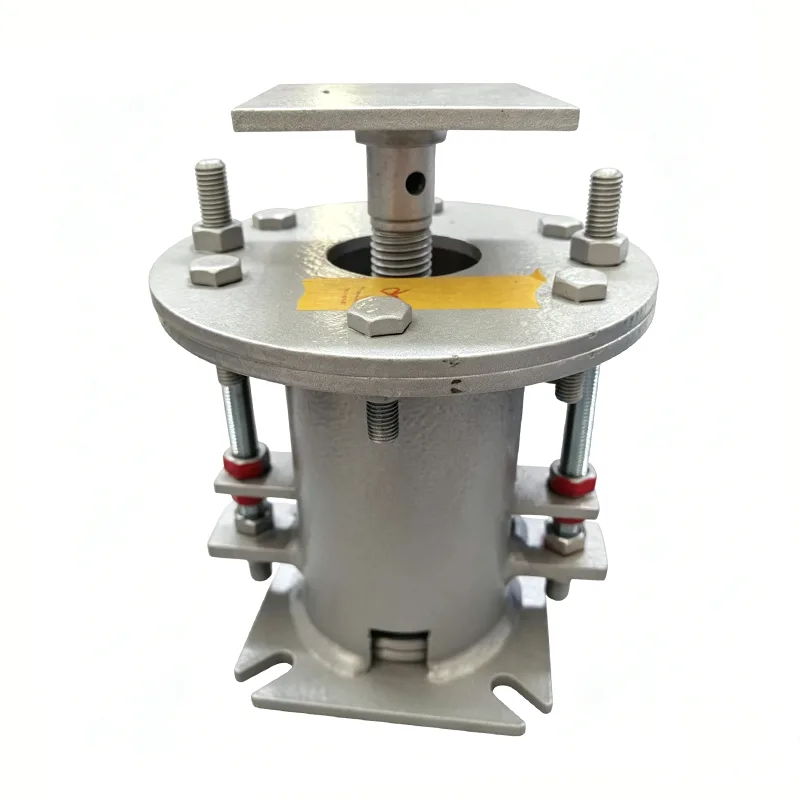
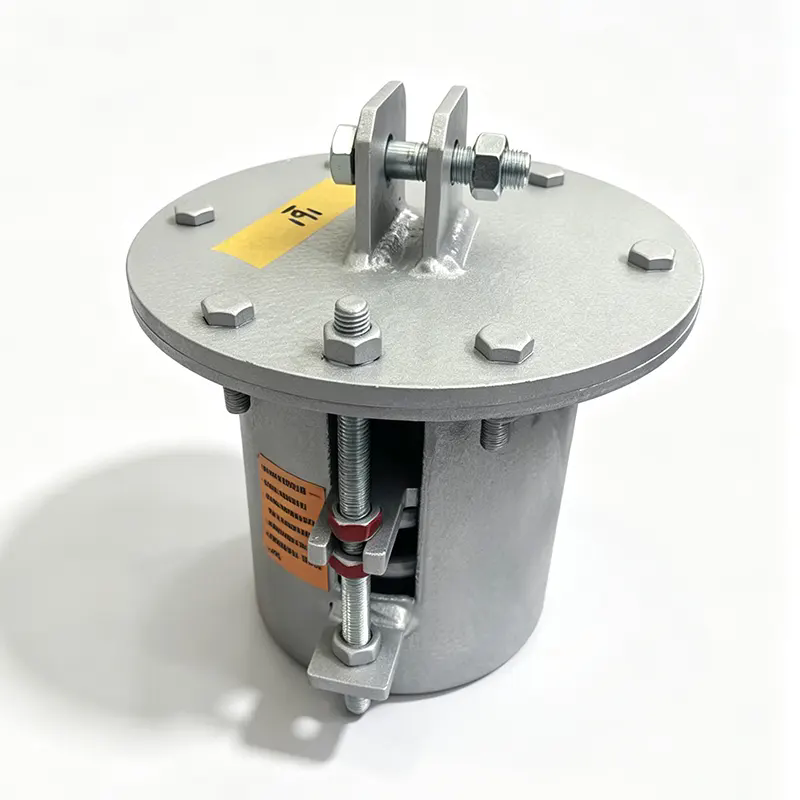
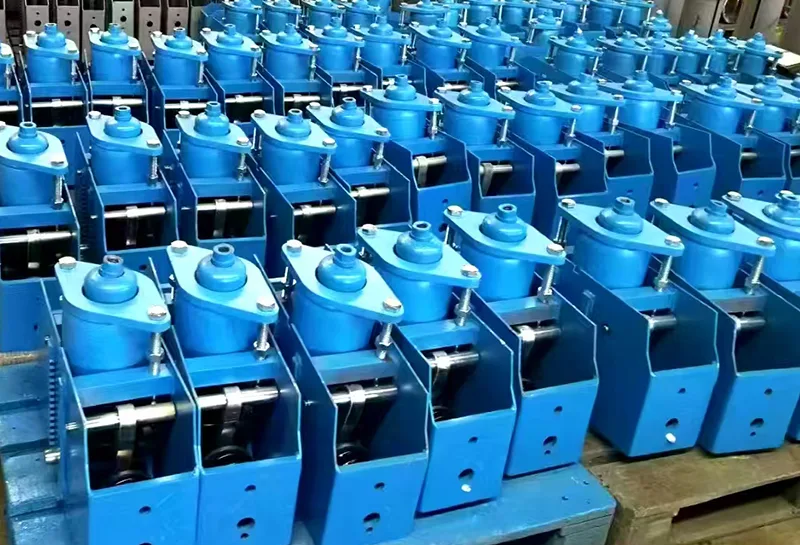
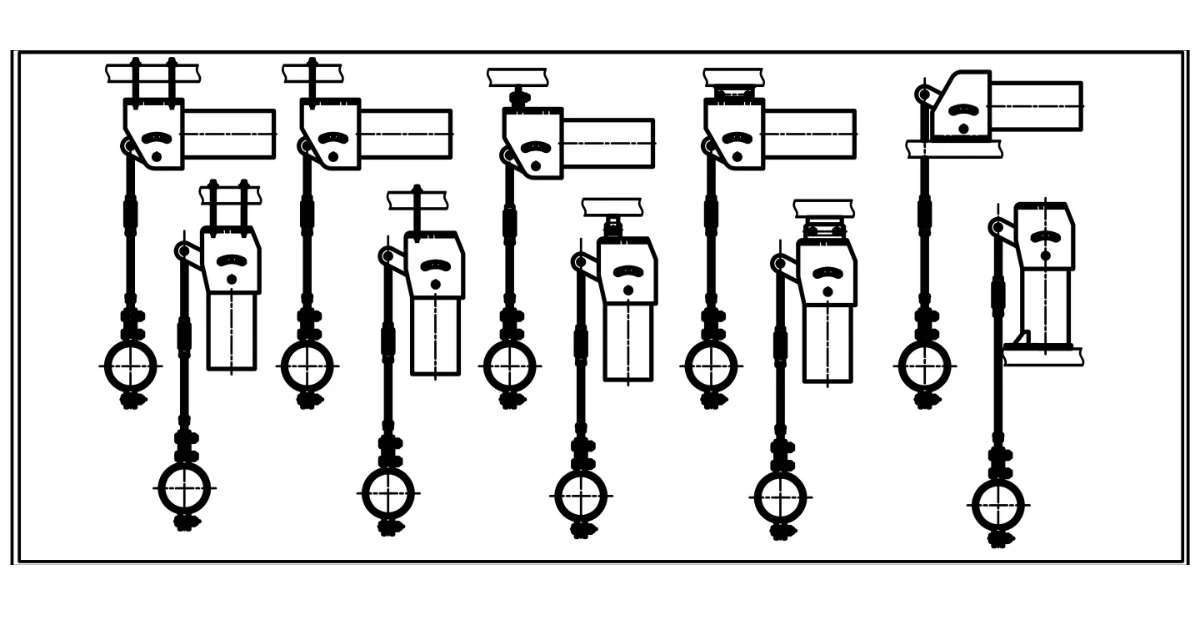
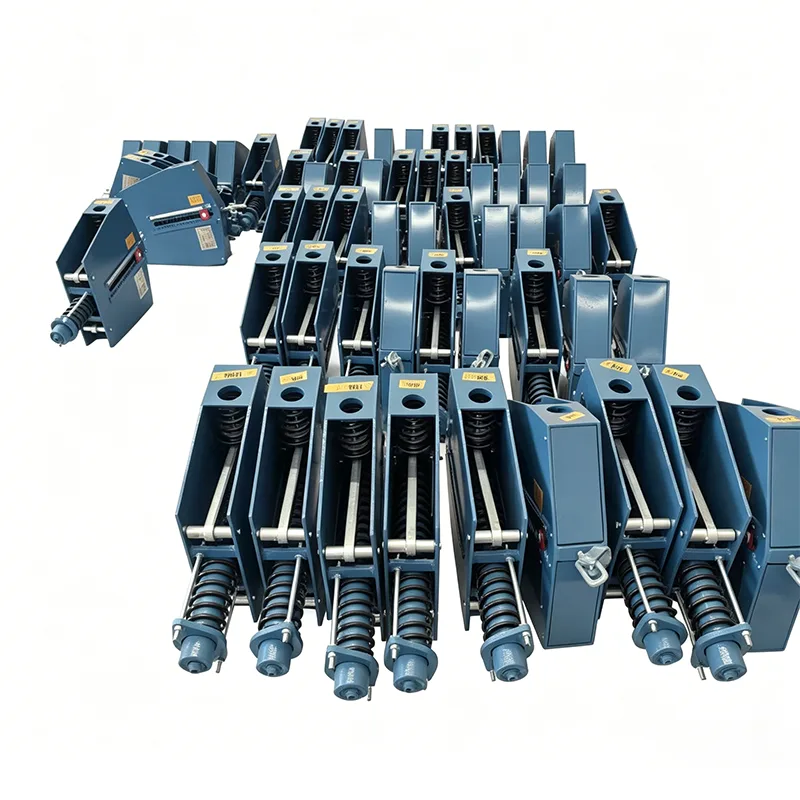
The mechanism inside a constant spring support is designed to deliver a nearly flat supporting force across its full travel range. As the pipe moves up or down — sometimes 200mm, sometimes more — the load on the support point stays within a tight band, typically ±5% or better. This is achieved through a lever and spring coil arrangement, often with a bell crank or a cam mechanism, depending on the design series. We manufacture both horizontal and vertical frame types, and we can match the mounting and dimensional envelope to fit your existing pipe support drawings.
Where Constant Spring Supports Fit in a Support System
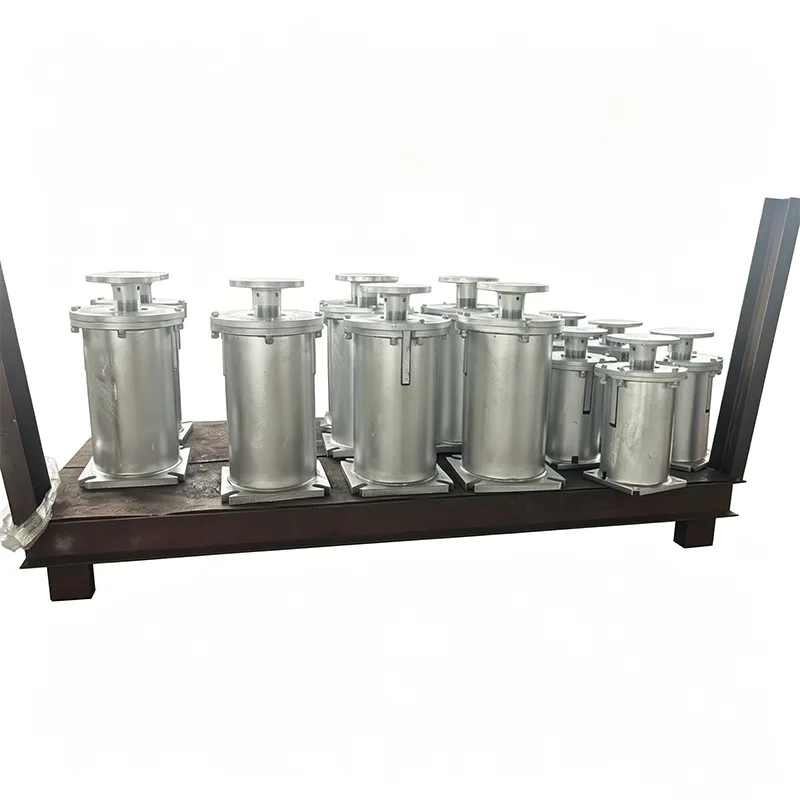
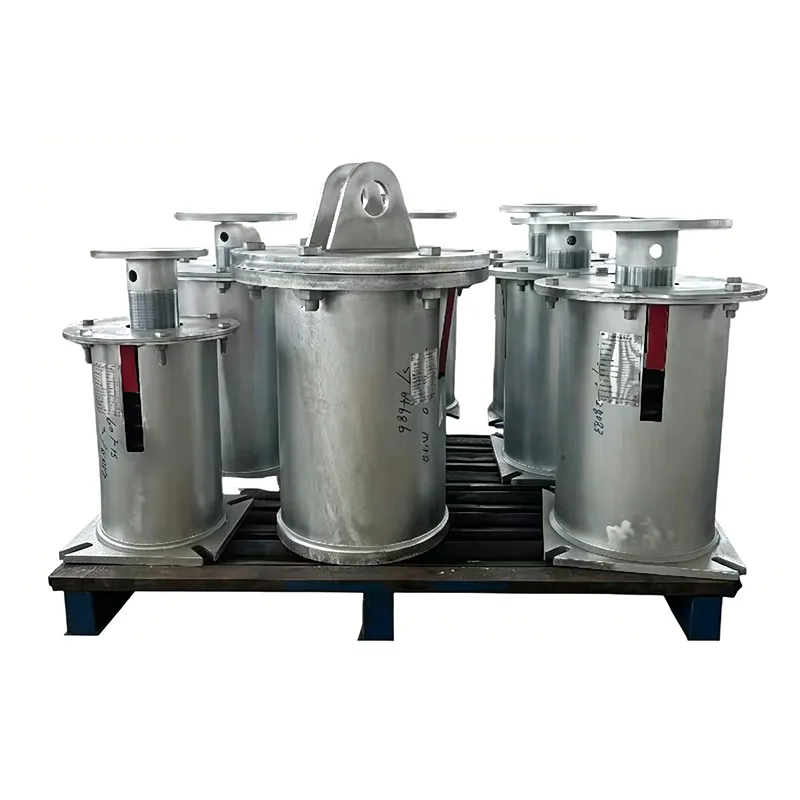
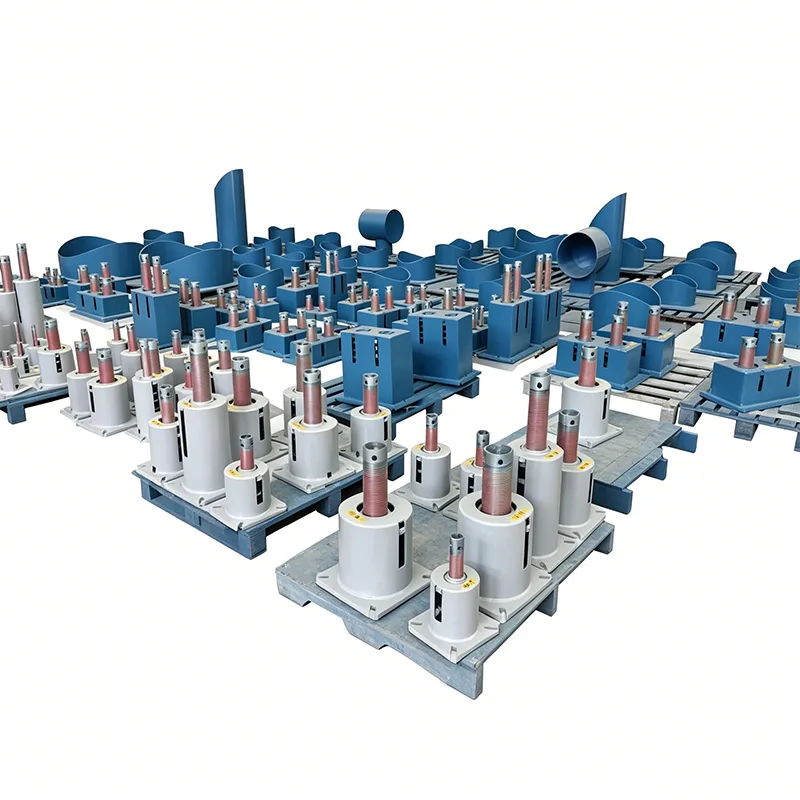
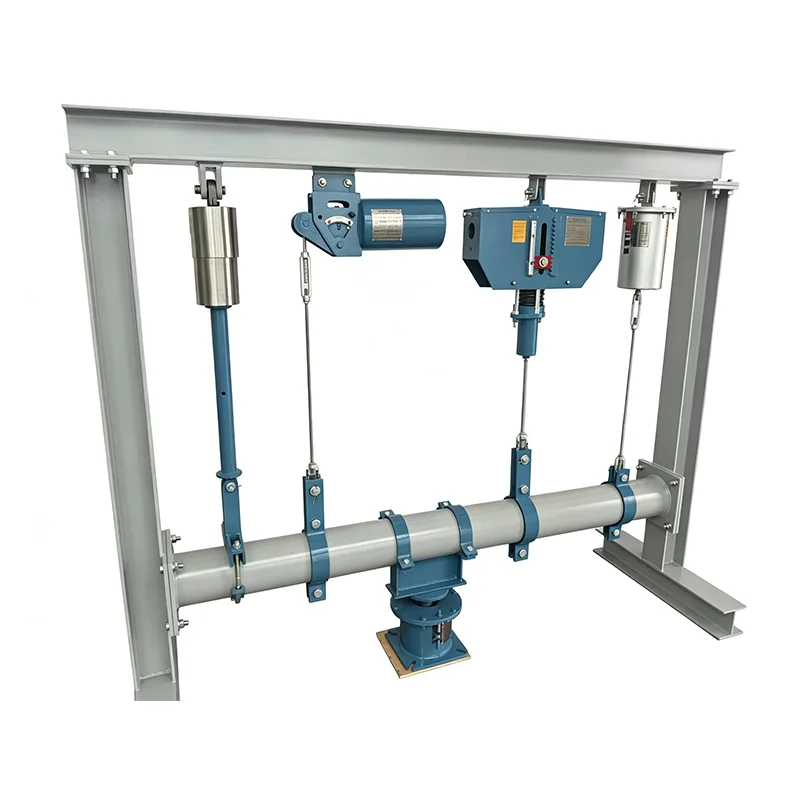
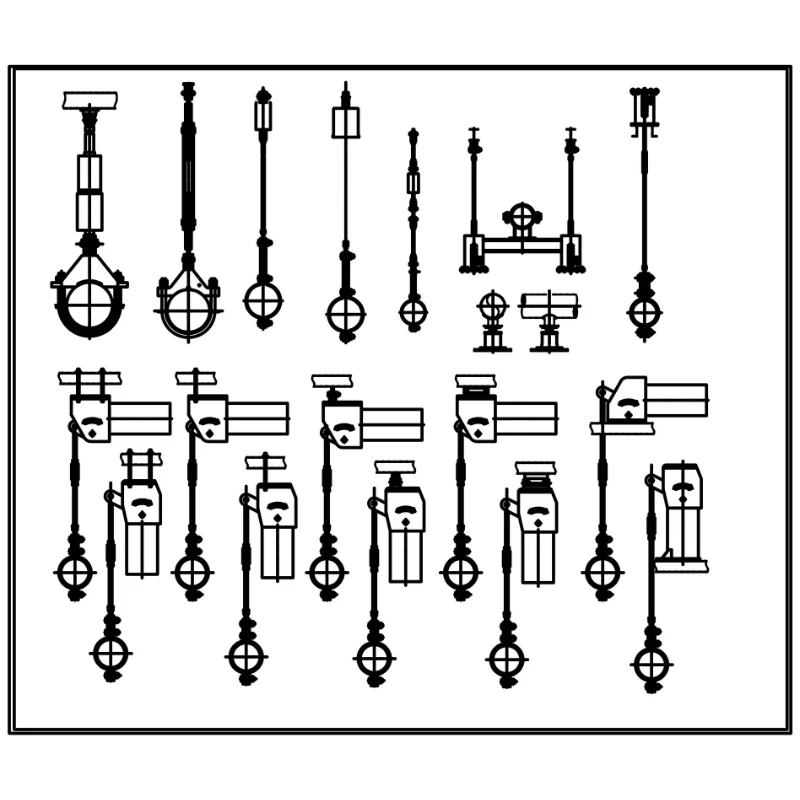
A constant spring support never works alone. On a high-temperature steam line, for example, you'll typically see the constant spring assembly working together with pipe shoes that spread the load and pipe supports that handle the lateral restraint. On overhead lines, the same constant spring mechanism is often built into a spring hanger configuration — the spring sits in a top-mounted housing, and a drop rod connects to the pipe below. When the line requires thermal insulation to the support point, we'll often pair the constant spring with a pre-insulated pipe support to keep the insulation continuous and prevent heat loss or condensation at the clamp. Even though the spring itself is the high-spec component, the whole system only works if the adjacent supports are designed right.
Product Technical Specifications
|
Constant Spring Hanger Spec Table
|
Example
|
|
Model / Series
|
PH, LH, CA, CS, TH
|
|
Load Capacity (Operating)
|
0.1 kN - 500 kN
|
|
Total Travel
|
50mm, 100mm, 200mm, 400mm
|
|
Actual Travel
|
Up to 600mm
|
|
Load Deviation (Tolerance)
|
±5% (Standard) / ±3% (High Prec.)
|
|
Installation Position
|
Horizontal / Vertical
|
|
Housing Finish
|
Hot Dip Galvanized / Epoxy
|
|
Operating Temp.
|
-20°C to +80°C (Ambient)
|
|
Spring Coil Material
|
60Si2Mn / 50CrVA
|
|
Load Adjustment Range
|
±10% (Field Adjusting)
|
Standards We Follow
ANSI/MSS SP-58 and SP-69 for design and manufacturing
ASME B31.3 for process piping applications
GB/T 17116
Also manufactured to DIN, JIS, or client-specific datasheets
Our factory quality system is ISO 9001:2015 certified. Third-party inspection to ASME, API, or PED requirements is available.
Questions Clients Ask
Q1: How do I know if I really need a constant spring support, or if a variable one will do?
Check your pipe stress report. If the allowable load variation at that support point is under 6-8% of the hot load, you're in constant spring territory. If the nozzle load limit on the connected equipment is very tight, same thing. When in doubt, forward us the stress isometric and we'll help you decide — no charge.
Q2: Can you match the dimensions of an existing constant spring support we're replacing?
Yes, we regularly reverse-engineer and build replacements for aging units. Send us the old nameplate data, overall dimensions, and the load and travel requirements. We'll fabricate a new unit that fits the same bolt pattern and connection elevations.
Q3: What's the largest constant spring support you've built?
We've supplied units with a load capacity over 40 metric tons and a travel range of 350mm. These were for heavy-wall main steam piping in a power plant. We can go larger if needed, but at a certain point it makes sense to discuss whether multiple smaller units or a different support arrangement would be more practical.
Q4: How do you test a constant spring support before shipping?
We mount the unit on a test frame, set it to the specified load, and cycle it through the full travel multiple times while recording the load at multiple positions. The load variation must fall within the guaranteed tolerance band, typically ±5%. We plot the actual load-deflection curve and include it in the test report. The travel scale is calibrated and the locking pins are installed for transport.
Q5: Can you build them in stainless steel for offshore or corrosive environments?
Yes. We've built complete constant spring supports in 304 and 316 stainless steel for offshore platforms and coastal LNG terminals. We also offer special paint systems — offshore marine coatings, high-temperature zinc-rich primers — depending on the installation environment.
Q6: What's the lead time for a constant spring support order?
Custom constant spring assemblies typically ship in 35–45 days from order confirmation. If you have multiple units with identical design parameters, we can batch-produce and shorten the schedule. Emergency replacements for a single failed unit can sometimes be expedited to 20–25 days — talk to us about your timeline.
Testing and Documentation
Constant spring supports leave our factory with a documentation package that includes:
Load test report with actual load-deflection curve
Dimensional inspection report
Material certificates (EN 10204 3.1)
Weld procedure qualification records (if applicable)
Installation and maintenance instructions
Photos of the finished unit with serial number visible
We can also arrange for independent third-party inspection during testing. SGS, BV, and TÜV have all witnessed tests in our Yangzhou facility.
Customization We Handle
No two constant spring applications are exactly alike. Over the years, we've customized:
Frame orientation (floor-mounted, wall-mounted, ceiling-hung, inverted)
Non-standard travel lengths and load steps
Dual-spring designs for very heavy loads in a compact frame
Built-in hydraulic damping for seismic or high-vibration locations
Position indication with remote readout capability
High-temperature springs for steam lines operating above 450°C
You provide the piping loads and the spatial constraints, and we'll engineer a constant spring support that bolts right in.
Real-World Notes From Our Engineering Team
A few practical points we've learned from projects worldwide:
When you spec a constant spring support, also check the supporting steel. A constant spring unit itself may be heavy — sometimes over a ton — and the structural beam it sits on needs to handle that plus the pipe load.
Always specify locking pins for shipping. Without them, the spring can move during transport and the scale can shift. Our pins are painted bright red so the site crew can't miss them during installation.
If the unit will be installed outdoors in a dusty or sandy environment, consider sealed pivot bushings or grease fittings. Dirt in the lever mechanism is one of the few things that can cause a constant spring to hang up.
On replacement jobs, verify the existing travel direction and available space before we fabricate. We've seen cases where the original unit was crammed into a tight corner, and the new one needed a slightly different frame to fit.
Why Tianshun for Constant Spring Supports?
Constant spring supports are the high-precision end of the pipe support world. You can't afford to have one underperform, because the connected equipment is usually the most expensive thing on the plot. We build these units with the understanding that someone is going to commission them at 3 a.m. during a plant startup, and they need to work first time.
Our constant spring supports are running today in combined-cycle power blocks, refinery crude units, ethylene cracker quench lines, and LNG cold box piping. Each one was manufactured in our own Yangzhou factory, load-tested by our team, and shipped with full documentation. We're not repackaging someone else's product — we make them ourselves.
If your project includes constant spring supports, spring hangers, or pre-insulated pipe shoes, send us your support list or load data. We'll work up a factory-direct quotation, complete with a selection datasheet and delivery schedule. You're also welcome to visit our production line and see how we build and test these units before they leave the shop.