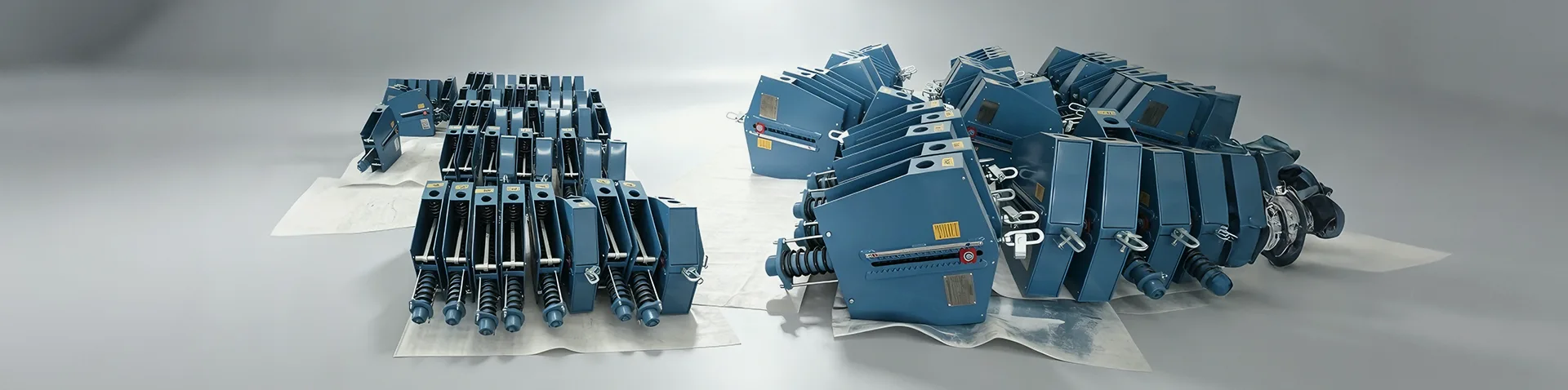
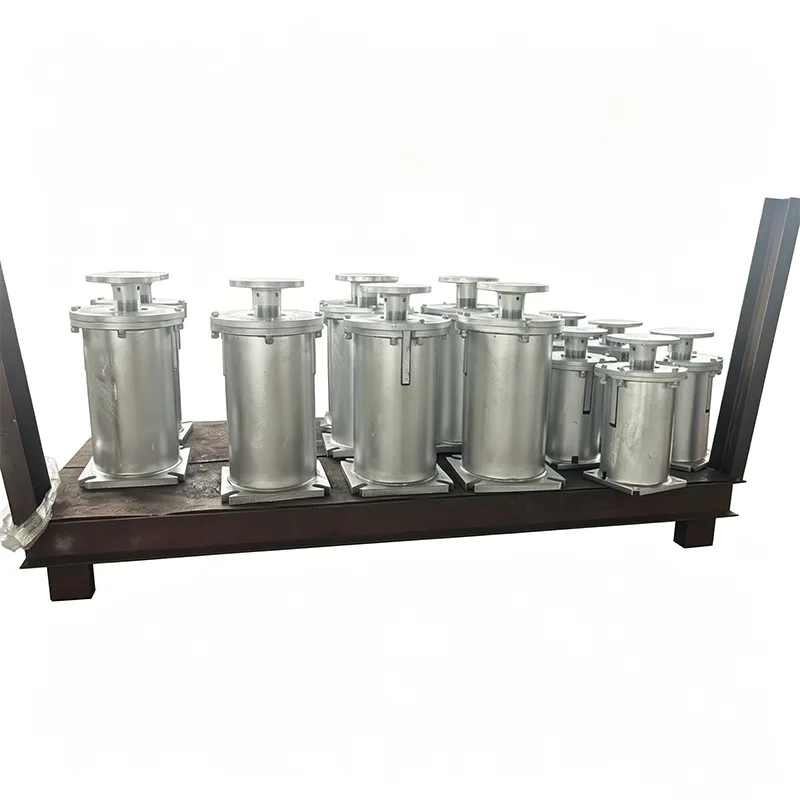
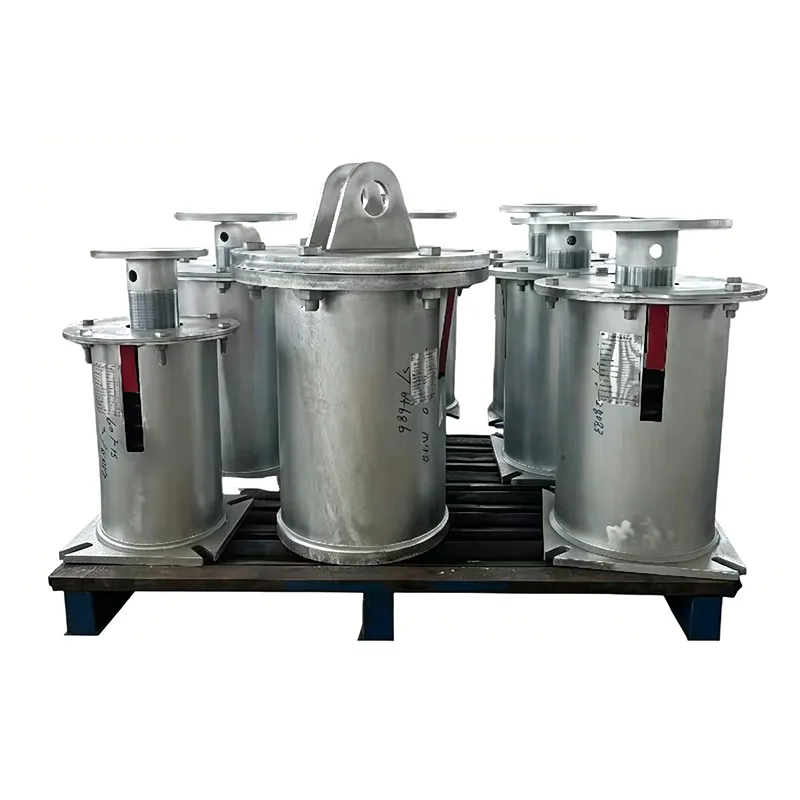
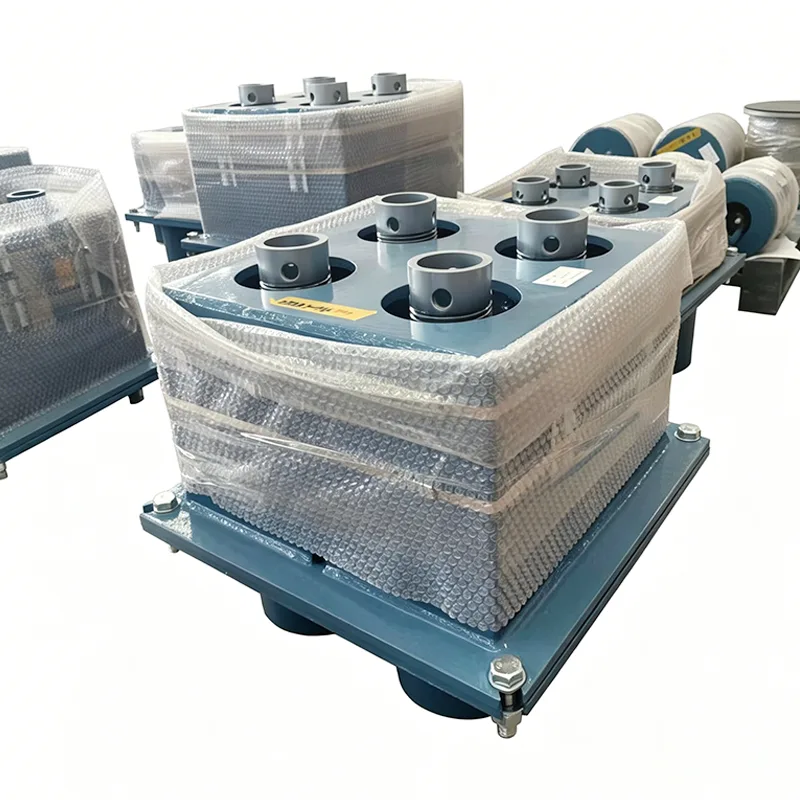
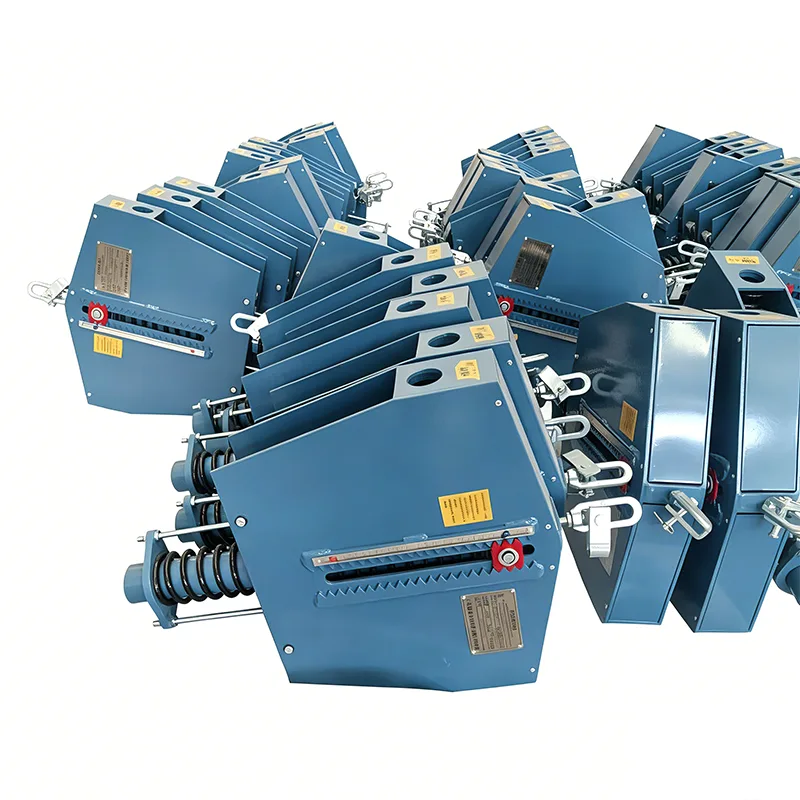
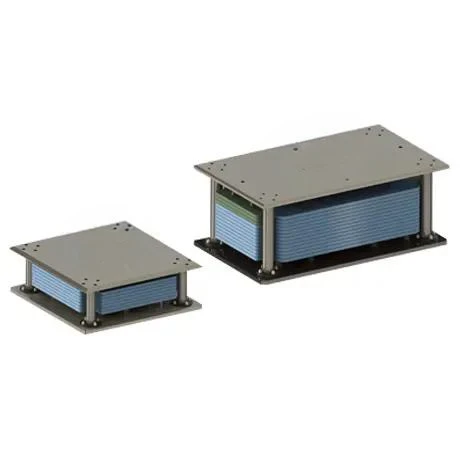
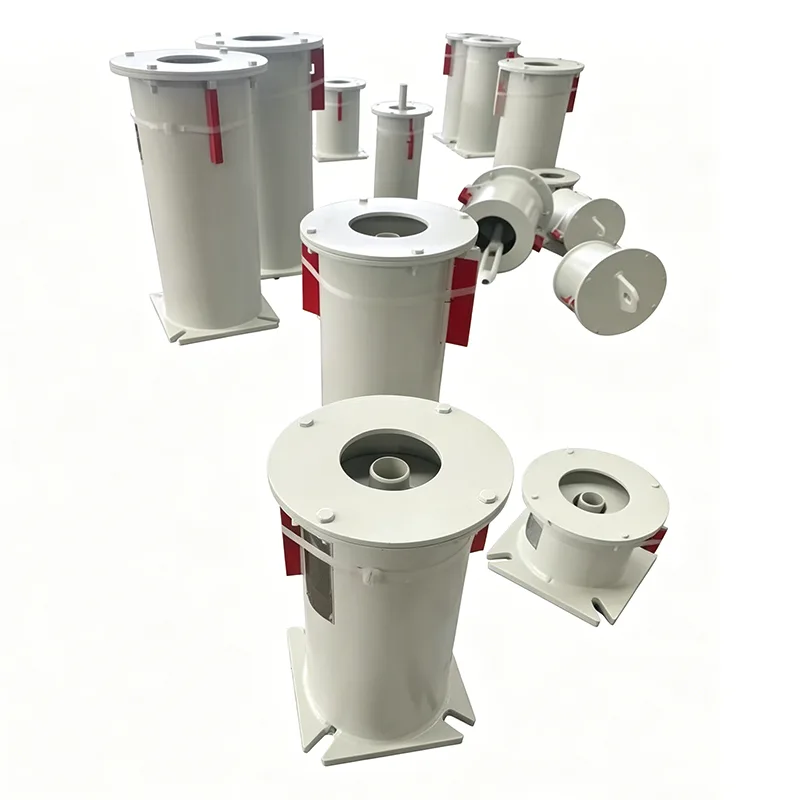
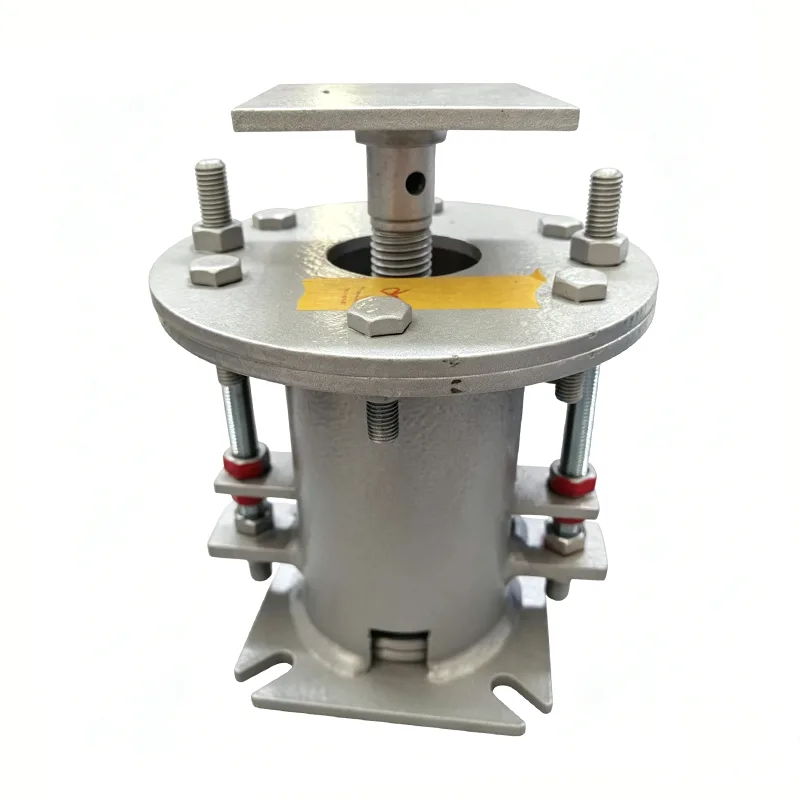
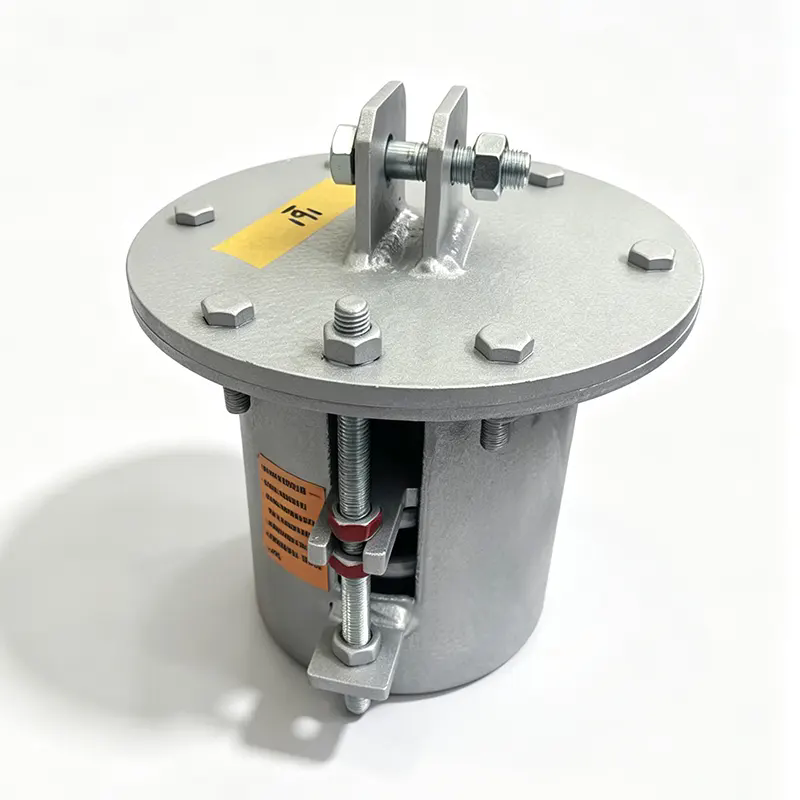
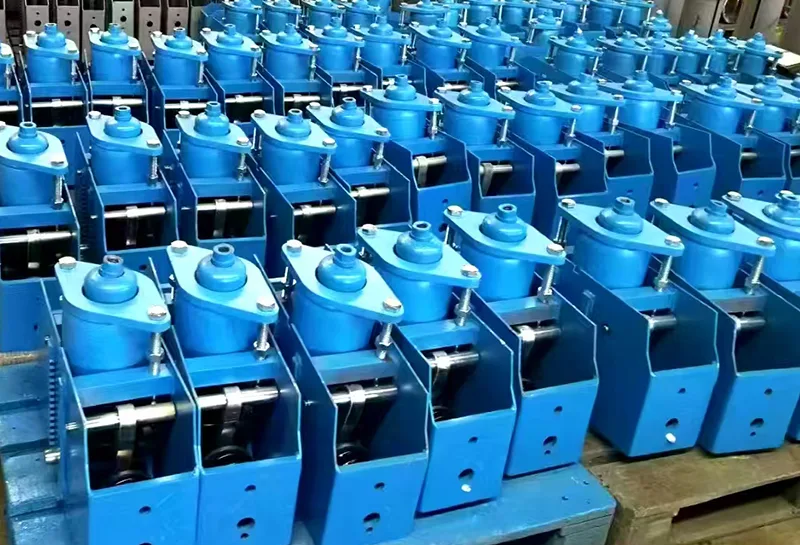
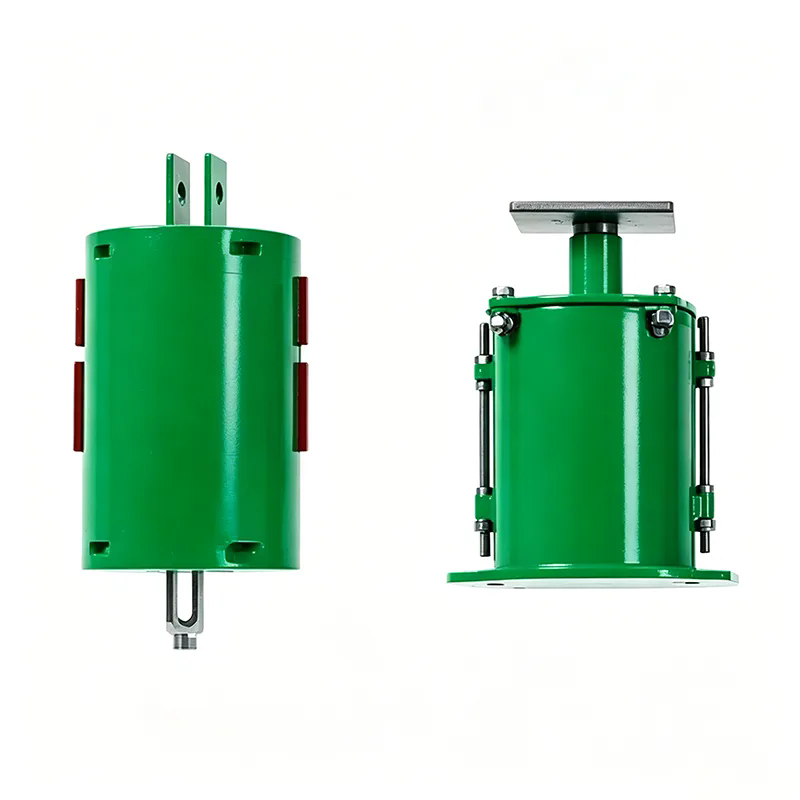
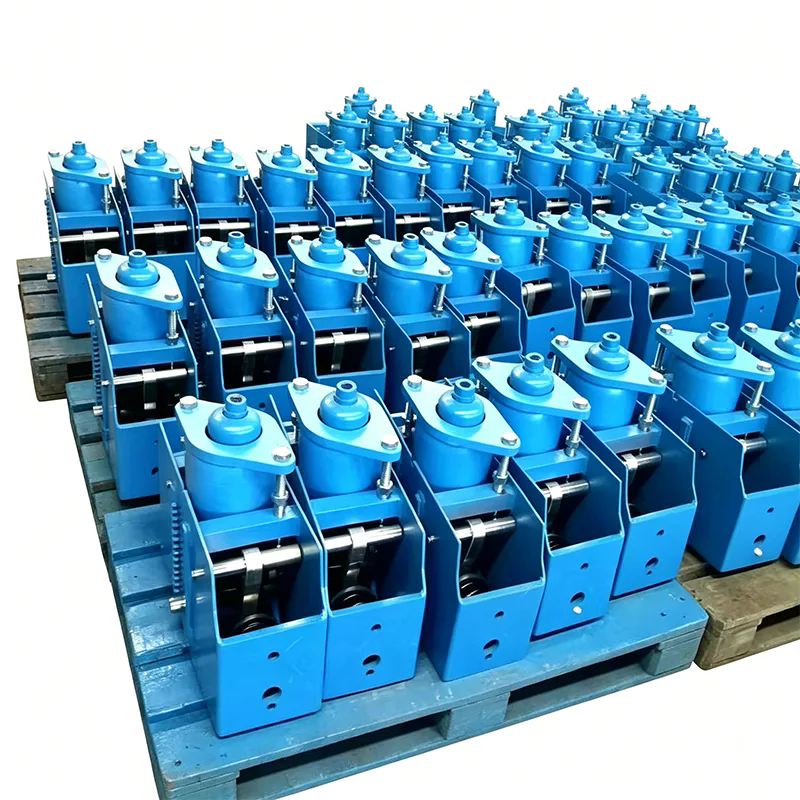
Hydraulic snubbers are velocity-sensitive restraining devices used to protect piping systems and equipment from sudden dynamic loads — such as seismic events, water hammer, steam hammer, wind gusts, and pump trip transients — while allowing unimpeded slow movement from thermal expansion and contraction. Unlike spring supports, which carry pipe weight, hydraulic snubbers carry no static load under normal operating conditions; they engage only when pipe velocity exceeds a preset threshold.
Yangzhou Tianshun Pipeline Technology manufactures hydraulic snubbers designed for use in power generation, petrochemical, and nuclear-grade piping systems. Each unit uses a piston moving through hydraulic fluid inside a sealed cylinder. At slow velocities — typical of thermal growth — the fluid passes freely through calibrated orifices and the snubber exerts negligible resistance. When a sudden event drives the pipe faster than the trigger speed, the orifice flow becomes restricted, fluid pressure builds, and the snubber locks into a rigid restraining mode, transferring the dynamic load to the building structure.
Design & Construction
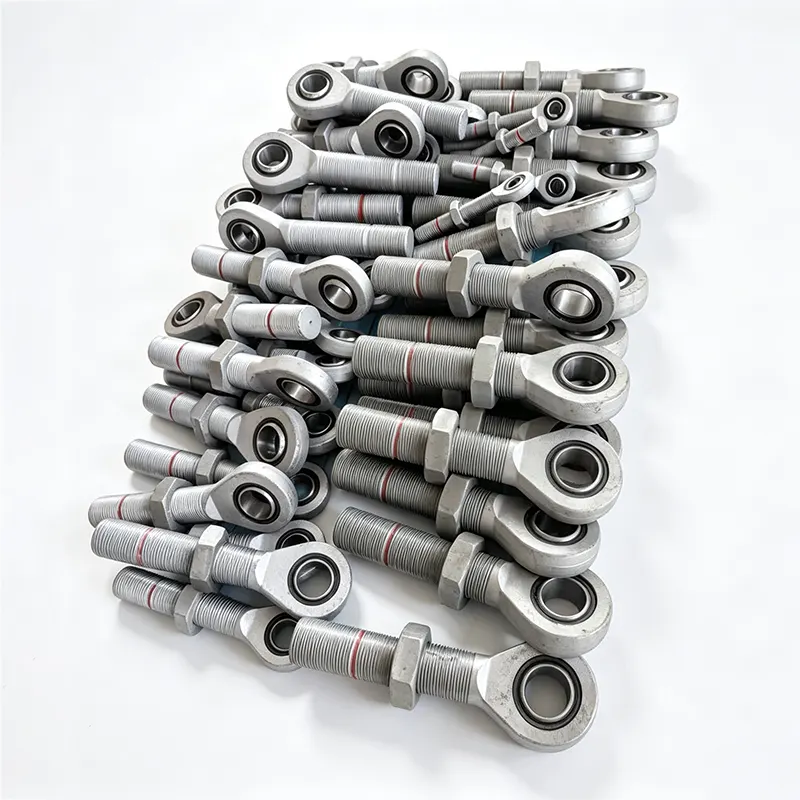
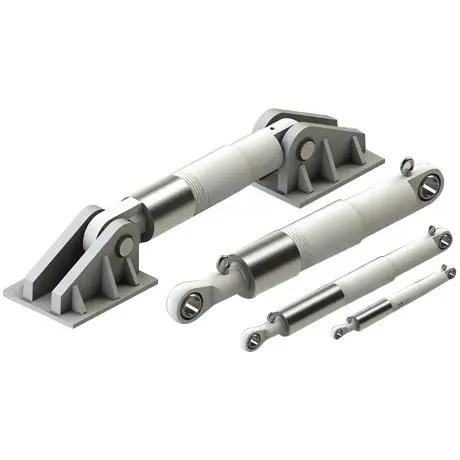
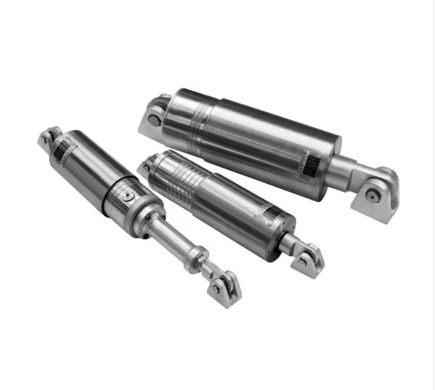
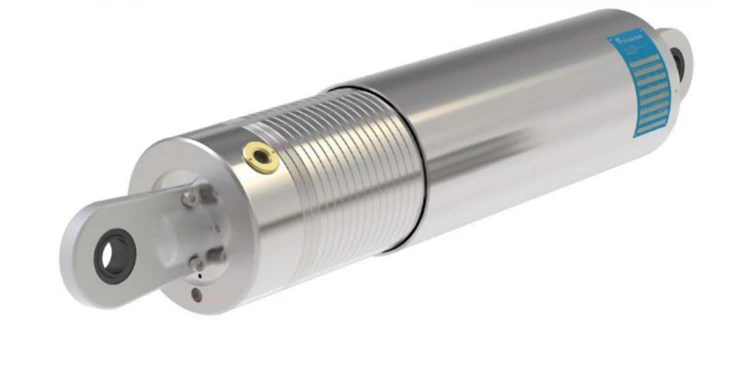
Our standard hydraulic snubbers feature a carbon steel or alloy steel cylinder, a hardened piston rod with corrosion-resistant coating, and high-performance hydraulic fluid rated for a wide temperature range. End connections are available in several configurations including rod eye, clevis, ball joint, and threaded ends, allowing installation in any orientation — horizontal, vertical, or angled.
Each snubber is factory-filled, sealed, and pre-tested. Internal thermal compensation accommodates fluid volume changes due to ambient temperature swings, preventing false lockup or unwanted preload in normal service.
Performance Range
Load capacities span from approximately 5 kN up to 500 kN and higher for custom heavy-duty units. Standard strokes include 100 mm, 150 mm, 200 mm, 300 mm, and 500 mm, with longer strokes available on request. Trigger velocity — the speed at which the snubber transitions from free movement to restraint — is typically calibrated between 5 mm/s and 50 mm/s depending on project specification, and can be adjusted to suit individual installation requirements.
Operating temperature range for standard units is -40°C to +120°C, with high-temperature variants and nuclear-grade fluids available for specialized applications.
Standards & Qualification
Our hydraulic snubbers are designed and tested in accordance with applicable international standards including MSS SP-69, ASME B31.1, ASME B31.3, and IEEE requirements for nuclear service. Each unit undergoes functional testing, pressure testing, and leak testing before shipment. For nuclear and high-spec projects, we can provide full qualification documentation including cycle testing, environmental aging, and seismic qualification reports as required.
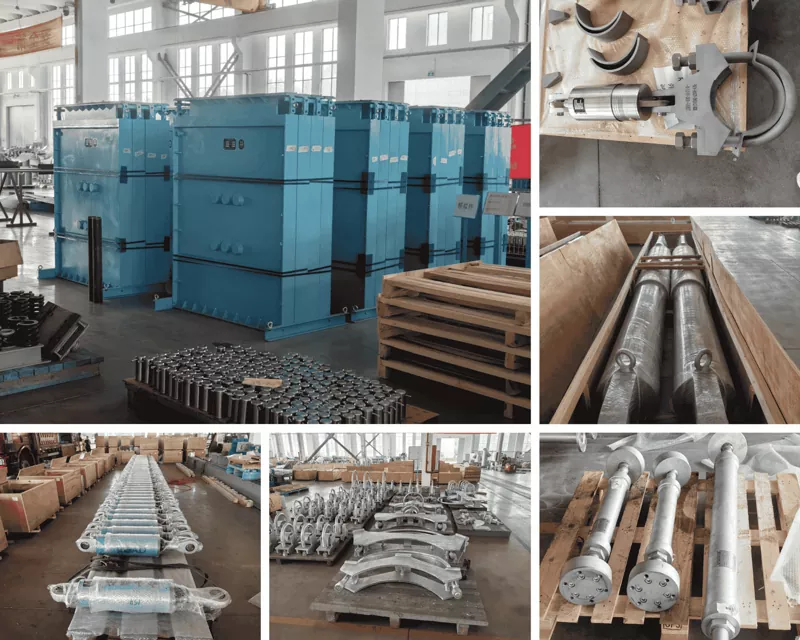
Typical Applications
Hydraulic snubbers are specified wherever a piping system must move freely under thermal conditions but must be restrained against dynamic events. Primary installations include main steam lines and feedwater piping in thermal and nuclear power plants, reactor coolant loops, LNG and LPG transfer lines, refinery furnace outlet piping, high-pressure process lines, and cross-country pipelines in seismic zones.
System Integration with Other Pipe Components
Hydraulic snubbers are almost always part of a comprehensive pipe support scheme, working alongside other components rather than replacing them. Variable spring hangers and constant spring hangers carry the pipe weight and accommodate slow thermal movement, while snubbers provide parallel dynamic restraint at the same or adjacent support points. On lines equipped with metal bellows expansion joints, snubbers protect the bellows from over-extension or over-compression during transient events.
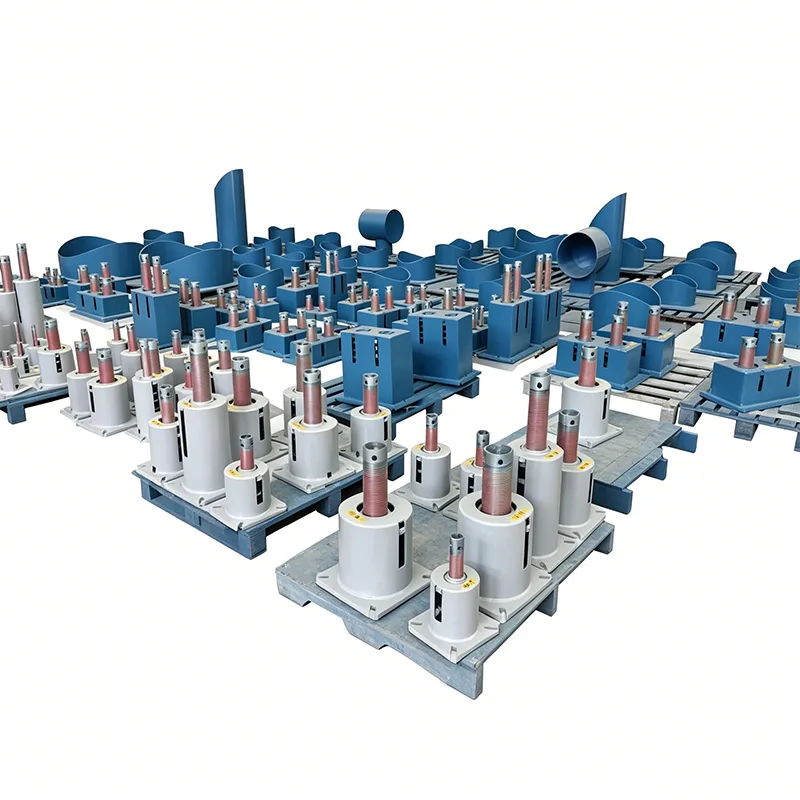
Our broader product range covers the full piping support and flexibility package: spring supports and spring hangers of all types, rigid pipe supports, pipe shoe supports, pre-insulated pipe supports for cold and hot service, and a complete line of expansion joints. This allows EPC contractors and end users to source snubbers, supports, and expansion components from a single manufacturer, simplizing coordination and quality accountability.
Quality & Service
Every hydraulic snubber is assembled and tested in our in-house facility under our ISO 9001:2015 quality management system. We support customers with sizing assistance, installation guidance, and scheduled maintenance recommendations. Standard lead time for catalog units is three to five weeks, with expedited production available by prior agreement. With over 14 years of experience supplying pipeline components to more than 45 countries, we deliver both off-the-shelf and fully custom snubber solutions for critical infrastructure projects worldwide.
Frequently Asked Questions
What is the difference between a hydraulic snubber and a spring hanger?
Spring hangers are load-bearing supports that carry the weight of the pipe while allowing thermal movement. Hydraulic snubbers carry no static load; they are restraining devices that remain free-moving at slow thermal velocities but lock rigidly when a sudden dynamic event such as an earthquake or water hammer occurs. The two are often installed together at the same pipe location.
What does "trigger velocity" mean?
Trigger velocity, or lock-up speed, is the piston speed at which the snubber switches from low-resistance free movement to rigid restraining mode. It is calibrated by adjusting the size of the internal flow orifices. Typical values range from 5 mm/s to 50 mm/s, selected so that normal thermal growth never reaches the trigger speed but dynamic events always exceed it.
Do hydraulic snubbers require maintenance?
Yes, but at long intervals. Under normal operating conditions we recommend inspection every three to five years and a full overhaul, including fluid replacement and seal renewal, every ten years. Service life varies with temperature, cycle count, and environmental conditions. Severe service or nuclear applications follow shorter inspection intervals per project specification.
Can a snubber be installed in any direction?
Yes. Hydraulic snubbers function in any orientation — horizontal, vertical, or inclined — because the piston acts in pure axial tension and compression regardless of gravity. The end connections (clevis, ball joint, rod eye) are selected to match the installation angle and the type of structural attachment.
How do I size a hydraulic snubber for my piping system?
Sizing is based on the maximum dynamic load the snubber must restrain and the total thermal stroke it must accommodate without bottoming out. Dynamic loads typically come from a pipe stress analysis under seismic, water hammer, or wind load cases. Our engineering team can assist with sizing if you provide the expected load, required stroke, operating temperature, and applicable project code.