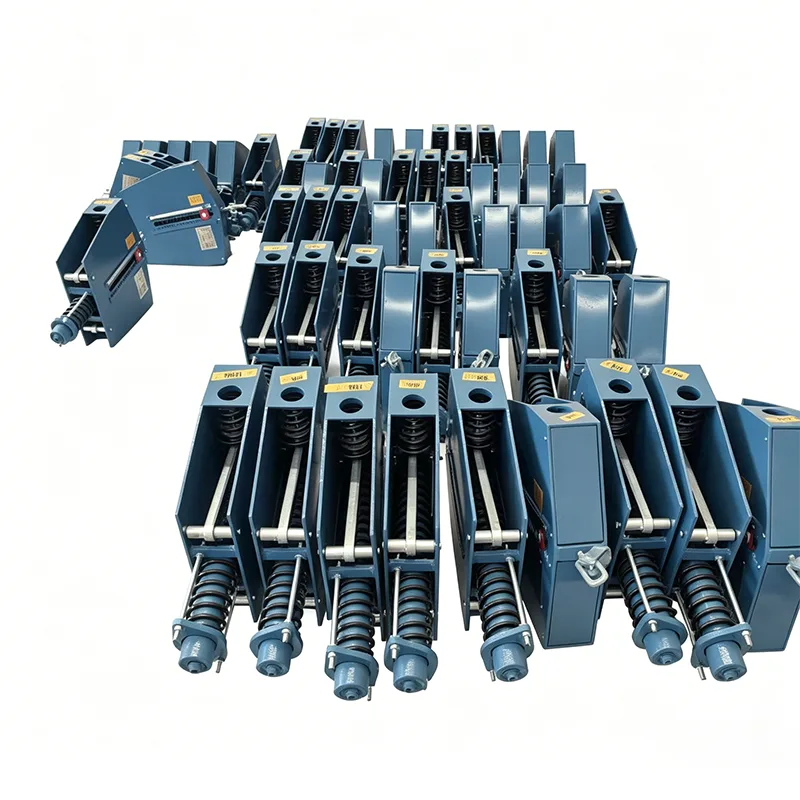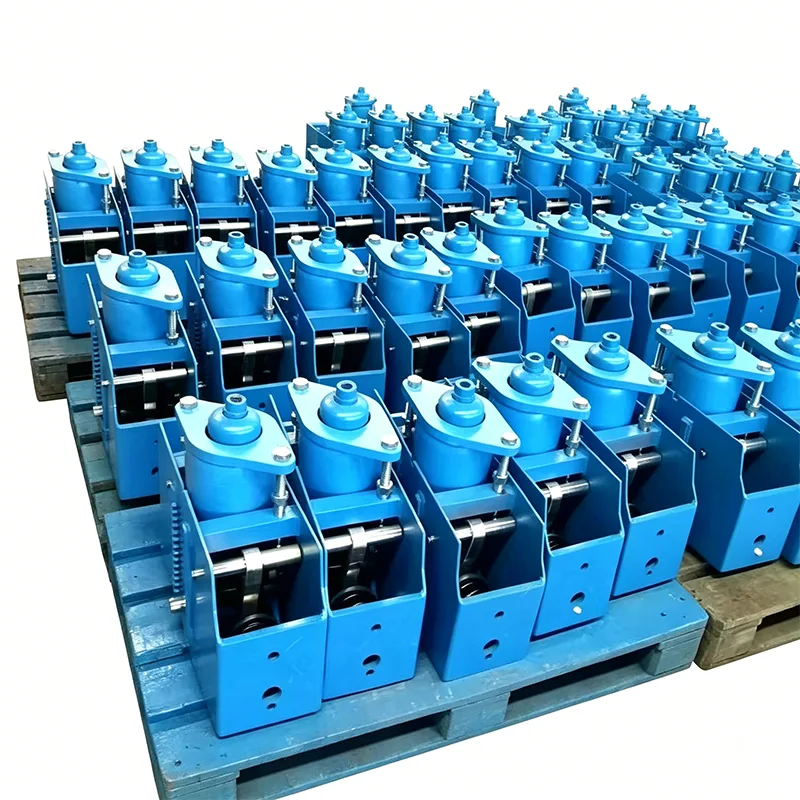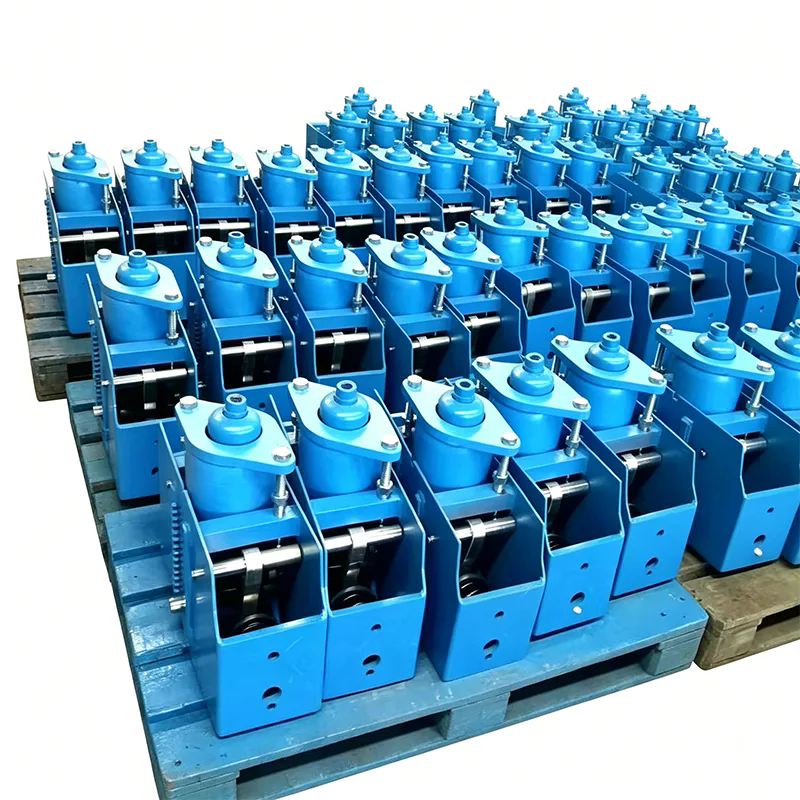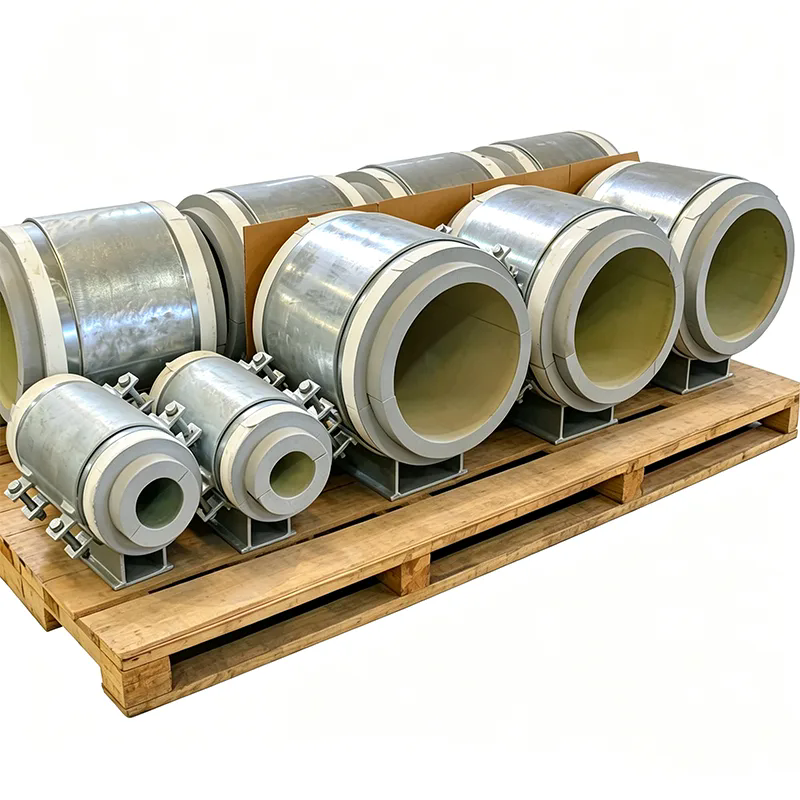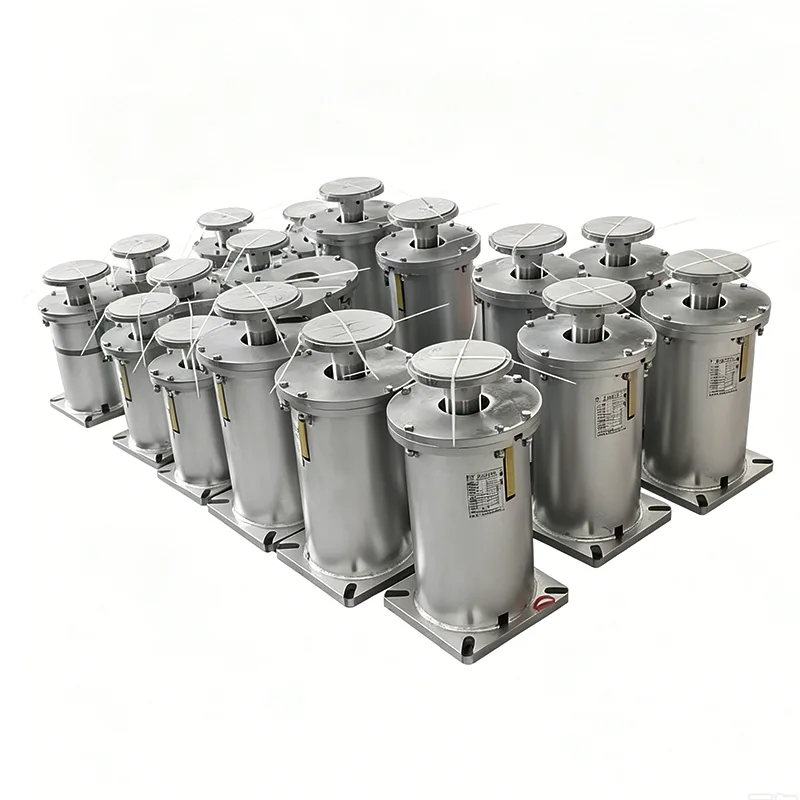
The Oil and Gas Variable Spring Support must meet five major conditions: selection design conditions, load & displacement performance, material and corrosion prevention, manufacturing tests, installation and usage specifications, and applicable standards: ASME B31.3, MSS SP-58/SP-69, SH/T3073, HG/T20644 (general for oil and gas petrochemicals)
Selection Criteria (Hard Thresholds for Design Selection)
Load change rate ≤ 25% (ASME mandatory requirement)
For cold and hot load changes exceeding 25%, variable springs are prohibited and fixed force supports should be used instead; for pump/compressor equipment pipe outlets (API610 units), strict control of load fluctuations is required. Any deviations must be replaced with fixed supports.
Vertical thermal displacement matching stroke
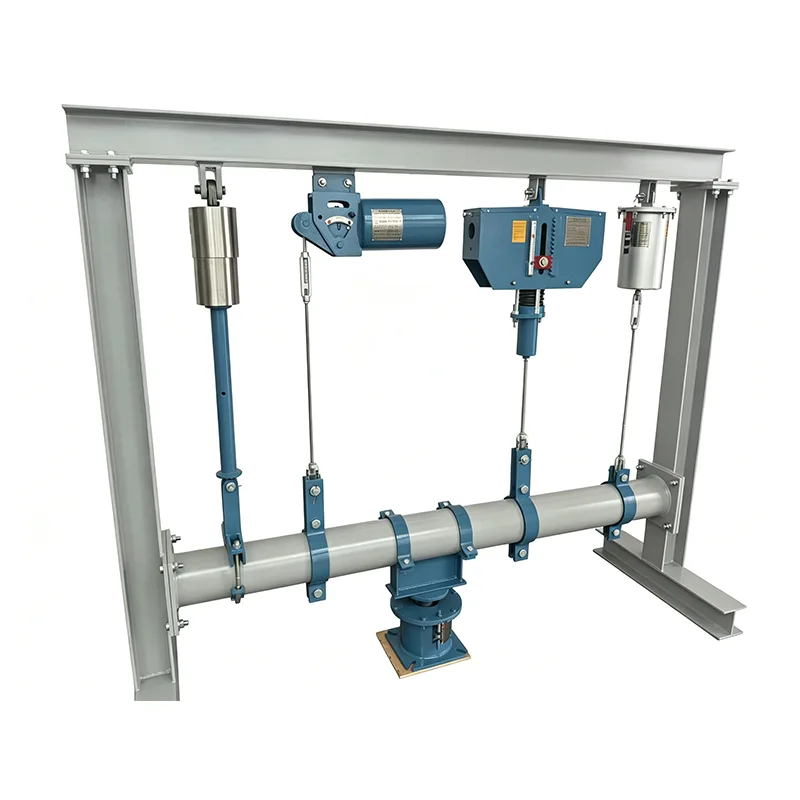
The vertical displacement of the pipeline during cold and hot states must fall within the effective stroke range of the spring (C cold mark to H hot mark), and it is not allowed to exceed the upper and lower limit strokes of the spring; for a conventional single series, the maximum stroke is ≤ 250mm, and for excessive stroke, a constant force spring is required.
Load values
Selected load = Pipe self-weight + Medium weight + Insulation weight + Support and hanger body self-weight; additional wind load and seismic load are superimposed in seismic areas (ASME B31.3 seismic provisions).
Application condition boundaries
Temperature: Normal - 30℃ to +200℃; For high-temperature oil and gas pipelines (>250℃), use high-temperature resistant alloy springs; For low-temperature LNG pipelines (-196℃), use special low-temperature spring materials;
Applicable: Only vertical thermal displacement pipelines. For lateral expansion, a guide support should be equipped; The spring does not bear horizontal loads.
Performance Index Conditions (Mandatory Parameters for Factory Inspection)
Load Accuracy: The deviation between the measured set load and the nominal load is ≤ ±5% (petrochemical and oil general standards), and for high-end LNG projects, it is ≤ ±3%.
Spring Stiffness: The stiffness tolerance complies with GB/T23934/ASME spring specifications, and the load-displacement curve throughout the range follows Hooke's Law linearly.
Strength Safety: The ultimate pressure-bearing capacity is twice the rated load; under 1.5 times the rated static load, the pressure is maintained without plastic deformation or fracture; the stress of the component is ≤ 0.8 times the material yield strength.
Fatigue Life: For continuous oil and gas operation conditions, ≥ 2000 cold-hot cycle tests; the spring has no cracks and the stiffness does not decay.
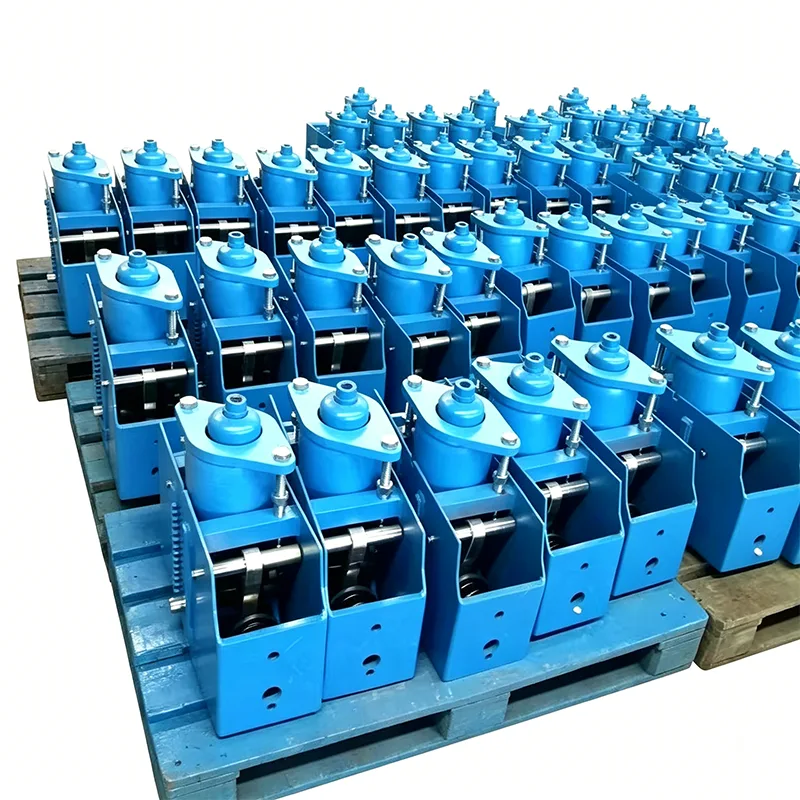
Identification Configuration: The shell must be engraved with C (Cold position), H (Hot position) scales, model, rated load, and stroke value.
Standard Locking Device: Factory equipped with transportation locking pins / lock blocks, pre-locked in cold state at factory, and the locking components are removed before the pipeline is heated and put into operation.
Materials and Corrosion Conditions (Special for Oil and Gas Corrosion Environment)
1. Spring Body
Conventional oil and gas: 65Mn, 50CrVA alloy spring steel, heat treated to HRC 45-50;
Acidic oil and gas wells containing H₂S: Alloy spring resistant to hydrogen embrittlement; Offshore platforms in the sea: Stainless steel spring resistant to salt fog.
2. Shell body, pull rods, top plate
Onshore refinery: Q235B carbon steel;
Offshore platform / coastal petrochemical: C5-M anti-corrosion, sandblasting + epoxy zinc-rich + topcoat; Inland chemical plant C3/C4 anti-corrosion (hot-dip galvanizing / powder coating).
3. Clamp / Bracket
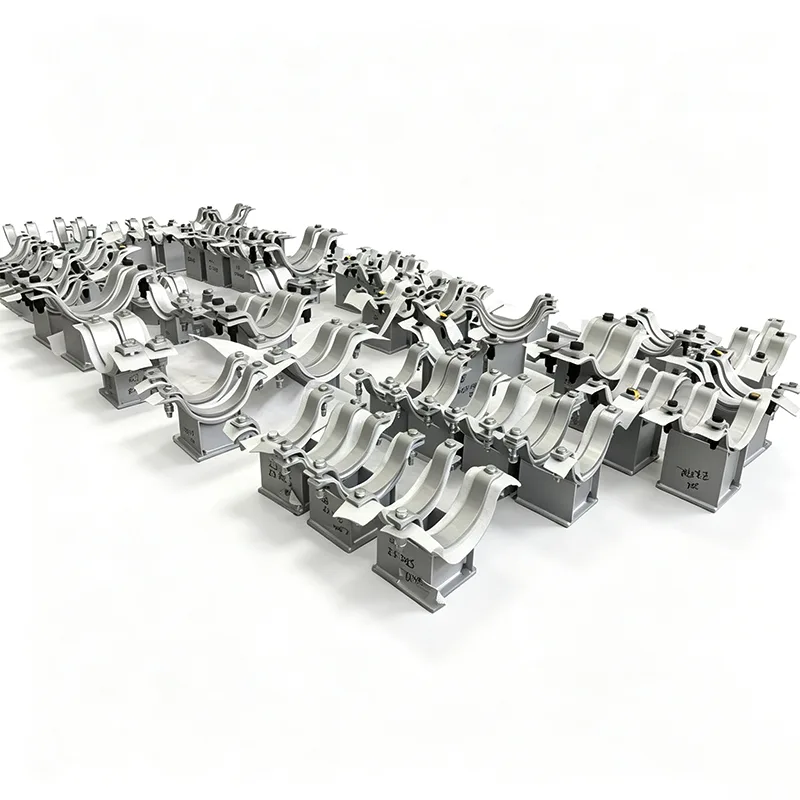
Compatible with pipeline material: Carbon steel with carbon steel clamps, stainless steel pipelines with stainless steel clamps, to avoid electrochemical corrosion between different metals; High-temperature pipelines with heat insulation brackets.
Manufacturing & Factory Testing Conditions
Raw materials come with material quality guarantee certificates (MTR), and incoming spectral re-inspection is conducted;
Full inspection items: appearance (no cracks, scratches, deformation), dimensional tolerance, load setting test;
Sampling: 10% of the products undergo overload strength test (1.5 times the rated load), for offshore projects, 100% full-load testing is conducted;
Factory documents: product certificate of conformity, load test report, material certificate.
On-site Installation & Commissioning Conditions
Cold state positioning: During installation, it refers to aligning with the C cold state scale, with the spring in the pre-compressed locked state; after the pipeline water pressure test is completed and before the system is heated up, remove the transportation locking pins;
Hot state verification: After the device operates at full load, the pointer should fall within the H hot state scale range to be considered qualified; if it exceeds the range, the spring specification needs to be replaced;
Vibration pipelines: For the inlet and outlet pipelines of the oil and gas compressor and the inlet and outlet pipelines of the pump, install vibration limiters to prevent the spring from being damaged by high-frequency fatigue (ASME B31.3 vibration clause);
Prohibition: Do not apply lateral force to the spring, do not weld or cut the shell, and do not randomly grind the spring.
-
Copyright © 2026 Yangzhou Tianshun Pipeline Technology Co., Ltd. All Rights Reserved.