No.115 Yunhe North Road, Yangzhou City.Shuzhou, China +86-13032562550 jsts2021@yeah.net
Follow Us -
News

How Can Hydraulic Snubbers for Pipe Restraint Protect Critical Piping Systems from Sudden Dynamic Loads

2026-10-14 0 Leave me a message

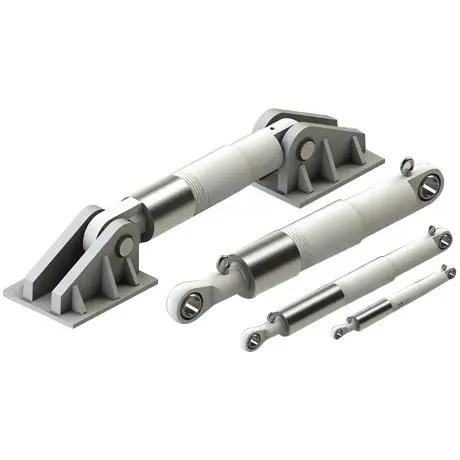
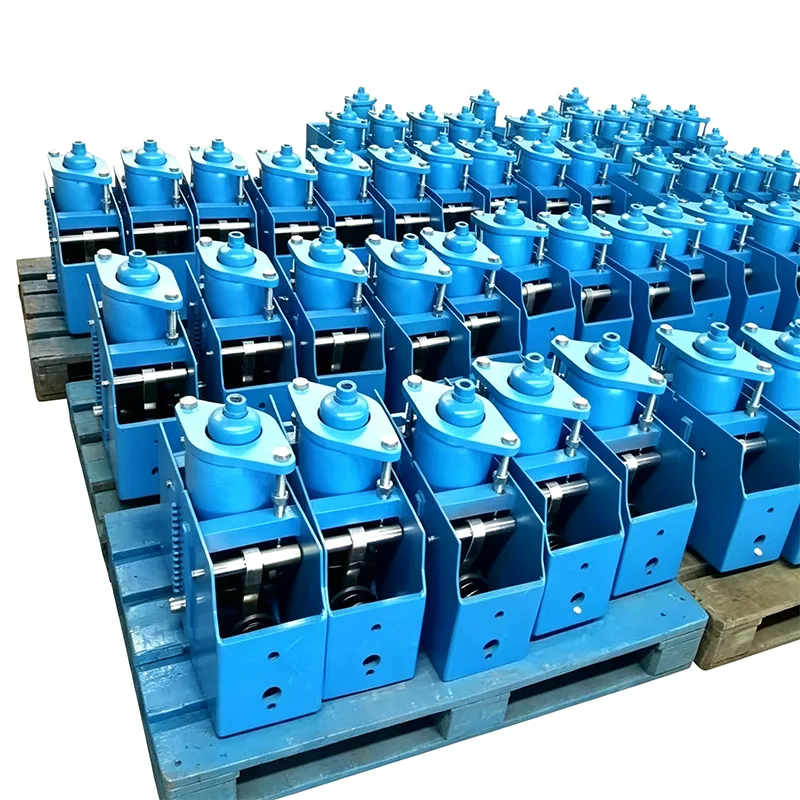
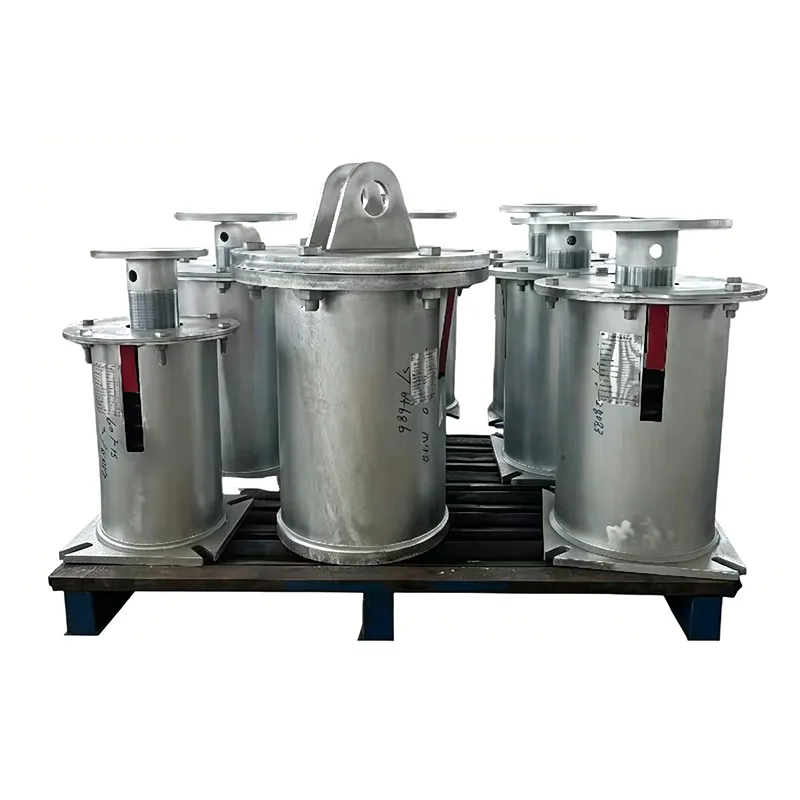
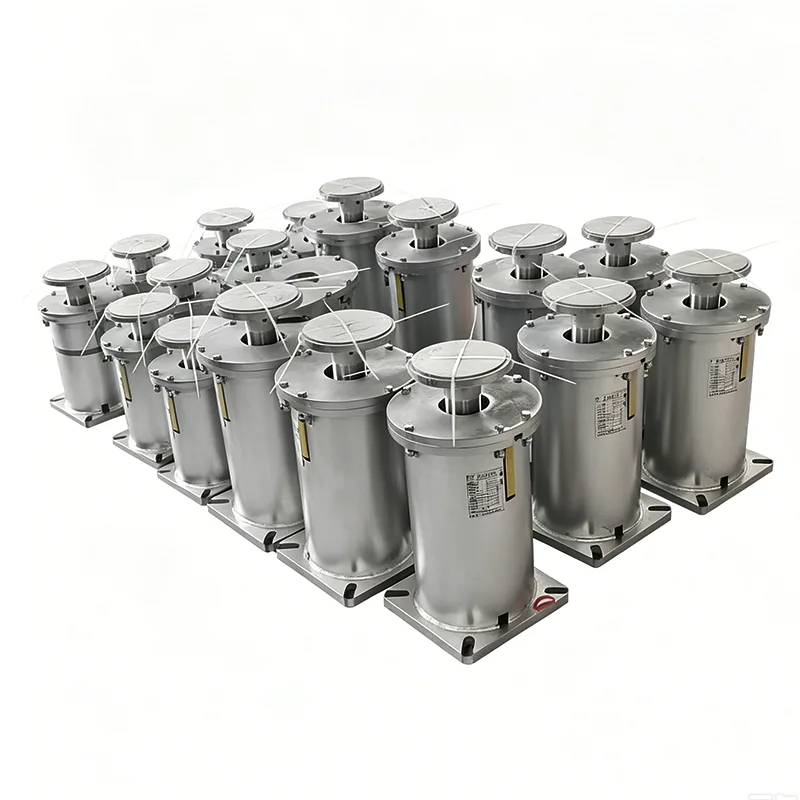
When industrial piping must accommodate thermal expansion while resisting sudden shock loads, Tianshun provides Hydraulic Snubbers for Pipe Restraint designed to help maintain system stability under demanding operating conditions. These velocity-sensitive devices allow gradual pipe movement during normal operation and provide dynamic restraint when rapid displacement threatens piping integrity.

Hydraulic snubbers are essential dynamic restraint devices in power plants, petrochemical facilities, refineries, and other industrial installations where piping systems face seismic forces, water hammer, pressure transients, and equipment-related disturbances. Unlike conventional rigid restraints, they accommodate slow thermal movement while resisting sudden, high-speed displacement. This article explains their operating principles, key components, engineering considerations, applications, and maintenance requirements. It also outlines how to select suitable equipment for specific pipe restraint projects and how Tianshun can support industrial piping requirements.

Hydraulic Snubbers for Pipe Restraint

Table of Contents

  1. What Are Hydraulic Snubbers for Pipe Restraint?
  2. How Do Hydraulic Snubbers Work?
  3. What Benefits Do Hydraulic Snubbers Provide?
  4. Where Are Hydraulic Snubbers Commonly Used?
  5. Technical Specifications and Selection Parameters
  6. How to Select the Right Hydraulic Snubber
  7. Installation and Maintenance Best Practices
  8. Frequently Asked Questions
  9. Conclusion: Improving Piping Reliability with Tianshun

What Are Hydraulic Snubbers for Pipe Restraint?

Hydraulic snubbers are specialized mechanical-hydraulic devices that restrict rapid movement in piping systems while allowing relatively unrestricted movement at low velocities. They are particularly valuable in installations where pipes expand, contract, or shift during normal operating cycles but must remain controlled during unexpected dynamic events.

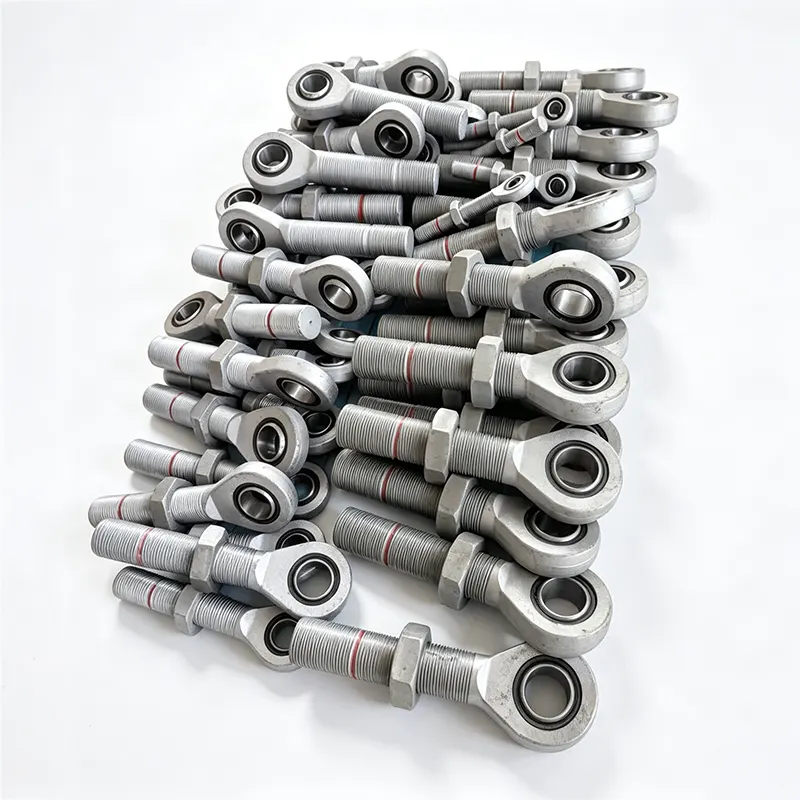
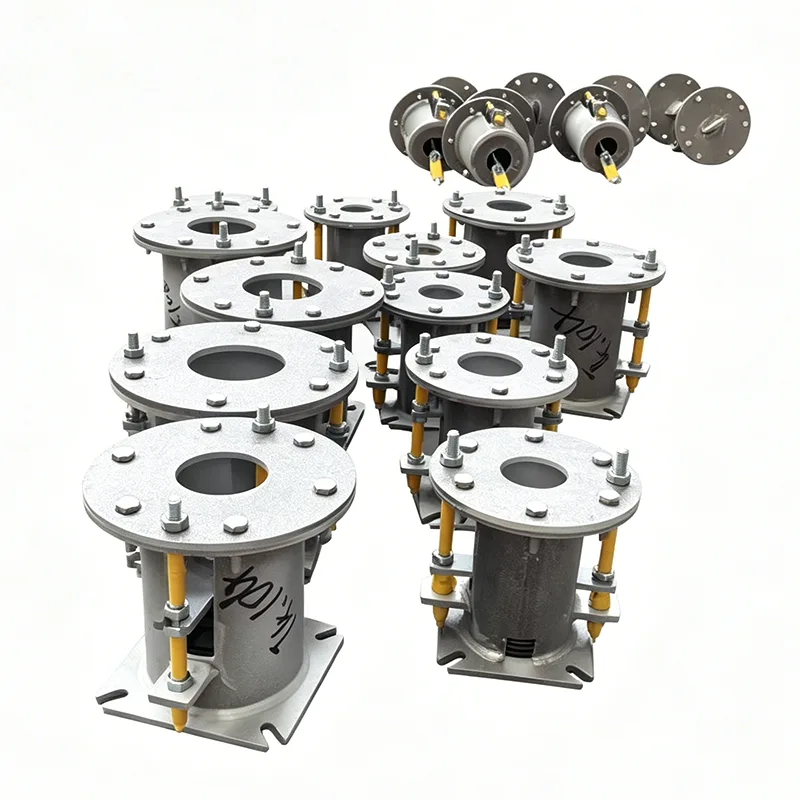
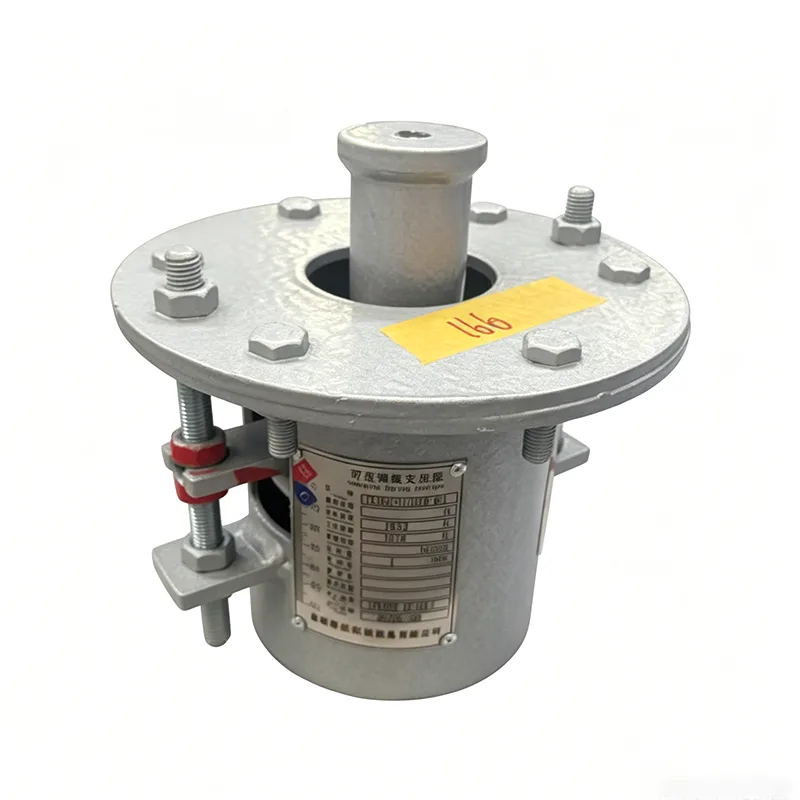
A typical hydraulic snubber contains a cylinder, piston, piston rod, hydraulic fluid, internal flow-control mechanism, seals, and end connections. When a pipe moves slowly because of temperature changes, hydraulic fluid flows through calibrated passages, permitting the piston to travel. When movement exceeds the device's specified activation velocity, hydraulic resistance increases substantially, helping restrain the pipe.

Hydraulic snubbers generally work alongside load-bearing supports rather than replacing them. Spring hangers, pipe shoes, and other supports carry pipe weight and accommodate normal movement, while snubbers provide restraint against specified dynamic loads.

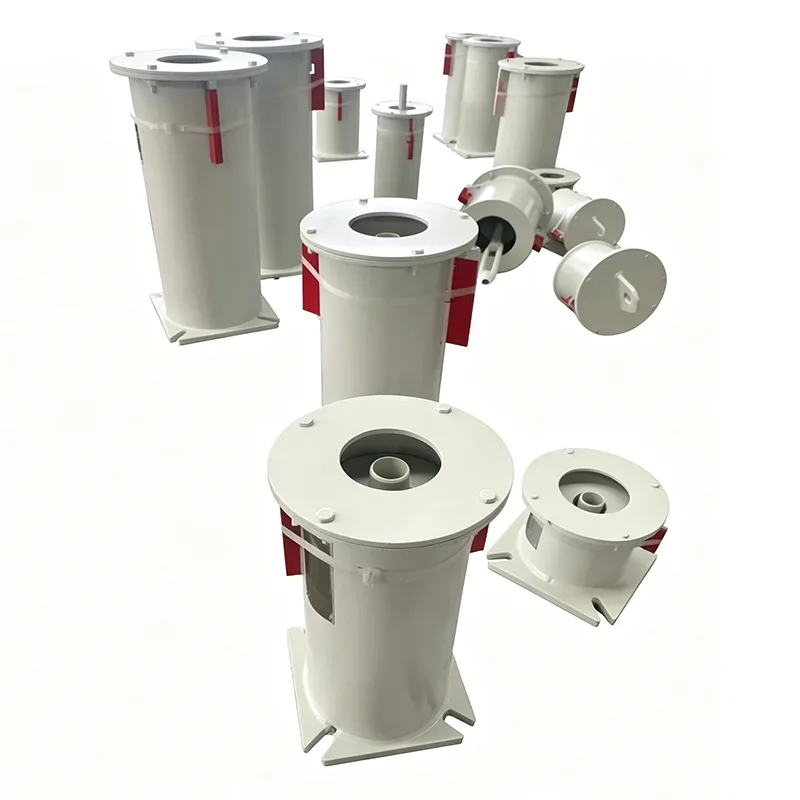
For project-specific details, review Tianshun's Hydraulic Snubbers for Pipe Restraint product information.


How Do Hydraulic Snubbers Work?

The operating principle relies on the relationship between piston velocity and hydraulic resistance. The device responds differently to gradual displacement and sudden movement, helping piping systems remain flexible during ordinary operation without sacrificing dynamic restraint.

1. Normal thermal movement

Industrial pipes experience dimensional changes as operating temperatures rise and fall. During sufficiently slow movement, the snubber allows its piston to travel through the cylinder with limited resistance. This helps prevent unnecessary restraint of thermal expansion and contraction.

2. Detection of rapid displacement

During a seismic event, water hammer, turbine trip, or similar transient, pipe velocity can rise rapidly. The snubber's internal hydraulic mechanism restricts fluid flow as the specified activation conditions are reached.

3. Dynamic restraint

Increasing hydraulic resistance makes further piston movement substantially more difficult. The device then transfers the resulting restraint force through its mounting connections to the supporting structure, helping limit excessive pipe displacement.

4. Return to normal operation

Once the transient subsides, the mechanism can return to its normal movement-permitting behavior, depending on the design. Correct sizing, installation, and maintenance are important to ensure that the snubber responds as intended throughout its service life.


What Benefits Do Hydraulic Snubbers Provide?

Properly specified hydraulic snubbers offer several engineering advantages for industrial piping systems.

  • Dynamic load restraint: Helps control rapid pipe movement caused by specified transient events.
  • Thermal movement accommodation: Permits gradual axial displacement associated with operating temperature changes.
  • Equipment protection: Helps reduce excessive loading on connected valves, vessels, pumps, turbines, and other equipment.
  • Flexible installation: Available end connections and mounting arrangements can accommodate different support configurations.
  • System integration: Can work alongside spring supports, rigid restraints, pipe shoes, and expansion joints.
  • Application-specific engineering: Load capacity, stroke, activation velocity, materials, and environmental requirements can be evaluated for individual projects.

One important limitation is that hydraulic snubbers are not universal solutions for every vibration problem. Their suitability depends on the movement characteristics, frequency range, load cases, and performance requirements of the piping system. Low-amplitude, high-frequency vibration may require a different or complementary vibration-control approach.


Where Are Hydraulic Snubbers Commonly Used?

Hydraulic snubbers are frequently considered for critical piping networks where sudden displacement could affect operational continuity, equipment integrity, or plant safety.

Power generation facilities

Main steam lines, feedwater piping, and other high-energy circuits may experience dynamic loads during equipment trips, pressure transients, or seismic events. Snubbers help restrain movement when the design conditions require it.

Petrochemical plants and refineries

Process piping connected to pumps, compressors, furnaces, and pressure equipment may be exposed to rapid changes in operating conditions. Properly engineered restraints can help control transient loads and protect vulnerable connections.

Nuclear facilities

Safety-related piping systems may require carefully documented restraint performance, environmental qualification, and seismic evaluation. Selection must follow the applicable project codes and qualification requirements rather than relying on general product descriptions alone.

LNG and high-pressure pipeline systems

Gas processing, liquefied natural gas facilities, and high-pressure transfer lines may require specialized support arrangements to accommodate operating movement while controlling specified dynamic events.

Systems with expansion joints

Metal bellows expansion joints and similar components can be sensitive to excessive displacement or external loading. Properly positioned snubbers may help limit movement during defined transient conditions, provided the complete restraint arrangement is engineered for the joint and piping loads.


Technical Specifications and Selection Parameters

Hydraulic snubber performance depends on several interconnected design parameters. The following table summarizes representative values published in Tianshun's product information. Actual requirements must be confirmed for the specific model and project.

Parameter Representative Range or Option Engineering Consideration
Load capacity Approximately 5 kN to 500 kN and above for customized units Must accommodate calculated restraint forces and specified load cases.
Standard stroke 100, 150, 200, 300, and 500 mm Must cover expected thermal displacement and installation tolerances.
Activation velocity Typically 5–50 mm/s, subject to specification Must distinguish normal pipe movement from the dynamic conditions requiring restraint.
Standard operating temperature Approximately -40°C to +120°C Verify fluid, seals, and material suitability at actual service temperatures.
Cylinder material Carbon steel or alloy steel options Selection depends on loads, environment, and project specifications.
End connections Rod eye, clevis, ball joint, and threaded options Must match the structural attachment and permitted movement direction.
Testing Functional, pressure, and leak testing as specified Confirm inspection records and required documentation before acceptance.

These values are indicative product information, not a substitute for an approved datasheet or project-specific calculation. For nuclear, high-temperature, or other critical services, confirm the applicable qualification requirements directly with the manufacturer.


How to Select the Right Hydraulic Snubber

Choosing a hydraulic snubber requires coordination between piping stress analysis, support design, equipment interfaces, and site conditions. Purchasing based on nominal pipe diameter alone is not sufficient.

Step 1: Identify the governing dynamic load cases

Determine whether the restraint must address seismic loading, water hammer, safety-valve discharge, equipment trips, wind-induced movement, or another transient. The governing load case establishes the required restraint performance.

Step 2: Confirm the required load capacity

Use the approved piping stress analysis to establish the required forces in tension and compression. Check the snubber rating, attachment strength, structural steel, welds, and connected pipe components as part of the complete load path.

Step 3: Calculate the required stroke

Establish the expected hot-to-cold thermal travel, installation position, and possible displacement under the applicable operating conditions. Adequate stroke helps prevent unwanted end-of-travel contact and interference with normal pipe movement.

Step 4: Specify activation characteristics

The activation velocity must be suitable for the expected range of normal movement and the dynamic events requiring restraint. Incorrect calibration can result in unwanted resistance during routine operation or inadequate response during a transient.

Step 5: Evaluate materials and the operating environment

Review ambient and pipe temperatures, corrosion exposure, humidity, fluid compatibility, and any special environmental requirements. Specialized applications may need enhanced materials, seals, protective coatings, or qualification testing.

Step 6: Verify documentation and compliance

Identify the governing design codes and project specifications. Depending on the application, these may include relevant requirements from ASME B31.1, ASME B31.3, MSS standards, or nuclear-service specifications. Confirm the exact editions, applicability, and required qualification scope with the responsible engineer.

For additional information on complementary support equipment, explore Tianshun's constant spring supports and review how the selected components can work together in a coordinated piping support system.


Installation and Maintenance Best Practices

Even a correctly selected hydraulic snubber can perform poorly if it is installed incorrectly or maintained inadequately. Installation and inspection should follow the manufacturer's instructions and approved project documentation.

Installation checklist

  • Verify the model, rated load, stroke, and activation settings against the approved drawings.
  • Confirm that mounting brackets, pins, bolts, welds, and structural attachments meet project requirements.
  • Align the snubber with its intended restraint direction and avoid unapproved side loading.
  • Check that the piston has sufficient travel for expected thermal displacement.
  • Verify that the installed orientation is permitted for the selected model.
  • Complete required commissioning checks and retain inspection records.

Routine inspection

Inspection should consider hydraulic fluid leakage, corrosion, piston-rod damage, loose connections, damaged seals, abnormal displacement, and evidence of mechanical interference. Any unusual condition should be assessed against the manufacturer's service instructions.

Inspection intervals and overhaul schedules must reflect the equipment manual, operating environment, event history, and project requirements. Tianshun's published guidance indicates inspections at intervals of approximately three to five years and possible overhaul around ten years under normal service conditions; these should be treated as general guidance rather than universal requirements. Safety-critical applications may require a different schedule.

After a significant seismic event or other design-basis transient, inspect the restraint system according to the applicable site procedures before returning affected equipment to service.


Frequently Asked Questions

1. What is the primary purpose of hydraulic snubbers for pipe restraint?

Their primary purpose is to allow slow pipe movement during normal operating conditions while restricting rapid displacement caused by specified dynamic events. This helps control loads transmitted to piping, connected equipment, and supporting structures.

2. What is the difference between a hydraulic snubber and a spring hanger?

A spring hanger supports pipe weight while accommodating thermal movement. A hydraulic snubber primarily provides dynamic restraint and generally does not replace the load-bearing function of a support. Both may be used in the same piping system for different engineering purposes.

3. How do I determine the correct snubber load capacity?

Start with the approved piping stress analysis and identify the governing dynamic load cases. The selection must consider restraint forces, tension and compression capacity, stroke, mounting loads, and the strength of the complete attachment system.

4. Can hydraulic snubbers be installed horizontally or vertically?

Many hydraulic snubbers support horizontal, vertical, or inclined installation, but the permitted orientation depends on the design. Confirm the manufacturer's instructions, mounting configuration, and any project-specific restrictions before installation.

5. Do hydraulic snubbers require regular maintenance?

Yes. Inspection should cover leakage, corrosion, rod condition, connections, and functional performance as applicable. The inspection and overhaul schedule should follow manufacturer guidance and the operating requirements of the installation.

6. Are hydraulic snubbers suitable for every type of pipe vibration?

No. They are primarily intended to restrain rapid movement and specified transient loads. Continuous low-amplitude, high-frequency vibration may require additional analysis and other vibration-control measures.

7. What information should I provide when requesting a quotation?

Provide the required load capacity, stroke, operating and ambient temperatures, activation velocity, mounting orientation, end connections, pipe stress or support drawings, environmental conditions, and applicable project standards. These details help the manufacturer assess the appropriate configuration.


Conclusion: Improving Piping Reliability with Tianshun

Hydraulic snubbers for pipe restraint play an important role in industrial piping systems that must accommodate routine thermal movement while resisting sudden dynamic forces. Correct selection depends on calculated loads, stroke requirements, activation characteristics, installation details, material compatibility, and the applicable design and qualification standards. Integrating snubbers with suitable pipe supports and expansion components helps create a coordinated restraint system rather than relying on a single device to solve every movement problem.

Tianshun supports industrial piping projects with hydraulic snubber solutions and related pipeline support products. If you are planning a new installation, upgrading an existing restraint system, or sourcing customized equipment for demanding operating conditions, prepare your technical requirements and contact us to discuss suitable configurations, engineering considerations, and project-specific quotation options.

Related News
Leave me a message
X
We use cookies to offer you a better browsing experience, analyze site traffic and personalize content. By using this site, you agree to our use of cookies. Privacy Policy
RejectAccept