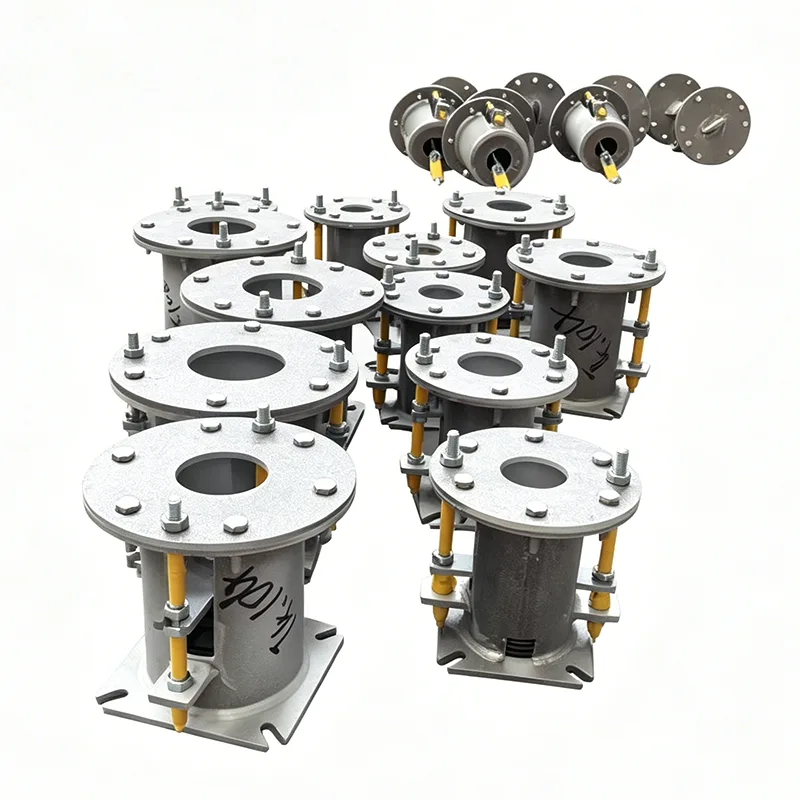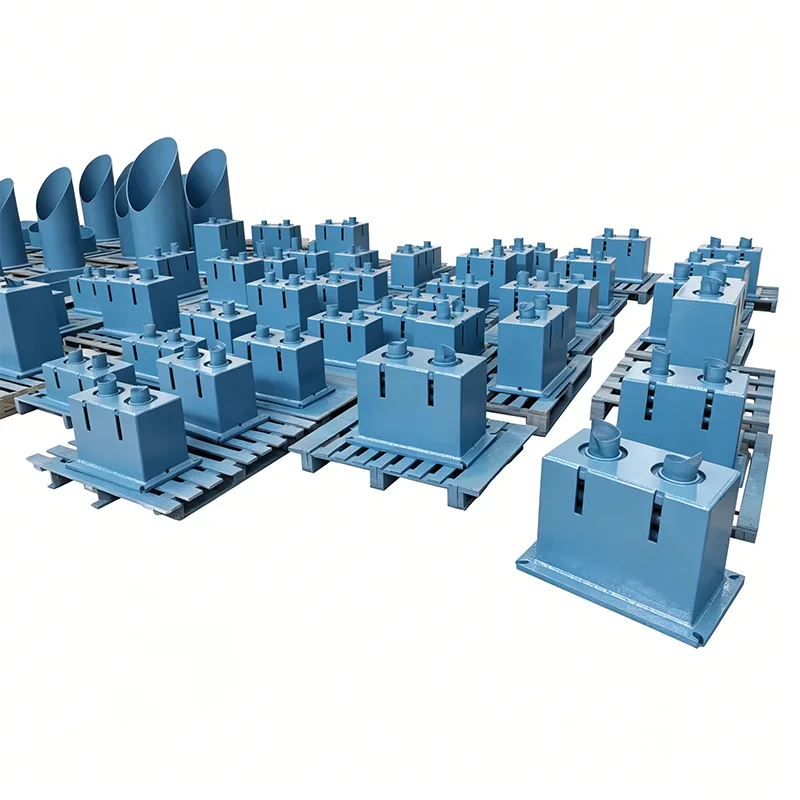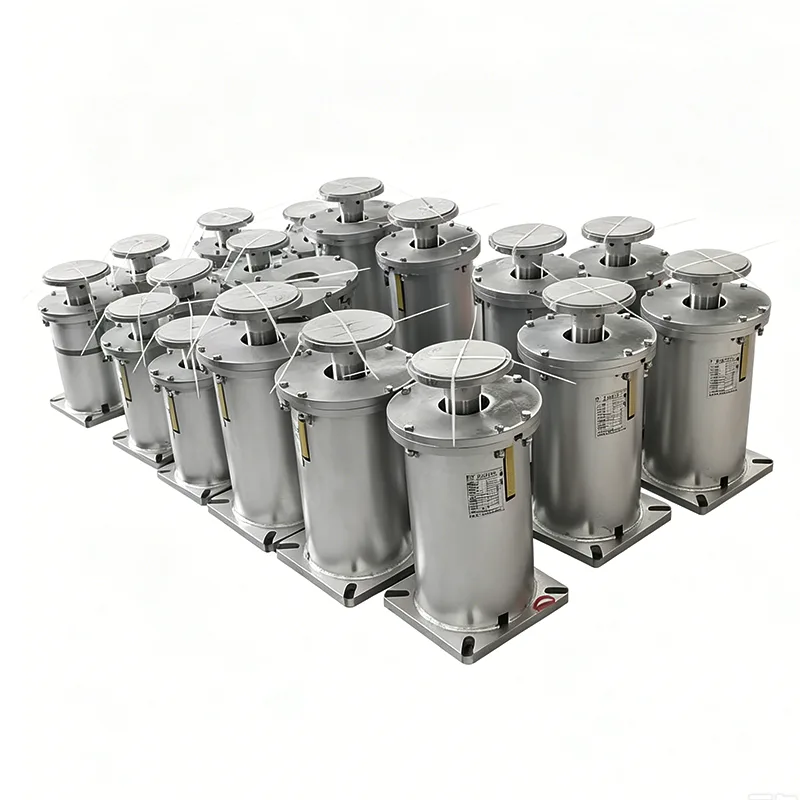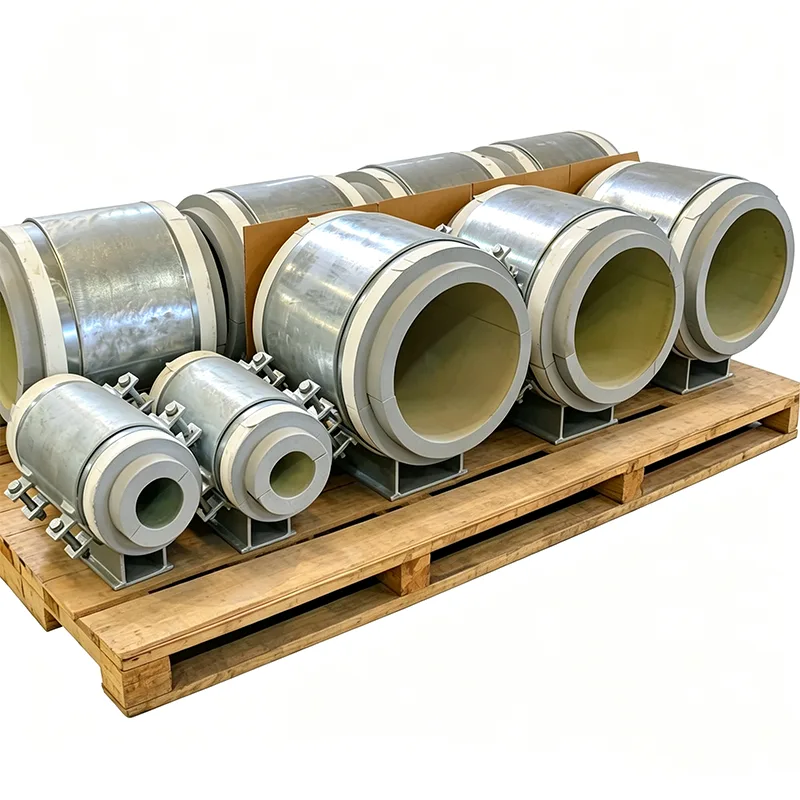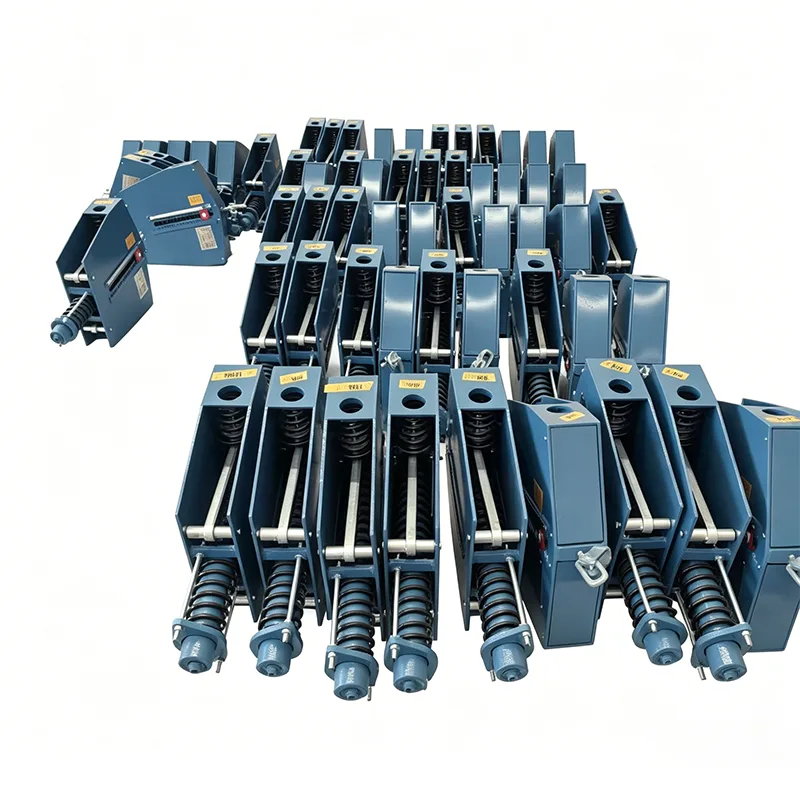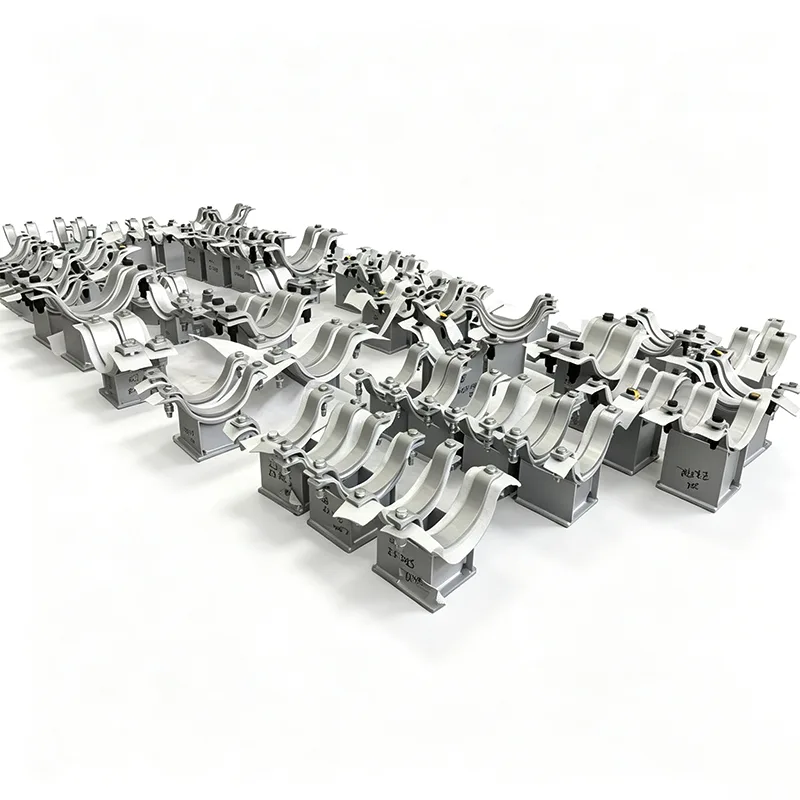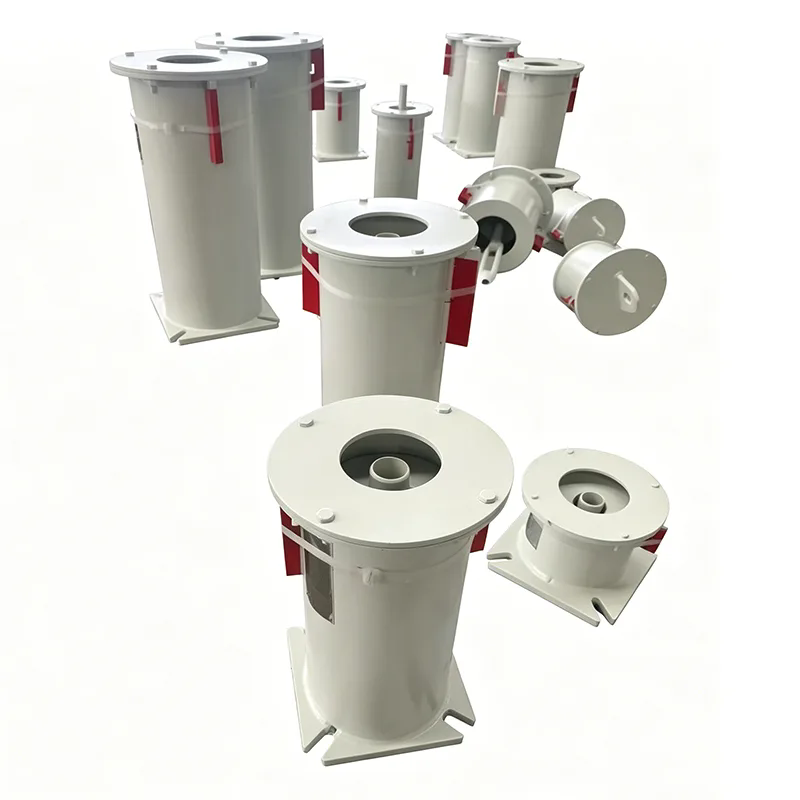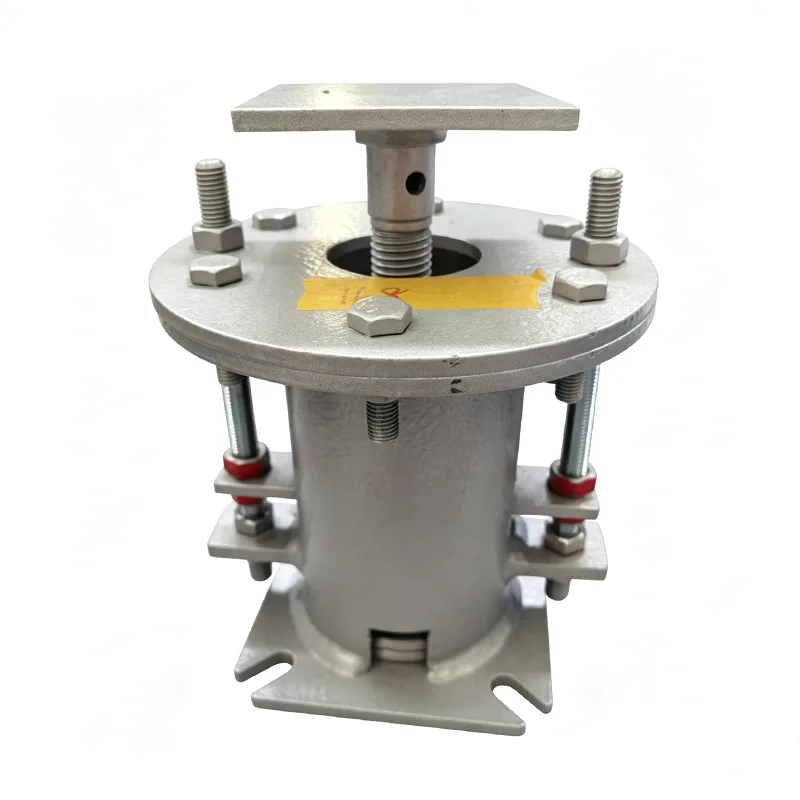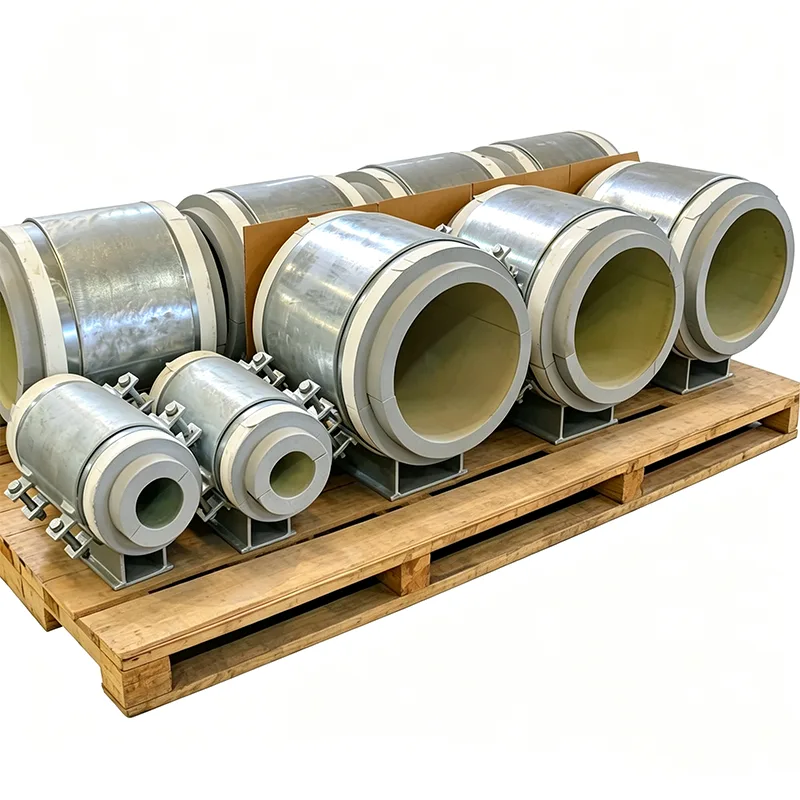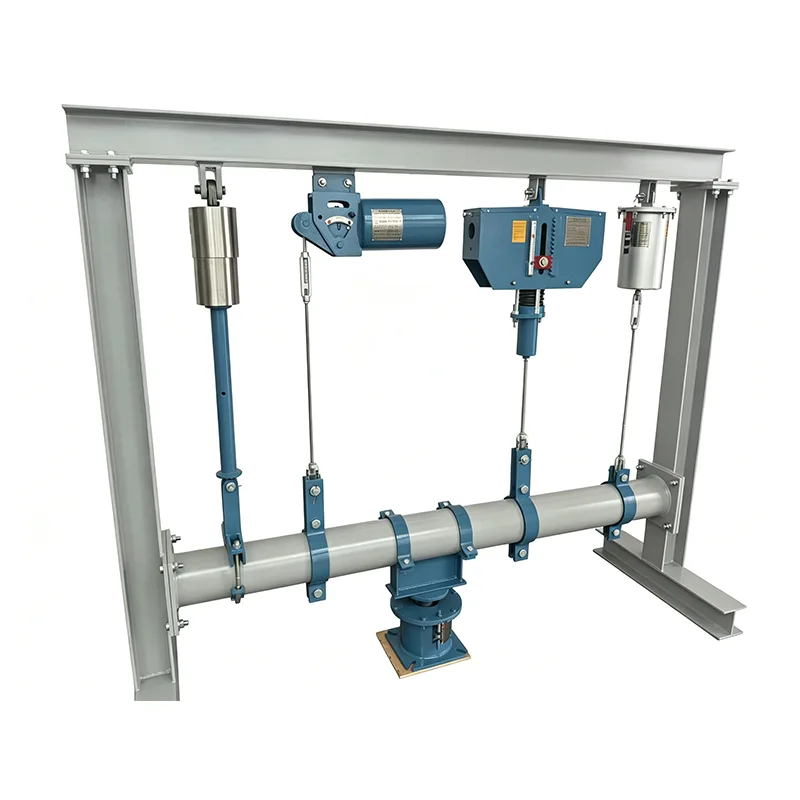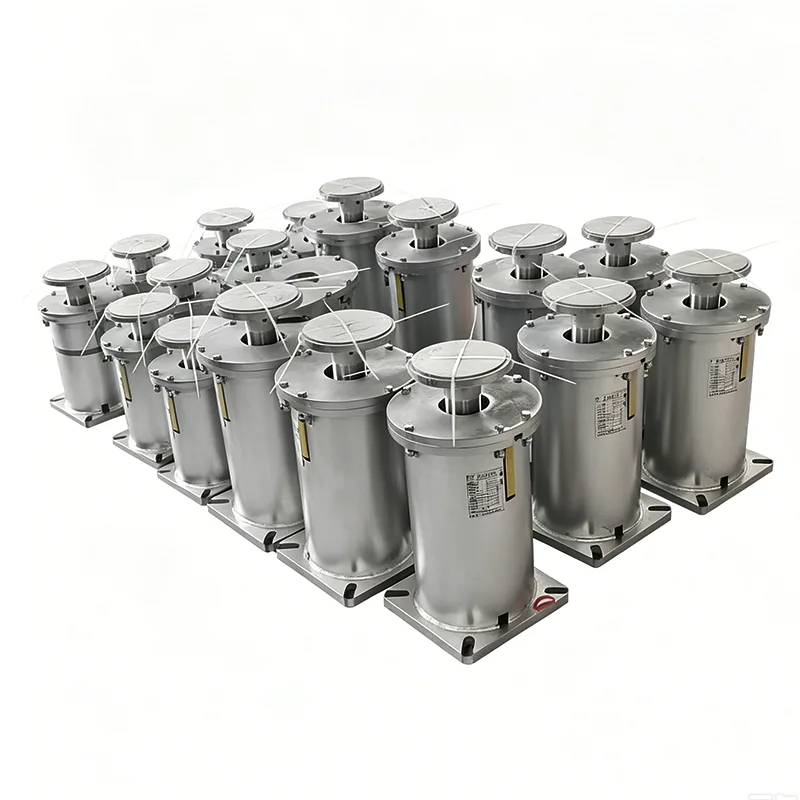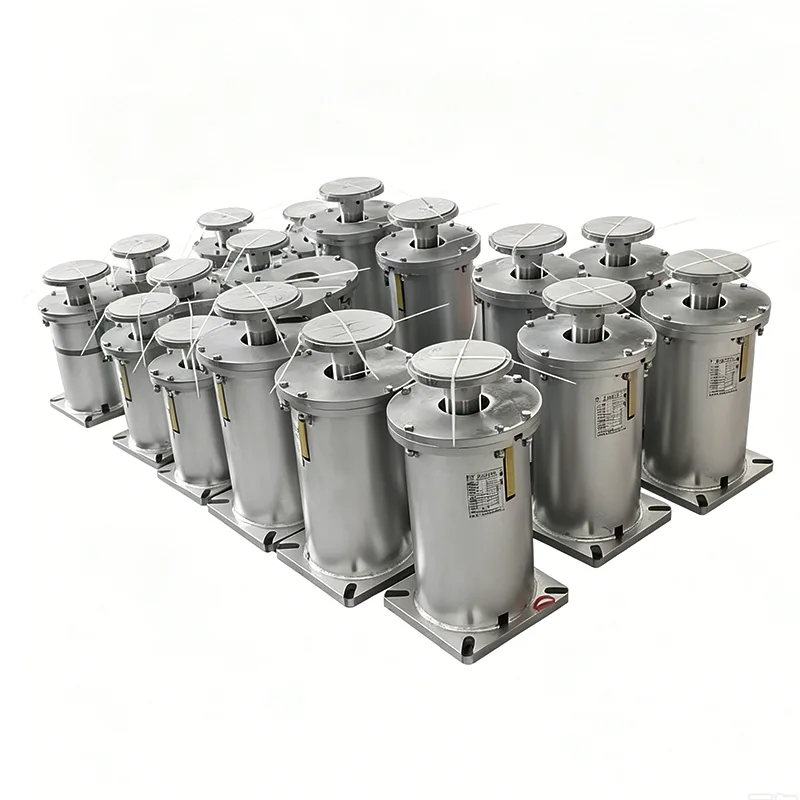

Variable Spring Support for Pipeline is an essential component for industrial piping systems that experience vertical movement caused by thermal expansion, contraction, vibration, or changing operating conditions. Tianshun manufactures standardized and customized spring support solutions designed to balance pipeline loads, accommodate controlled displacement, and help protect connected equipment in demanding applications such as power plants, petrochemical facilities, oil and gas systems, and water treatment projects.
A properly engineered pipe support system must do more than carry the static weight of a pipeline. Industrial piping can move as temperatures and operating conditions change, creating additional forces at supports, equipment nozzles, valves, flanges, and structural connections. A Variable Spring Support for Pipeline uses the elastic characteristics of a spring to provide continuous support while allowing controlled vertical movement. This article explains its working principle, key components, technical specifications, applications, selection factors, and manufacturing considerations, helping engineers and industrial buyers understand when variable spring support is an appropriate solution.
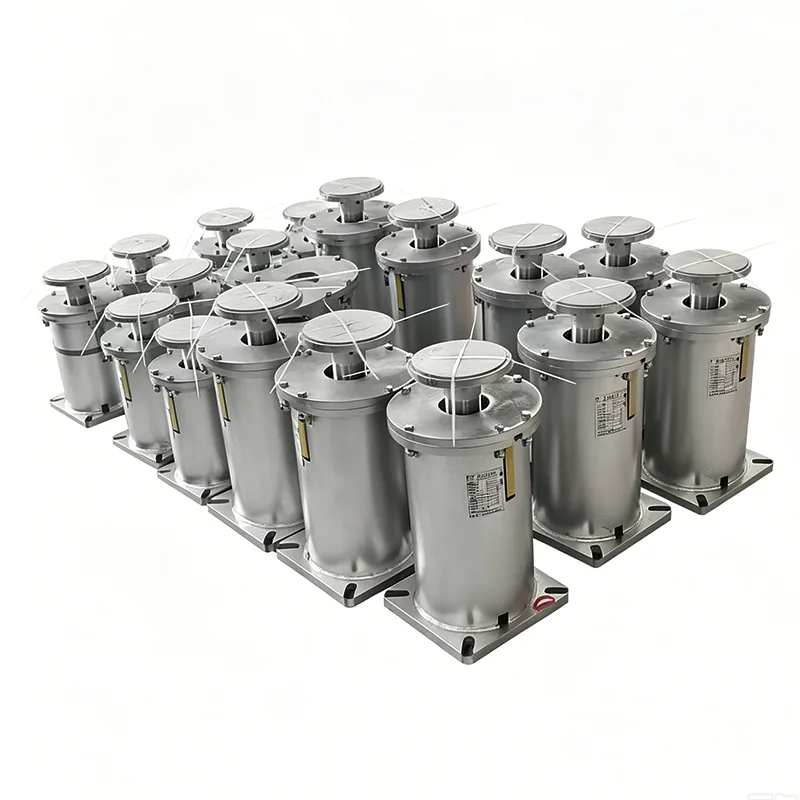
Table of Contents
- What Is a Variable Spring Support for Pipeline?
- Why Is Variable Spring Support Needed?
- How Does a Variable Spring Support Work?
- What Are the Key Technical Specifications?
- What Are the Main Components?
- What Are the Main Advantages?
- Where Is Variable Spring Support Used?
- How Should You Select the Right Spring Support?
- Why Does Manufacturing Quality Matter?
- How Does It Compare with Other Pipe Supports?
- Frequently Asked Questions
- Conclusion
What Is a Variable Spring Support for Pipeline?
A Variable Spring Support for Pipeline is an elastic mechanical support designed to carry the weight of piping while accommodating vertical displacement. Instead of completely restricting pipeline movement, it uses a spring mechanism to provide a supporting force that changes according to the spring deflection.
This design is particularly useful for industrial pipelines exposed to temperature fluctuations. For example, a steam pipeline may move vertically as it heats during operation and contracts after shutdown. A rigid support can restrict this movement and transfer unwanted forces to the piping system. A variable spring support provides controlled flexibility while continuing to carry the required load.
Tianshun has manufactured pipeline support products since 2012 and reports supplying more than 800,000 sets to industrial projects worldwide. Its variable spring support range includes multiple configurations, load capacities, travel options, and customized solutions for different engineering requirements.
Why Is Variable Spring Support Needed?
Pipeline engineering involves a balance between structural support and controlled movement. A pipeline must remain adequately supported without creating excessive secondary stress when its position changes during operation.
- Thermal movement: Accommodates controlled vertical displacement caused by heating and cooling.
- Load distribution: Maintains continuous support for pipes and associated components.
- Stress management: Helps reduce excessive forces transmitted to connected equipment.
- Vibration control: Provides an elastic support mechanism for operating piping systems.
- Equipment protection: Helps reduce unwanted loading around sensitive nozzles, flanges, and connections.
- Engineering flexibility: Different configurations can be selected according to installation conditions.
The correct selection should be based on actual engineering parameters rather than pipe diameter alone. Pipeline weight, operating temperature, vertical displacement, installation position, and available structural space all influence support selection.
How Does a Variable Spring Support Work?
The basic operating principle is based on the elastic behavior of a spring. When the pipeline moves vertically, the spring deflects and its supporting force changes correspondingly. This allows the support to follow pipeline movement while continuing to carry the load.
When a supported pipeline moves downward, the spring is compressed further and its supporting force increases. When the pipeline moves upward, spring compression decreases and the supporting force decreases. The resulting load variation is controlled within the designed operating range.
This characteristic makes variable spring supports suitable for systems where vertical thermal movement is expected but a certain amount of load variation is acceptable. For applications requiring extremely low supporting-force variation over a large travel range, engineers may instead consider a constant spring support.
What Are the Key Technical Specifications?
Technical specifications should be matched to the actual piping design. Tianshun provides multiple configurations intended to cover different industrial operating conditions.
| Specification | Typical Range or Option | Engineering Purpose |
|---|---|---|
| Support Configuration | Type A, B, C, D, E, F, G | Provides installation flexibility |
| Spring Size | No. 0–No. 22 | Matches different load requirements |
| Travel Range | 30, 60, 90, 120, 180 mm | Accommodates different vertical movements |
| Operating Load | 0.2–400 kN | Supports different pipeline loads |
| Movement Direction | Upward / Downward | Matches expected thermal displacement |
| Load Variability | ≤25% standard | Controls supporting-force variation |
| Housing Material | Carbon Steel Q235/Q355 | Provides structural strength |
| Surface Treatment | Hot-Dip Galvanized / Painted | Improves environmental durability |
Because operating conditions vary from one project to another, these values should be treated as selection references rather than a substitute for project-specific engineering calculations.
What Are the Main Components?
A variable spring support normally combines several mechanical components into one controlled support assembly. Each part contributes to reliable operation and installation.
- Helical spring: The primary elastic element that generates the supporting force.
- Upper and lower connecting plates: Connect the support with the pipeline assembly and structural elements.
- Load indicator: Provides information about spring position, load, or displacement.
- Locking device: Helps secure the spring during transportation, installation, and commissioning.
- Protective housing: Helps protect the spring mechanism against dust, rainwater, and environmental contaminants.
For demanding industrial projects, component selection should consider operating temperature, corrosion exposure, load conditions, maintenance requirements, and installation environment.
What Are the Main Advantages?
The major benefit of a Variable Spring Support for Pipeline is its ability to combine load support with controlled vertical movement. This makes it a practical choice for many thermally active piping systems.
- Controlled thermal displacement: The spring mechanism follows vertical pipe movement without completely restraining the pipeline.
- Predictable load variation: The supporting force changes according to spring deflection within the designed range.
- Wide specification selection: Different spring sizes and travel ranges allow engineers to match support capacity to project requirements.
- Flexible installation: Multiple support configurations can accommodate different structural arrangements.
- Maintenance convenience: Modular components can simplify inspection, replacement, and servicing.
- Customization: Special load, displacement, material, or dimensional requirements can be considered for non-standard projects.
Where Is Variable Spring Support Used?
Variable spring supports are commonly considered for industrial piping systems where vertical movement occurs during normal operation. Typical applications include:
- Steam and feedwater pipelines in thermal power plants
- Condensate and auxiliary piping systems
- Petrochemical process pipelines
- Heat-exchanger connection pipelines
- Oil and gas transportation systems
- Natural gas compressor stations and valve chambers
- Central heating networks
- Water and wastewater treatment facilities
- Shipboard and offshore piping systems
For example, in a high-temperature process line, repeated heating and cooling can cause the pipe elevation to change. Properly selected spring supports can accommodate this movement while maintaining support for the pipeline throughout the operating cycle.
How Should You Select the Right Spring Support?
Correct selection starts with accurate project data. Purchasing a spring support based only on nominal pipe size can result in an unsuitable load capacity or travel range.
Engineers and buyers should prepare the following information before requesting a quotation:
- Pipeline operating load
- Installed or cold load
- Operating or hot load
- Expected vertical displacement
- Movement direction
- Operating temperature
- Pipeline and insulation weight
- Installation location and available space
- Required material and surface treatment
- Applicable project standards and documentation
Providing complete information allows a professional variable spring support supplier to recommend a suitable configuration and avoid unnecessary redesign during installation.
Why Does Manufacturing Quality Matter?
Spring support performance depends heavily on spring accuracy, material quality, dimensional consistency, load calibration, and assembly quality. Manufacturing controls are therefore important when the support becomes part of a critical industrial piping system.
Tianshun states that its production process includes raw-material inspection, CNC spring manufacturing, spring performance testing, finished-product dimensional inspection, load calibration, and pre-delivery inspection. Its quality management system is ISO 9001:2015 certified, while the company states that its products comply with international standards including CE and API requirements.
For large industrial orders, buyers should also consider whether the manufacturer can provide appropriate inspection records, load data, material documentation, dimensional information, and technical support. These documents can make installation, commissioning, and future maintenance more traceable.
How Does It Compare with Other Pipe Supports?
Variable spring supports are not intended to replace every type of pipe support. The appropriate solution depends on the amount of pipeline movement and the acceptable supporting-force variation.
| Comparison Factor | Variable Spring Support | Rigid Pipe Support | Constant Spring Support |
|---|---|---|---|
| Vertical Movement | Accommodates controlled movement | Generally restricts movement | Accommodates larger movement |
| Load Variation | Moderate | Can change sharply with restraint conditions | Very low |
| Typical Application | General thermal displacement | Minimal displacement | Large displacement or sensitive systems |
| Structural Complexity | Medium | Low | Higher |
| Cost Level | Medium | Generally lower | Generally higher |
The key distinction is the relationship between movement and supporting force. A variable spring support allows the supporting force to change within a defined range, while a constant spring support is designed to maintain a much more consistent supporting force across its travel range.
Frequently Asked Questions
What is the main function of a Variable Spring Support for Pipeline?
Its main function is to support pipeline loads while allowing controlled vertical movement caused by thermal expansion, contraction, vibration, or changing operating conditions.
When should a variable spring support be used instead of a rigid support?
A variable spring support should be considered when the pipeline needs to move vertically during operation. A rigid support is generally more appropriate where movement is minimal and restraint is acceptable.
What is the difference between variable and constant spring supports?
A variable spring support changes its supporting force as the spring deflects. A constant spring support is designed to maintain a more nearly constant supporting force throughout its specified travel range, making it useful for applications where load variation must be minimized.
What information is required when ordering a variable spring support?
Important information normally includes operating load, cold load, hot load, vertical displacement, movement direction, operating temperature, installation conditions, available space, material requirements, and applicable engineering standards.
Can Tianshun provide customized spring support solutions?
Yes. Tianshun provides standardized products as well as customized solutions for special load capacities, travel requirements, dimensions, installation limitations, materials, and surface-treatment requirements.
Conclusion
A properly selected Variable Spring Support for Pipeline can provide a practical balance between pipeline load support and controlled thermal movement. By allowing vertical displacement while maintaining predictable supporting force, it can help manage piping stress and protect connected equipment in power generation, petrochemical, oil and gas, water treatment, and other industrial applications. The most suitable model should always be selected according to actual load, displacement, temperature, installation, and structural requirements. With standardized configurations, customization capabilities, quality-control procedures, and technical support, Tianshun can provide spring support solutions for a wide range of industrial piping projects. If you are planning a new pipeline system, replacing existing supports, or evaluating a customized spring support solution, contact us with your technical requirements to discuss the appropriate product configuration and quotation.