No.115 Yunhe North Road, Yangzhou City.Shuzhou, China +86-13032562550 jsts2021@yeah.net
Follow Us -
Products
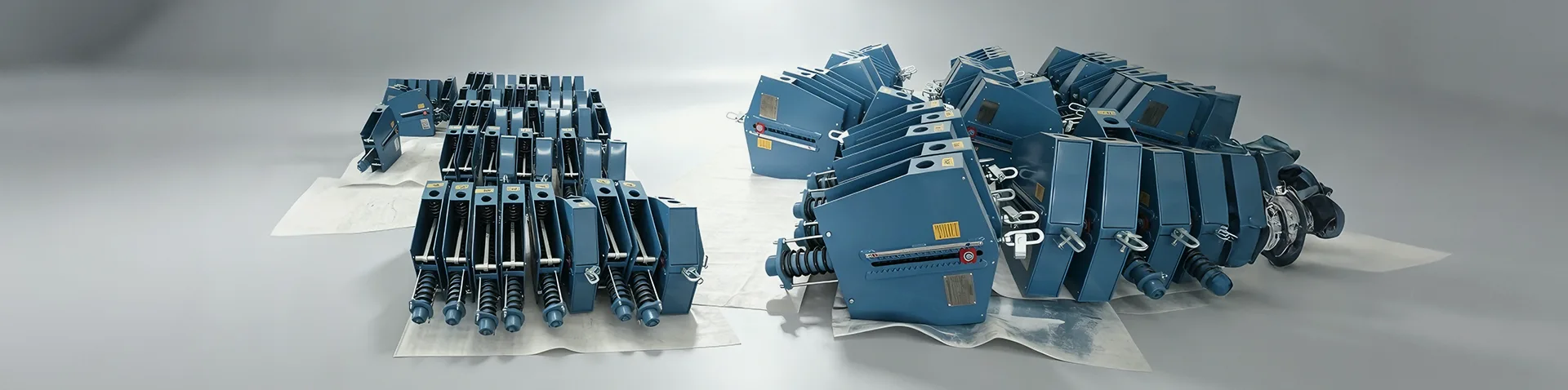
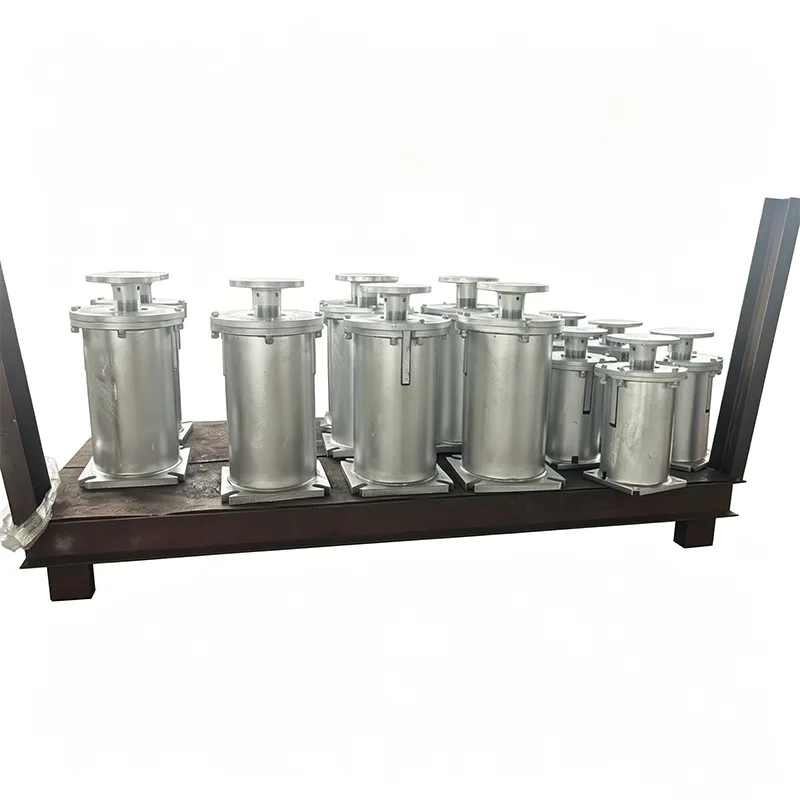
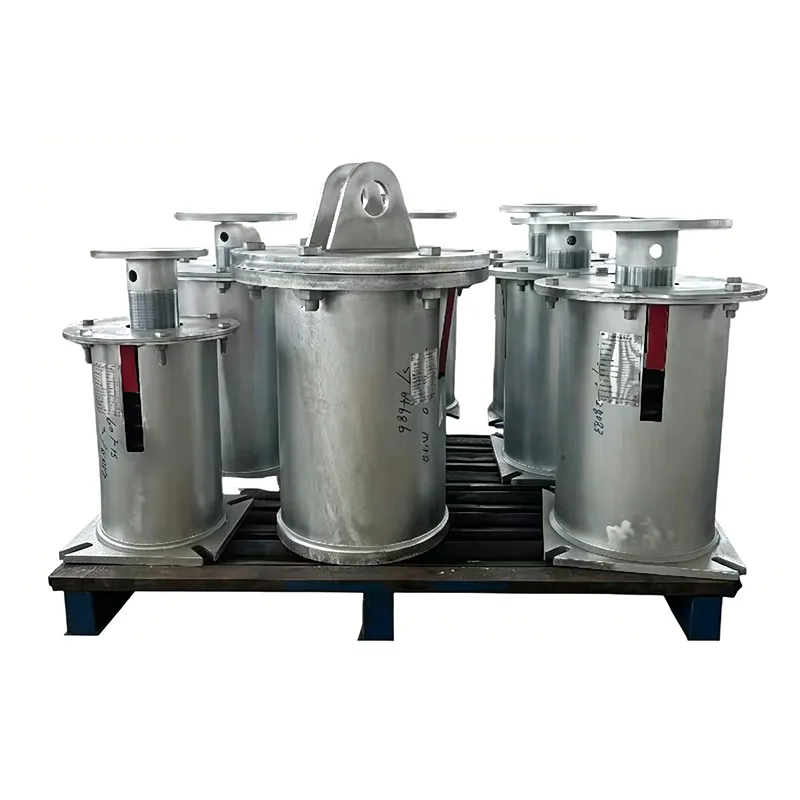
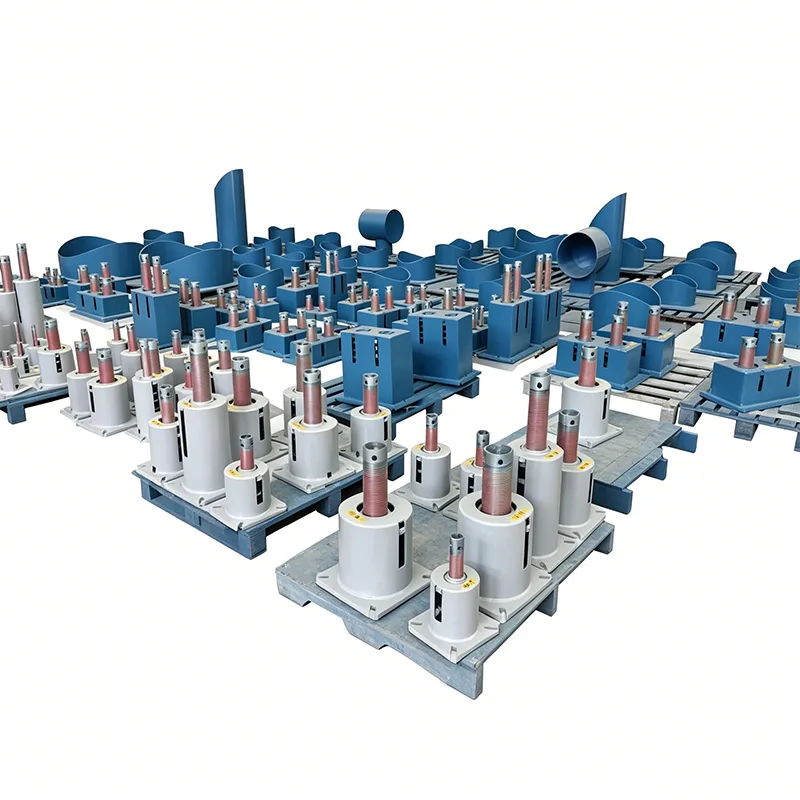
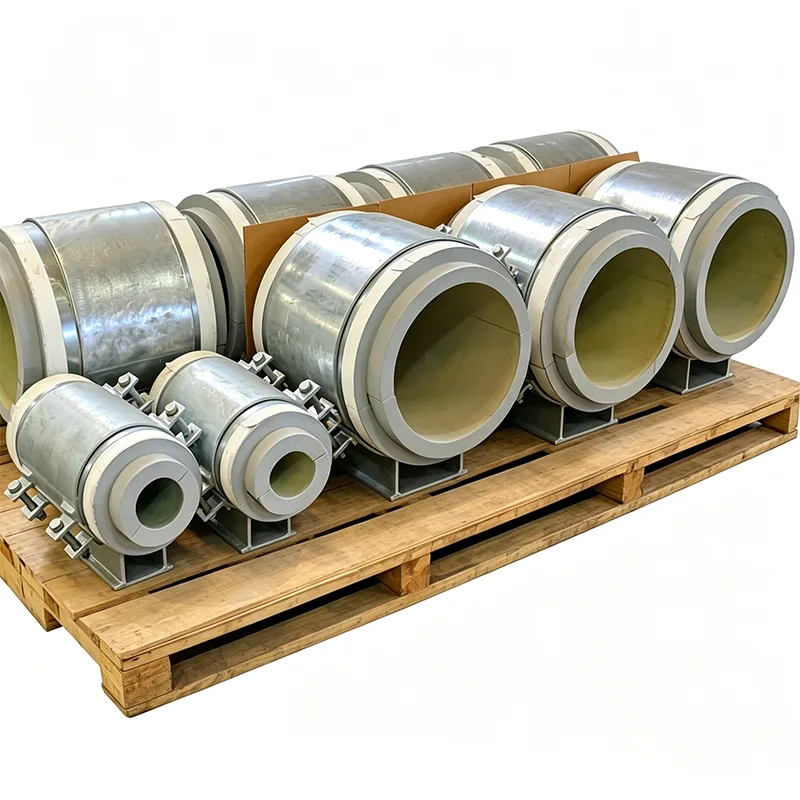
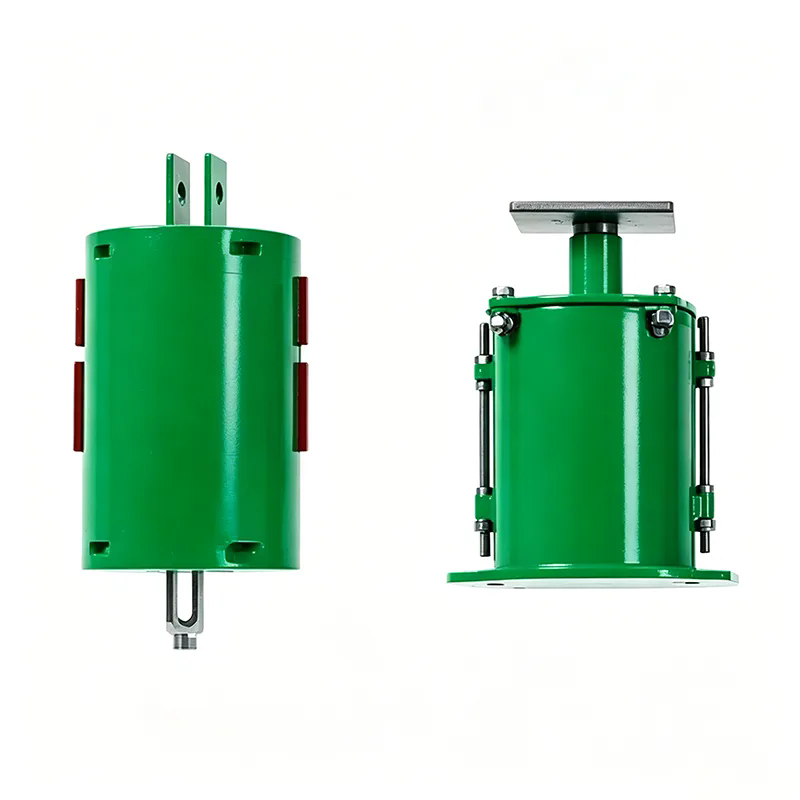
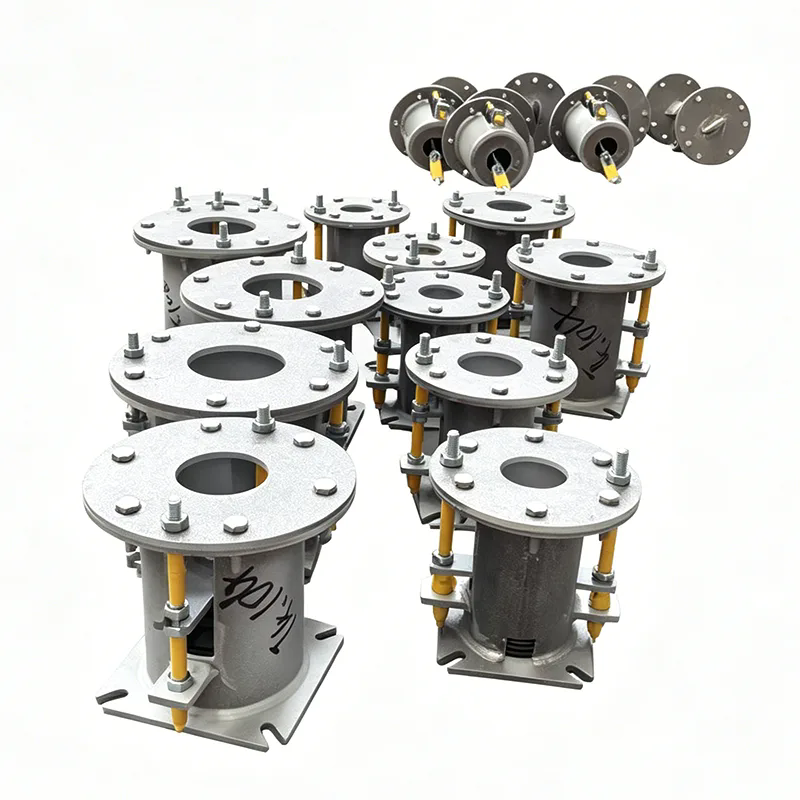
Galvanized Dual Pipe Support for Steel Beams
  • Galvanized Dual Pipe Support for Steel BeamsGalvanized Dual Pipe Support for Steel Beams
  • Galvanized Dual Pipe Support for Steel BeamsGalvanized Dual Pipe Support for Steel Beams

Galvanized Dual Pipe Support for Steel Beams

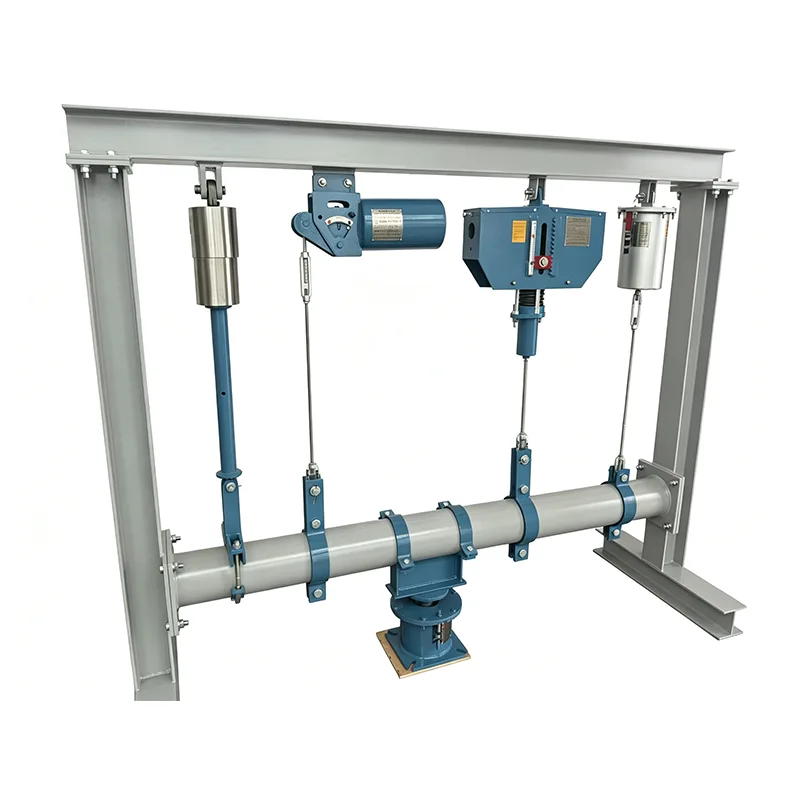
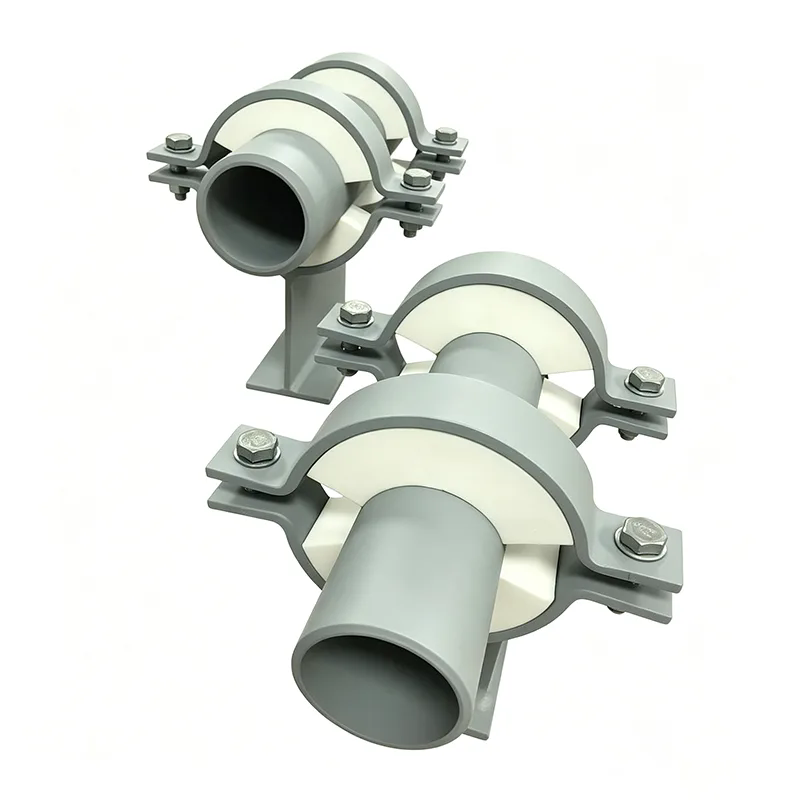
Eliminate field welding and corrosion hotspots in pipe racks, compressor stations, and boiler rooms. Yangzhou Tianshun’s galvanized dual pipe support for steel beams clamps directly to I-beams, carrying two lines with full hot-dip galvanizing for decades of durability. Request a quote, get a custom drawing, or visit our factory.

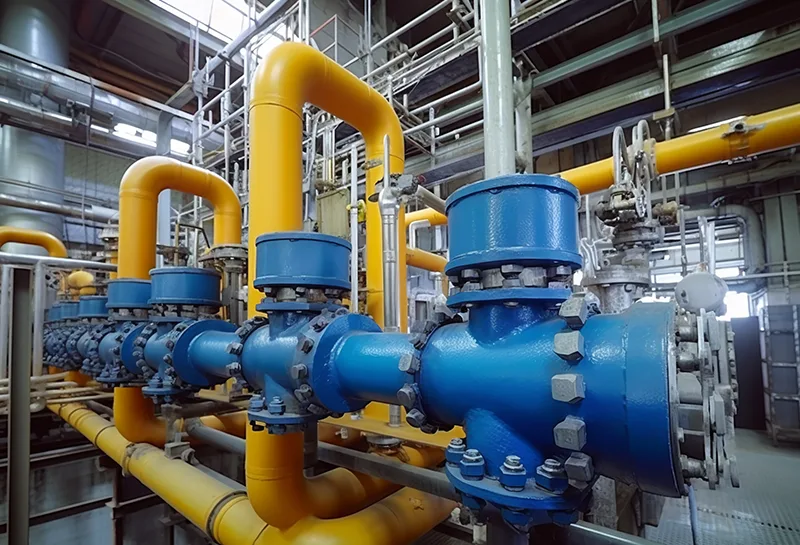
Not every pipe support needs to be an exotic alloy. In most industrial settings – think pipe racks, utility corridors, compressor stations, or commercial boiler rooms – what you really need is a support that goes in fast, holds the load without slipping, and doesn’t start rusting after two rainy seasons. That’s exactly the space our galvanized dual pipe support for steel beams occupies.


We started building these supports after repeatedly hearing from installation contractors that drilling or welding on existing structural steel was slowing them down and creating corrosion hotspots. Since 2012, we’ve refined the design based on that direct field input, shipping thousands of these units into projects across more than 45 countries.


What makes this support different on site

No welding, no drilling – true clamp-on installation

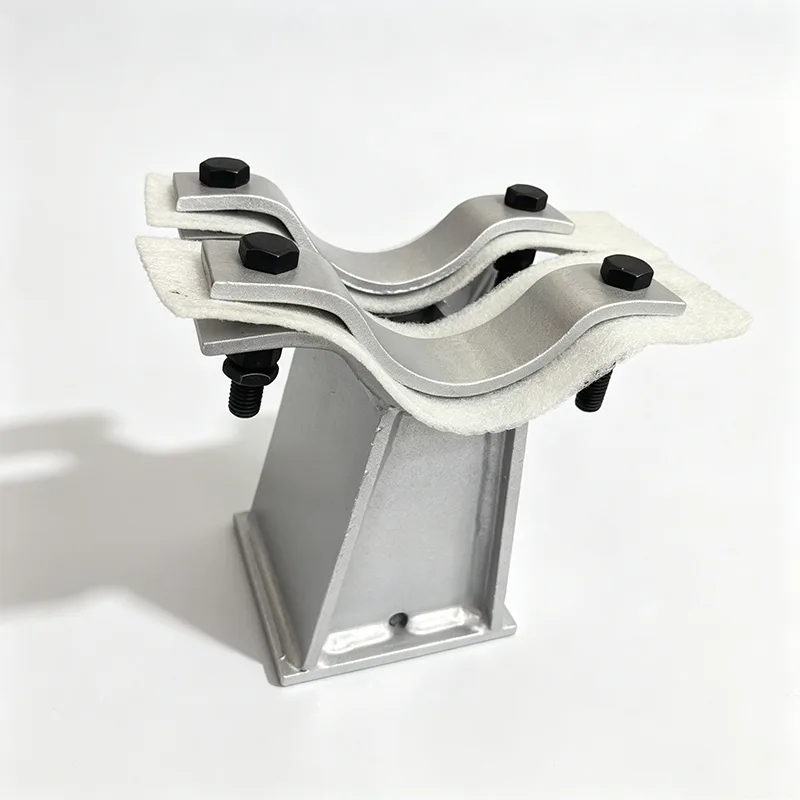
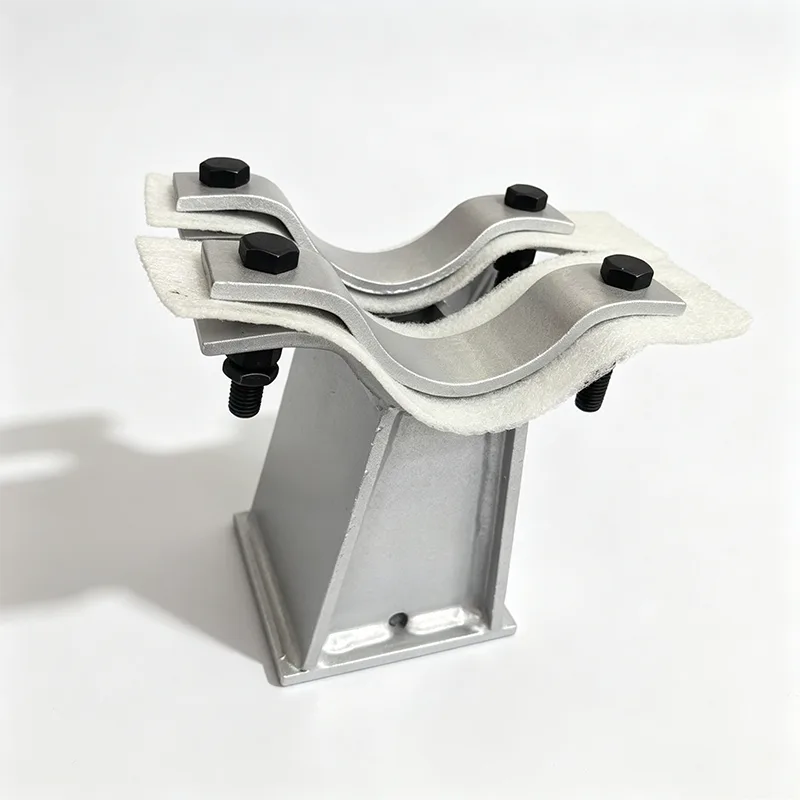
The galvanized dual pipe support for steel beams is engineered to attach directly to the top or bottom flange of an I-beam or H-beam using a robust mechanical clamping mechanism. Typically, this involves a pair of high-strength carbon steel clamp plates with hardened set bolts or a saddle-and-U-bolt arrangement, depending on the beam profile. The clamp is sized to match the beam flange width and thickness exactly, so when your crew torques it down, it doesn’t shift under thermal or vibratory loads. No field welding means no damage to the beam’s existing coating or fireproofing, and no hot work permits to slow things down.


Genuine hot-dip galvanizing, not just a zinc spray

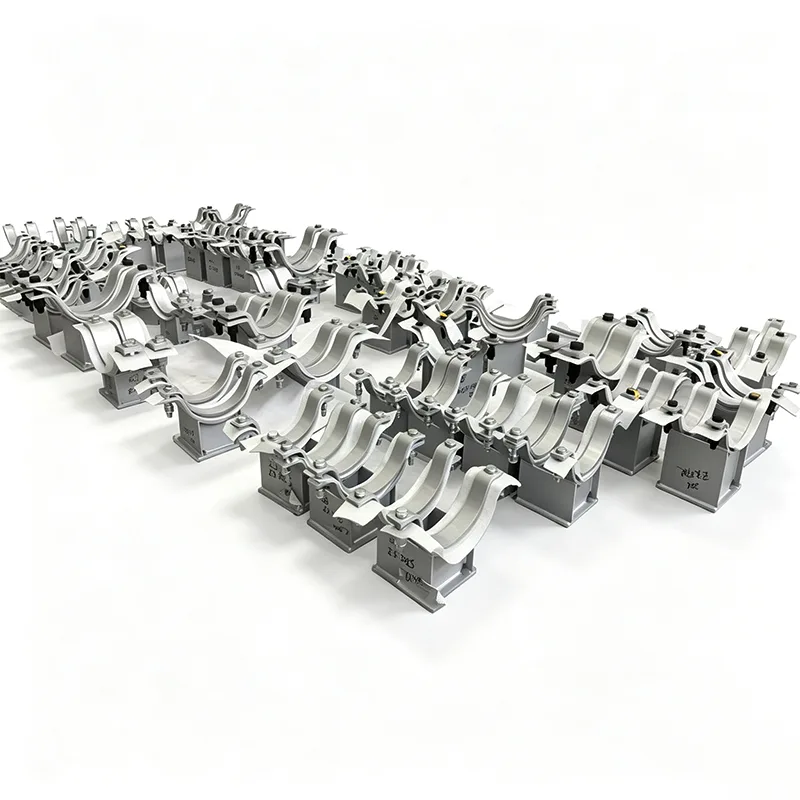
Every component – the dual pipe saddles, the clamp plates, the connecting struts, and all hardware – is fabricated first, then fully immersed in a hot-dip galvanizing bath in accordance with ISO 1461. For our standard sections (typically 6 mm and thicker), this delivers an average zinc coating thickness of 85 µm or more, with a metallurgically bonded iron-zinc alloy layer underneath. We don’t paint over it, and we don’t rely on electroplated finishes that can flake off under bolt torque. After galvanizing, threads are chased clean, and assemblies are trial-fitted to guarantee that site personnel won’t be fighting a bolt that won’t thread.


Dual pipe configuration that actually works

The “dual” part means one support beam clamp carries two separate pipe saddles, side-by-side or stacked. The saddles are profiled to match your two pipe diameters – often different sizes for supply and return lines, for example – and are spaced with enough clearance for insulation, expansion movement, and wrench access. We machine the saddle radius rather than pressing it, which gives a consistent full-contact bearing surface and prevents localised ovalisation of thin-wall pipe. Where thermal movement is a concern, we can integrate sliding elements or PTFE pads, just like on our more complex expansion supports.


The material and corrosion story

We build the primary structure from S235JR or S275JR structural carbon steel (equivalent to ASTM A36 or A572 Gr. 50), sourced from mills that provide full EN 10204 3.1 traceability. The bolting is typically Grade 8.8 carbon steel, also hot-dip galvanized, with a wax or anti-seize coating on the threads to prevent galling during torqueing.


A point we’re often asked about: will the galvanizing survive in a chemical plant or near the coast? Hot-dip galvanized coatings have a documented service life of 30–50 years in many atmospheric environments, even in moderately aggressive industrial settings. We can provide the zinc coating weight certificate and thickness measurements from our in-house magnetic gauging for every batch. If your environment is more aggressive, we may recommend upgrading to stainless steel saddles – but the honest truth from our project experience is that, for most utility piping on structural steel, galvanized is the right technical choice and the most cost-effective one.


Load and engineering support

While a dual pipe support looks simple, the combined loads on the beam clamp can be significant. We verify each assembly for:

Vertical dead weight of both pipes, full of water or product

Lateral thrust from thermal expansion, wind, or small-bore vibration

Clamp slip resistance based on bolt preload and friction coefficient

Bending stress in the saddle struts and local flange bending in the beam

Standard units are rated for vertical loads from 2 kN up to 60 kN per pipe saddle, with larger capacities possible on engineered orders. We’ll provide a load rating table or a project-specific calculation sheet when you send us your pipe stress data.


Applications where these supports earn their keep

We see these galvanized dual supports go into:

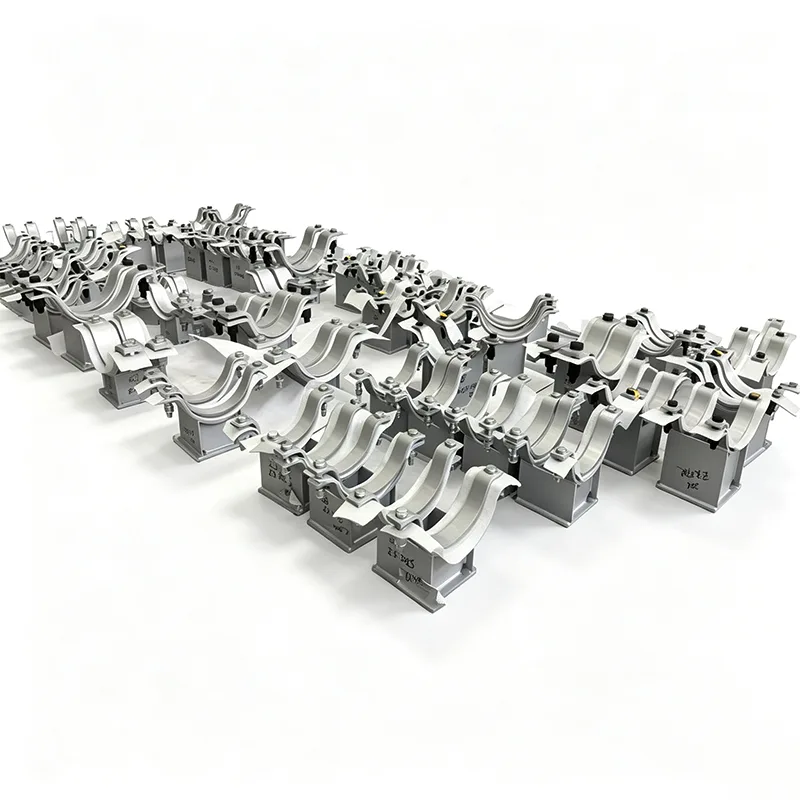
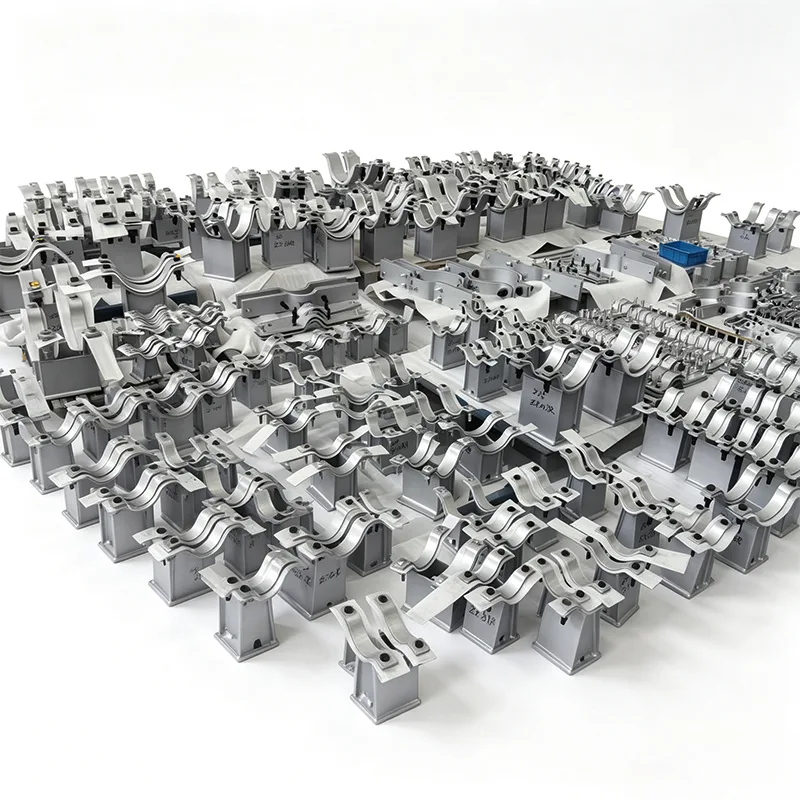
Above-ground pipe racks in chemical plants and refineries, where hundreds of identical beam-mounted supports are needed and installation speed directly impacts project schedule

Power plant BOP (balance of plant) piping – CW, firewater, instrument air, and other utility lines that run along structural steel

Large commercial HVAC systems, where hot-dip galvanizing provides a clean, industrial appearance that’s often specified for exposed mechanical rooms

Water and wastewater treatment plants, both indoors and outdoors, where a galvanized support handles humidity and occasional chemical fumes far better than a painted one


How we make sure every lot is right

Our shop process includes:

Pre-galvanizing inspection of all fabricated parts for weld quality and dimensional accuracy

Hot-dip galvanizing at certified facilities, with bath chemistry and immersion time controlled per lot

Post-galvanizing inspection: visual check for uniformity, no bare spots or excessive dross inclusions; zinc thickness measured with a calibrated digital gauge at multiple points per part

Trial assembly of a sample from each batch to verify bolt fit and saddle alignment

Packaging with protective separation to prevent zinc-on-zinc chafing during transit

All QC records are compiled and provided with the shipment, along with material certificates and a declaration of conformity.


Customization is standard practice

In our experience, very few dual pipe supports are ordered “off the shelf.” You may need a clamp that fits a beam flange thickness we haven’t stocked, or one saddle at 6" and the other at 2", or an extended height to clear existing insulation. Our team is used to taking a dimensioned sketch or a beam and pipe schedule and turning it into a fabricated part within days. The engineering review and drawing turnaround typically takes 2–3 working days for a new configuration.


FAQ

1. Is the galvanizing hot-dip or electroplated, and how thick is the coating?

We use only hot-dip galvanizing to ISO 1461. After fabrication, the entire assembly is immersed in molten zinc, forming a metallurgically bonded iron-zinc alloy layer covered by pure zinc. For our standard material thicknesses (≥6 mm), you can expect an average coating thickness of 85 µm or greater. This is a fundamentally different process from electroplating, which deposits a thin, purely cosmetic layer that offers far less corrosion resistance. We measure coating thickness at multiple points on every batch and record the values on the inspection report.


2. How do you make sure the beam clamp won’t slip under load or vibration?

The clamp is designed so that a specific torque on the set bolts generates a predictable clamping force, which we convert into slip resistance using a conservative friction coefficient (typically 0.3 for galvanized steel on steel). Our load tables specify the torque value required to achieve the rated capacity, and we verify the clamp’s slip resistance through physical load testing on actual beam sections. For critical applications, we can supply torque charts and recommend periodic re-torquing as part of routine maintenance.


3. What types of steel beams can this support fit?

Our standard clamp design accommodates European IPE, HEA, HEB sections and American wide-flange (W) and S-shapes. We stock clamp kits for flange widths from approximately 100 mm to 300 mm and flange thicknesses up to 30 mm. Outside that range, we produce custom clamp plates – simply send us your beam section designation and we’ll design the clamp to match within 2–3 working days.


4. Can the two pipes have different diameters, and how is the spacing determined?

Absolutely. We machine each saddle to match its specific pipe outside diameter, so a 6" process line and a 2" instrument air line can share the same support. The saddle center-to-center spacing is designed based on your supplied dimensions, allowing enough clearance for insulation, thermal expansion, and bolt access. If you’re unsure about spacing, our engineers will propose a minimum clearance based on the pipe specifications you provide.


5. Will clamping onto the beam damage its paint or fireproofing?

The clamp exerts high contact pressure locally, but the load is spread over the full contact area of the clamp plate. We typically recommend the beam coating be fully cured before installation. Minor indentation of soft paint is possible but does not compromise the beam’s structural integrity. For fireproofing, the clamp is designed to seat directly on the steel flange, so any fireproofing material should be terminated or stripped locally around the clamp area – our drawing notes will make this clear.


6. Do you provide load rating calculations, or just a catalogue capacity?

We can do both. Our standard catalogue gives conservative ratings for common beam sizes and pipe combinations. For project-specific configurations, we’ll run a full calculation checking clamp slip resistance, bolt tension, saddle bending stress, and beam flange local bending. The calculation sheet is part of the submittal documentation we normally provide to EPCs and consulting engineers.


A practical note from the field

We’ve learned over the years that on large pipe racks, the difference between a smooth installation and a frustrating one often comes down to the clamp adjustability. That’s why our beam clamps incorporate a captive bolt arrangement – nothing falls off the beam when your fitter is working overhead. It’s a small detail, but when you multiply it by 500 supports, it becomes real money in saved labour. That’s the kind of feedback we build back into the product.


If you have a beam section, two pipe sizes, and a load, we can have a quotation and a concept drawing ready for you within 24 hours. You’re also welcome to visit our Yangzhou factory and see the galvanizing quality and assembly process firsthand – we’ve found that once an engineer sees the coating thickness and fit-up consistency, the decision becomes easy.

Galvanized Dual Pipe Support for Steel BeamsGalvanized Dual Pipe Support for Steel Beams


Hot Tags: Galvanized Dual Pipe Support for Steel Beams, Manufacturer, Supplier, Factory
Send Inquiry
Contact Info

If you have any enquiry about quotation or cooperation, please feel free to email us at jsts2021@yeah.net or use the following inquiry form.Our sales representative will contact you within 24 hours. Thank you for your interest in our products.

X
We use cookies to offer you a better browsing experience, analyze site traffic and personalize content. By using this site, you agree to our use of cookies.Privacy Policy
RejectAccept