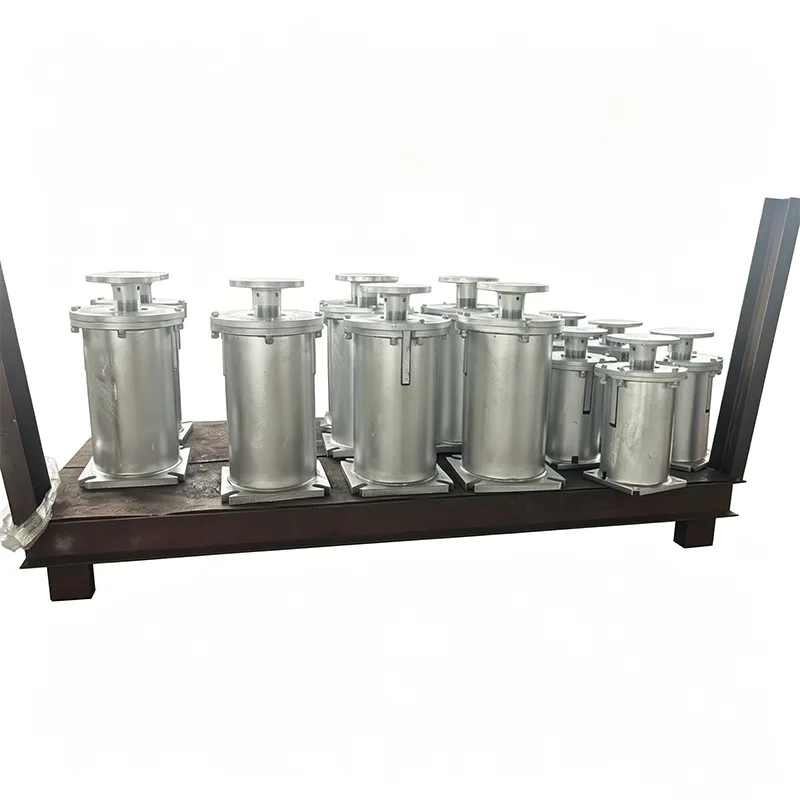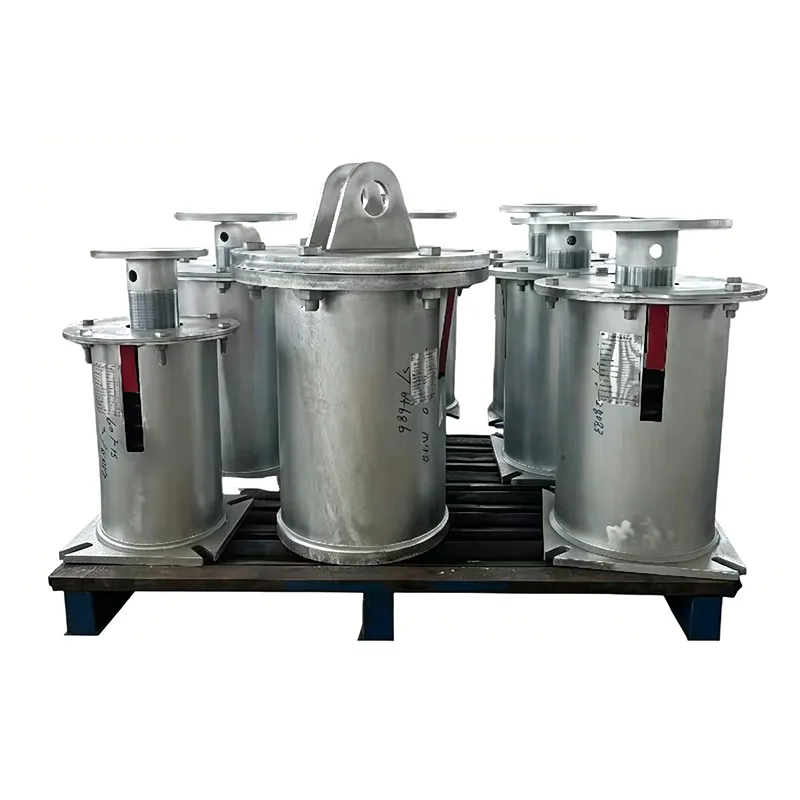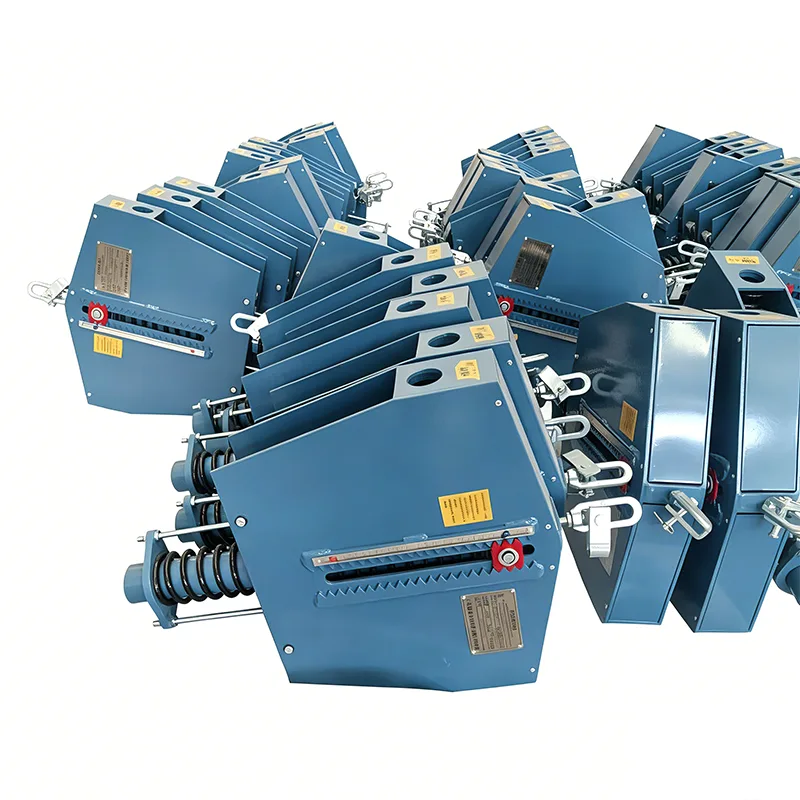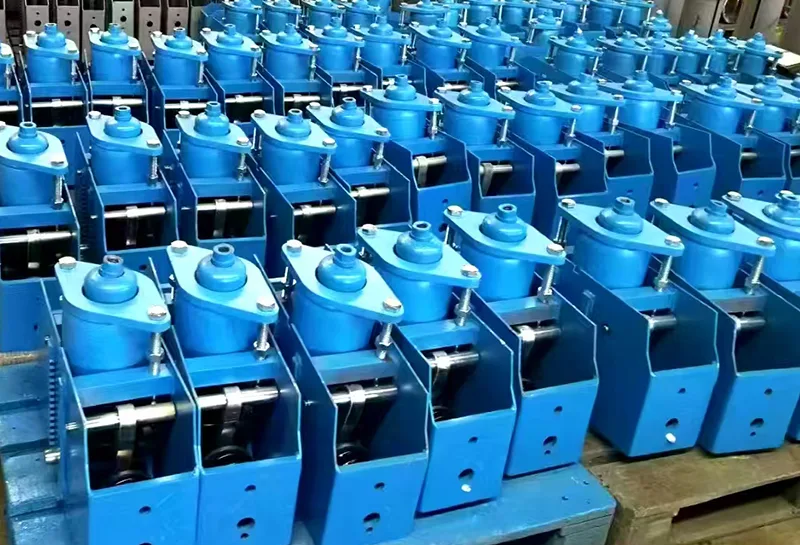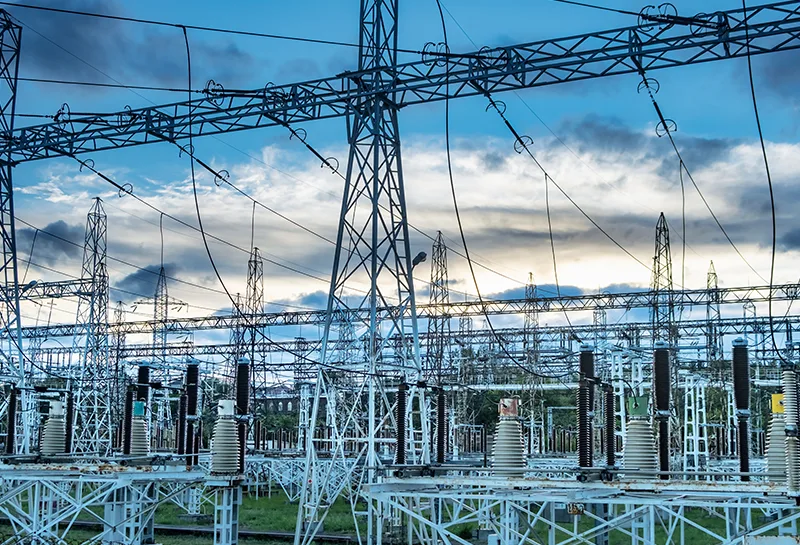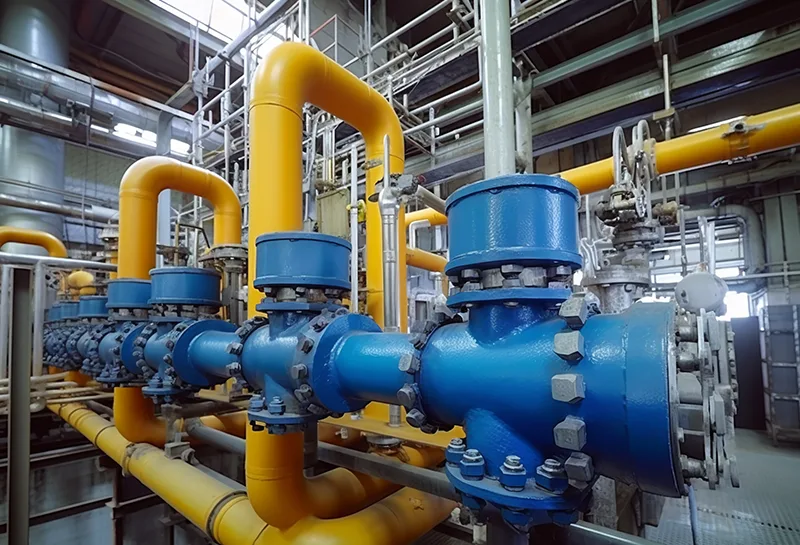
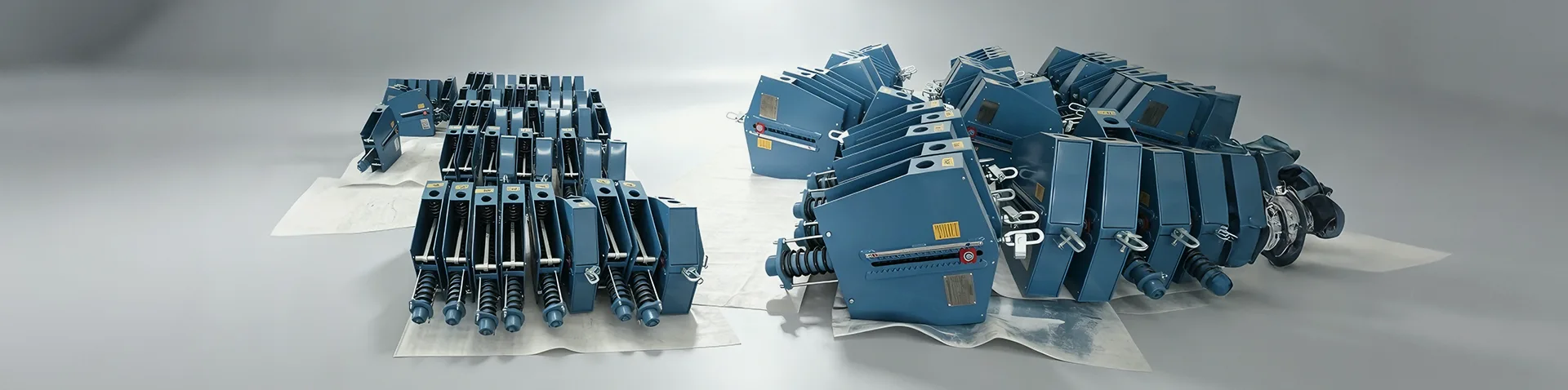
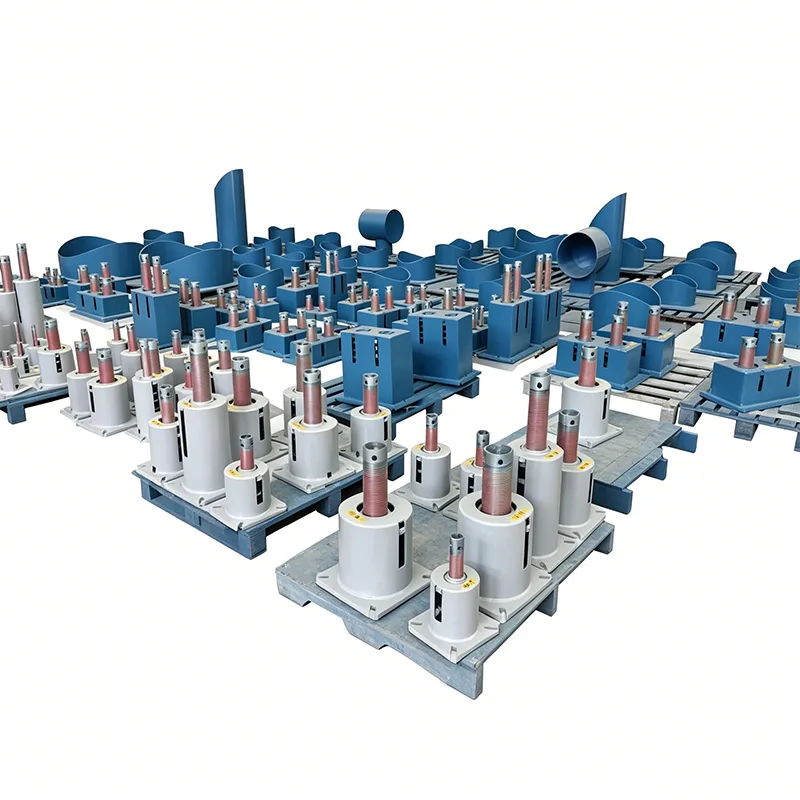
Most people call them spring hangers, some call them spring supports, and in the field, you'll hear both. At Tianshun, we don't get hung up on the name — what matters is that when a pipe needs to hang from a structural beam and still move freely with thermal cycles, the assembly works. We've been building these for power stations, refinery pipe racks, and processing lines for 14 years, and our spring hangers are holding up pipe in over 45 countries right now.
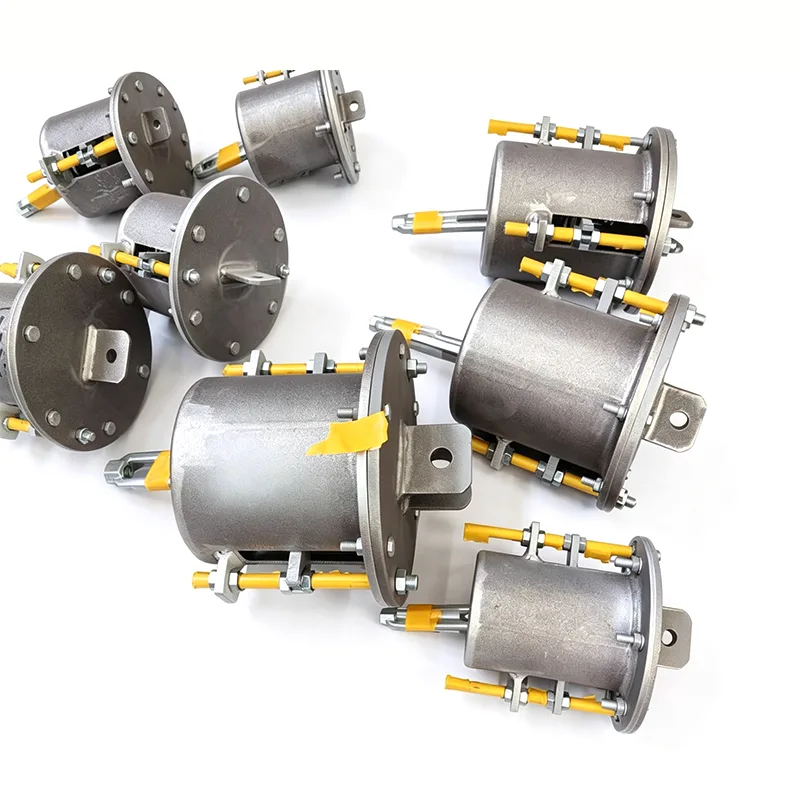
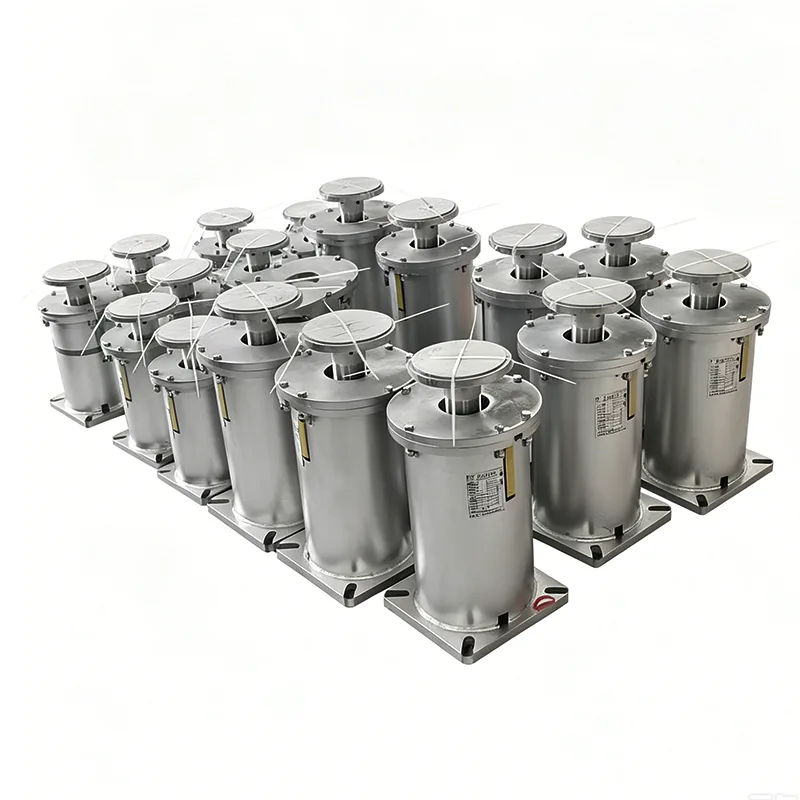
A spring hanger does two things at once: it carries the full weight of the pipe from above, and it travels with the pipe as it expands or contracts. Unlike a rigid hanger rod, which just hangs there, a spring hanger stays engaged through the full movement range. This is especially important on long straight runs of elevated pipe where thermal growth can add up fast. For lines where the load must stay nearly constant regardless of how far the pipe moves, many projects combine these with constant spring supports on the same rack. For less critical lines, standard variable spring supports often do the job — same spring hanger housing style, just a different internal spring arrangement.
| Variable Spring Hanger Spec Table | Example |
|---|---|
| Hanger Type / Configuration | Type A, B, C, D, E, F, G |
| Spring Size / No. | No. 0 - No. 22 |
| Travel Range | 30mm, 60mm, 90mm, 120mm, 180mm |
| Operating Load | 0.2 kN - 400 kN |
| Installed Load (Cold Load) | kN / kgf |
| Operating Load (Hot Load) | kN / kgf |
| Movement Direction | Upward / Downward |
| Variability (%) | ≤ 25% (Standard) |
| Surface Treatment | Hot Dip Galv/ Painted |
| Housing Material | Carbon Steel (Q235/Q355) |
| Constant Spring Hanger Spec Table | Example |
|---|---|
| Model / Series | PH, LH, CA, CS, TH |
| Load Capacity (Operating) | 0.1 kN - 500 kN |
| Total Travel | 50mm, 100mm, 200mm, 400mm |
| Actual Travel | Up to 600mm |
| Load Deviation (Tolerance) | ±5% (Standard) / ±3% (High Prec.) |
| Installation Position | Horizontal / Vertical |
| Housing Finish | Hot Dip Galvanized / Epoxy |
| Operating Temp. | -20°C to +80°C (Ambient) |
| Spring Coil Material | 60Si2Mn / 50CrVA |
| Load Adjustment Range | ±10% (Field Adjusting) |
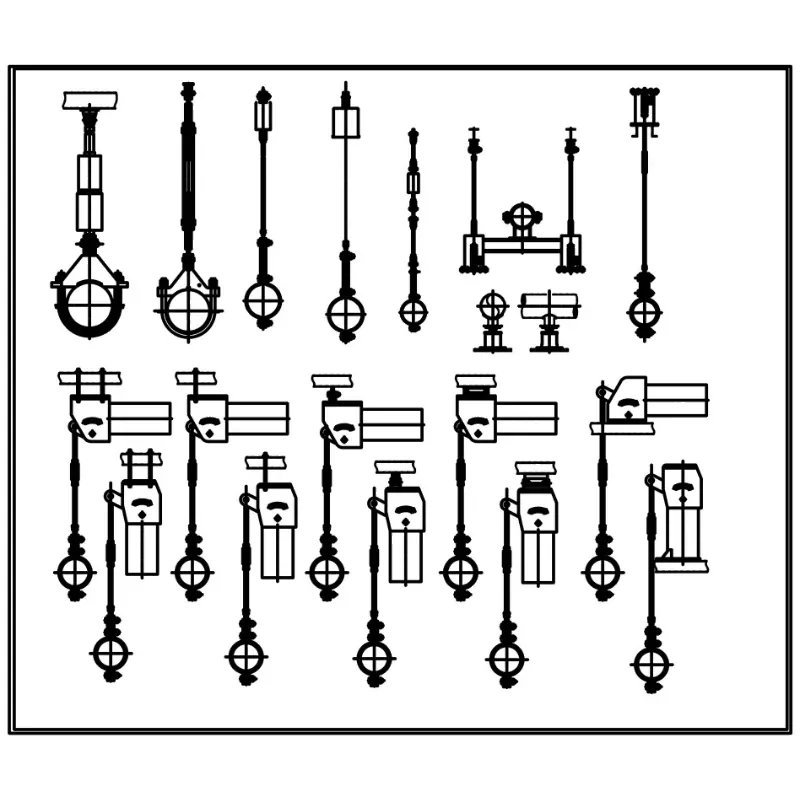
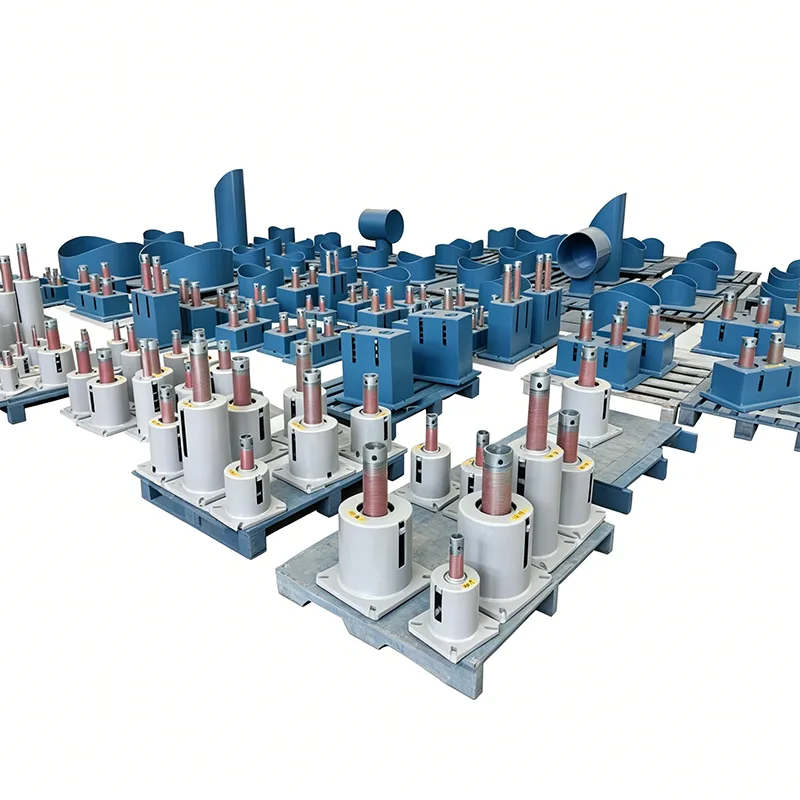
A spring hanger doesn't work alone. On a typical pipe rack, you'll see spring hangers working alongside rigid pipe supports and pipe shoes that handle the weight at lower elevations. At high-temperature tie-in points or near equipment connections, hangers are often specified because they free up floor space and give the pipe room to move in multiple directions. When the line is cold or chilled, pairing the hanger with pre-insulated pipe supports at the clamp point prevents icing and keeps the insulation system intact. A lot of project specs also refer to the whole assembly simply as part of a spring supports package — the difference is really just top‑mounted versus bottom‑mounted.
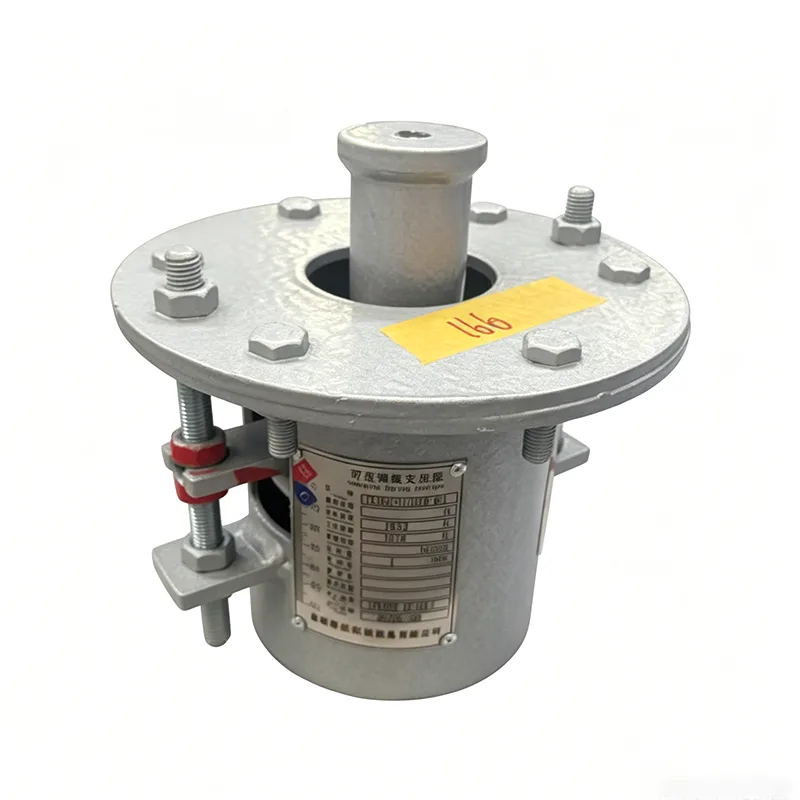
A spring hanger isn't just a spring in a can. It's an assembly. Here's what we typically use:
| Part | Material Options | Notes |
|---|---|---|
| Spring element | 60Si2MnA / 50CrVA spring steel | Shot-peened, preset, load tested |
| Housing / casing | Q235B carbon steel, or SS304 | Painted or hot-dip galvanized |
| Top connection (eye nut / clevis) | 45# forged steel, F304 stainless | Matched to rod size |
| Hanger rod & turnbuckle | 45# steel, 304, or 316 | Threaded full length, zinc plated or bare |
| Bottom connection / pipe clamp | Carbon steel A105, SS304 | Two-bolt or three-bolt clamp, lined if insulated |
| Travel indicator / scale | Aluminum or stainless | Laser-etched, riveted to casing |
Every material batch has mill test reports, and we trace it back to the heat number. If your spec requires 3.2 certification (EN 10204), we've got it covered.
We manufacture spring hangers to meet:
ANSI/MSS SP-58 — Pipe Supports and Hangers
ASME B31.3 — Process Piping
GB/T 17116
DIN, JIS, or project-specific specs when required
Our factory operates under ISO 9001:2015, which means documented procedures at every step, from incoming raw material to final load testing.
Q1: When would I use a spring hanger instead of a base-mounted spring support?
When the pipe runs at elevation and there's no steel platform underneath to sit on. Pipe racks, overhead lines, and boiler penthouse piping are classic cases. Hangers attach to overhead steel and drop down to the pipe. It's about where your support point is, not about the spring mechanism.
Q2: Can I get the same load range in a hanger as I can in a base spring?
Generally, yes. Our variable spring hangers cover a few hundred kilograms up to 20+ tons per hanger. Constant spring hangers go higher. If you need something really heavy — say 40 tons on one rod — we can build it, but it makes more sense to talk to us first so we can look at load distribution options.
Q3: How do you test spring hangers?
We set the spring to the specified load, run it through its full travel, and check that the force stays within tolerance. For constant spring hangers, we plot the load-deflection curve and confirm it's flat within the design margin. Travel scales are verified, and all connections are inspected for thread quality and weld integrity.
Q4: What's your standard lead time?
For standard hanger assemblies with common load ranges, 20–25 days. If you need 304 stainless hardware, special coatings, or non-standard travel, figure 30–40 days. Large project packages get a dedicated production schedule, and we'll give you a firm delivery commitment with the quotation.
Q5: How are they shipped?
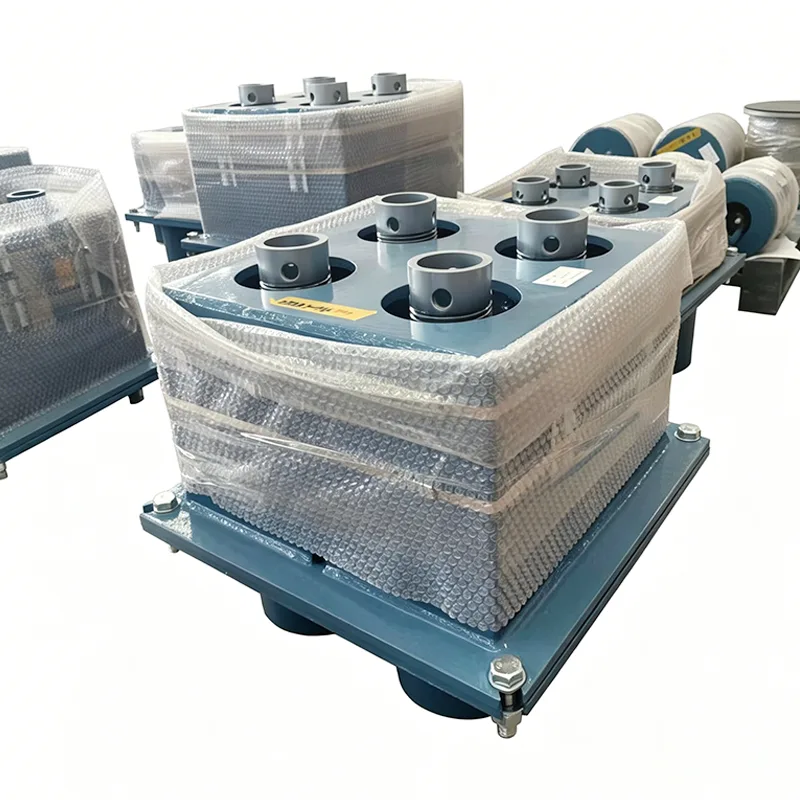
Hanger assemblies are broken down into manageable pieces — spring housing, rod set, and clamp — packed together in wooden crates with waterproof lining. Each crate is labeled with the hanger tag number so the site crew can match them to the pipe support drawing straight away.
A lot of customers think spring hangers only come as standard catalogue items. That's not how we work. Most of the spring hangers we ship have at least one custom detail, whether it's:
Extended travel to accommodate large seismic movement
Custom rod lengths for specific overhead clearances
Stainless steel construction for coastal or corrosive environments
High-temperature spring material for lines running above 400°C
Special paint systems — epoxy, zinc-rich primer, or marine coating
You don't need to fit your pipe to our hanger. We'll build the hanger to your pipe.
Some practical points worth knowing if you're writing a pipe support specification:
On long straight runs, don't fix every support point. Let the spring hangers absorb the growth, and place anchors strategically. We can help lay out which hangers go where if your pipe stress engineer provides the movement data.
If the pipe is insulated, specify the clamp type and lining up front. Retrofitting insulation at a hanger point after installation is messy and expensive.
For outdoor installations in humid or coastal areas, specify stainless hardware or at least hot-dip galvanizing. Carbon steel rods look fine on day one but won't look that way after two rainy seasons.
We're not a trading company that puts someone else's parts in our box. We make these in our own factory in Yangzhou. We buy the steel, machine the components, wind and test the springs, assemble the units, paint them, pack them, and ship them. There's no middle step where quality gets lost.
Over the years, we've supplied complete spring hanger packages for projects that have run without issue through startup and years of operation. That's why over 70% of our customers come back — not because we're the cheapest (we're fair, not cheap), but because the hangers show up on time, fit the drawings, and keep doing their job.
If you're pricing a project that calls for spring hangers, constant spring supports, or pre-insulated pipe shoes, send us your data sheets or mark-ups. We'll work up a proper quotation — factory direct, no hidden markups — and if you want, we'll walk you through the design logic behind our selection. You're also welcome to visit the factory and see the production line for yourself.
Copyright © 2026 Yangzhou Tianshun Pipeline Technology Co., Ltd. All Rights Reserved.