No.115 Yunhe North Road, Yangzhou City, Jiangsu Province, China +86-13032562550 jsts2021@yeah.net
Follow Us -
News

How Can a Heavy Duty Constant Spring Hanger Protect Critical Industrial Piping Systems

2026-10-28 0 Leave me a message

Article Summary: A Heavy Duty Constant Spring Hanger plays a vital role in supporting industrial pipelines that experience substantial vertical displacement caused by thermal expansion and contraction. Tianshun provides engineered constant spring hanger solutions designed to maintain nearly uniform supporting loads throughout the working travel range. By reducing load fluctuations at critical support points, these systems help protect connected equipment, control pipeline stress, and improve operational reliability in power generation, petrochemical processing, oil and gas, and other demanding industrial applications. Understanding load capacity, travel range, installation configuration, and quality requirements helps engineers select the right support for long-term performance.

Heavy Duty Constant Spring Hanger

Table of Contents

What Is a Heavy Duty Constant Spring Hanger?

How Does the Working Mechanism Operate?

Key Benefits for Industrial Pipelines

Technical Specifications and Selection

Constant vs. Variable Spring Hangers

Major Industrial Applications

Installation and Maintenance Best Practices

Quality Control and Engineering Compliance

Frequently Asked Questions

Conclusion


What Is a Heavy Duty Constant Spring Hanger?

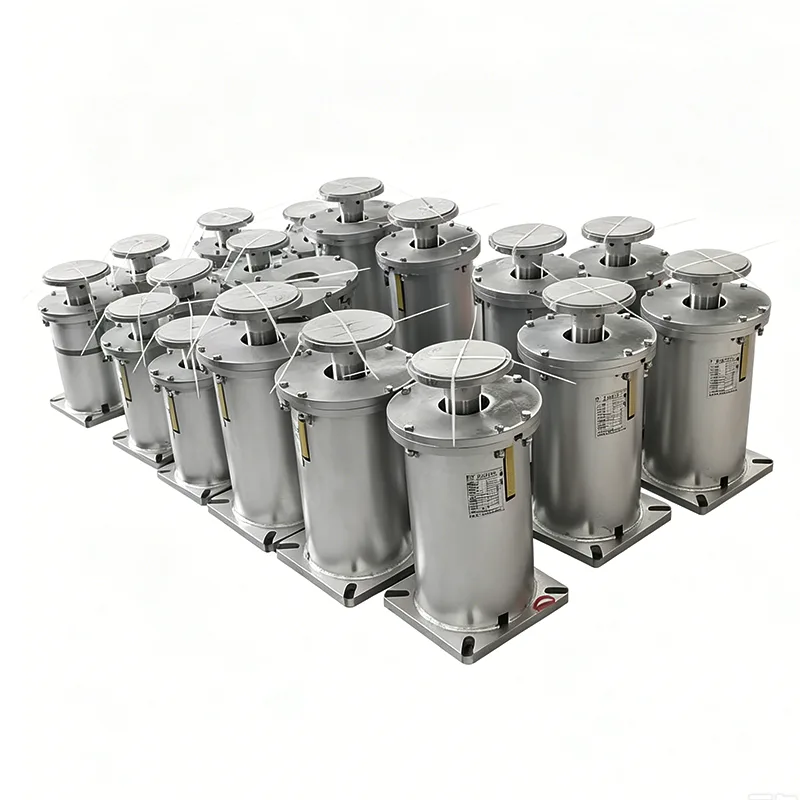
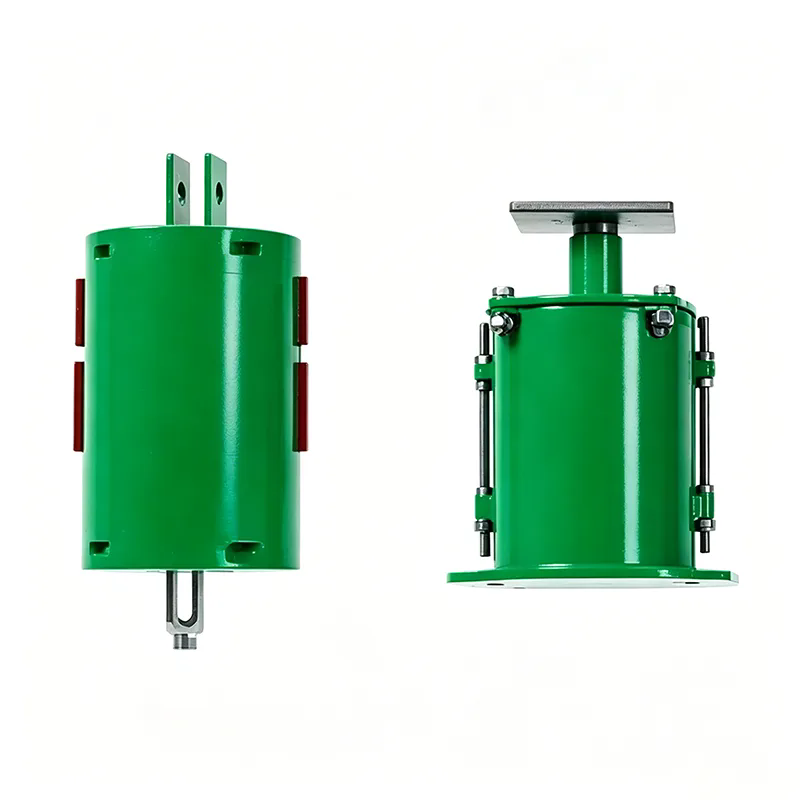
A Heavy Duty Constant Spring Hanger is a mechanical pipe support designed to carry a specified load while accommodating significant vertical movement with minimal variation in supporting force. Unlike rigid supports, which restrict movement, or conventional variable spring hangers, which change their supporting force as the spring deflects, a constant spring hanger is engineered to maintain a nearly uniform load throughout its designated travel range.

This characteristic is particularly important in large industrial piping systems. When steam, hot water, or high-temperature process fluids pass through a pipeline, temperature changes cause the pipe to expand or contract. The resulting movement can place additional stress on support structures, pipe connections, valves, pumps, and other connected equipment if the support arrangement is not properly designed.

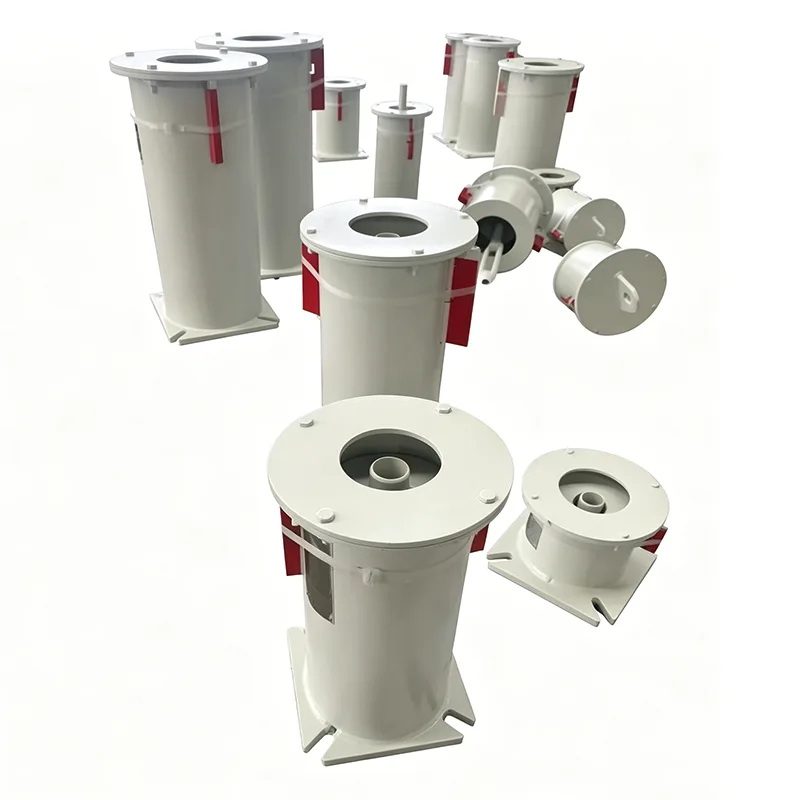
Tianshun, a specialized manufacturer of pipeline support equipment, supplies constant spring hanger solutions for demanding industrial environments. Its product range includes PH, LH, CA, CS, and TH series, with configurations selected according to load requirements, displacement, mounting conditions, and project specifications.

For engineers and EPC contractors, the objective is not simply to suspend a heavy pipeline. It is to maintain predictable support conditions while allowing the pipeline to move safely during normal operating cycles.


How Does the Working Mechanism Operate?

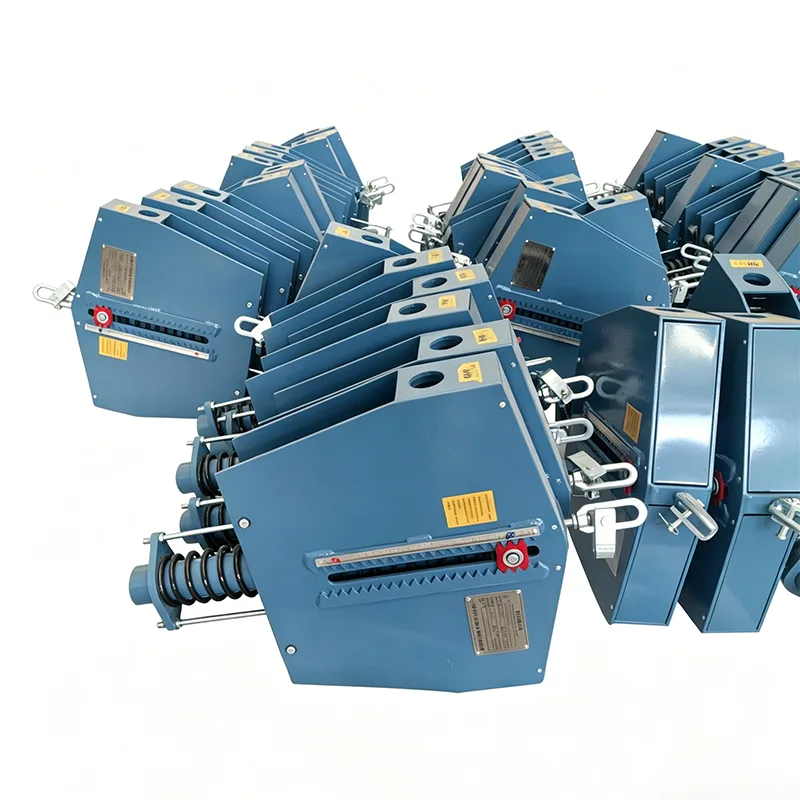
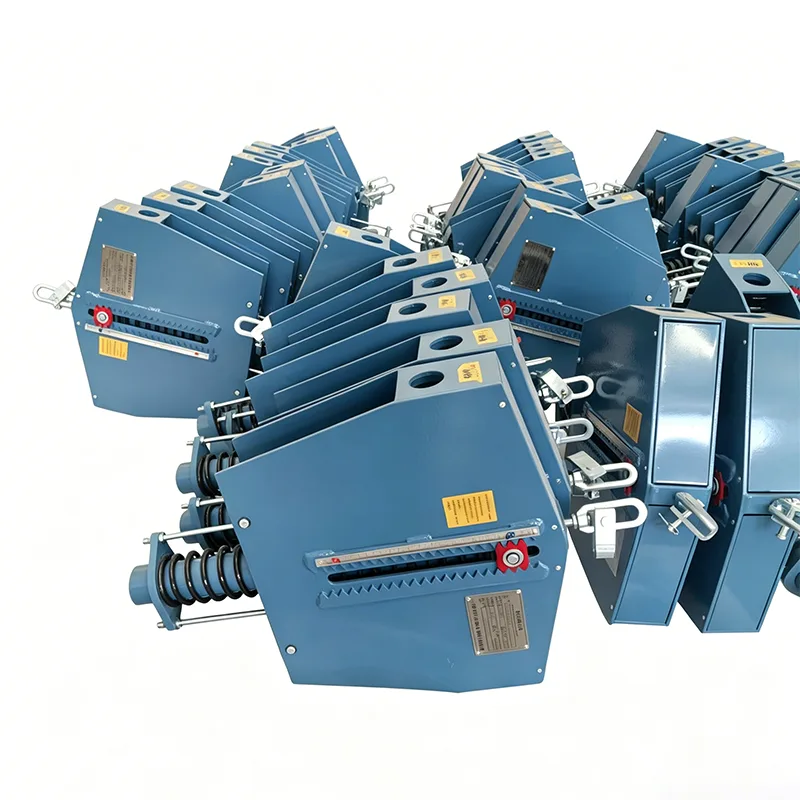
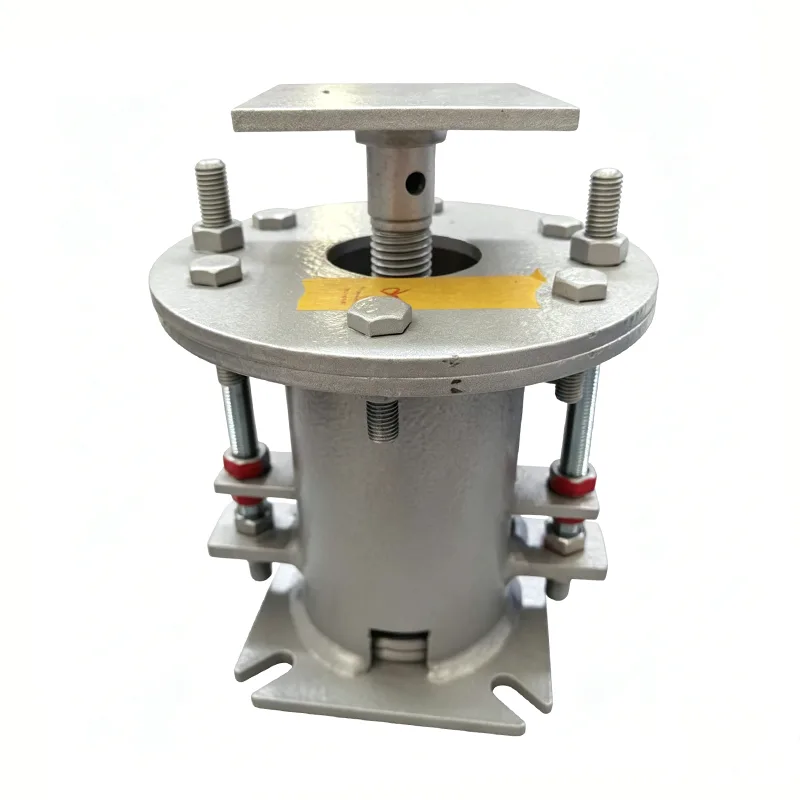
The working principle of a constant spring hanger combines spring force with a mechanical linkage to compensate for changes in position. Depending on the design, a crank, lever, or related mechanism balances the changing spring torque against the load torque as the supported pipe travels vertically.

When the pipeline moves from its cold position to its hot operating position, the mechanism changes its geometry to help maintain a nearly constant supporting force. As the pipeline cools and contracts, the same principle operates in reverse.

A typical assembly includes several important components:

  • Spring assembly: Provides the force required to support the specified operating load.
  • Mechanical linkage: Balances the spring and load forces throughout the working stroke.
  • Protective housing: Encloses the internal mechanism and helps protect it from external contamination.
  • Load adjustment mechanism: Allows controlled adjustment within the permitted design range.
  • Travel indicator: Helps installation and maintenance personnel monitor the support position.
  • Travel limit stops and preset pins: Help control movement during handling, installation, and specified testing procedures.

The relationship between load and displacement is a key performance indicator. A properly designed constant spring hanger produces an approximately horizontal load-displacement curve across its specified working travel. This indicates that the support force remains relatively stable as the pipeline moves.

Actual performance depends on the selected model, rated load, working travel, manufacturing tolerances, and installation conditions. Therefore, engineers should evaluate the approved technical data and test documentation rather than relying on the product category alone.


Key Benefits for Industrial Pipelines

1. Consistent Load Support

The principal advantage of a Heavy Duty Constant Spring Hanger is its ability to maintain nearly uniform supporting force during vertical pipeline movement. This helps reduce undesirable load changes at critical support points and supports more predictable piping stress analysis.

2. Accommodation of Thermal Displacement

Industrial pipelines may undergo repeated expansion and contraction during startup, shutdown, and normal operation. A constant spring hanger accommodates the specified vertical travel without unnecessarily restricting the movement of the pipe.

3. Protection of Connected Equipment

Excessive support-load variation can affect sensitive equipment connections, including steam turbine nozzles, pumps, and other process equipment. Selecting a suitable constant load support helps engineers control support reactions and manage connected-system loads within approved design limits.

4. Adaptability to Heavy-Duty Requirements

Heavy-duty configurations can be engineered for substantial loads, large displacement ranges, and demanding installation conditions. Depending on the project, horizontal or vertical mounting arrangements and customized dimensions may be considered.

5. Easier Inspection and Adjustment

Clearly marked travel indicators, load settings, and accessible adjustment mechanisms help technicians verify the support position and perform authorized commissioning checks. Correct documentation also makes future maintenance and troubleshooting more efficient.

These benefits depend on correct engineering selection, suitable supporting steelwork, proper installation, and compliance with the pipeline system's design requirements.


Technical Specifications and Selection

Choosing a Heavy Duty Constant Spring Hanger requires more than matching the nominal pipeline weight. Engineers must evaluate the operating load, cold and hot positions, required vertical displacement, installation space, environmental conditions, and applicable design standards.

The following table summarizes representative specifications published for Tianshun's constant spring hanger range. Final values must be confirmed for the selected model and project configuration.

Parameter Representative Specification Selection Consideration
Model series PH, LH, CA, CS, TH Select according to load, mounting arrangement, and design requirements.
Operating load capacity 0.1 kN–500 kN Confirm the calculated load at each support point.
Standard travel options 50 mm, 100 mm, 200 mm, 400 mm Match the required pipeline displacement.
Available travel Customized configurations up to 600 mm Verify model-specific working travel and clearances.
Load deviation Typically ±5%; ±3% for selected high-precision configurations Confirm the guaranteed tolerance in the approved datasheet.
Installation orientation Horizontal or vertical, depending on configuration Check mounting details and load direction.
Spring material 60Si2Mn or 50CrVA alloy spring steel Verify material suitability for the specified service conditions.
Housing finish Hot-dip galvanized or epoxy coated Choose according to the installation environment.
Ambient temperature range -20°C to +80°C for the referenced standard configuration Confirm environmental limits and any special service requirements.
Load adjustment Typically ±10% for standard configurations Use only within the manufacturer's approved adjustment limits.

These figures are representative product-range data, not a guarantee that every model provides every listed capacity or feature. The actual permissible load, travel, temperature limits, and tolerances must be verified against the selected product documentation.

Essential Information for Accurate Selection

Before requesting a quotation, prepare the following engineering information:

  • Pipeline operating load and specified support load.
  • Cold load and hot load positions, including the direction of movement.
  • Required total travel and any additional design allowance.
  • Support location, available installation space, and connection dimensions.
  • Operating and ambient temperatures, together with relevant environmental exposure.
  • Applicable piping codes, project standards, inspection requirements, and documentation needs.

Providing these details allows the manufacturer to assess the required configuration more accurately and reduces the risk of dimensional conflicts or incorrect load selection during installation.


Constant vs. Variable Spring Hangers

Both constant and variable spring hangers accommodate pipeline movement, but they differ in how their supporting force changes throughout the working stroke. The correct choice depends on displacement, allowable load variation, connected equipment sensitivity, and the results of piping stress analysis.

Comparison Factor Constant Spring Hanger Variable Spring Hanger
Supporting force Designed to remain nearly constant Changes as the spring deflects
Typical application Large displacement or low allowable load variation Smaller movement where load variation is acceptable
Mechanical design Spring combined with a balancing mechanism Primarily spring-based support action
Design considerations Load constancy, travel, linkage geometry, and space Spring rate, operating load, and load variability
Selection approach Used when a near-uniform support force is required Used when calculated load variation meets project limits

A constant spring hanger is not automatically the best solution for every pipeline. Variable spring supports may be more practical and economical where displacement is limited and the resulting load variation remains acceptable. For complex piping networks, both types may be used at different support locations based on engineering calculations.

For related equipment options, explore Tianshun's variable spring hanger solutions and constant spring supports.


Major Industrial Applications

Heavy-duty constant spring hangers are especially useful where pipeline movement and support-load stability are important to operational safety and equipment reliability.

  • Thermal power plants: Main steam, reheated steam, and other high-temperature piping systems subject to significant thermal displacement.
  • Nuclear power facilities: Engineered piping support applications subject to project-specific safety, qualification, and inspection requirements.
  • Oil refineries: Process lines that experience substantial temperature changes during operating cycles.
  • Petrochemical plants: High-temperature process pipelines and large-diameter pipework requiring controlled support reactions.
  • LNG and LPG facilities: Selected pipeline applications where movement, load distribution, and environmental conditions must be considered together.
  • District heating networks: Long pipeline runs that expand and contract as operating temperatures change.

For high-temperature service, engineers should distinguish the pipeline's process temperature from the spring hanger's rated ambient or component temperature. Special materials, thermal protection, or alternative configurations may be required when standard product limits are insufficient.

In demanding power-generation projects, Tianshun also offers thermal power plant constant spring support solutions for project-specific pipeline support requirements.


Installation and Maintenance Best Practices

Even a well-engineered constant spring hanger can perform incorrectly if it is installed, adjusted, or commissioned improperly. Installation procedures should follow the approved drawings, manufacturer's instructions, and project-specific requirements.

Before Installation

  1. Verify the product identification, rated load, travel range, mounting orientation, and connection dimensions.
  2. Inspect the housing, spring assembly, fasteners, and connection points for visible damage or shipping-related movement.
  3. Confirm that supporting beams and structural connections can carry the specified loads.
  4. Check that the hanger's travel direction and installation position match the approved piping support drawings.

During Commissioning

  1. Keep preset or locking pins in place during the installation and testing stages specified by the manufacturer.
  2. Confirm the pipeline is supported in accordance with the approved cold-position settings.
  3. Remove locking pins only at the designated commissioning stage, after the required checks and tests have been completed.
  4. Verify the travel indicator and record the final support position according to the project procedure.

During Routine Maintenance

  • Inspect the housing, visible connections, and protective coating for damage or corrosion.
  • Check the travel indicator for unexpected movement or signs of restricted travel.
  • Investigate abnormal loads, binding, or interference before making adjustments.
  • Document inspections, load adjustments, and corrective actions for traceability.

Never remove preset pins or change a load setting without following the approved procedure. Improper adjustment can transfer unintended forces to adjacent supports and connected equipment.


Quality Control and Engineering Compliance

Reliable performance begins with controlled manufacturing and verification. For heavy-duty applications, the spring assembly, mechanical linkage, housing, connections, and travel indicators must work together as a complete support system.

When evaluating a manufacturer, purchasing teams and engineering contractors should review the following quality considerations:

  • Material traceability: Confirm that material records meet the project's documentation requirements.
  • Manufacturing inspection: Check that critical components, connections, and assembly dimensions are inspected.
  • Load calibration: Verify that the hanger is set and tested against the specified load.
  • Travel verification: Confirm that the assembly operates through its required working range.
  • Performance records: Request applicable test reports and load-displacement data when required.
  • Standards compliance: Confirm the exact design and acceptance standards stated in the purchase specification.

Tianshun's constant spring hanger range is designed around industrial pipeline support requirements, with published technical information referencing GB/T 17116 and relevant NB/T standards. Depending on the project, requirements may also reference MSS SP-58, ASME B31.1, ASME B31.3, or other applicable codes. The governing standards and their editions should always be confirmed for the specific order.

For international projects, engineering teams should agree on inspection scope, allowable load deviation, material documentation, coating requirements, packaging, and delivery milestones before production begins. This approach improves procurement clarity and supports smoother site installation.


Frequently Asked Questions

1. What is the primary purpose of a Heavy Duty Constant Spring Hanger?

Its primary purpose is to support a pipeline while maintaining nearly uniform supporting force as the pipe moves vertically. This helps control support-load variation and accommodate thermal expansion and contraction in critical industrial piping systems.

2. What load capacities are available from Tianshun?

Tianshun publishes a representative constant spring hanger operating-load range of 0.1 kN to 500 kN. The capacity available for a particular unit depends on the selected series, travel, configuration, and engineering requirements. Confirm the final rated load with the product datasheet.

3. How much travel can a constant spring hanger accommodate?

Published standard travel options include 50 mm, 100 mm, 200 mm, and 400 mm, with customized configurations available up to 600 mm. Actual working travel must be verified for the selected model and application.

4. How does a constant spring hanger differ from a variable spring hanger?

A constant spring hanger uses a balancing mechanism to maintain nearly uniform support force over its working travel. A variable spring hanger changes its supporting force as the spring deflects. The selection depends on pipeline displacement and the allowable load variation established by engineering analysis.

5. Can constant spring hangers be customized for specific projects?

Yes. Project-specific options may include load capacity, travel, mounting orientation, dimensions, surface treatment, connection arrangements, and documentation requirements. Buyers should provide approved drawings and complete load and displacement data for engineering review.

6. Why are preset pins important?

Preset pins lock the assembly in a specified position during designated handling, installation, and testing stages. They help prevent unintended spring movement before commissioning. They must be handled and removed according to the manufacturer's instructions and the approved project procedure.

7. What information is needed to request a quotation?

Provide the required operating load, cold and hot positions, vertical displacement, mounting arrangement, installation dimensions, environmental conditions, applicable standards, quantity, and delivery requirements. Drawings and support schedules are particularly useful for accurate selection.


Conclusion

A Heavy Duty Constant Spring Hanger is an important component in industrial piping systems where significant thermal movement and stable support loads must be managed together. By maintaining nearly uniform supporting force across the specified travel range, the right hanger can help reduce unwanted load fluctuations, protect connected equipment, and support reliable plant operation.

Successful selection depends on accurate load calculations, suitable travel capacity, compatible mounting dimensions, verified performance, and correct commissioning procedures. Tianshun offers constant spring hanger options for industrial pipeline applications, including customized configurations based on project requirements. If you are sourcing a reliable pipe support manufacturer for a power plant, refinery, petrochemical facility, or other demanding installation, explore Tianshun's Heavy Duty Constant Spring Hanger and contact us with your technical drawings, load data, and project specifications to discuss a suitable solution for your application.

Related News
Leave me a message
X
We use cookies to offer you a better browsing experience, analyze site traffic and personalize content. By using this site, you agree to our use of cookies. Privacy Policy
RejectAccept