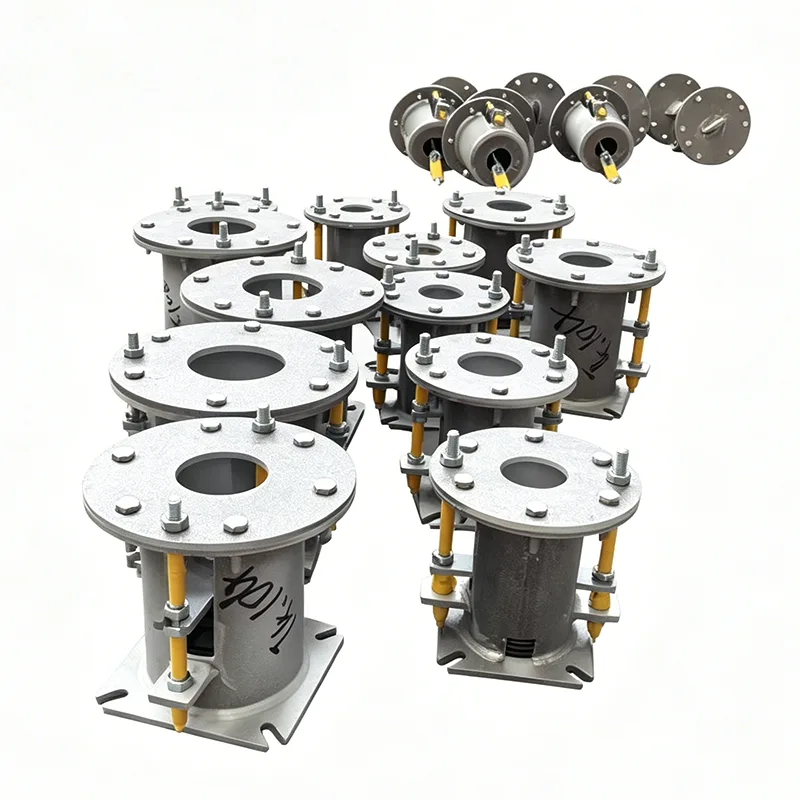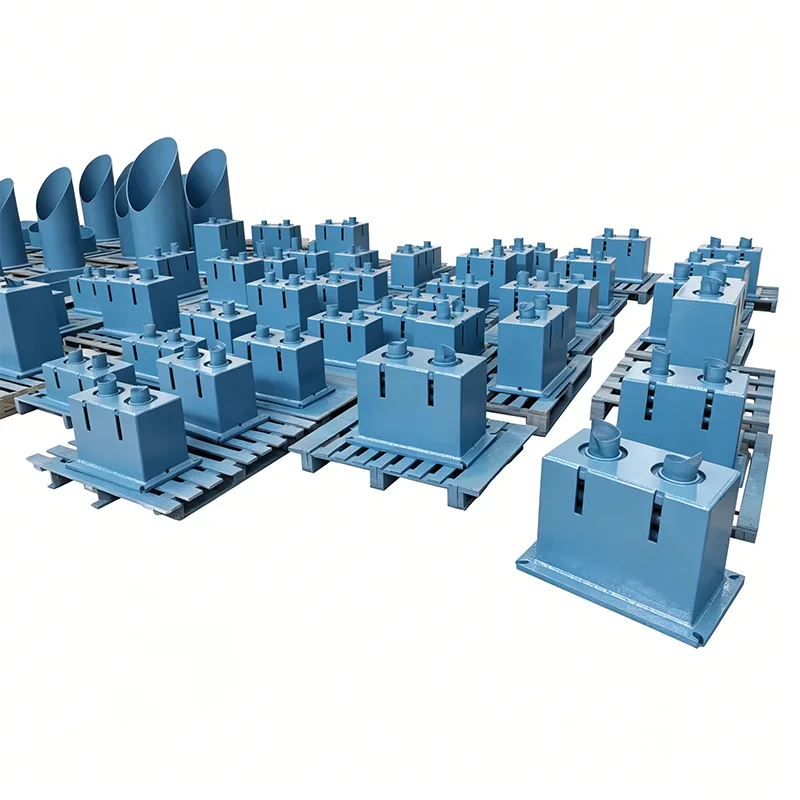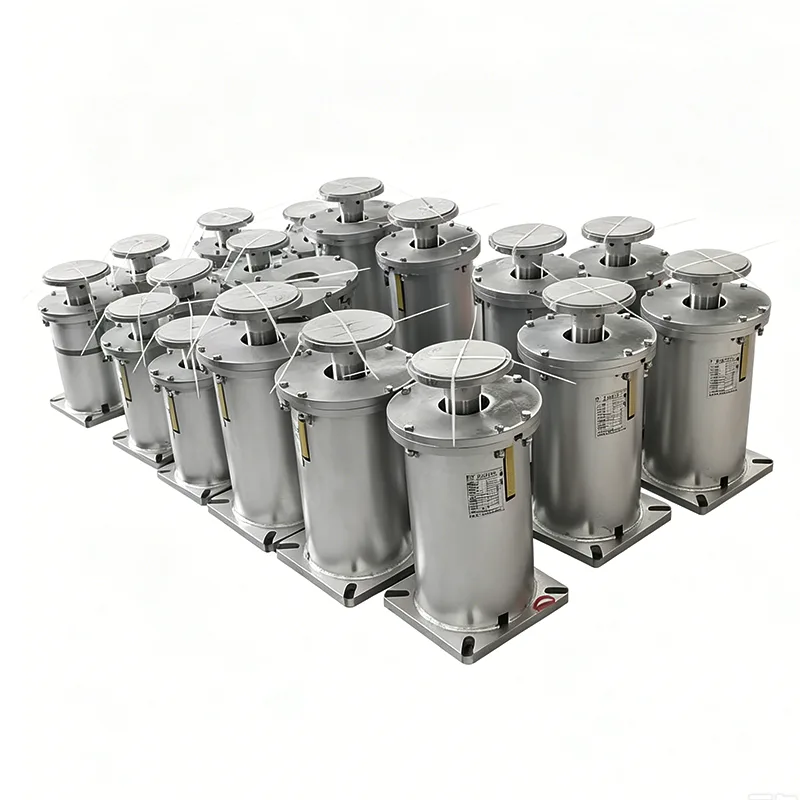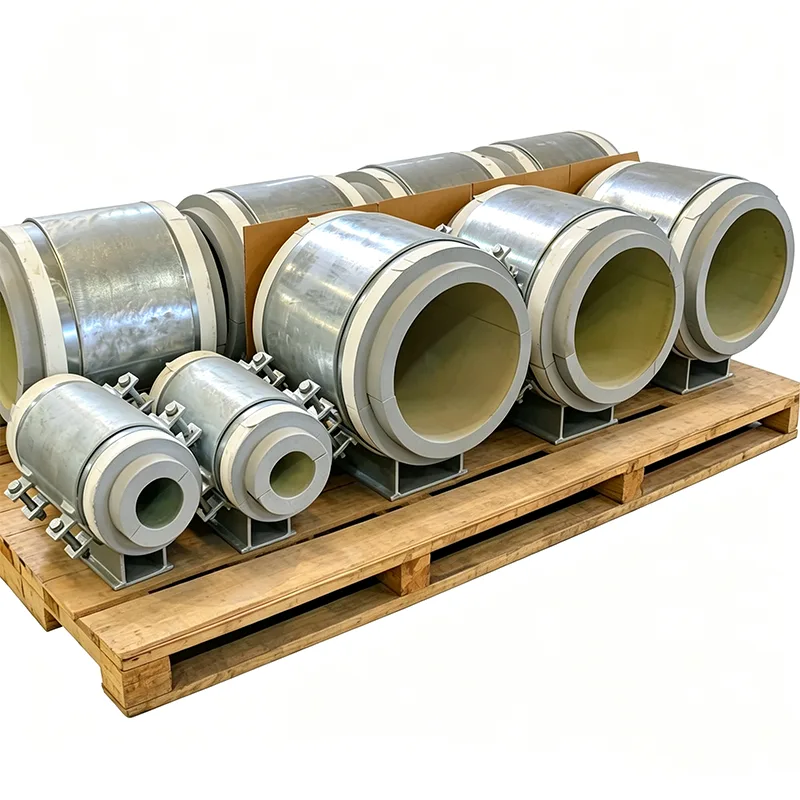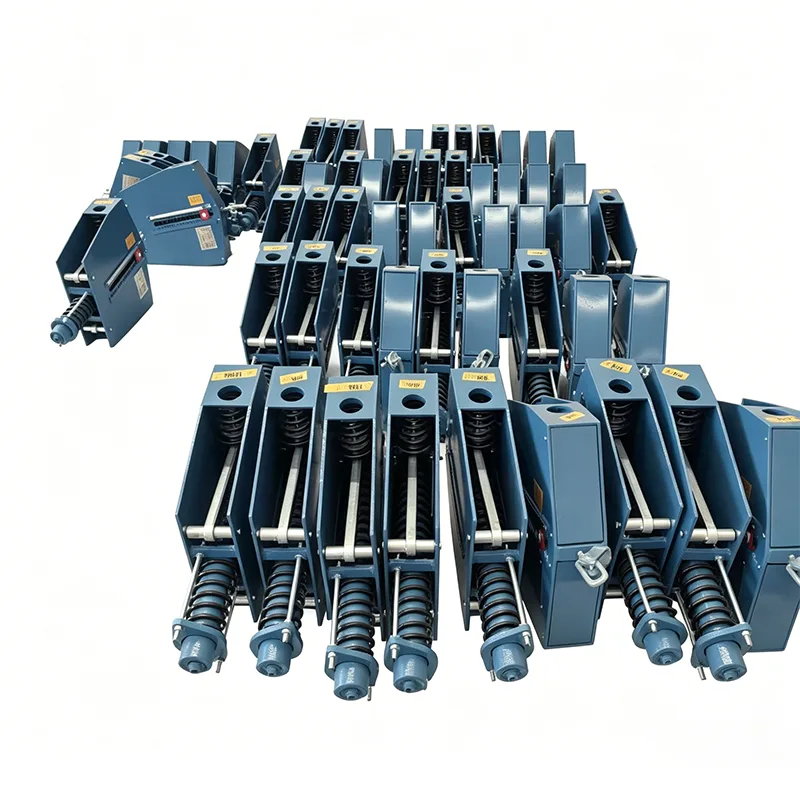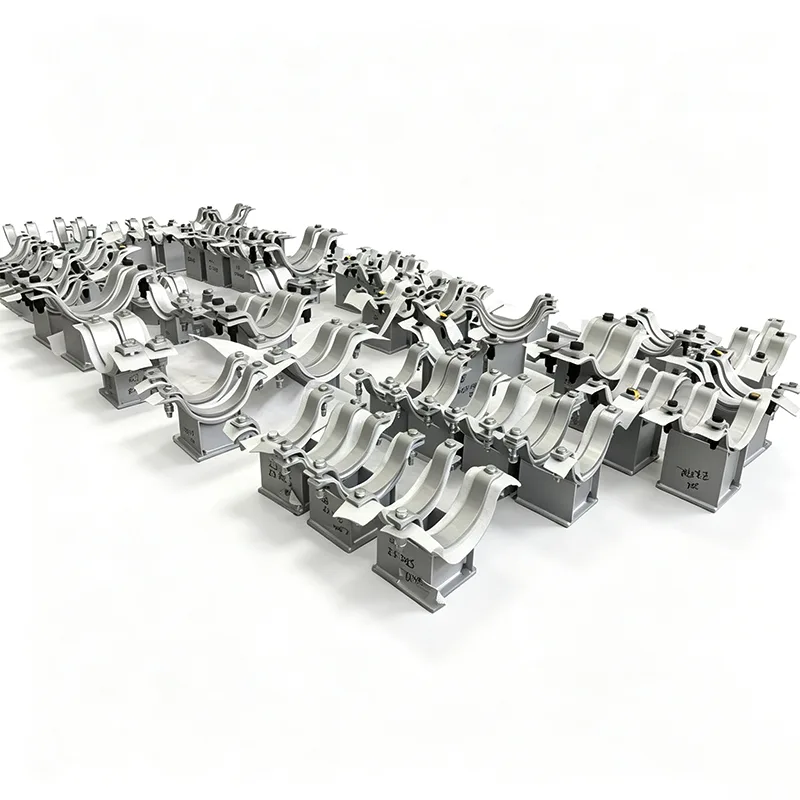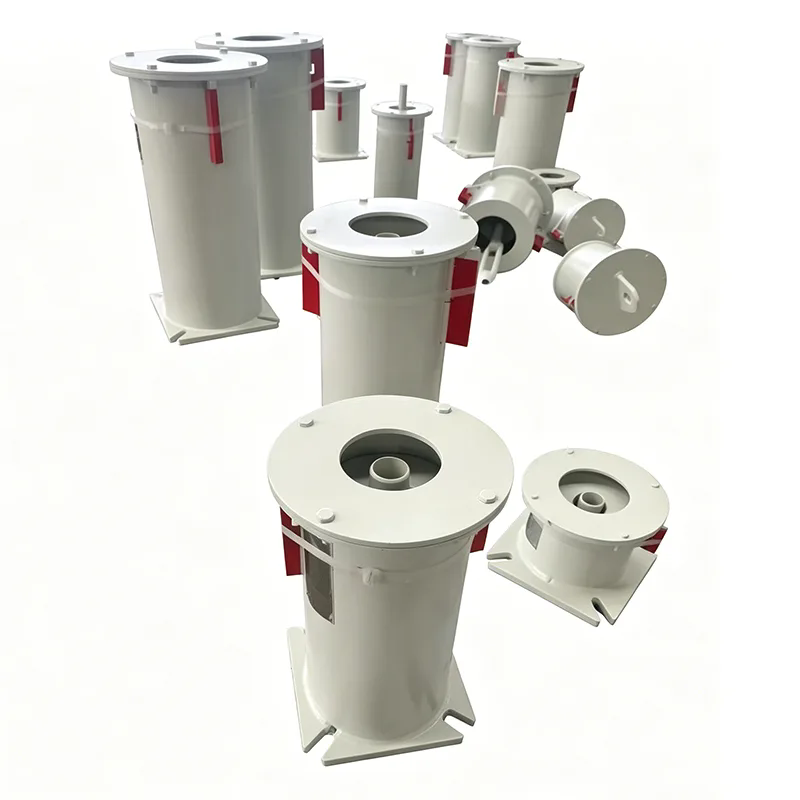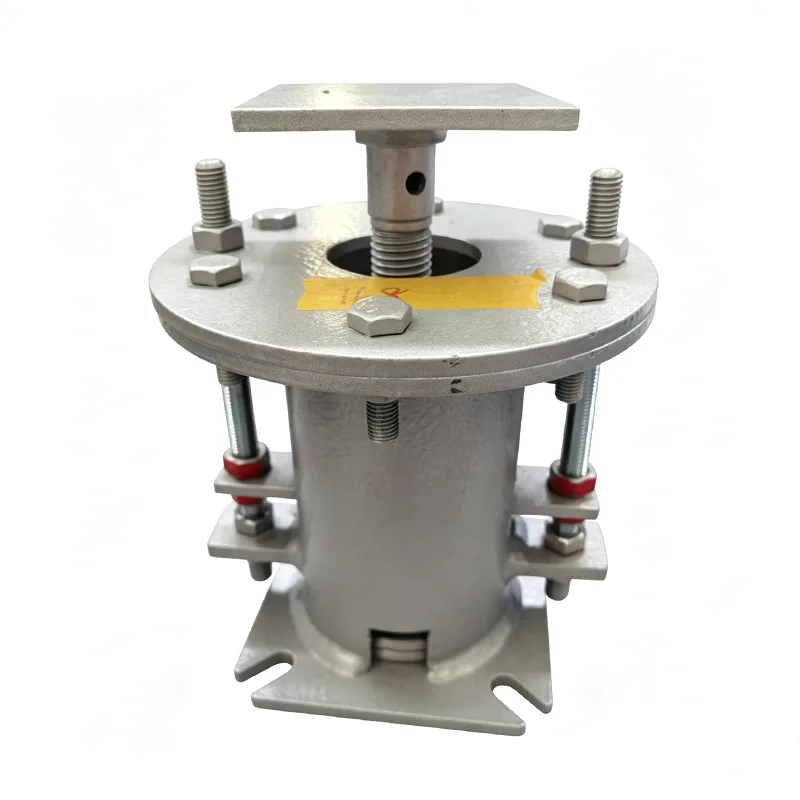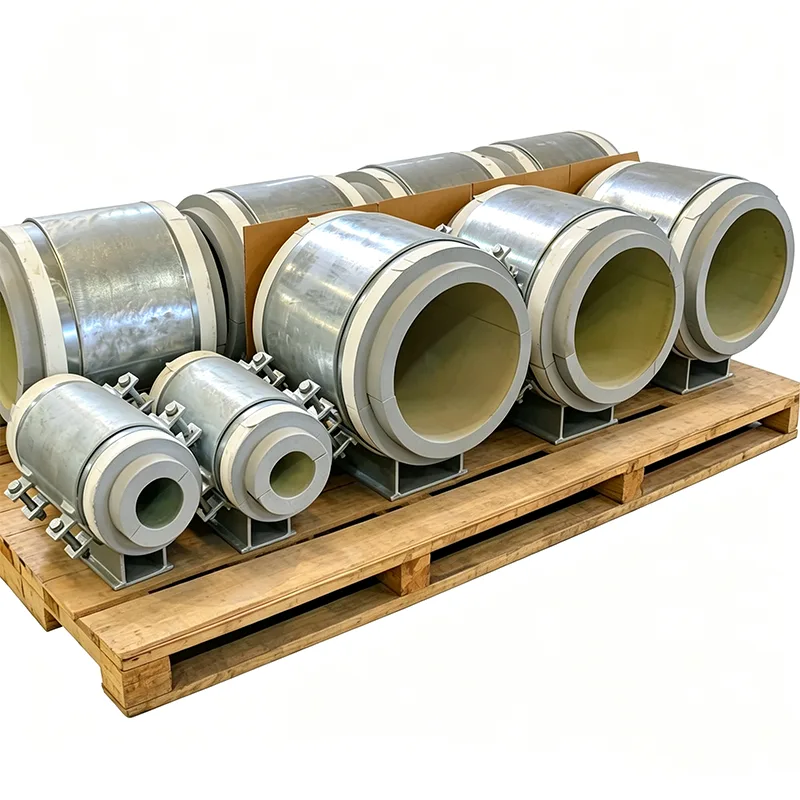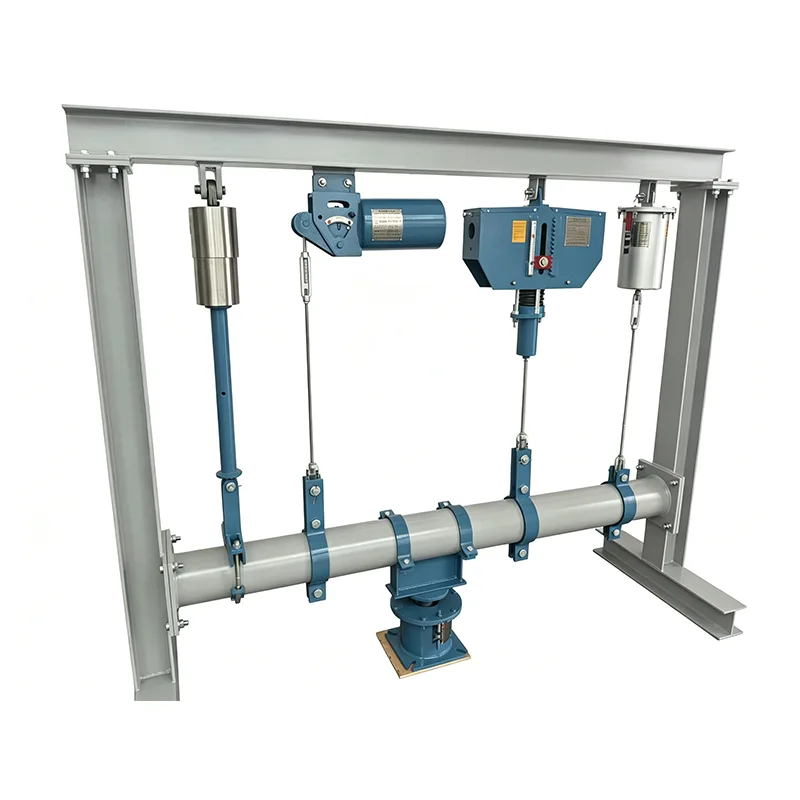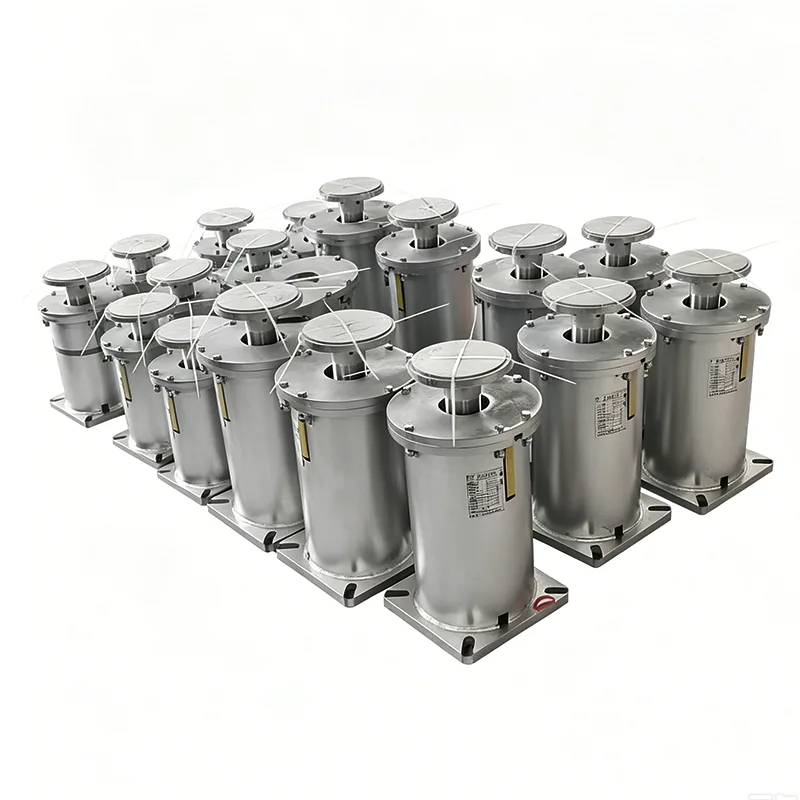

Spring hanger support plays a critical role in controlling pipe weight, thermal movement, and vibration in demanding industrial piping systems. Tianshun provides engineered spring hanger solutions with load ratings from 10 N to 100,000 N and displacement capabilities up to 200 mm, supporting applications across power, petrochemical, LNG, refinery, heating, pharmaceutical, and food-processing facilities.
A properly selected spring hanger support allows a piping system to move safely as operating temperature changes while maintaining controlled vertical support. Unlike rigid hangers, spring-based systems can accommodate thermal expansion and contraction, distribute loads more effectively, and help reduce stress transferred to pipes and connected equipment. Tianshun manufactures spring hanger assemblies using spring steels such as 60Si2MnA and 50CrVA, with options for carbon-steel housings, protective coatings, customized connections, and project-specific load and displacement requirements. Understanding the structure, working principle, specifications, testing requirements, and application conditions is essential when selecting a support for an industrial pipeline.
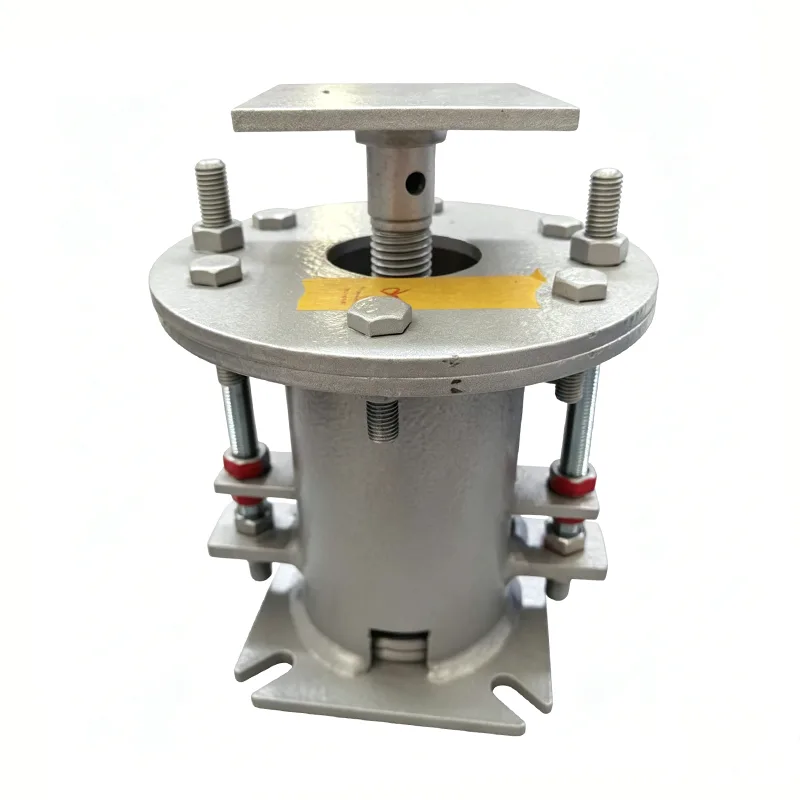
Table of Contents
What Is a Spring Hanger Support?
How Does a Spring Hanger Support Work?
What Are the Main Performance Advantages?
What Technical Parameters Should Engineers Check?
Where Are Spring Hanger Supports Used?
Variable vs. Constant Spring Support
How Are Spring Hanger Supports Tested?
How Should You Select the Right Support?
Get a Customized Spring Hanger Solution
What Is a Spring Hanger Support?
A spring hanger support is a mechanical piping support designed to carry the weight of a pipeline while allowing controlled vertical movement. It uses the elastic behavior of a spring to accommodate movement generated by temperature changes, operating loads, and other service conditions.
When a process pipe heats up, it can expand and move from its cold position. When it cools down, the pipe contracts. A rigid support can restrict this movement and potentially create additional pipe stress. A properly engineered spring hanger provides supporting force while allowing the pipe to move within its designed travel range.
This makes spring-based supports particularly useful for steam lines, high-temperature process piping, power-generation systems, petrochemical facilities, refineries, and other installations where thermal displacement must be considered during pipe stress design.
For project engineers, the support should not be selected simply by nominal pipe size. Operating load, hot and cold loads, expected movement, installation direction, temperature, connection dimensions, and applicable design standards all need to be evaluated.
How Does a Spring Hanger Support Work?
The basic operating principle is straightforward: the spring assembly generates a controlled supporting force while permitting vertical displacement of the pipe.
- Pipe load is transferred: The hanger transfers part of the pipe's weight and operating load to the supporting structure.
- Temperature changes cause movement: As the pipeline heats or cools, thermal expansion or contraction causes vertical movement.
- The spring responds: The spring compresses or extends according to the direction and magnitude of movement.
- Movement remains controlled: The support accommodates designed displacement instead of forcing the pipe into a fixed position.
- Load is distributed: Correct support selection helps prevent excessive localized loading at pipe supports and connected equipment.
In practical piping design, the spring hanger works as part of a larger support system. Pipe shoes, rigid supports, guides, anchors, and other components may be used together according to the piping stress analysis and project requirements.
What Are the Main Components?
The reliability of a spring hanger depends on the interaction between its spring assembly, housing, adjustment mechanism, and connection hardware. A typical configuration includes the following components:
| Component | Primary Function | Typical Material or Feature |
|---|---|---|
| Spring Assembly | Provides controlled supporting force and accommodates movement | 60Si2MnA or 50CrVA spring steel |
| Housing | Protects and positions the spring assembly | Q235B or Q345B carbon steel |
| Adjusting Screw | Allows load and height adjustment during installation | Project-specific steel construction |
| Hanger Rod & Accessories | Connects the support to the pipeline and structure | Selected according to project requirements |
| Displacement Indicator | Shows the actual movement position | Clearly visible calibrated indication |
Connection dimensions and accessories can be customized when standard configurations do not match the installation conditions. This is particularly important for retrofit projects or complex pipe racks where available installation space is limited.
What Are the Main Performance Advantages?
Thermal Movement Compensation
The primary advantage is the ability to accommodate vertical pipe movement caused by temperature changes. Tianshun's standard spring hanger designs can provide rated displacement options of 50, 80, 120, 150, and 200 mm, depending on the selected configuration.
Controlled Load Support
Industrial pipelines can become significantly heavier during operation because of process fluids, insulation, and changing service conditions. A correctly specified spring assembly helps maintain controlled support throughout the operating cycle.
Reduced Vibration Transmission
Spring-supported arrangements can help reduce the direct transmission of pipe vibration to structural members. This can be valuable around rotating equipment, steam systems, process equipment, and other installations where vibration control is important.
Installation Flexibility
Adjustment mechanisms allow installers to fine-tune support position and load during installation. This can simplify field alignment compared with a completely rigid support arrangement.
Adaptability to Different Projects
Spring hanger assemblies can be designed around different loads, travel requirements, materials, connection types, and environmental conditions. Tianshun also provides customized solutions for special load, displacement, temperature, and connection requirements.
What Technical Parameters Should Engineers Check?
Before ordering a spring hanger, engineers should establish the actual operating conditions rather than selecting a unit only according to pipe diameter. The following specifications are especially important:
| Parameter | Tianshun Reference Range | Why It Matters |
|---|---|---|
| Working Load | 10 N–100,000 N | Determines the required supporting capacity |
| Rated Displacement | 50–200 mm | Must accommodate expected pipe movement |
| Operating Temperature | -20°C to +450°C | Influences material and spring selection |
| Spring Material | 60Si2MnA / 50CrVA | Supports mechanical and fatigue performance |
| Housing Material | Q235B / Q345B | Provides structural protection and support |
| Surface Treatment | Epoxy zinc-rich coating / hot-dip galvanizing | Improves corrosion protection |
| Applicable Standards | ANSI/HG 20644, GB/T 17116, DIN 2545 | Helps align the product with project specifications |
For international EPC projects, engineers may also specify project-specific standards, material certificates, inspection requirements, or third-party witnessing. These requirements should be confirmed before production begins.
Where Are Spring Hanger Supports Used?
Spring supports are suitable for industrial piping where load support must coexist with controlled thermal movement. Common applications include:
- Thermal power plant steam and water piping
- Nuclear power plant auxiliary piping systems
- Petrochemical process pipelines
- Oil refinery furnace and column piping
- LNG and LPG terminal pipelines
- Urban central-heating networks
- Pharmaceutical process piping
- Food-processing sanitary piping
- High-temperature and high-pressure steam lines
For chemical and petrochemical facilities, surface protection and material selection can be particularly important because the support may be exposed to moisture, corrosive atmospheres, or demanding operating temperatures.
Variable vs. Constant Spring Support: What Is the Difference?
One of the most important decisions in pipeline support design is whether the application requires a variable or constant spring configuration.
| Comparison | Variable Spring Support | Constant Spring Support |
|---|---|---|
| Supporting Force | Changes as the spring moves | Designed to remain approximately constant |
| Typical Use | Moderate thermal movement | Large movement or strict load-change requirements |
| Design Consideration | Allowable load variation | Load constancy throughout travel |
| Typical Application | General process and utility piping | Main steam and sensitive equipment connections |
A variable spring support may be appropriate where the change in supporting force remains acceptable within the piping stress design. A constant spring arrangement can be considered where connected equipment has tighter allowable load changes or where substantial vertical travel is expected.
The correct choice should be based on the project's piping stress analysis, hot and cold load conditions, movement direction, and equipment nozzle limitations.
How Are Spring Hanger Supports Tested?
Quality assurance is especially important because a spring hanger is a load-bearing component. Testing should verify not only external dimensions but also material condition, spring performance, load behavior, and protective coating.
Typical inspection and testing activities include:
- Visual and dimensional inspection
- Positive Material Identification (PMI), where required
- Hardness testing
- Magnetic Particle Testing or Liquid Penetrant Testing where applicable
- Spring load testing
- Load-displacement curve verification
- Coating thickness inspection
- Final assembly inspection
Factory Test Reports and Material Test Reports can be supplied for applicable orders. For projects requiring additional verification, third-party inspection, witnessed testing, material testing, weld NDT, or pre-shipment inspection can also be arranged according to contract requirements.
How Should You Select the Right Spring Hanger Support?
Correct selection starts with engineering data. A useful specification package should include the following information:
- Pipe size and configuration
- Operating and installed loads
- Hot and cold load conditions
- Expected vertical displacement
- Movement direction
- Operating and design temperature
- Required mounting arrangement
- Connection dimensions
- Material and coating requirements
- Applicable design and inspection standards
For complex systems, supplying the piping stress isometric or relevant support schedule can significantly improve the accuracy of hanger selection. Engineers can then evaluate whether a variable spring, constant spring, or another support arrangement is appropriate.
When standard dimensions are unsuitable, customized spring hanger solutions can include special load capacities, non-standard connections, customized installation dimensions, corrosion-resistant materials, and designs for high- or low-temperature environments.
Frequently Asked Questions About Spring Hanger Support
1. What is the main purpose of a spring hanger support?
Its main purpose is to support pipeline loads while allowing controlled vertical movement caused by thermal expansion and contraction. It can also help reduce vibration transmission and maintain a more stable support condition during operation.
2. What load range can Tianshun spring hanger supports handle?
The referenced standard product range covers working loads from 10 N to 100,000 N. Actual selection depends on the pipe's operating conditions, load requirements, travel, and project design data.
3. How much displacement can the spring hanger accommodate?
Standard rated displacement options include 50 mm, 80 mm, 120 mm, 150 mm, and 200 mm. Customized travel requirements can be evaluated according to the actual piping movement.
4. What materials are commonly used for the spring assembly?
Common spring materials include 60Si2MnA and 50CrVA. Housing materials can include Q235B and Q345B carbon steel, while surface treatment may use epoxy zinc-rich coatings or hot-dip galvanizing.
5. When should a constant spring support be considered?
A constant spring support can be considered when the pipeline experiences substantial vertical movement or when connected equipment requires supporting force to remain approximately constant throughout the designed travel. Final selection should follow piping stress analysis and project requirements.
6. Can spring hanger supports be customized?
Yes. Customization can cover load and displacement requirements, material selection, connection types, installation dimensions, environmental conditions, and other project-specific requirements.
Get a Customized Spring Hanger Solution
A reliable spring support system starts with accurate engineering data, appropriate material selection, controlled manufacturing, and documented testing. Tianshun combines spring support manufacturing experience with customized engineering services for industrial piping applications. If you are planning a power, petrochemical, refinery, LNG, heating, pharmaceutical, or other piping project, share your load, displacement, temperature, connection, and quantity requirements with the engineering team. Learn more about Tianshun Spring Hanger Support or contact us for a project-specific recommendation and quotation.