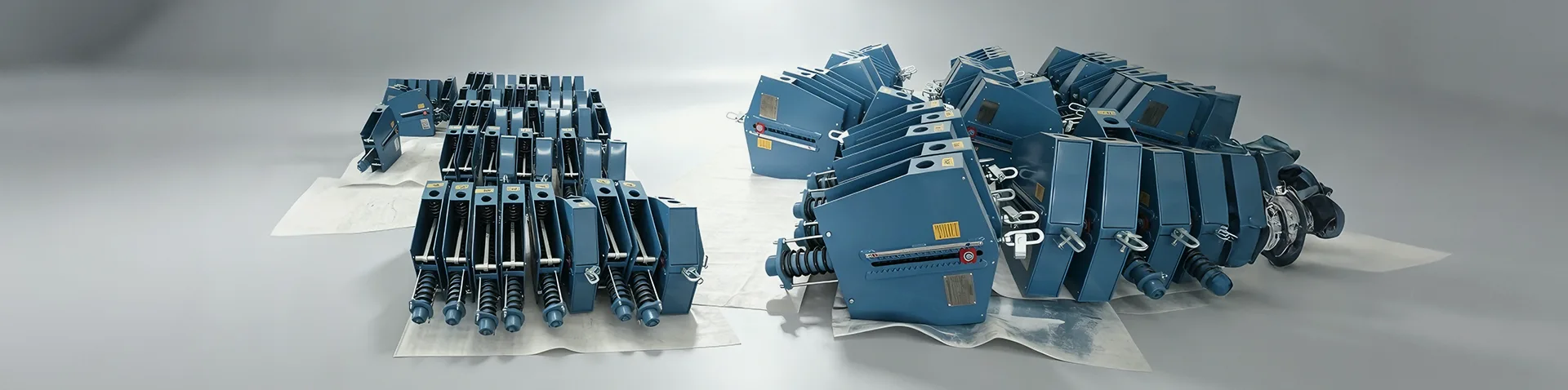
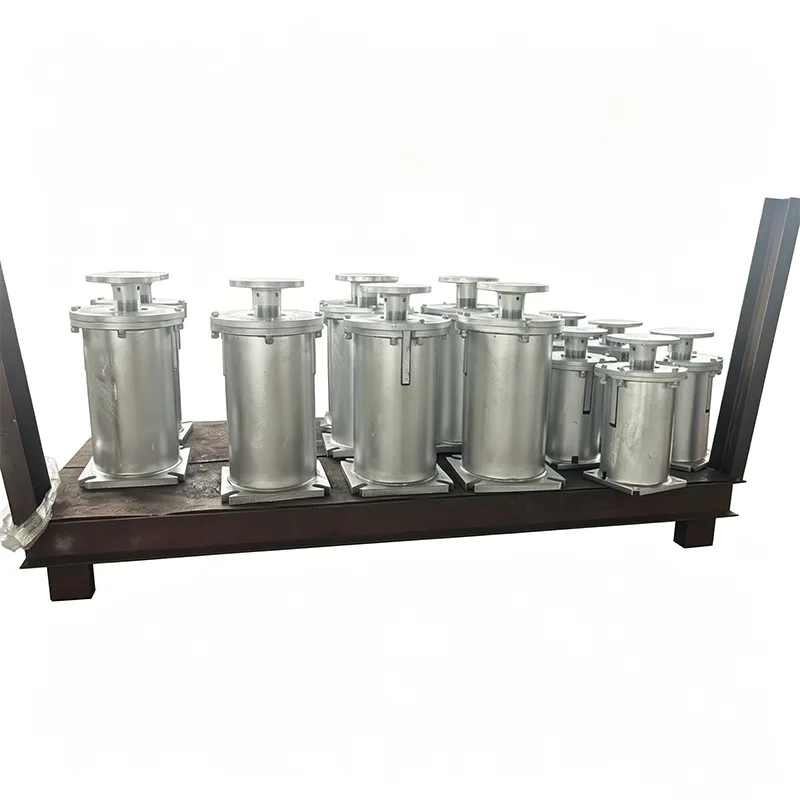
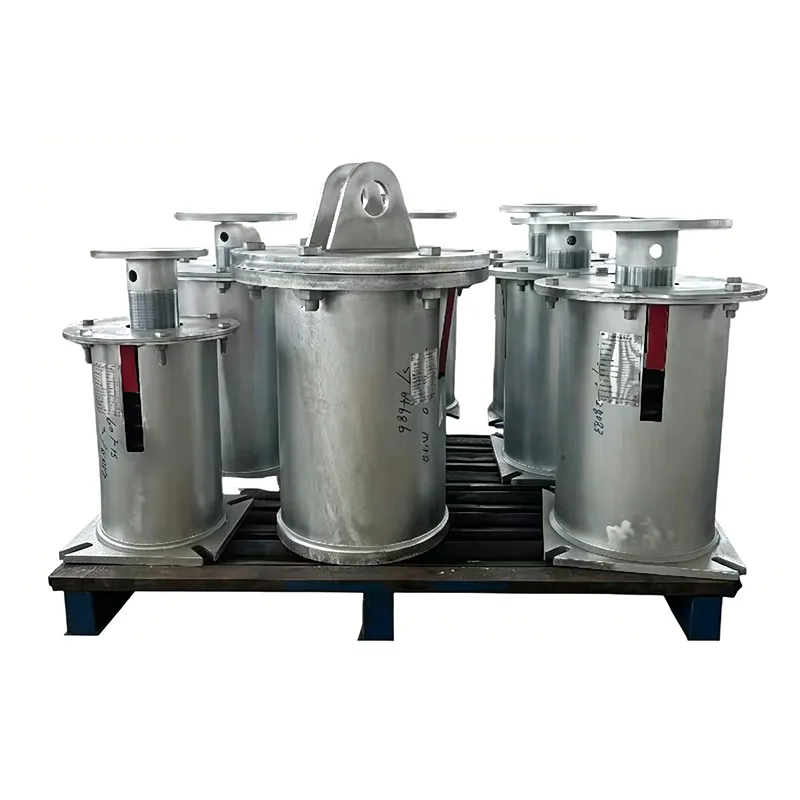
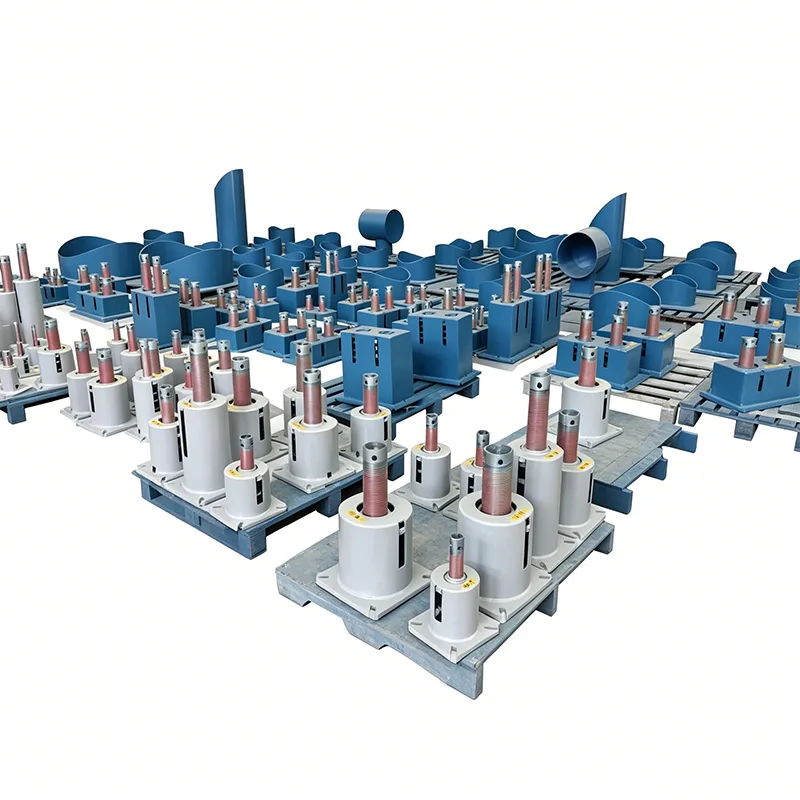
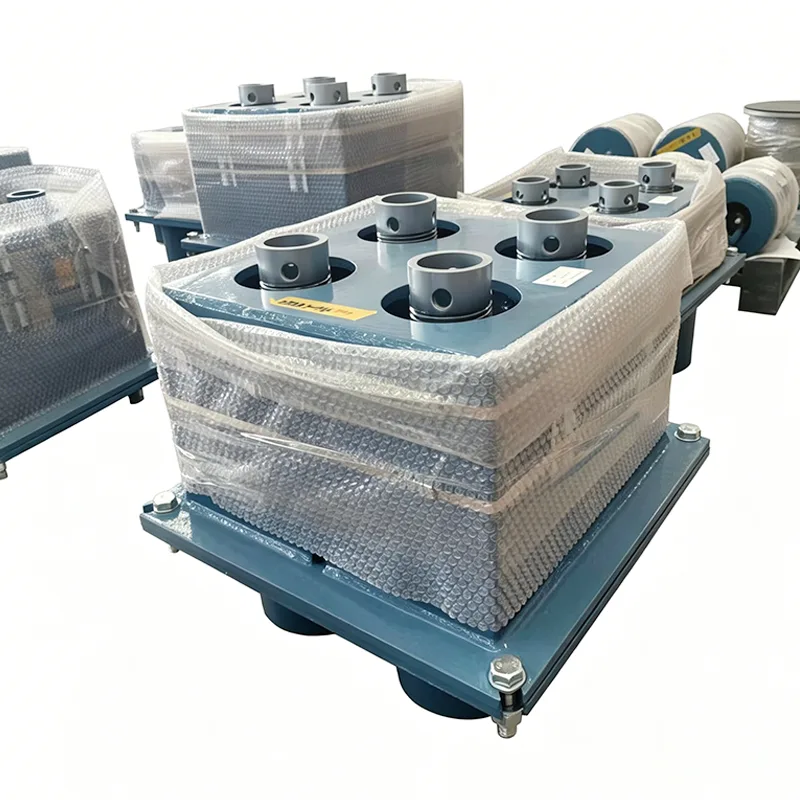
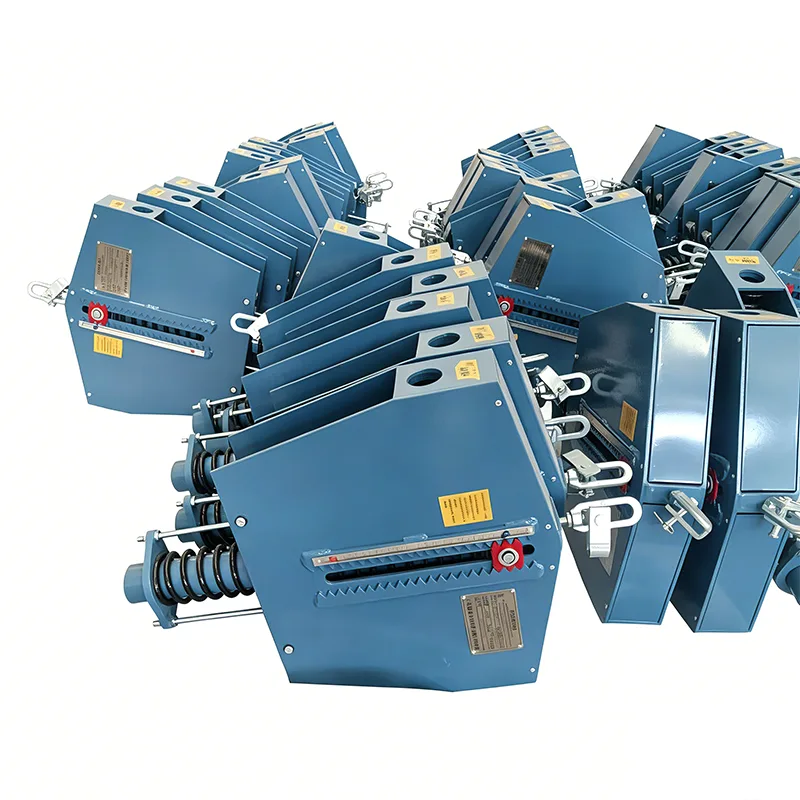
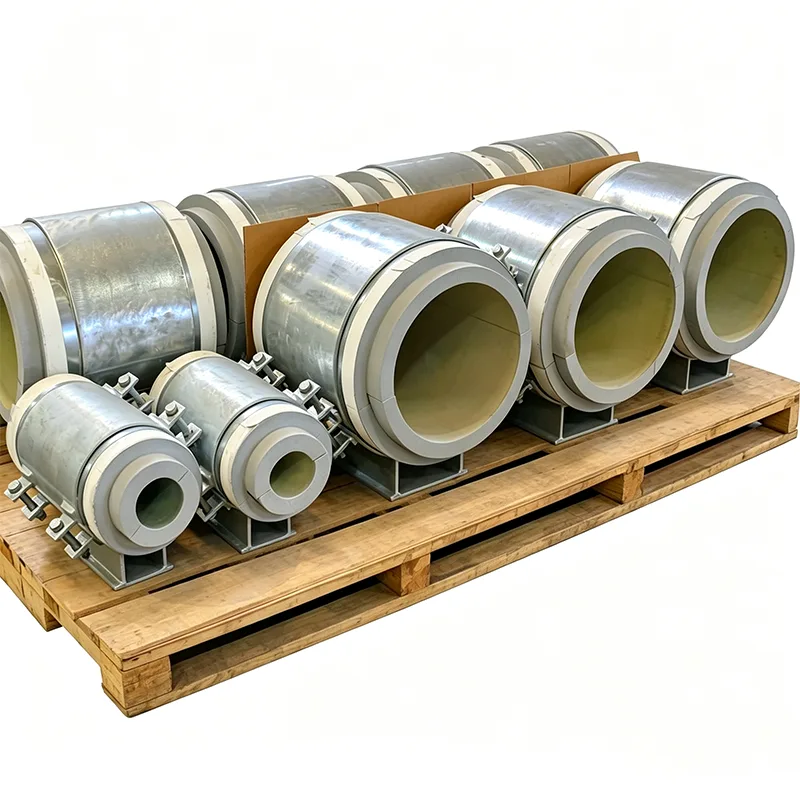
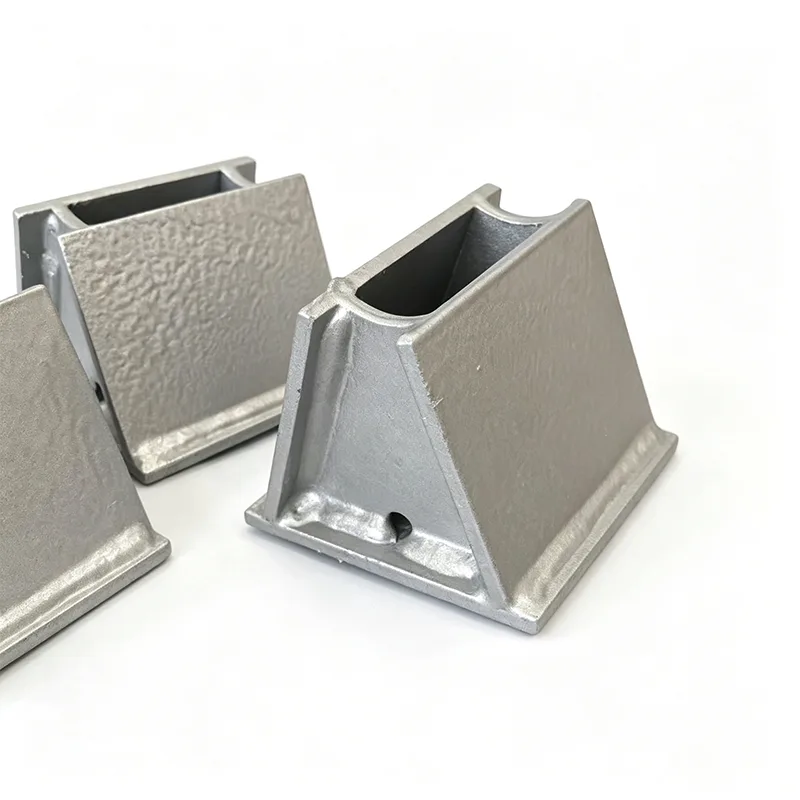
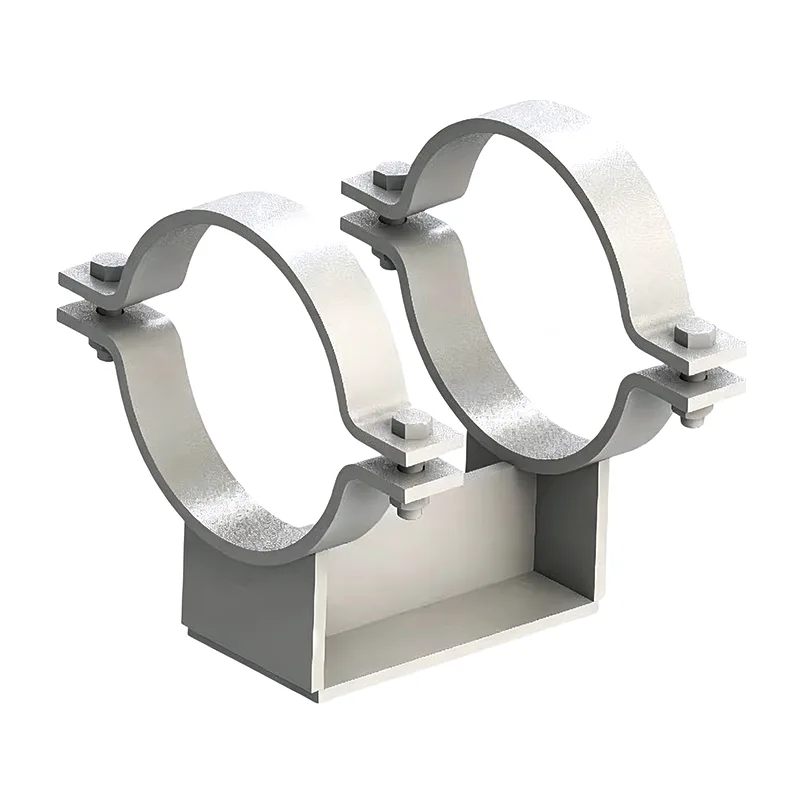
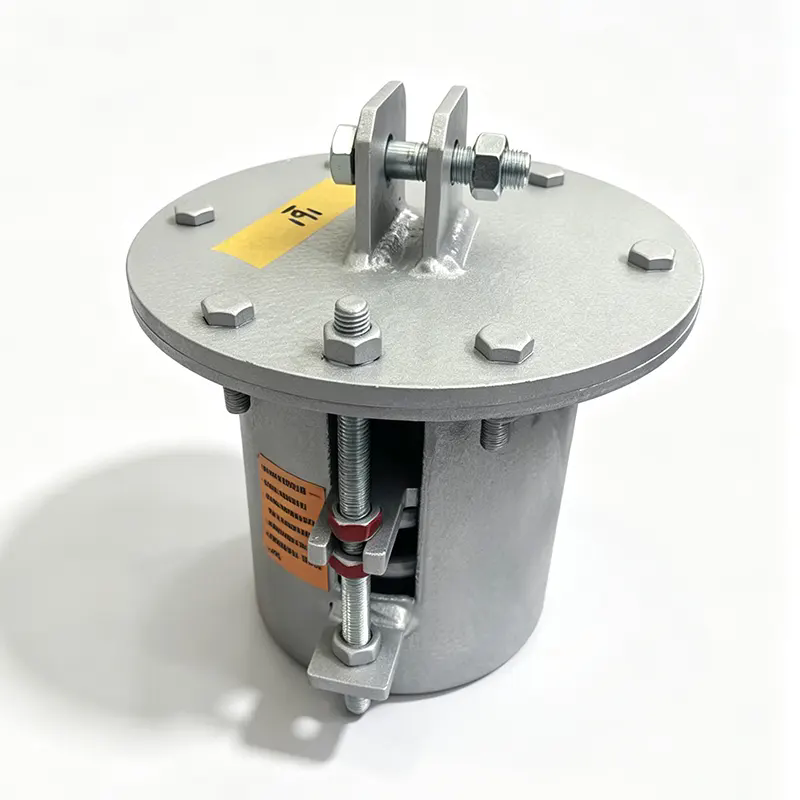
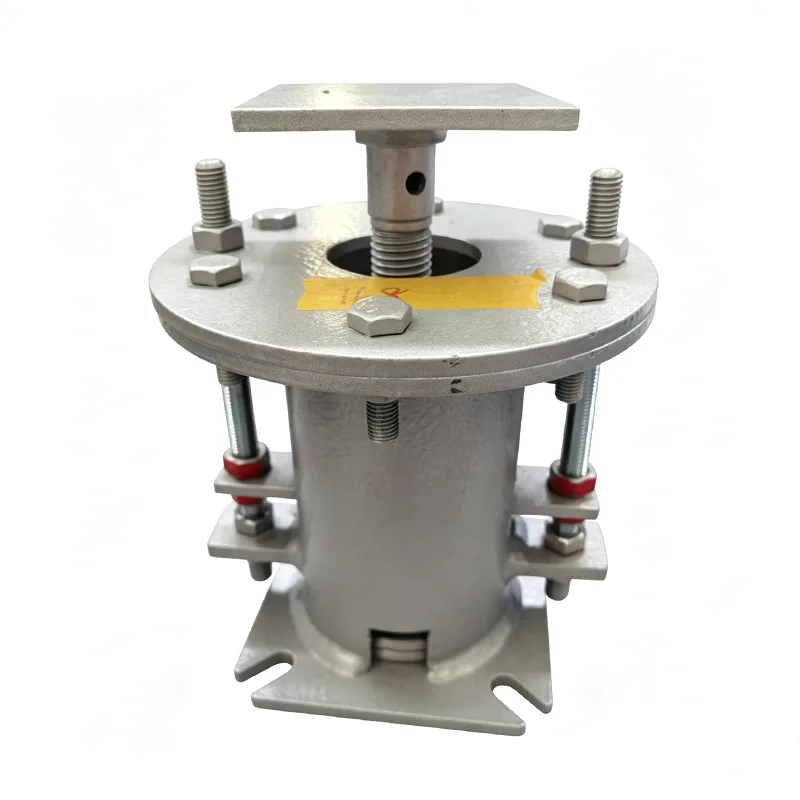
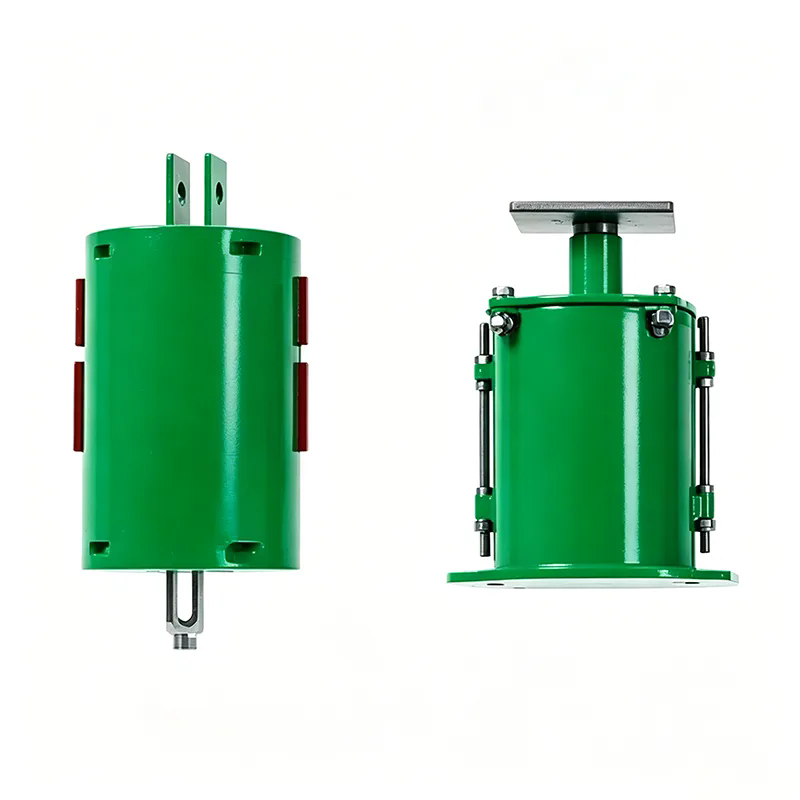
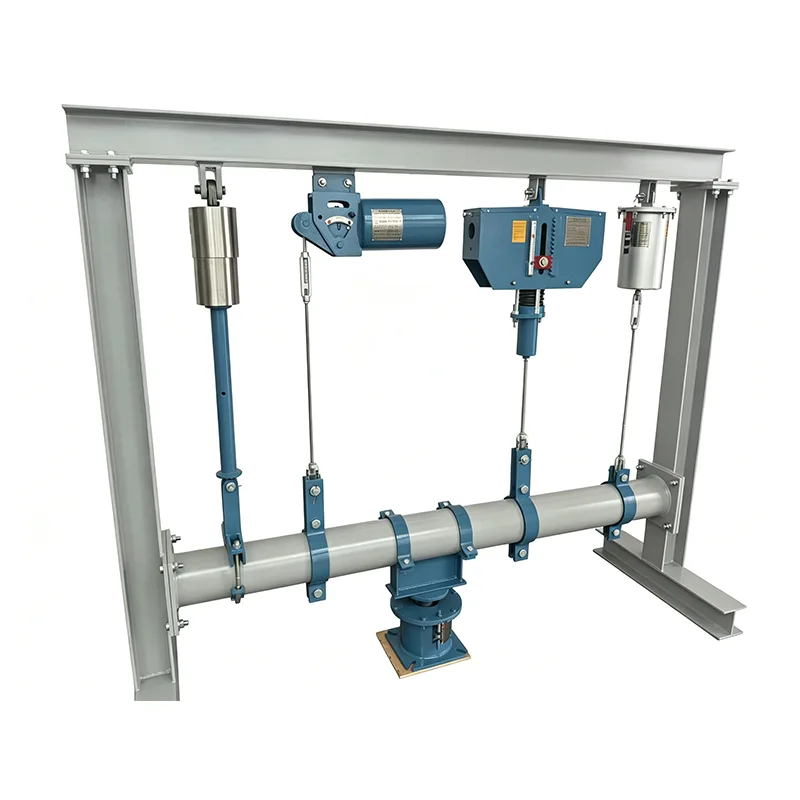
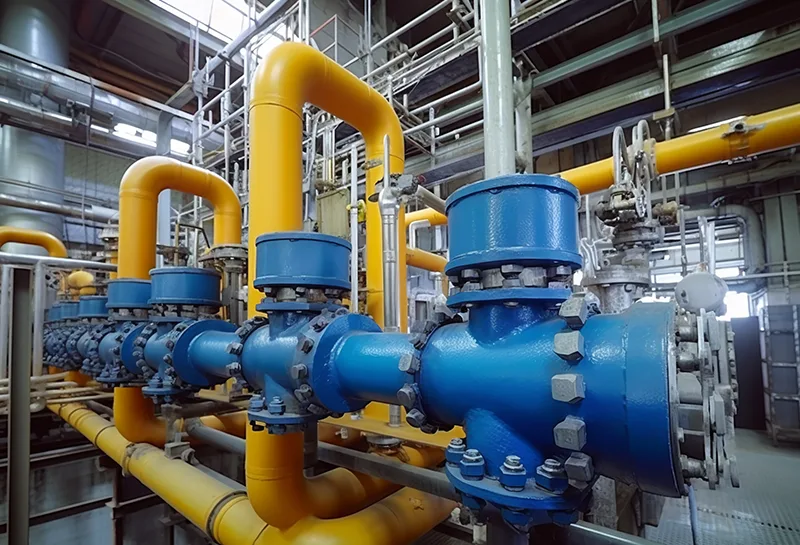
A pipe shoe is one of those components that nobody notices until it isn't there. It sits welded to the bottom of a pipe, spreads the load onto a structural beam or T‑post, and often provides the sliding surface that lets the pipe move axially during thermal cycles. At Tianshun, we fabricate thousands of pipe shoes every year — for process lines, steam headers, cryogenic piping, and everything in between. After 14 years in the business, we've learned that a well‑designed pipe shoe does more than just hold weight: it protects the pipe coating, preserves insulation continuity, and keeps point loads from denting the pipe wall.
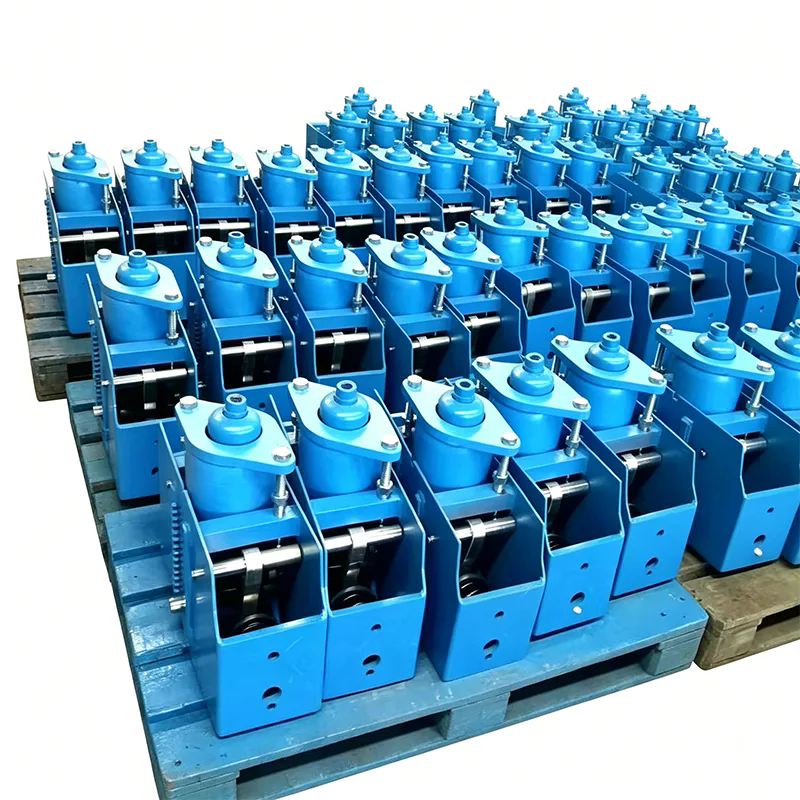
Pipe Shoes Supports are part of the broader pipe supports family, but they're distinct enough to warrant their own design attention. While a simple clamp or hanger rod handles vertical deadweight, a pipe shoe manages the contact interface. That interface gets complicated fast — high friction can cause stress in the pipe, inadequate height can crush insulation, and the wrong material can lead to galvanic corrosion. We regularly supply pipe shoes that work in tandem with spring hangers above, or with pre‑insulated pipe supports on cold lines where thermal isolation is critical.
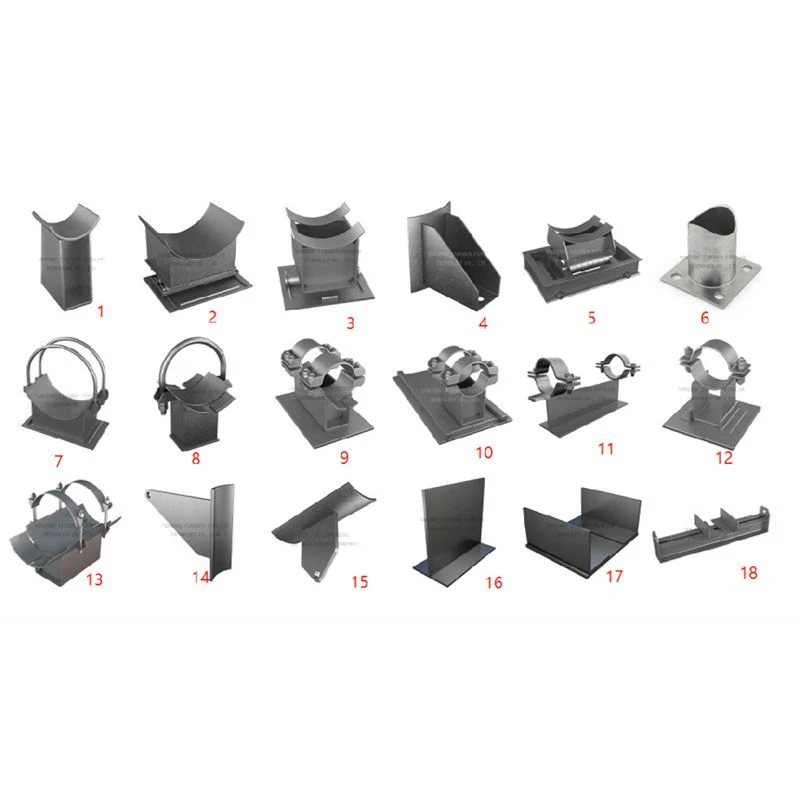
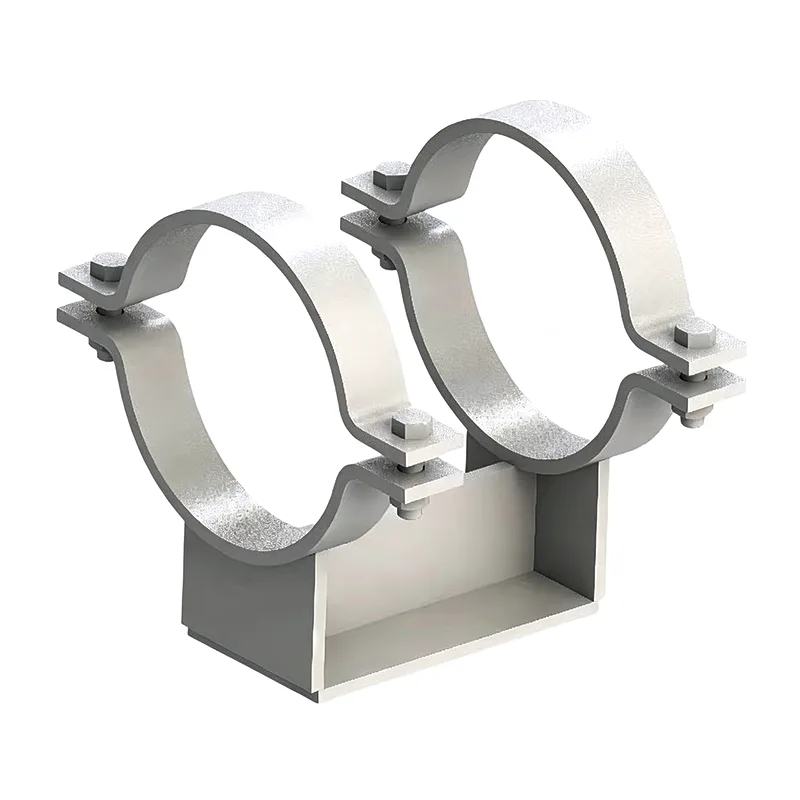
|
Parameter Table
|
Example
|
|
Support Type
|
Rigid, Spring, Roller, Sliding
|
|
Pipe Size (NPS/DN)
|
1/2" to 60" (DN15 - DN1500)
|
|
Material Standard
|
ASTM A36, SS304, SS316, A105
|
|
Design Standard
|
MSS SP-58, ASME B31.1
|
|
Max. Design Load
|
Up to 1000 kN
|
|
Temperature Range
|
-29°C to +650°C
|
|
Surface Protection
|
Hot Dip Galvanized (HDG), Epoxy
|
|
Clamping Style
|
Two-bolt, Three-bolt, U-bolt
|
|
Insulation Type
|
Hot Insulation / Cold Insulation (Cryogenic)
|
We can also provide bonded PTFE on a stainless steel backing plate for high‑load sliding applications. The coefficient of friction typically falls between 0.05 and 0.10 for lubricated PTFE, which is the value most pipe stress engineers use in their flexibility analysis.
Standards We Follow
Pipe shoes are fabricated to the same piping support standards we apply to our full product range:
ANSI/MSS SP‑58 – Materials and design of pipe supports
ASME B31.3 / B31.1 – Process and power piping
EN 1090 – Structural steel fabrication (for CE‑marked projects)
GB/T 17116 – Chinese standard for pipe supports
Our factory quality system is ISO 9001:2015 certified, and we can supply full EN 10204 3.1 material certification for every shoe batch.
Frequently Asked Questions
Q1: What height should my pipe shoe be?
The shoe height is determined by the insulation thickness plus a clearance of 10–25 mm. For example, a pipe with 100 mm of mineral wool insulation would typically need a shoe height of 120–125 mm to keep the insulation clear of the support steel. We'll calculate this from your piping specification if you give us the pipe size and insulation schedule.
Q2: When do I need a PTFE slide plate on the shoe, and when can I just weld a carbon steel base?
If the pipe is expected to move axially under thermal expansion, a PTFE or polished stainless sliding surface reduces friction and the resulting reaction loads on equipment nozzles. Fixed or anchor points don't need a slide plate. Your pipe stress report will tell you which supports are sliding and which are fixed.
Q3: Can you supply pre‑insulated pipe shoes for cryogenic service?
Yes. We manufacture shoes with a rigid foam or cellular glass insulation block bonded into the steel saddle. The base plate extends below the insulation, and the whole assembly is designed to prevent cold transfer and condensation. These are commonly specified for LNG, ethylene, and chilled water lines.
Q4: What's your delivery lead time for custom pipe shoes?
Simple carbon steel shoes without PTFE: 12–18 days. Shoes with bonded PTFE pads or stainless steel hardware: 20–25 days. Large‑diameter shoes for 24" or bigger pipe may take a little longer. We'll confirm the exact schedule with your quotation.
Q5: Do you need drawings, or can you design the shoe from basic data?
Both work. If you have a standard shoe drawing, we'll fabricate exactly to it. If you only have pipe size, insulation thickness, and load, we can propose a design for your approval — no engineering fee for standard configurations.
Quality Control on Every Shoe
Even though a pipe shoe looks simple, we run a consistent QC process:
Material check against heat numbers and mill certificates
Dimensional verification of saddle radius to ensure correct fit on the pipe OD
Weld visual inspection, with PT or MT available if required
Bond integrity check on PTFE pads (tap test and visual)
Final dimensional check — height, base plate flatness, bolt hole spacing
Coating inspection
Each shoe or batch of shoes is tagged with a unique number that cross‑references your support list. You can walk the package and match every piece to the isometric without opening a drawing.
Customization Options We Handle Often
Standard pipe shoes are a starting point for us. We regularly modify them for specific jobs:
Extended base plates for wide‑flange beams
Angled shoes for sloping pipe racks
Split‑shell shoes for retrofitting onto existing lines without cutting
High‑temperature alloy saddles (e.g., P11, P22) for furnace and reformer piping
Dual‑slide plates with lateral stops for guided sliding shoes
Fire‑resistant shoe designs with intumescent coating or mineral wool inserts
The more information you give us about the installation, the better we can tailor the shoe to prevent site modifications later.
Things We've Learned From the Field
On high‑temperature lines, always allow for pipe expansion when locating the shoe weld. A shoe welded at the wrong position during cold installation can walk off the supporting steel when the line heats up.
PTFE pads need to be protected during sandblasting and painting on site. We usually mask them, but a reminder to the site crew never hurts.
If the shoe sits on a galvanized structure, a stainless steel or PTFE contact surface is preferable to avoid zinc embrittlement and uneven corrosion.
For large heavy‑wall pipe, a full‑saddle shoe distributes the load better than a flat bar shoe and reduces the risk of local pipe wall overstress. We can run a quick calculation if you share the pipe schedule and load.
Why Tianshun for Pipe Shoes?
Pipe shoes are the unsung workhorses of a piping system, and we treat them with the respect they deserve. Every shoe we ship is fabricated in‑house from our own inventory of steel plate, pipe, and structural sections. That means we control the quality from raw material to final paint. It also means we can react quickly when a project adds 50 extra shoes at the last minute.
We've supplied pipe shoes for methanol plants, floating LNG facilities, district heating networks, and pharmaceutical clean utility lines. Over 70% of our business comes from repeat orders because our shoes fit the pipe, slide when they should, and don't rust through in the first year.
If your project needs pipe shoes, pre‑insulated pipe supports, or a complete package of spring supports and hangers, send us your support schedule or standard drawings. We'll provide a factory‑direct quotation, competitive pricing, and a delivery timeline you can plan around. A visit to our Yangzhou factory is welcome anytime — you'll see exactly how we cut, weld, and finish every shoe before it leaves.