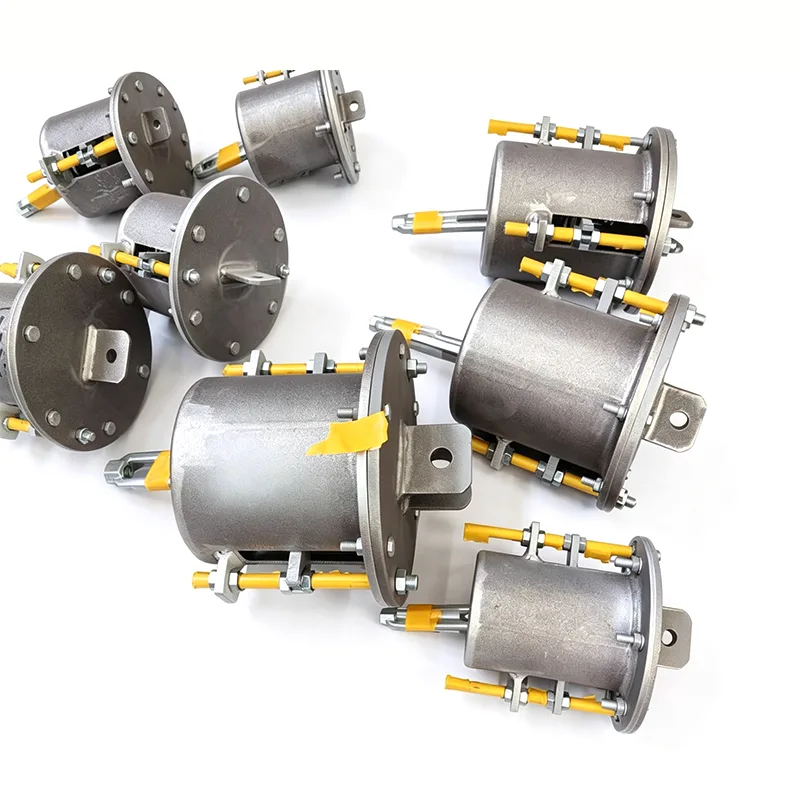
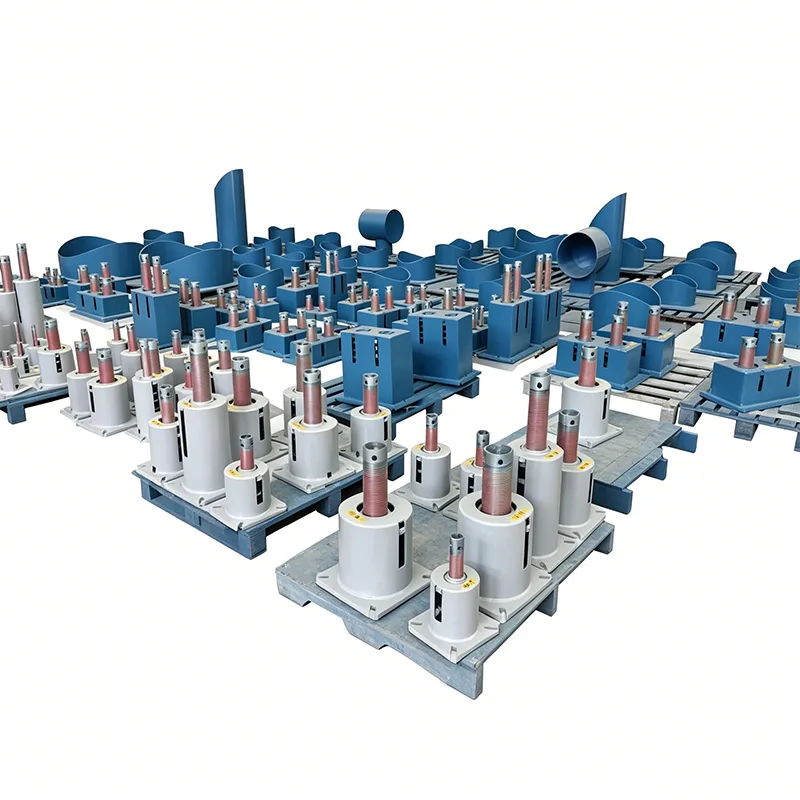
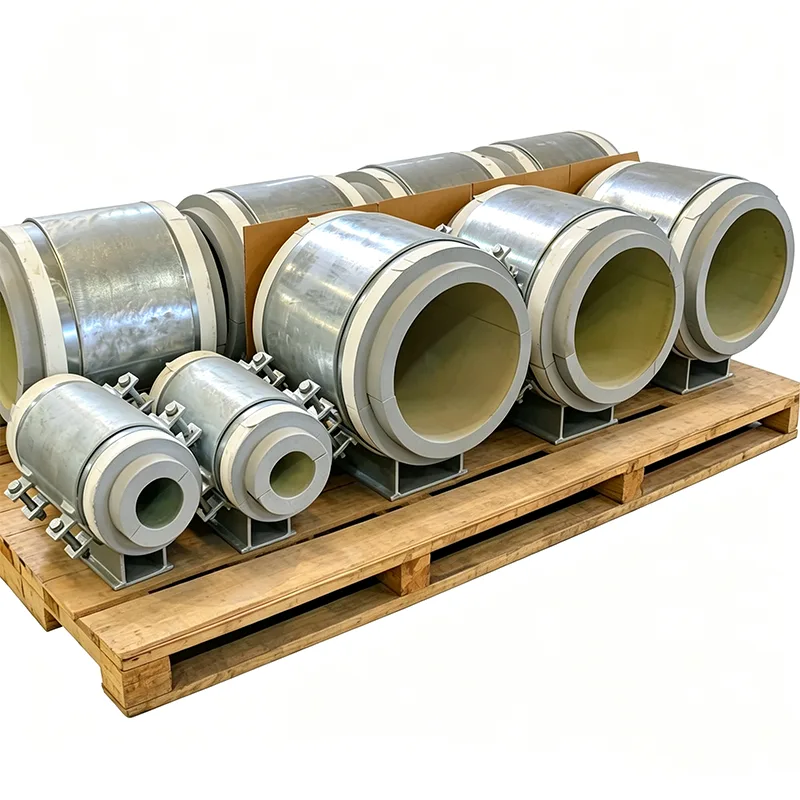
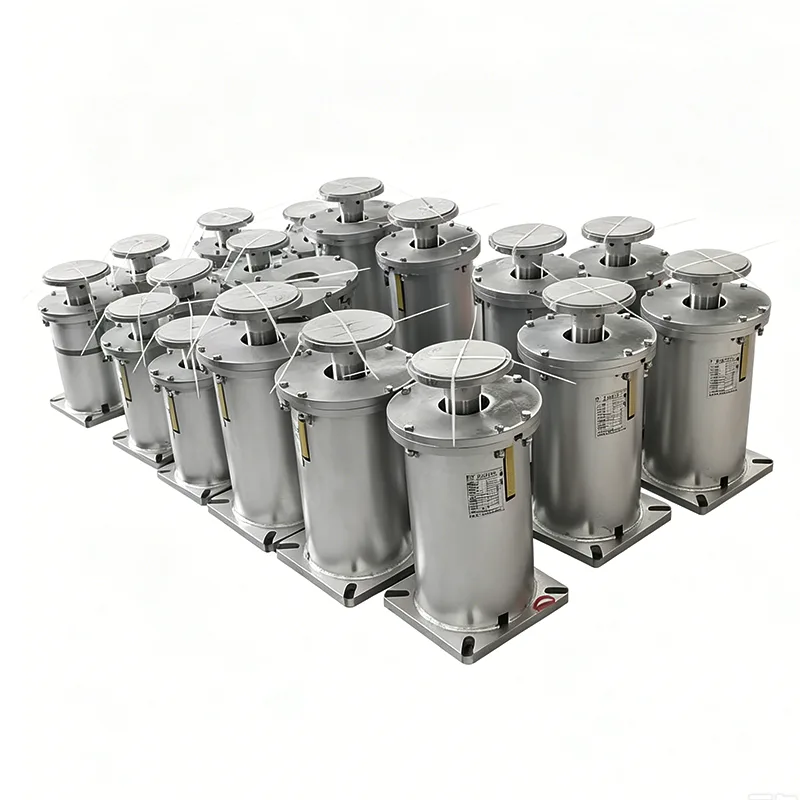
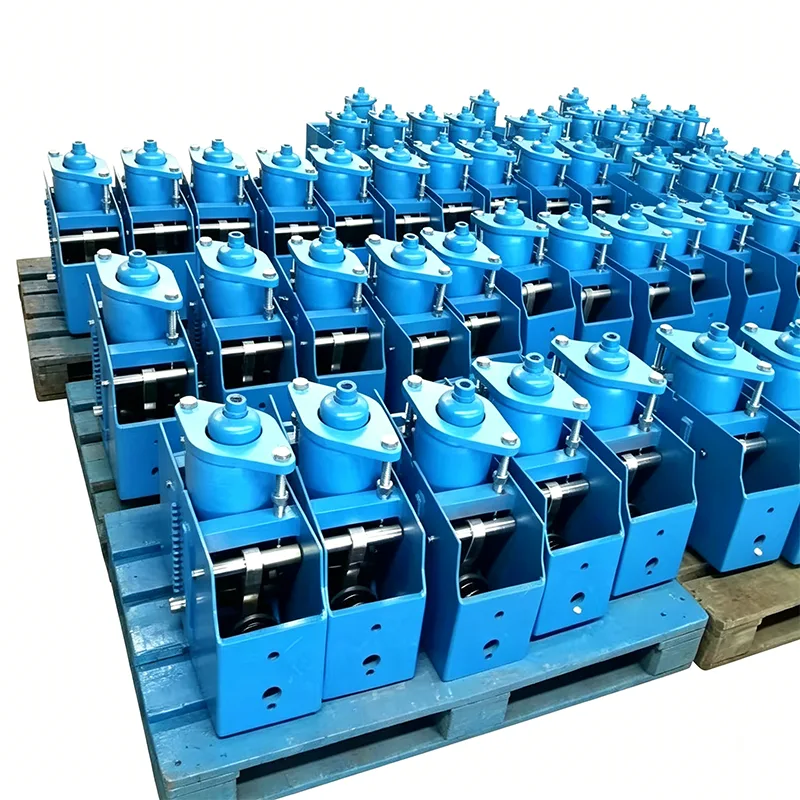
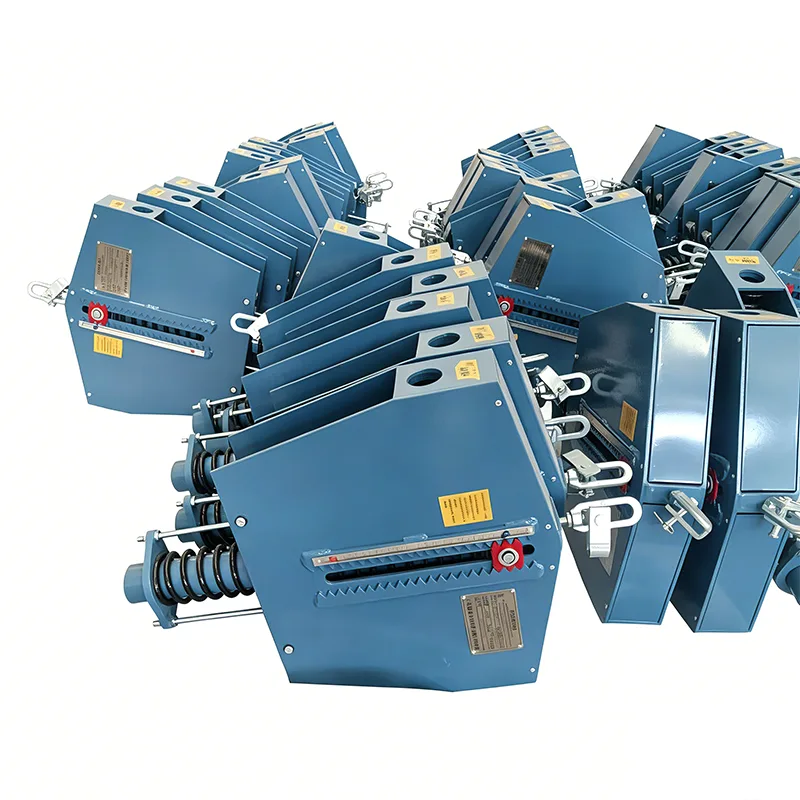
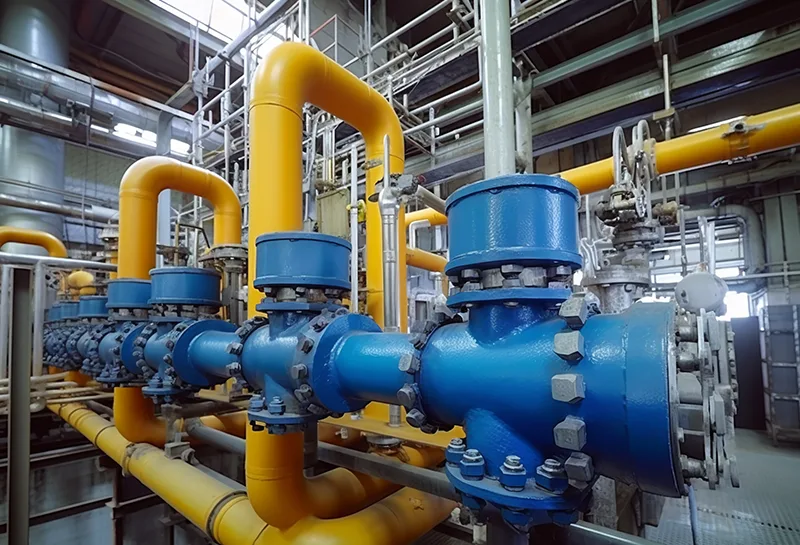
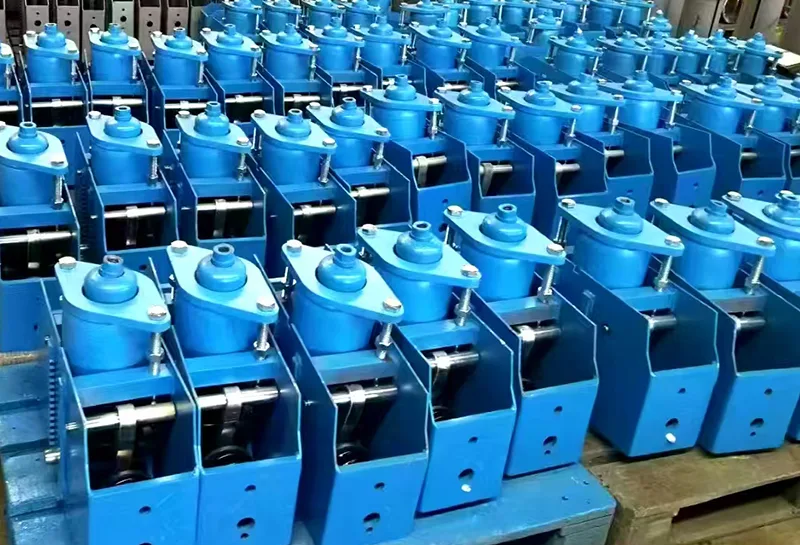
Constant Spring HangerApplicable to: thermal power / nuclear power, oil and gas refining, LNG, coal chemical industry high-temperature and high-pressure pipelines, following MSS SP-58/SP-69, ASME B31.3, JB/T8030, SH/T3073 standards.
Key Principles and Working Points (Constant Torque Core)
Torque balance principle: Utilizing a lever / cam + spiral spring structure, as the pipeline heats up or cools down, the spring expands and contracts. The lever automatically adjusts the force arm, and the spring torque cancels out the pipeline load torque throughout the entire process, resulting in a constant load output throughout the entire stroke.
Hardness indicators for load accuracy: Load fluctuation within the full rated stroke ≤ ±6% (mandatory for energy projects), superior to ±25% for variable springs; for heavy nuclear power / hydrogenation devices, control ≤ ±3%.
Spring only undergoes minor deformation: Compared to the large compression throughout the variable spring, the constant-hanging spring has an extremely small expansion and contraction amount, resulting in low fatigue loss from cold and hot alternating cycles, and suitable for the annual start-stop cycling conditions of energy devices.
Key Points of Selection and Design (Early Stage)
Three Parameter Elements
Cold Load: Installation of normal temperature self-weight (pipe + insulation + medium empty weight)
Hot Load: Full-load operating medium full weight
Total Vertical Travel: Thermal expansion up and down displacement. The selection should reserve 15% - 20% safety margin. The pointer should not touch the upper and lower limit blocks.
Selection Criteria Threshold: Vertical thermal displacement of a single lifting point > 12mm, difference in cold and hot loads > 25% (spring ban used), the equipment pipe opening (turbo generator / compressor / heat exchanger) must use constant lifting.
Material Matching for Operating Conditions
Thermal Power High Temperature (> 450℃): 50CrVA high-temperature resistant alloy spring
Offshore Oil and Gas / Coastal Refinery: C5-M heavy anti-corrosion shell, stainless steel pin shaft
LNG Low Temperature (-196℃): Low-temperature specific quenched spring steel, avoid low-temperature fracture.
Key Points for On-Site Installation (Essential for Energy Projects)
Prohibit unlocking the factory lock before installation
Install factory-standard transportation locking pins (Lock Pin) and maintain the locking rigidity throughout the pipeline water pressure test, which can withstand twice the rated test pressure overload; unlock only after the test is qualified and the pipeline system is in place.
Cold-state positioning and calibration
After connecting the pipeline with the lifting rod, slightly adjust the turnbuckle to fine-tune the load, aligning the pointer with the white cold-state COLD scale; the pin shaft can be easily pulled out by hand to represent the load matching the design value.
Hot-state verification upon heating
After the device reaches the rated operating condition, the pointer should fall within the red hot-state HOT scale range to be considered qualified; if the pointer exceeds the upper/lower limit, it needs to be recalculated and the lifting frame specification replaced.
Key Points for Operating Condition Control (Energy Hazardous Pipeline)
Prohibit lateral force: The constant hoisting only bears vertical loads. The pipeline's horizontal thermal expansion is matched with guiding supports to prevent the hoisting rod from deviating and the shell from being stuck due to lateral torsion.
Control of vibrating pipelines: Pipeline lines at the inlet and outlet of compressors and pumps (oil and gas / thermal power with high-frequency vibration), add limit plates to the hangers to prevent high-frequency impact and wear of the pin shaft by the connecting rods.
Control of extreme operating conditions: Large temperature variations during start-up and shutdown, and foundation settlement of the equipment, regularly check pointer deviations; if there is jamming or abnormal noise, immediately stop the machine for maintenance.
Key Points of Daily Inspection & Maintenance Work
Regular Inspection Cycle (Standard for Energy Facilities)
Monthly: Surface anti-corrosion, shell deformation, pointer position, thread integrity of the lifting rod
Quarterly: Manual verification of the flexibility of the connecting rod movement, no jamming, no abnormal friction noise
Annual: Load re-measurement, pin shaft lubrication, anti-corrosion repainting; for offshore platforms, the inspection frequency is shortened to once every half a year.
Fault Handling
Pointer exceeds red and blue scale: On-site fine-tune the lifting rod load, replace the lifting frame if it exceeds the adjustment range
Spring cracks, connecting rod deformation: Immediately isolate the pipeline and shut it down for replacement
System Renovation Must Re-inspect: Pipeline expansion, change of medium/temperature parameters, re-calculate the load and stroke, replace with matching lifting frame.
Key Points for Specialized Use Scenarios in the Energy Industry
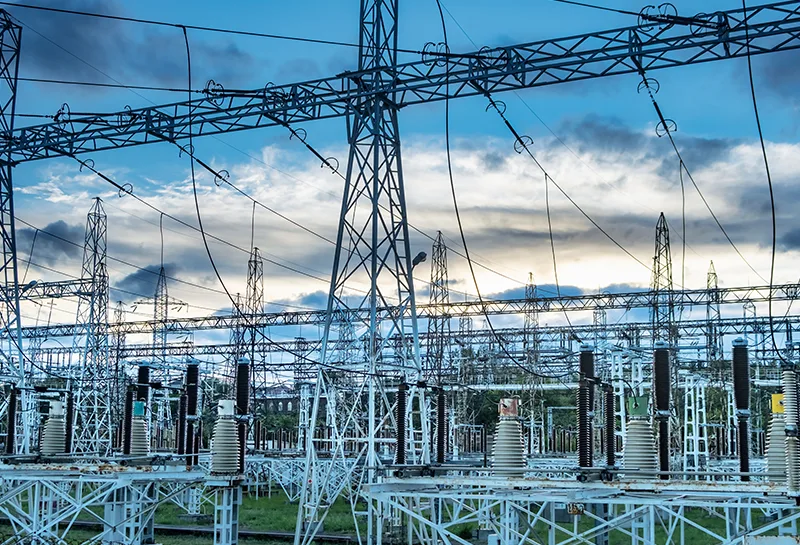
Thermal Power / Nuclear Power: Main steam, reheating, high-temperature feedwater large displacement main pipe, steam turbine cylinder auxiliary lifting pipe, strictly control additional stress at pipe openings to prevent unit vibration and leakage.
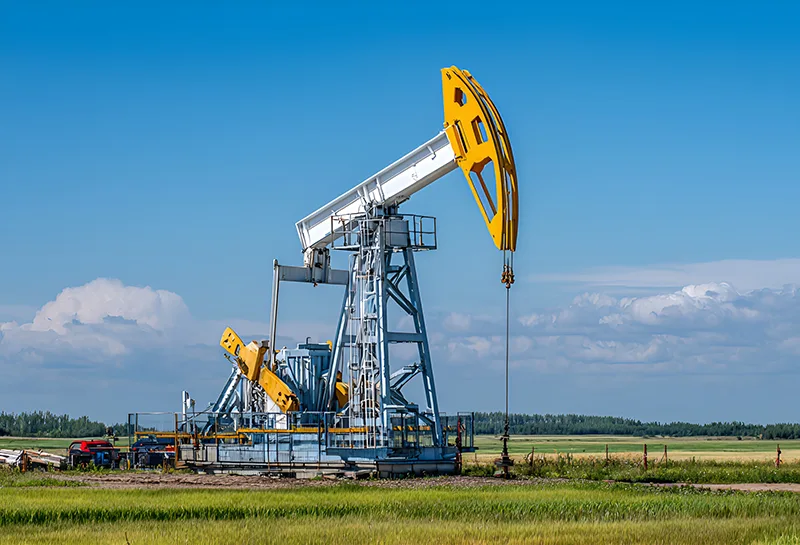
Refining / Oil and Gas: Hydrogenation unit, outlet of heating furnace, reforming high-temperature pipeline, tower outlet pipeline, high-temperature and high-pressure + medium corrosion environment standard for constant lifting.
LNG Low Temperature: External pipelines of low-temperature storage tanks, BOG process pipelines, large low-temperature contraction displacement, select low-temperature customized constant lifting.
We use cookies to offer you a better browsing experience, analyze site traffic and personalize content. By using this site, you agree to our use of cookies.Privacy Policy