No.115 Yunhe North Road, Yangzhou City.Shuzhou, China +86-13032562550 jsts2021@yeah.net
Follow Us -
News

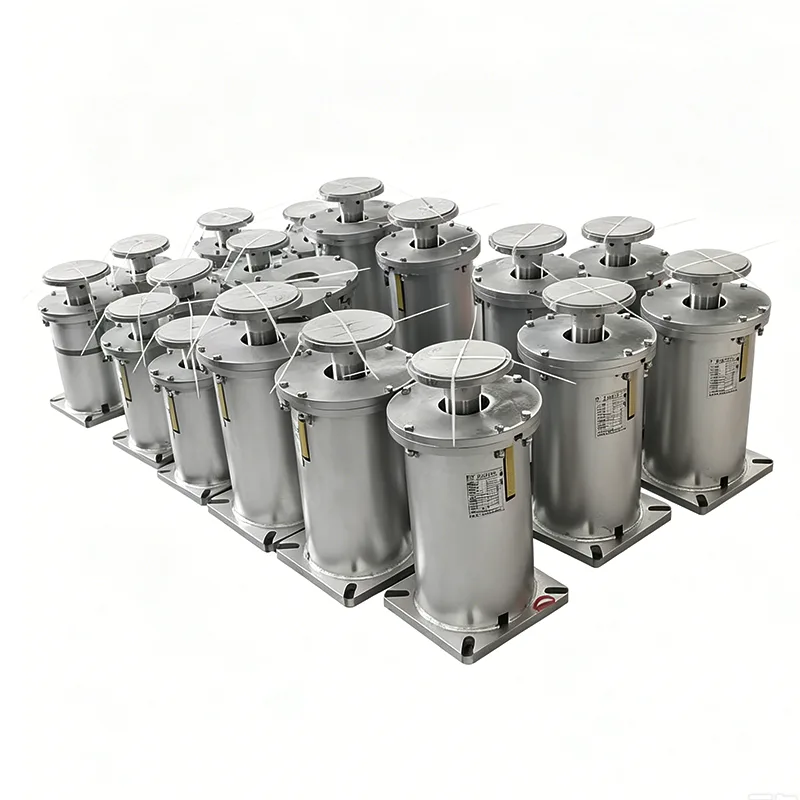
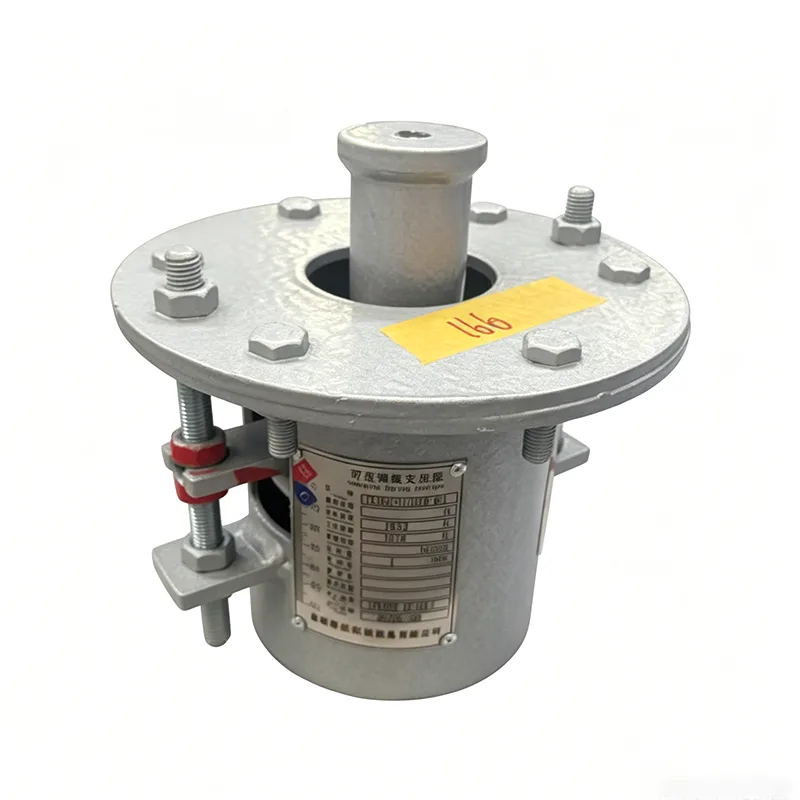
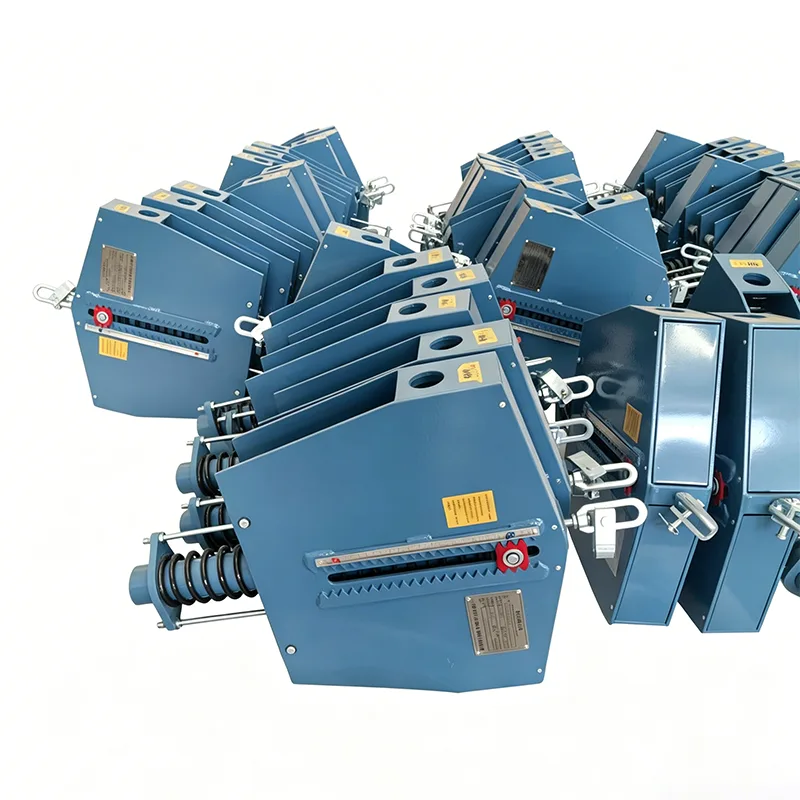
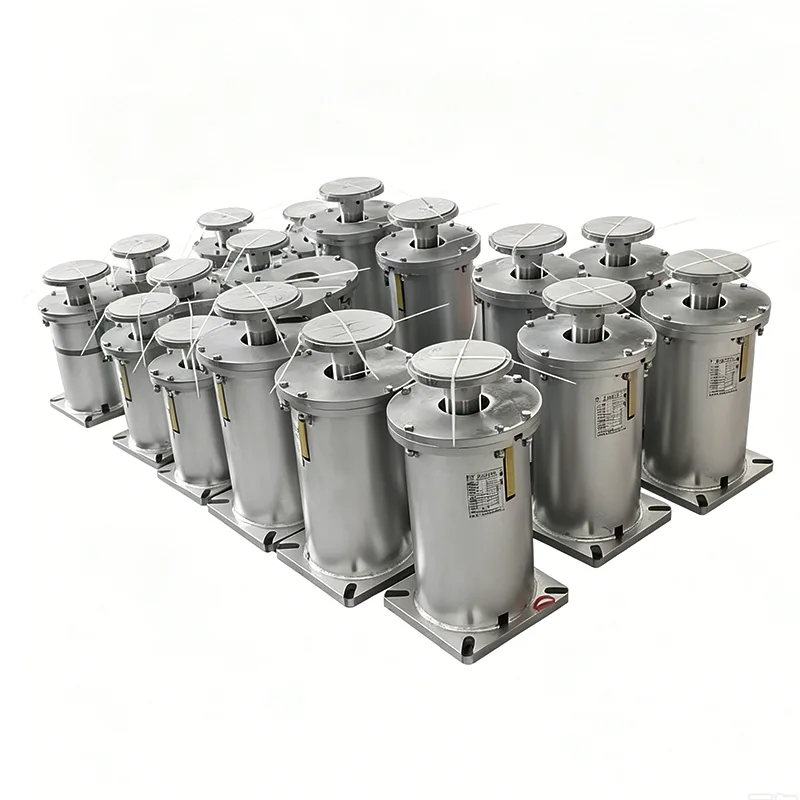
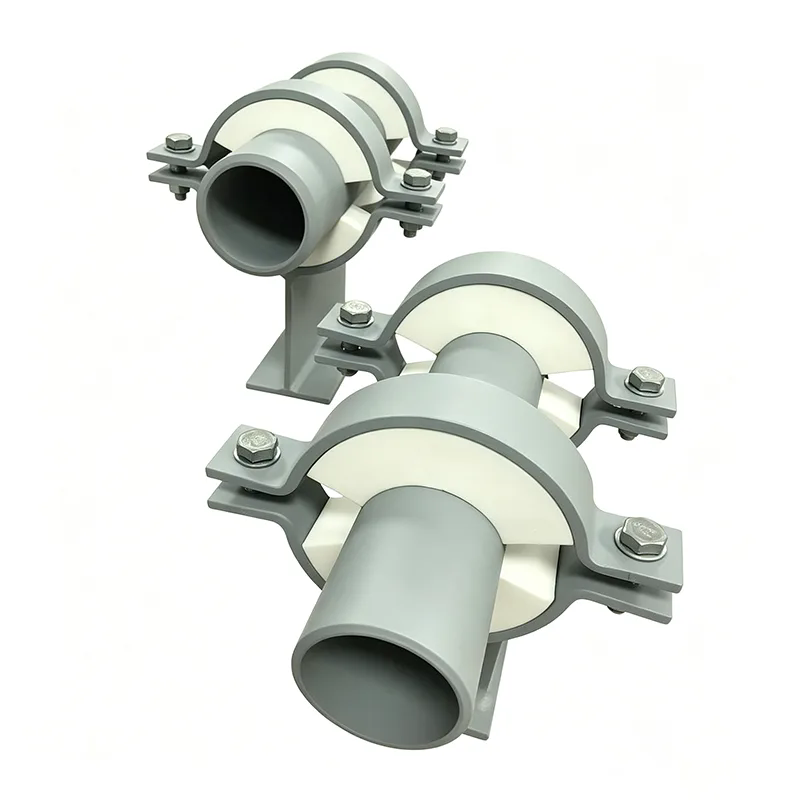
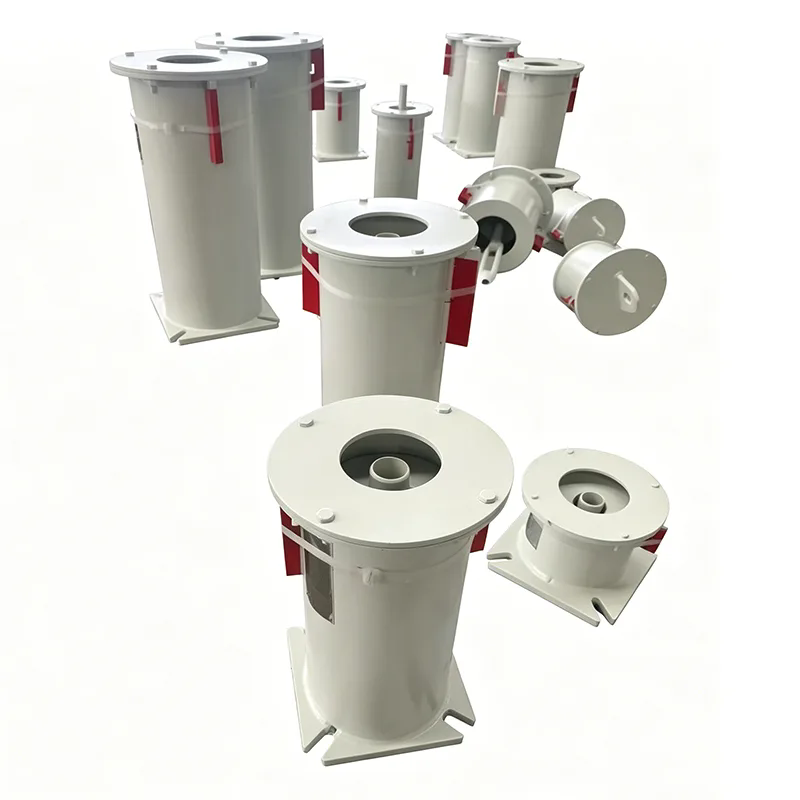
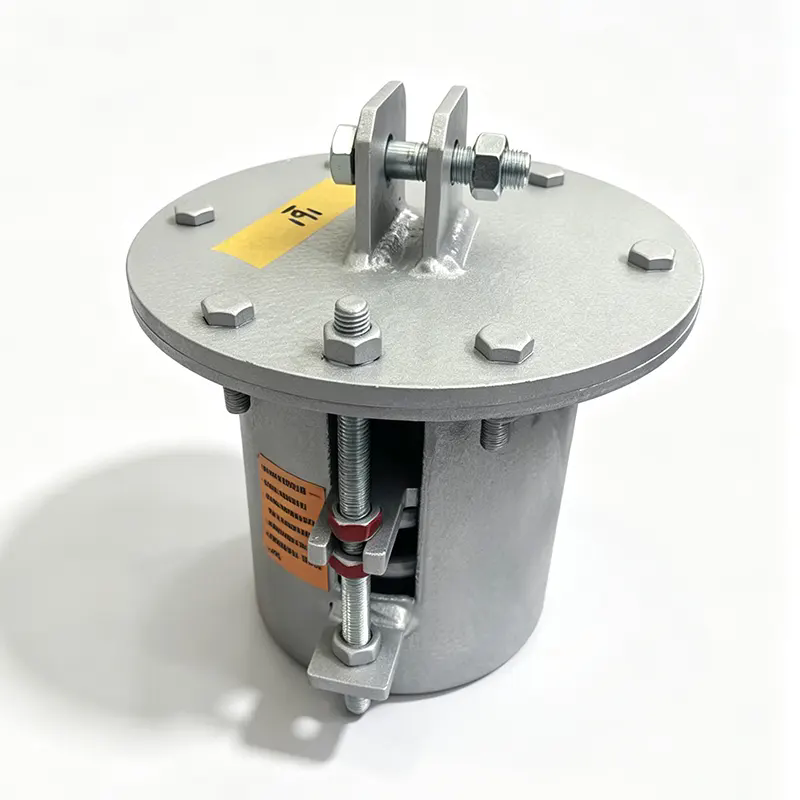
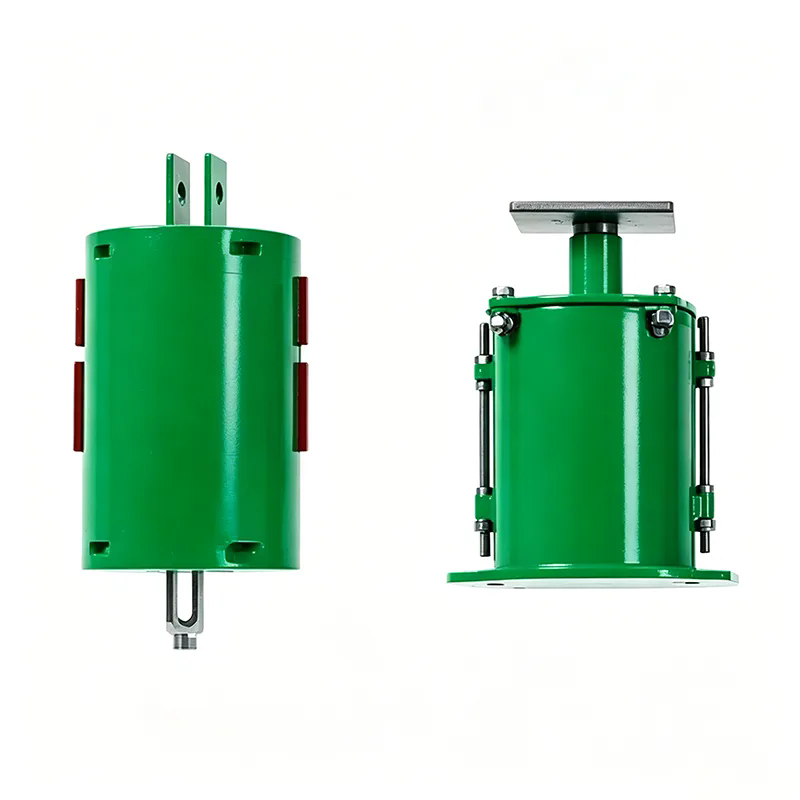
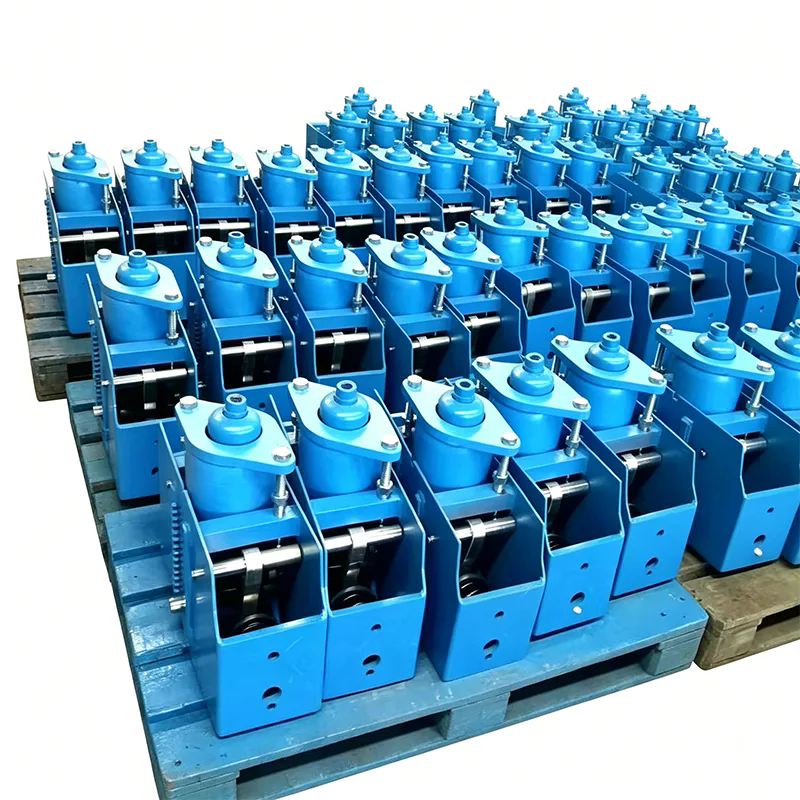
The core advantages of Heavy Duty Constant Spring Support.

2026-06-03 0 Leave me a message

Applicable to high-temperature and large-diameter pipelines in the oil and gas, refining and power industries. Compared with variable springs, it is summarized from four aspects: load, working conditions, durability and operation maintenance.


Constant load output (the core advantage)

During the entire process of vertical displacement caused by thermal expansion and contraction of the pipeline, the supporting load remains basically constant and unchanged, with the load fluctuation being less than ±6% (in accordance with national standards / ASME standards).


The spring load changes with the displacement (maximum ±25%). For heavy-load and high-temperature pipelines, the thermal displacement is large, making the load easily exceed the limit. Constant suspension completely avoids overloading at the pipe opening and suspension.

Protect equipment pipe connections: API pipe connections for compressors, steam turbines, heat exchangers, and large pumps. Avoid leakage caused by changes in thermal expansion loads and stress cracking at the flange connections of the equipment.


Suitable for large stroke and large vertical thermal displacement conditions

The stroke of a single unit is much larger than that of the variable spring. The stroke of the conventional heavy-duty models ranges from 50 to 500 mm; it is the first choice for high-temperature, thick-walled, and large-diameter oil and gas pipelines with large thermal expansion.


Not constrained by the compression limit of the spring, pipelines with large settlement and large thermal displacement do not need to add supports in segments, thus reducing the number of support points.


Heavy-duty carrying capacity is strong

The rated load of each single unit of the heavy-duty model ranges from 5kN to several hundred thousand Newtons. It is suitable for high-temperature thick-walled process pipes, boiler headers, and auxiliary pipelines of heavy-duty refining and chemical equipment.


The overall box body combined with the lever and connecting rod mechanical structure has high structural rigidity, is resistant to impact and instantaneous water hammer loads, and is superior to the single-plate spring force structure with variable springs.


Pipeline stress optimization, reducing design costs

Constant load → The primary and secondary stresses of the pipeline can be controlled, meeting the ASME B31.3 and SH/T3073 pipeline stress standards;Stress calculation is easier to carry out, reducing additional costs such as pipe thickening, reinforcement, and installation of expansion joints.


Resistant to fatigue, long service life (advantage in heavy-load conditions)

Based on the principle of lever balance, the spring only undergoes small reciprocating expansion and contraction, with the expansion and contraction amount being much smaller than that of a variable spring; the fatigue loss caused by temperature changes is extremely low.


The oil and gas pipelines operate under continuous alternating conditions of start-stop and frequent temperature variations, and are less prone to spring fatigue failure.


The heavy-duty model features a thickened shell and a quenched and tempered pin shaft. It can be subjected to heavy anti-corrosion treatment (C5-M) in marine/chemical corrosion environments and is durable for use on open platforms.


Installation and Operation Advantages

The device is equipped with a built-in locking mechanism. It is locked during the water pressure test and unlocked upon commissioning. No on-site repeated load adjustment is required after operation.


The vibration performance of the pipeline (at the compressor inlet and outlet) is superior to that of the variable spring, reducing the frequency of subsequent inspection and adjustment.


Suitable for harsh operating conditions

High temperature (above 550℃), low-temperature LNG, large settling devices, coastal salt spray / sulfur-corrosive oil and gas facilities, the load-holding adaptation range is wider.


Related News
Leave me a message
X
We use cookies to offer you a better browsing experience, analyze site traffic and personalize content. By using this site, you agree to our use of cookies.Privacy Policy
RejectAccept