No.115 Yunhe North Road, Yangzhou City.Shuzhou, China +86-13032562550 jsts2021@yeah.net
Follow Us -
Products
Tuned Mass Damper
  • Tuned Mass DamperTuned Mass Damper

Tuned Mass Damper

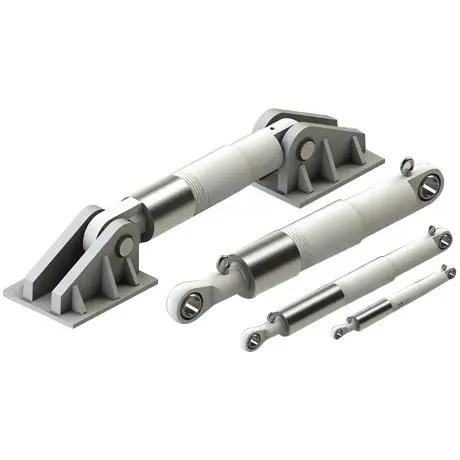
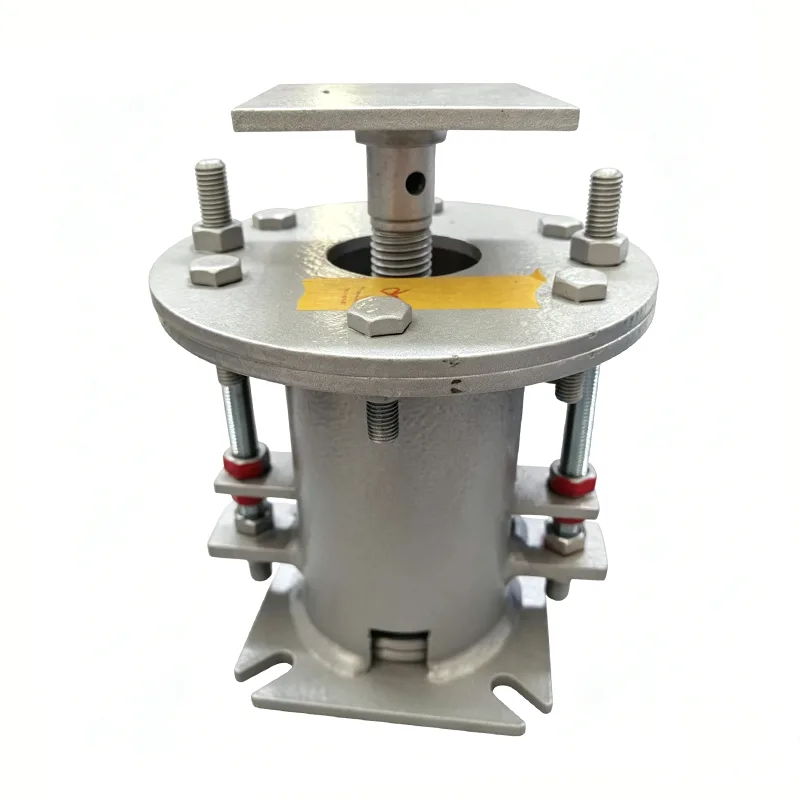
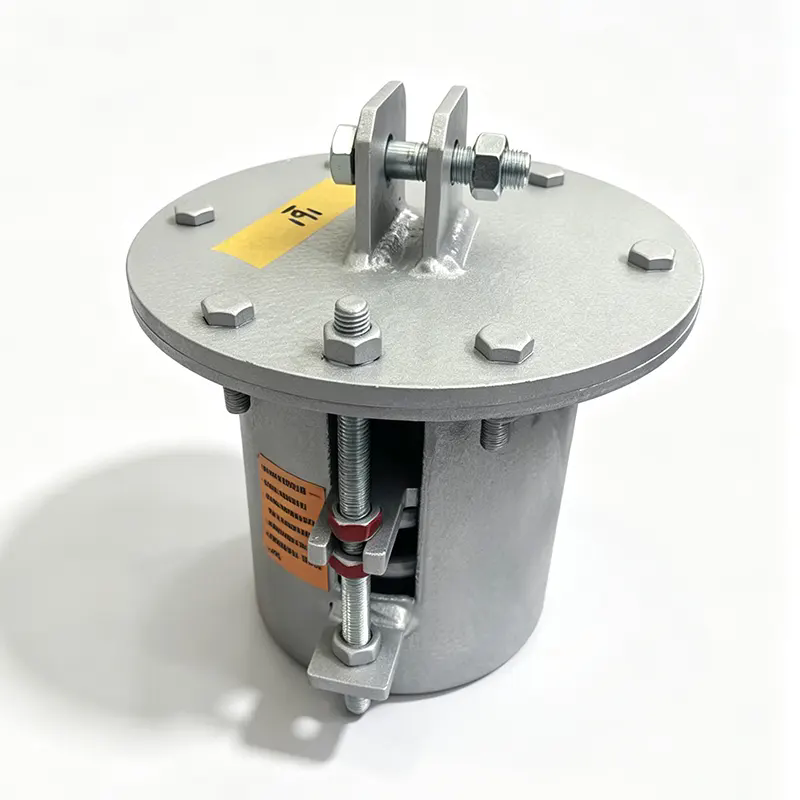
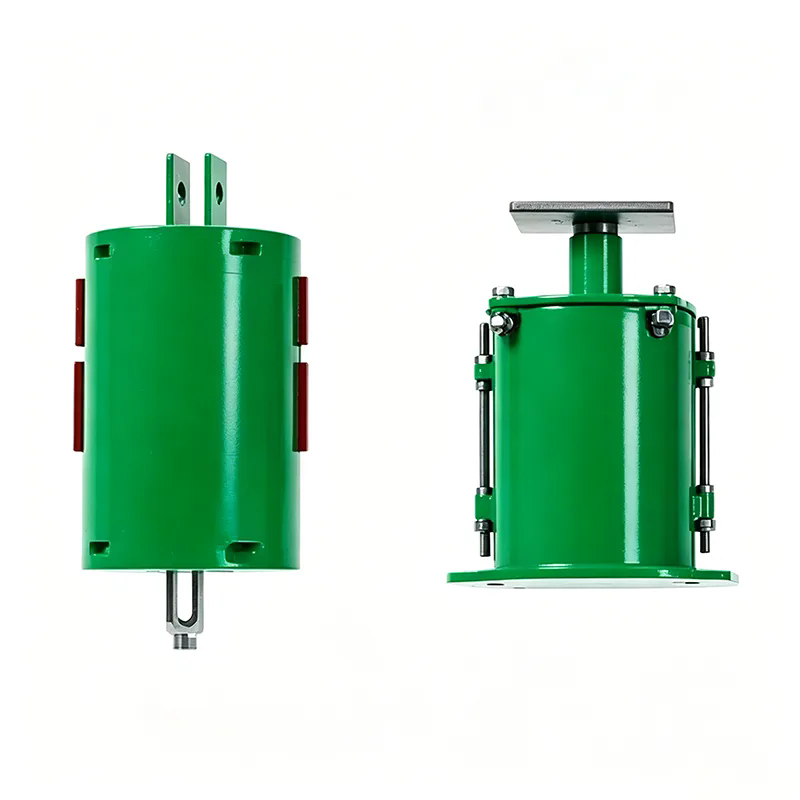
Yangzhou Tianshun brings over 20 years of damping expertise to every tuned mass damper we build. Custom TMDs with masses from 50 kg to 20,000 kg, frequencies 0.3–10 Hz, fluid viscous or eddy current damping, ISO 9001. Buy with confidence — request a quote, wholesale orders welcome, worldwide delivery.

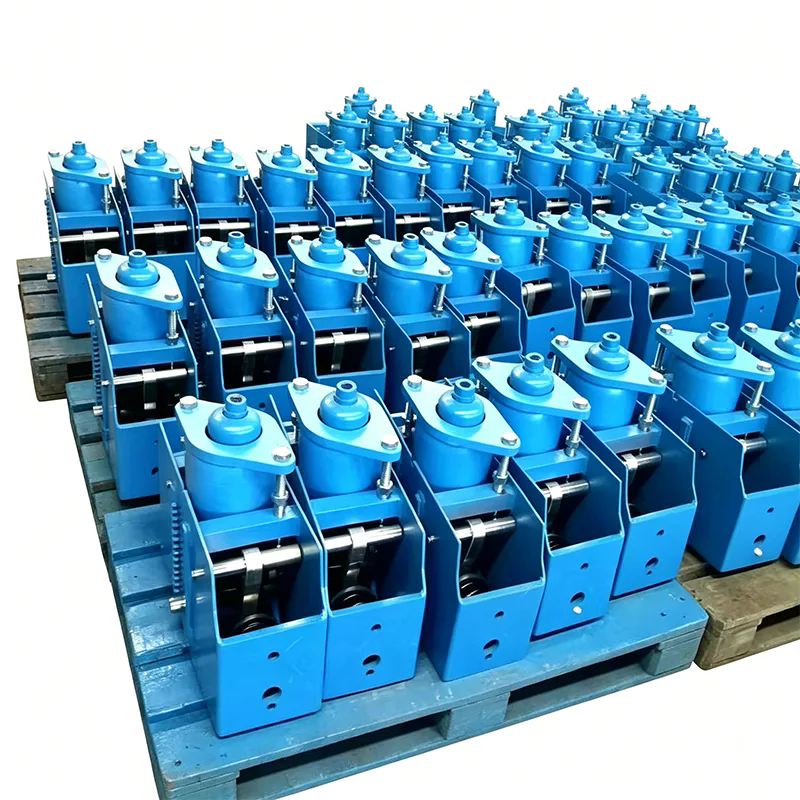
A tuned mass damper, often called a TMD or harmonic absorber, is a secondary mass-spring-damper system attached to a structure at a point of high vibration amplitude. Its job is to counteract resonant motion. When wind, pedestrian traffic, or machinery excites one of the structure’s natural frequencies, the TMD oscillates in opposition, drawing mechanical energy away from the primary structure and dissipating it as heat. The result is a noticeable reduction in sway, acceleration, and displacement, which improves occupant comfort, protects non-structural elements, and extends fatigue life.

Yangzhou Tianshun supplies tuned mass dampers for buildings, bridges, industrial stacks, and slender architectural features. The design and fabrication work is supported by more than two decades of damping technology experience, carried out under a quality management system that meets ISO 9001 requirements.

Tuned Mass Damper

How the three components are tuned to the structure

A TMD works because three parameters — mass, stiffness, and damping — are adjusted to match the dynamic characteristics of the host structure.

The mass is sized as a fraction of the modal mass of the target vibration mode. Typical mass ratios range from 0.5% to 5% of the modal mass, depending on the available space, the required performance, and the structural constraints. A larger mass generally delivers greater vibration reduction, but it also imposes additional gravity load on the floor or frame.

The stiffness, usually provided by coil springs or leaf springs, is selected so that the natural frequency of the TMD nearly coincides with the troublesome structural frequency. A small deliberate offset is sometimes introduced to broaden the effective bandwidth. When the structure begins to resonate, the TMD mass oscillates at almost the same frequency but out of phase, generating an inertial force that pushes back against the structure’s motion.

The damping element — often a viscous damper or an eddy current damper — controls the amplitude of the TMD’s own oscillation and determines how much energy can be removed per cycle. Too little damping gives a sharp but narrow response; too much locks the mass and cancels the benefit. The optimal damping ratio is calculated based on the mass ratio and the desired performance across the frequency range of interest.

Once these three parameters are set correctly, the TMD functions without external power, valves, or control signals. It responds automatically whenever the structure enters resonance, and it remains dormant under non-critical conditions.


Design and fabrication approach

Every TMD we deliver is a project-specific assembly. We begin with the modal analysis of the structure — the natural frequencies, mode shapes, and modal masses — usually supplied by the structural engineer of record. From this data we select the mass, calculate the required spring stiffness, and define the damping characteristics that will deliver the specified reduction in acceleration or displacement.

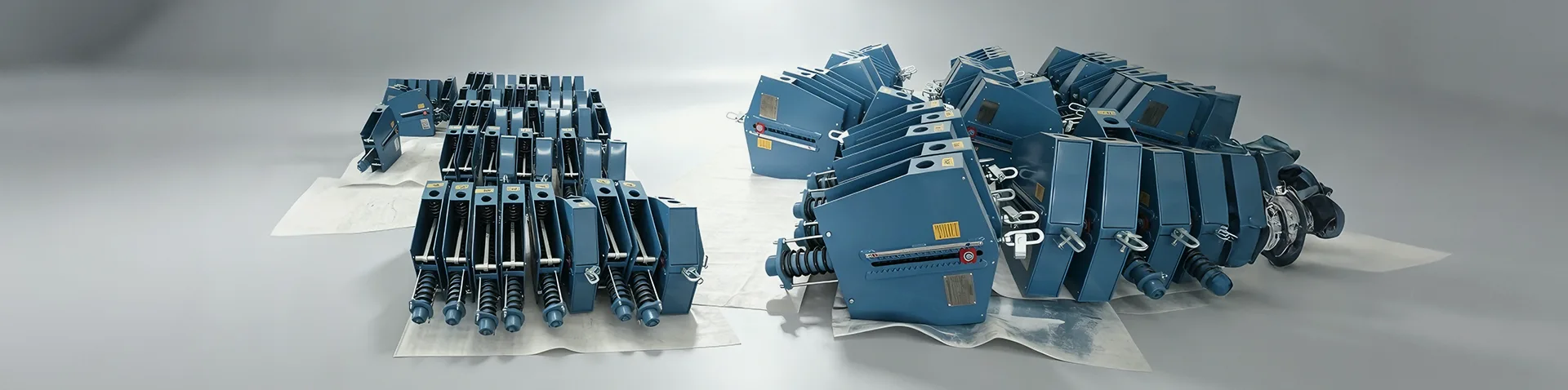
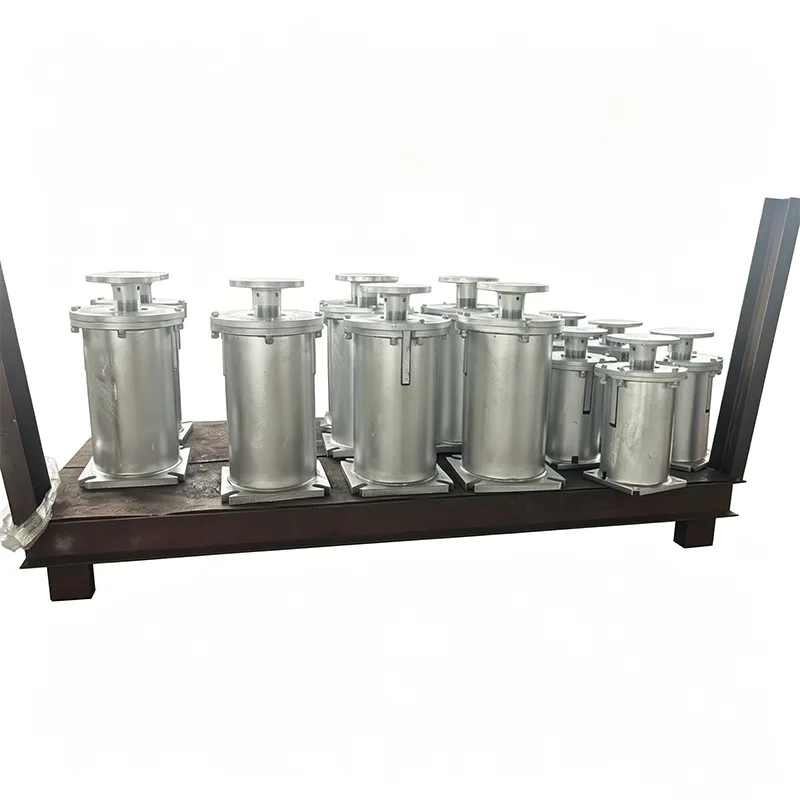
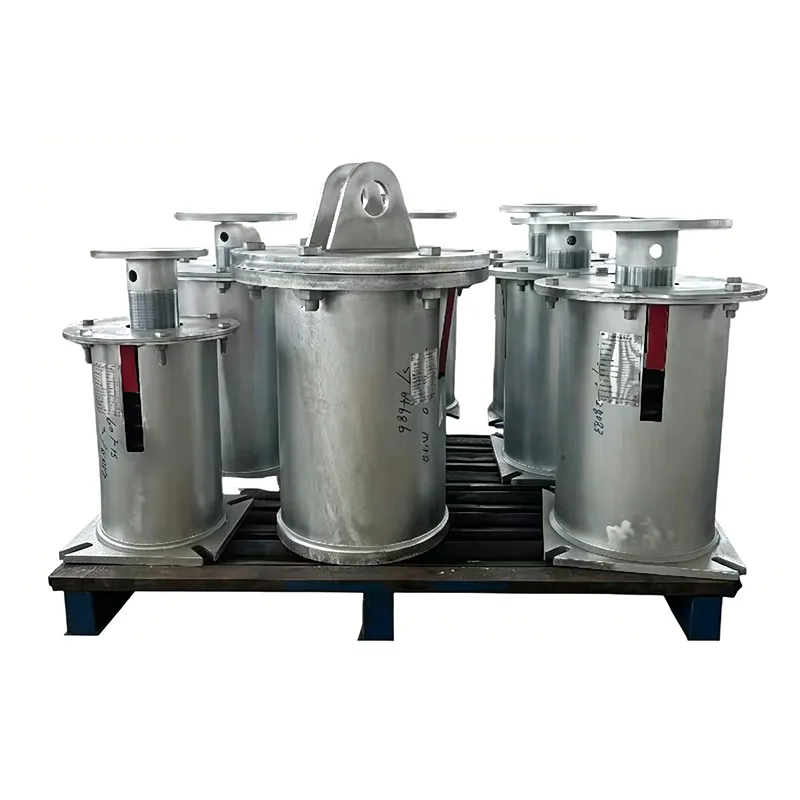
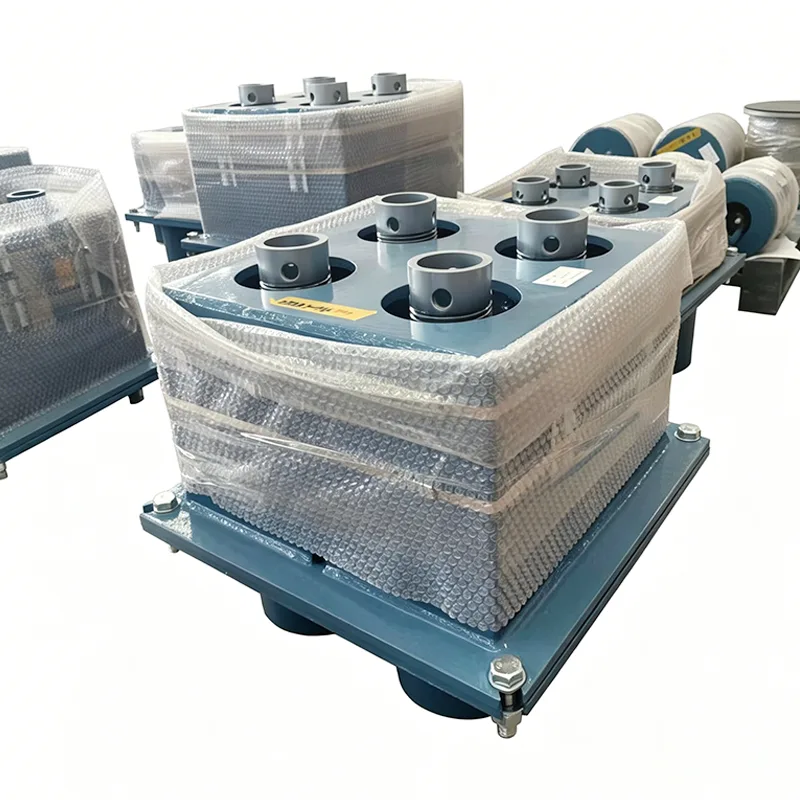
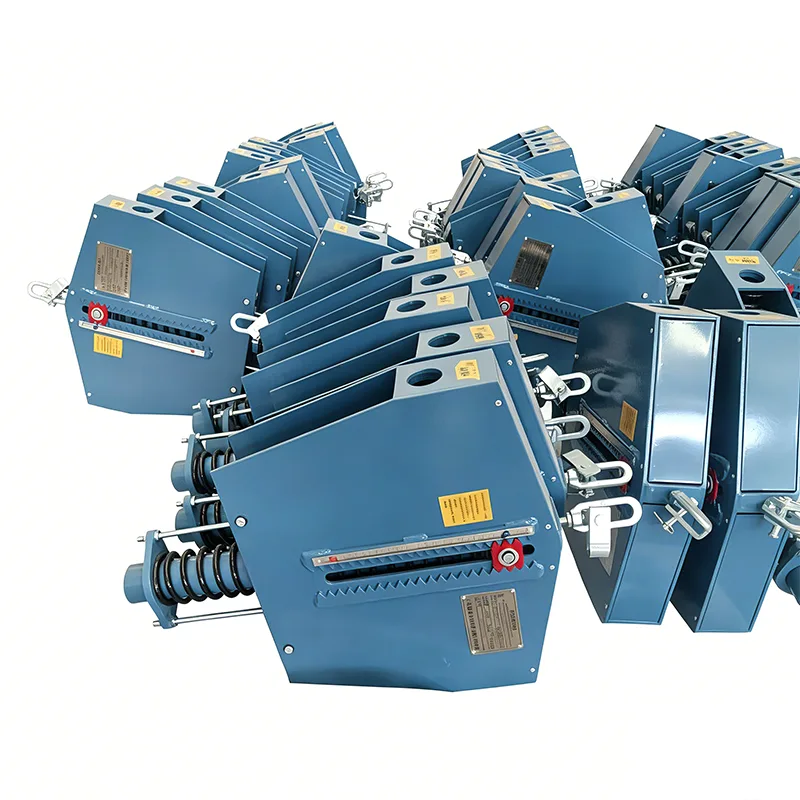
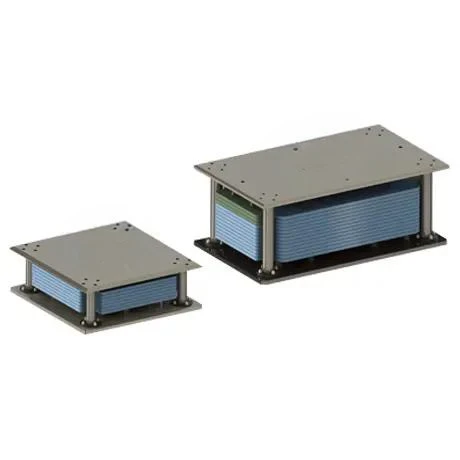
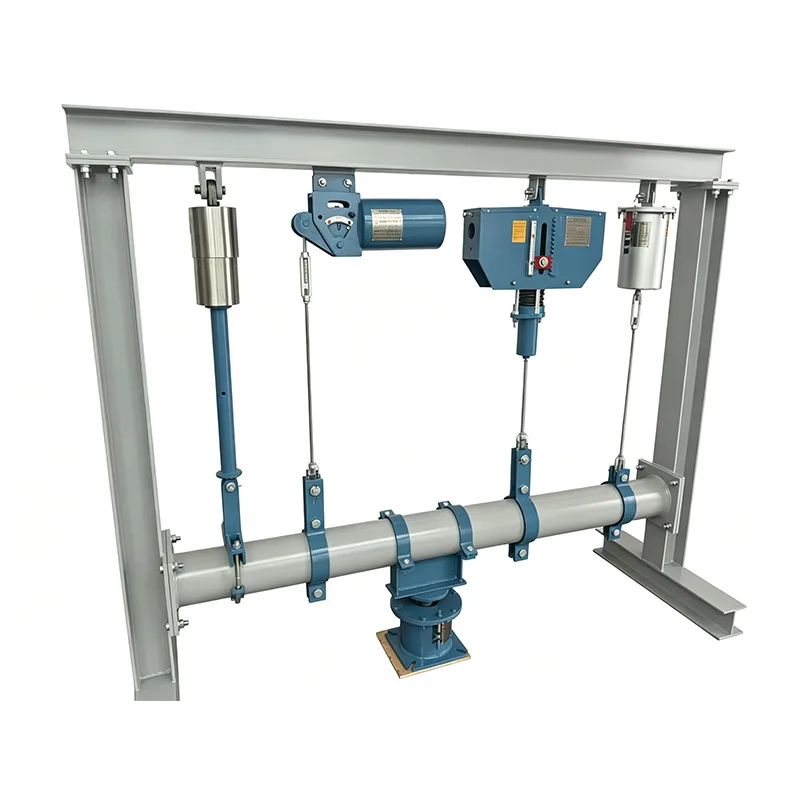
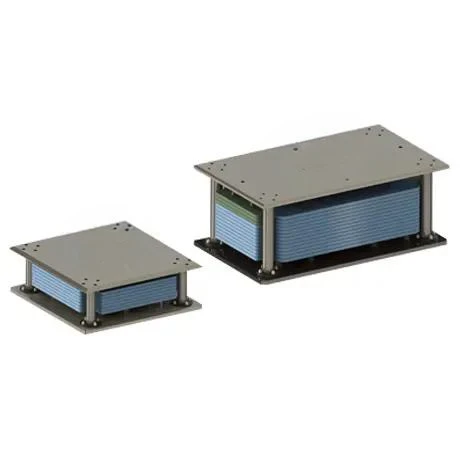
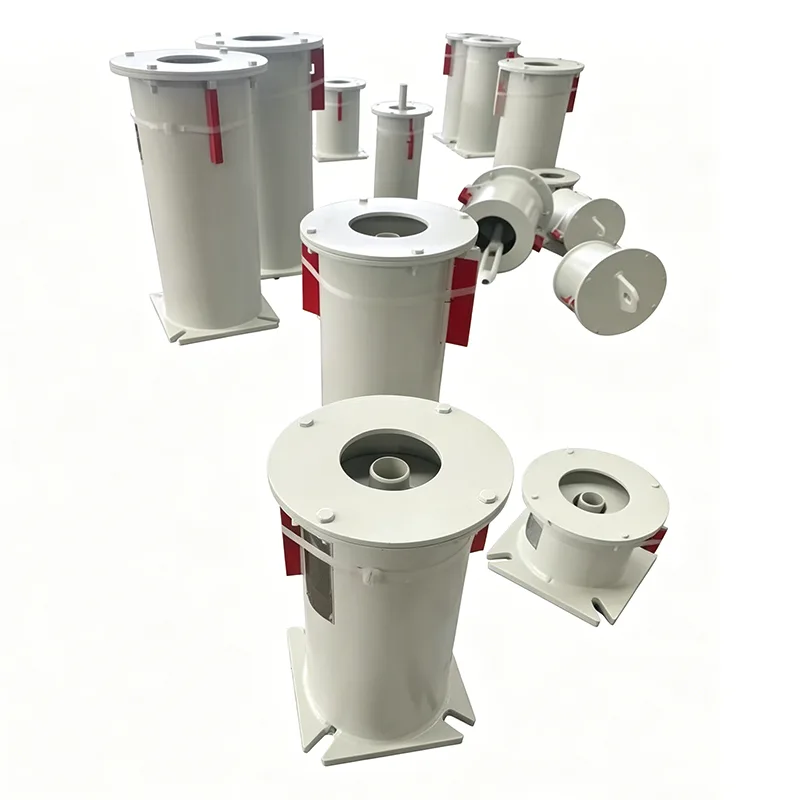
The mass body is typically fabricated from steel plates bolted or welded into a compact block. Springs are ordered from specialist manufacturers to the exact rate and fatigue life required. Damping can be achieved through fluid viscous elements, viscoelastic pads, or magnetic eddy-current systems, depending on stroke, lifetime, and maintenance preferences. All components are assembled and aligned in a rigid support frame that is then fixed to the structure.

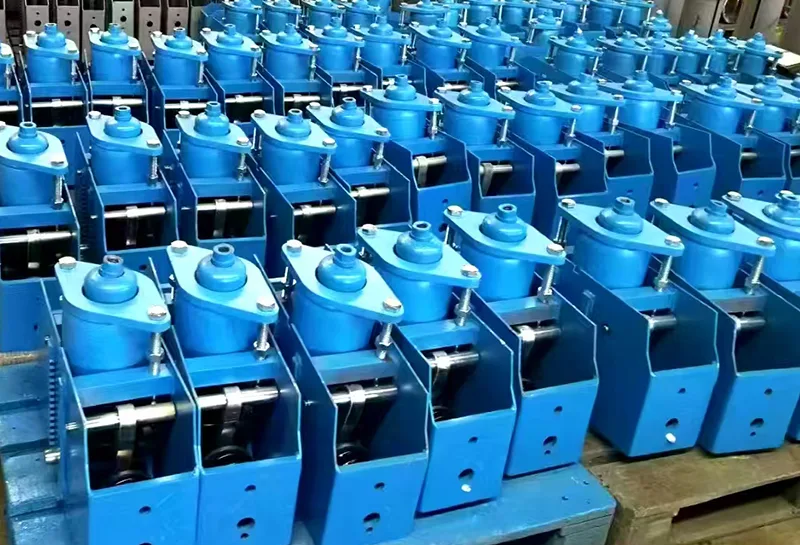
Material traceability is maintained for the load-bearing parts, and spring certificates are included in the documentation package. Before shipment, we verify the natural frequency and damping ratio of the assembled TMD on a test rig. A report confirming that the device meets the design targets is delivered together with the product.


Technical scope

Parameter Typical range and options
Effective mass 50 kg to 20,000 kg (larger masses can be engineered)
Tuning frequency 0.3 Hz to 10 Hz
Mass ratio (TMD mass / modal mass) 0.5% to 5% (higher ratios on request)
Damping ratio 5% to 20% of critical
Damping type Fluid viscous, viscoelastic, or eddy current
Stroke ±50 mm to ±500 mm (depends on frequency and input)
Spring type Helical coil, leaf spring, or tension/compression spring sets
Frame material Structural steel with corrosion protection

For very low-frequency applications, such as tall chimneys or observation towers, pendulum-type TMDs can be supplied where the gravity-restoring force provides the needed stiffness.


Where tuned mass dampers make a measurable difference

Bridges and pylons

Long-span footbridges and road bridges are susceptible to pedestrian-induced lateral sway and wind-induced vibration. A TMD installed under the deck or inside the pylon reduces the acceleration to levels that feel comfortable and prevent fatigue in cables and joints.

Tall slender structures

Chimneys, television towers, and observation towers experience vortex shedding and gust-induced crosswind vibration. A TMD at the top or near the anti-node of the critical mode cuts down the amplitude and protects the structural shell.

Pedestrian structures

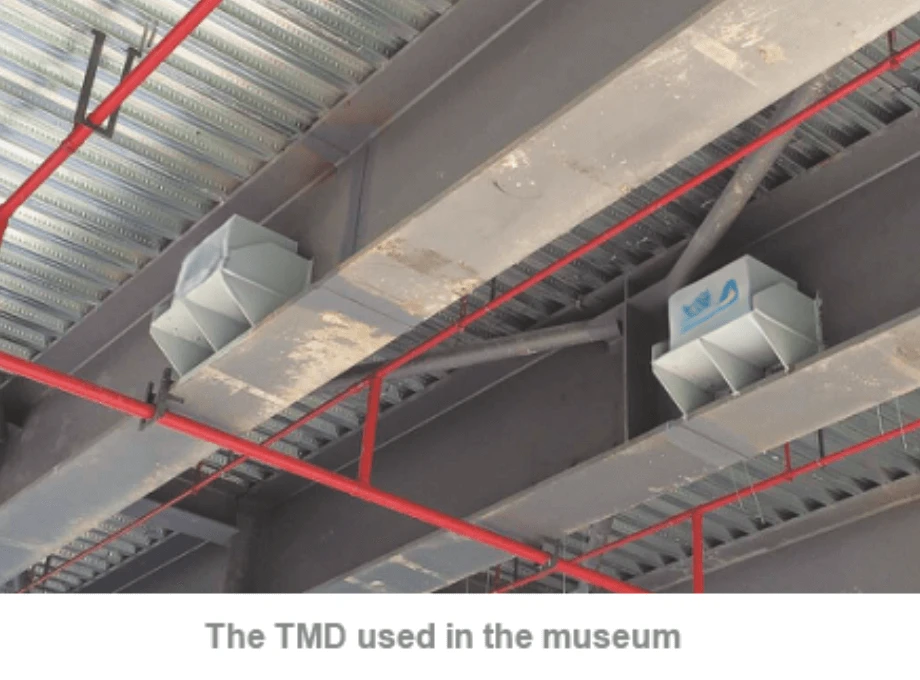
Staircases, auditorium balconies, and footbridges excited by walking, running, or rhythmic crowd movement can be detuned with a TMD. The mass, springs, and damper are often concealed beneath the walkway or inside a false ceiling.

Industrial buildings and equipment platforms

Fans, compressors, centrifuges, and other rotating machinery create steady-state vibration at known frequencies. Tuning a damper to the equipment’s operating speed or the floor’s resonant frequency prevents vibration from propagating to adjacent areas and reduces maintenance on pipe connections and electrical cabinets.

Building floors with large open spans

Office floors, gymnasiums, and concert halls with low natural frequency can feel bouncy when crowds move in rhythm. A TMD installed in the ceiling void or under the raised floor attenuates the motion without altering the architectural layout.

Tuned Mass Damper

Frequently asked questions

How do you determine the right size and tuning for a TMD?

The structural engineer provides the modal analysis results: natural frequencies, mode shapes, and modal masses. We then calculate the mass, stiffness, and damping using established tuning formulas. If a field measurement campaign is needed to verify the as-built frequencies, we can support that process and fine-tune the TMD before final commissioning.

Can a TMD work for multiple vibration modes?

A single TMD is tuned to one specific frequency. If several modes need control, multiple TMDs can be installed, each targeting a different frequency. Alternatively, a distributed array of smaller TMDs can cover a broader frequency band.

Does a TMD require maintenance?

Mechanical components like springs and bearings should be visually inspected at regular intervals, and the natural frequency can be verified periodically with portable accelerometers. The damping elements, especially if they are sealed fluid dampers, are typically maintenance-free for their design life. We provide an inspection schedule with each delivery.

Will adding a TMD affect the static load on the building?

Yes, the TMD adds a concentrated dead load equal to its mass. The structural engineer must account for this in the floor or frame design. We provide precise weight, footprint, and fixing details early in the design process so that local reinforcement can be included if necessary.

What is the typical delivery time for a custom TMD?

Lead times depend on mass size and damper type. As a reference, a standard TMD in the 500 kg to 5,000 kg range can be built and tested in ten to fourteen weeks. Larger units or those requiring extensive qualification testing may take longer, which we confirm at the quotation stage.


Working with Tianshun

Send us your modal data or a description of the vibration problem, and an application engineer will respond within a working day with a preliminary TMD configuration and a performance estimate. We collaborate with the project team to finalize the mass geometry, spring arrangement, and damping type so that the damper fits the available space and meets the performance specification. Custom finishes, weatherproof enclosures, and remote monitoring instrumentation are all part of our standard supply.

Our production milestones are communicated openly, and we provide a final test report that confirms the as-built tuning parameters. After delivery, we remain available for commissioning support and long-term maintenance advice.

Tuned mass dampers that move against the motion, calming the structure without needing a single watt of external power.


Hot Tags: Tuned Mass Damper, Manufacturer, Supplier, Factory
Send Inquiry
Contact Info

If you have any enquiry about quotation or cooperation, please feel free to email us at jsts2021@yeah.net or use the following inquiry form.Our sales representative will contact you within 24 hours. Thank you for your interest in our products.

X
We use cookies to offer you a better browsing experience, analyze site traffic and personalize content. By using this site, you agree to our use of cookies.Privacy Policy
RejectAccept