No.115 Yunhe North Road, Yangzhou City.Shuzhou, China +86-13032562550 jsts2021@yeah.net
Follow Us -
Products
Metallic Yield Damper
  • Metallic Yield DamperMetallic Yield Damper

Metallic Yield Damper

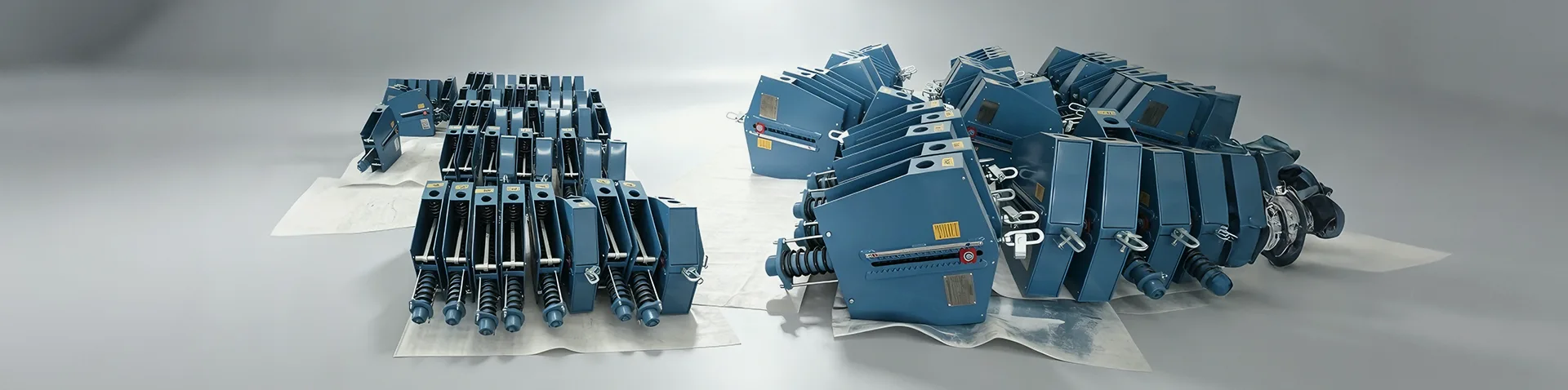
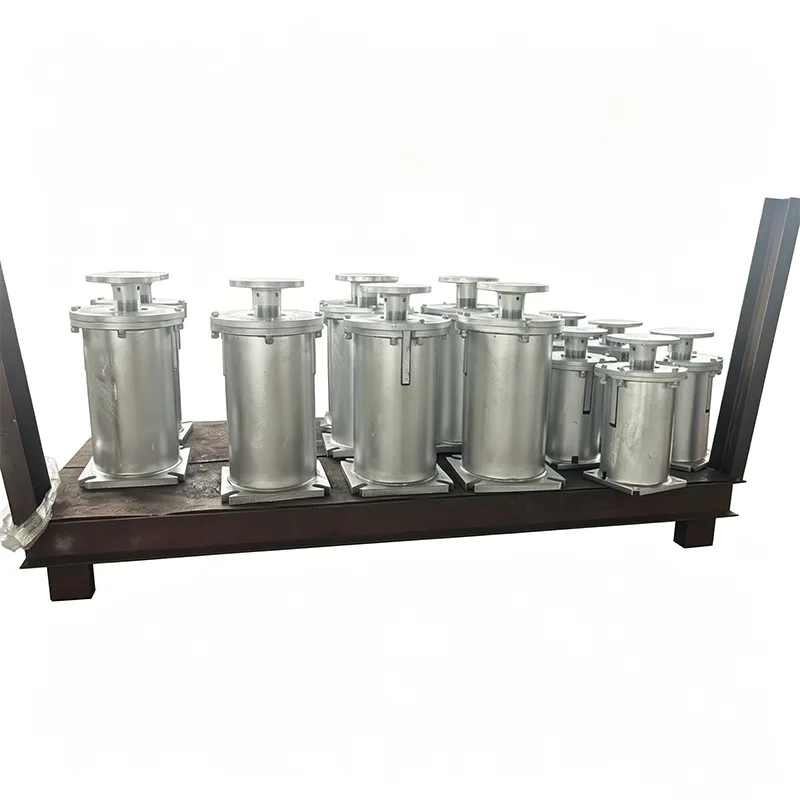
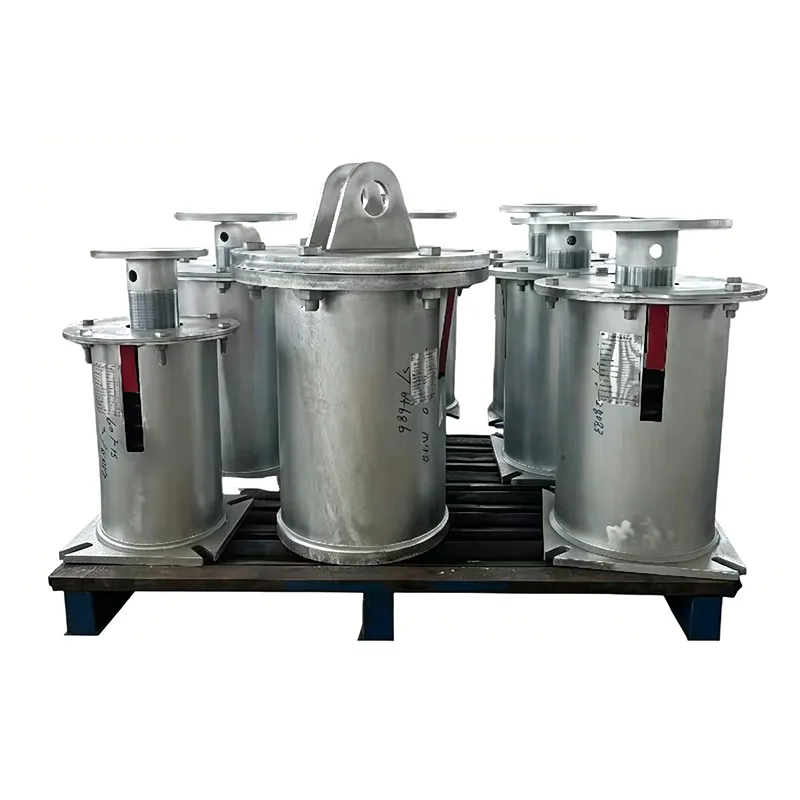
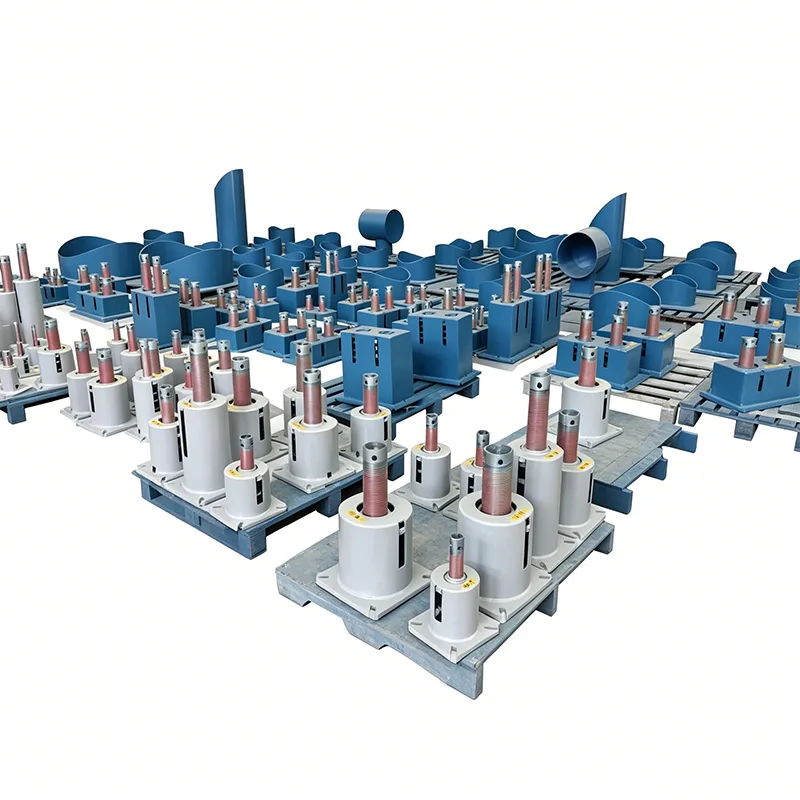
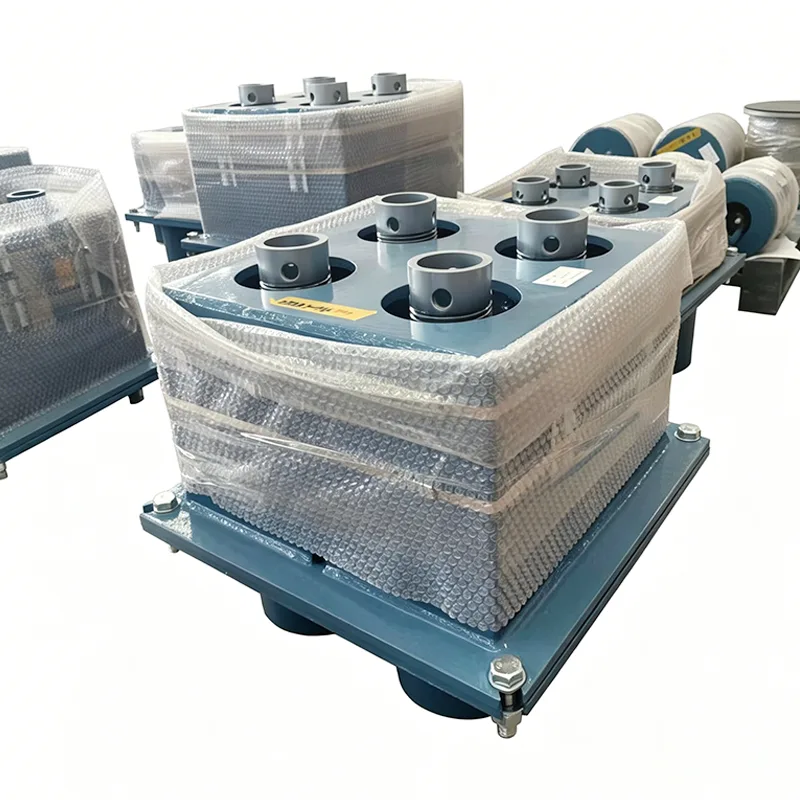
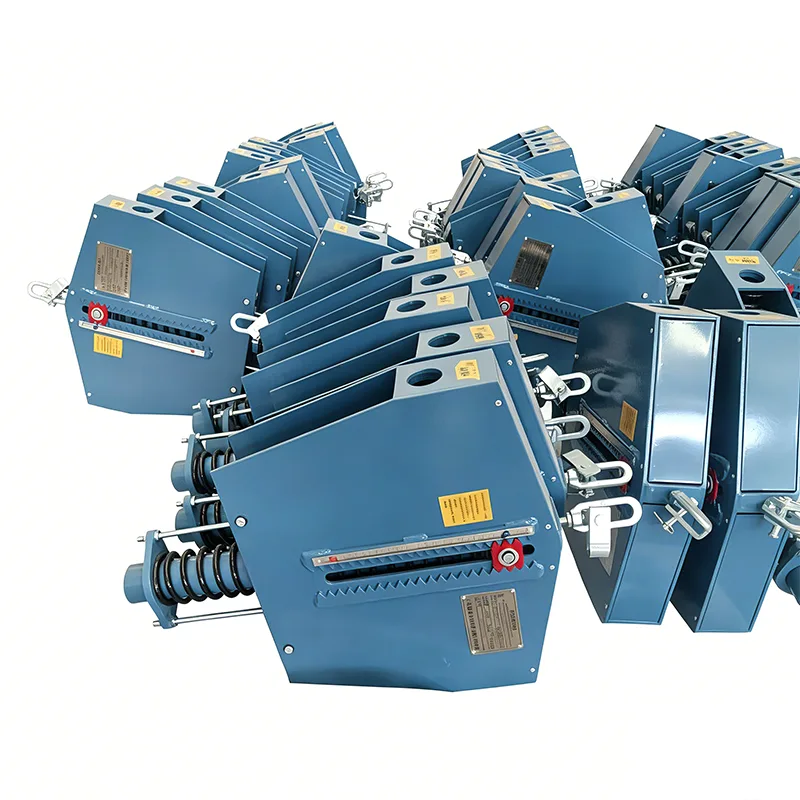
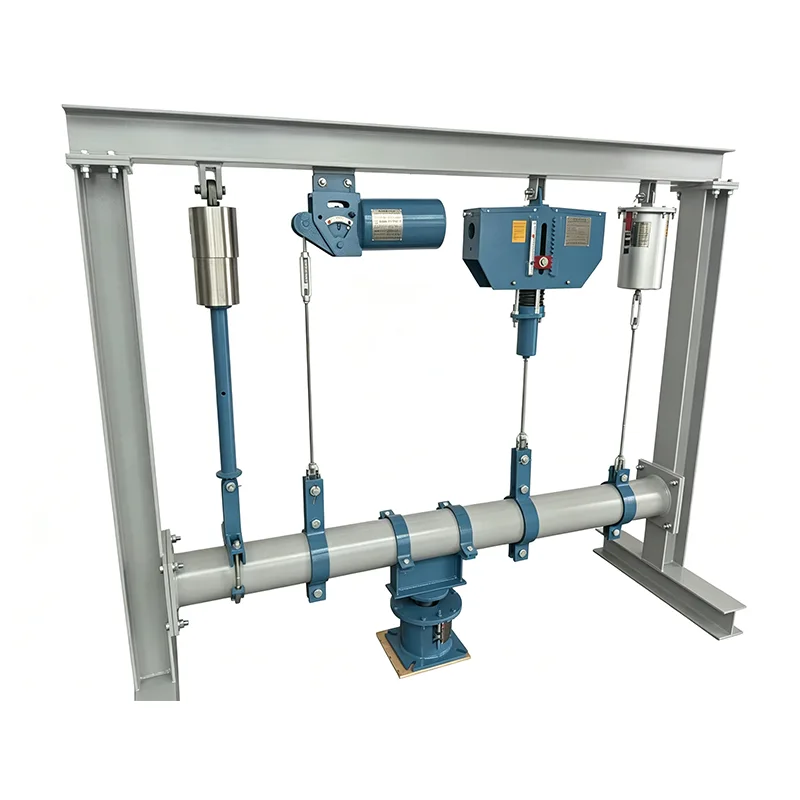
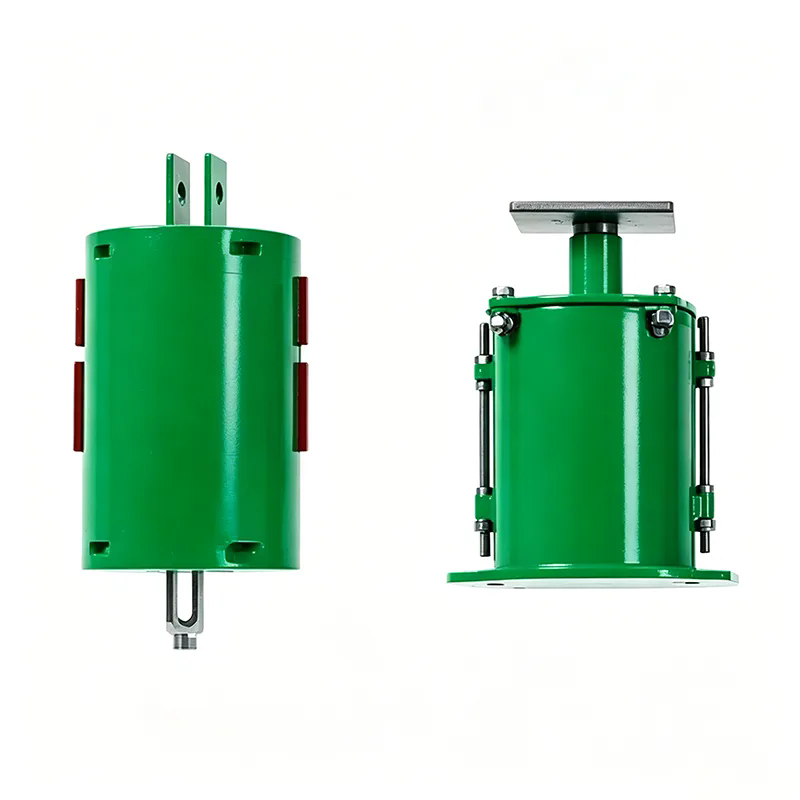
When seismic protection calls for dependable metallic yield dampers, turn to Yangzhou Tianshun. Our MYDs deliver stable yielding through LY100, LY160, and LY225 steel cores, with force capacities from 50 to 3,000 kN and displacements up to ±150 mm. Every unit is tested to EN 15129 and manufactured under ISO 9001, supported by over 20 years of damping expertise. Request a quote today — wholesale orders welcome, shipping worldwide.

A metallic yield damper, often abbreviated as MYD, is a passive device that dissipates seismic energy through the plastic deformation of specially selected metals. Installed within a building’s lateral force resisting system, it yields before the primary structure does, absorbing a large share of the earthquake input energy and reducing the demand on beams, columns, and connections. The result is a structural frame that experiences less damage and is easier to inspect and repair after a strong event.

Yangzhou Tianshun supplies metallic yield dampers for new construction and seismic retrofit projects. The dampers are fabricated in a dedicated production facility in Jiangsu, China, under a quality system that meets ISO 9001 requirements. Our team has been designing and manufacturing damping products for over two decades, and the accumulated experience informs every damper configuration we propose.

Metallic Yield Damper

How the damper does its work

The working principle is straightforward. A metallic yield damper is placed where the structure will undergo relative displacement during an earthquake, such as within a bracing bay or between adjacent floors. As the building sways, the damper is forced to deform. The core of the damper is made from a metal that is designed to reach its yield point early in the loading cycle. Once yielding begins, the material enters the plastic range, where it continues to resist force while undergoing permanent deformation. This process converts kinetic energy from the earthquake into heat within the metal, effectively removing that energy from the structural system.

Because the damper is displacement-correlated, it activates when movement reaches a certain threshold and provides increasing resistance as displacement grows. Its high initial elastic stiffness helps control drift under wind and minor earthquakes, while the post-yield ductility ensures it keeps working through many cycles without fracturing.


Metals chosen for yielding, not just strength

The choice of metal defines the damper’s behaviour. Common materials include low-yield-point steels such as LY100, LY160, and LY225, which combine a well-defined yield plateau with exceptional elongation capacity. These steels can undergo numerous inelastic cycles before showing signs of low-cycle fatigue, making them suitable for the repeated shaking expected during a long-duration earthquake.

Other alloys, including aluminium and shape memory alloys, can be employed where lighter weight or re-centering capability is desired. Every batch of material arrives with full mill certification, and we verify key mechanical properties through in-house testing before fabrication begins. This traceability, from the steel mill to the finished damper, supports the reliability required in safety-critical applications.


Advantages that show up on the balance sheet

Metallic yield dampers are among the most cost-effective seismic protection technologies available. The raw materials are relatively inexpensive and the fabrication is simpler than that of fluid-based devices. Because they operate passively, there are no fluids to leak, no seals to age, and no requirement for periodic fluid replacement.

For the structural designer, the dampers offer a predictable and repeatable hysteretic response. The force-displacement curve is stable, symmetrical, and easy to model in standard analysis software. When dampers are strategically placed, the overall seismic loads on the frame decrease, which often allows for smaller member sizes, lighter foundations, and simpler connections. In retrofit scenarios, adding metallic yield dampers can bring an existing building up to current code requirements without the disruption and cost of strengthening every beam and column.


Technical scope

Parameter Typical range and options
Yield force 50 kN to 3,000 kN (custom capacities available)
Displacement capacity ±10 mm to ±150 mm
Steel grades LY100, LY160, LY225, or equivalent international grades
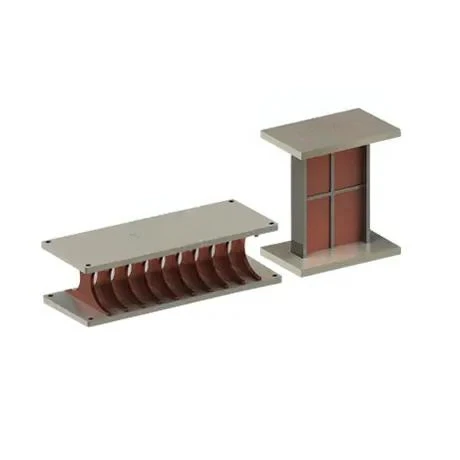
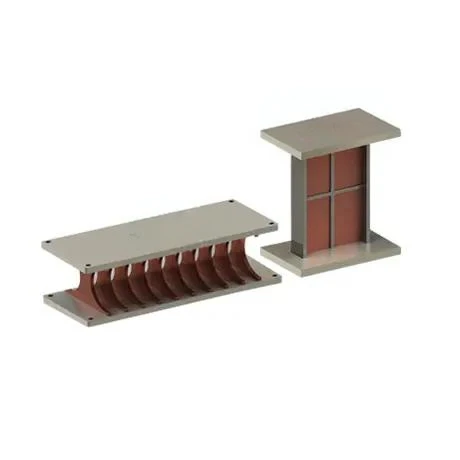
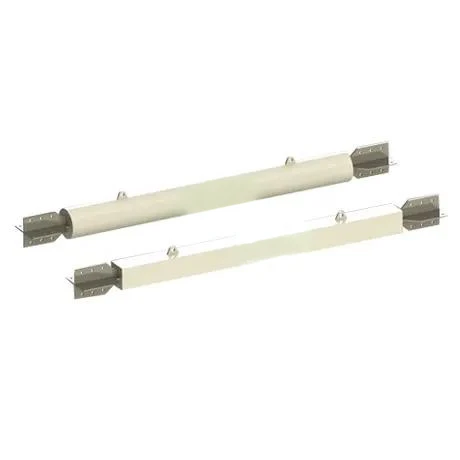
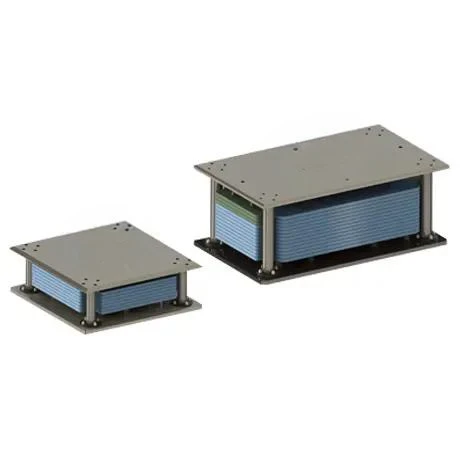
Damper type Shear panel, bending plate, U-shaped strip, or tailored geometry
Applicable standards EN 15129, ASCE 7, GB/T, and project-specific codes
Environmental protection Hot-dip galvanized, epoxy coated, or stainless steel

Each damper is sized according to the required yield force, elastic stiffness, and ultimate displacement from the structural analysis. Our engineers work with the project team to select or develop a geometry that fits the available space and connection interface.


Where metallic yield dampers are applied

New RC and steel frame buildings

Dampers are integrated into chevron braces, coupling beams, or shear wall openings to provide the primary energy dissipation. The approach is common in residential towers, office blocks, and mixed-use developments in seismic regions.

Seismic reinforcement of existing structures

Older concrete or steel frames that were built before modern seismic codes can be upgraded by installing MYDs in strategic locations. This avoids the need to fully encase columns or add massive shear walls, reducing both cost and tenant disruption.

Civil and public buildings

Hospitals, schools, and emergency response facilities benefit from the low maintenance and predictable post-earthquake performance. After a large earthquake, damaged dampers can be visually inspected and, if necessary, replaced without major structural intervention.

Industrial facilities and lifeline structures

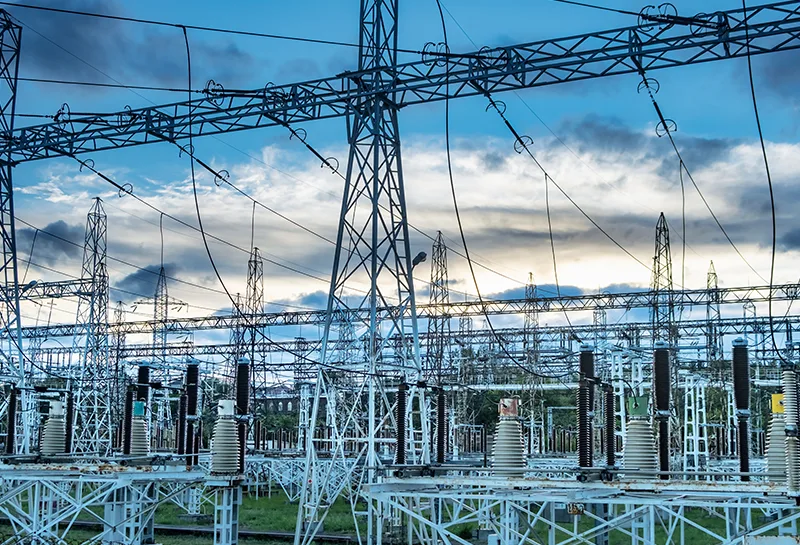
Factories, power stations, and communication towers where operational continuity is critical use metallic yield dampers to protect equipment and piping from excessive movement.

Quality control and acceptance testing

Every damper we produce undergoes a factory acceptance test to confirm its force-displacement characteristics. A cyclic loading protocol at increasing amplitudes is applied, and the resulting hysteresis loops are recorded. We verify the yield force, maximum force, and cumulative energy dissipation against the project specification. Test reports and material certificates are compiled into a documentation package that accompanies the shipment.

For large or code-governed projects, we can arrange for pre-qualification testing of a prototype damper at an independent laboratory. This step provides additional confidence that the design will perform as intended under the actual loading protocol defined by the project’s geotechnical and structural demands.


Frequently asked questions

How is a metallic yield damper different from a viscous fluid damper?

A viscous fluid damper dissipates energy through fluid flow and its force depends on velocity. A metallic yield damper relies on the plastic deformation of metal and its behaviour is linked to displacement. Metallic dampers also add stiffness to the structure, which can help control drift, while viscous dampers typically add little stiffness.

Will the damper need replacement after a moderate earthquake?

It depends on the severity of the shaking and the design. Metallic yield dampers are often designed to survive multiple moderate events without replacement. After a design-level or maximum considered earthquake, the core elements may have experienced permanent deformation and should be inspected. Replacement, if required, is a straightforward process of unbolting the used damper and installing a new one.

Can the dampers be hidden architecturally?

Yes. Dampers are compact and can be integrated within wall cavities, embedded in partition walls, or placed behind architectural cladding. Our engineers work with the architect and structural designer to agree on a configuration that meets both visual and structural requirements.

What information do you need to size a damper?

We need the required yield force, initial stiffness, ultimate displacement, and the number of expected cycles. Usually this information comes from the structural engineer's dynamic analysis. If you are at an early design stage, we can assist with preliminary sizing based on building type, number of storeys, and seismic hazard level.

Working with Tianshun

When you send us a dampers enquiry, one of our application engineers reviews your structural parameters and returns a technical response within a working day. We assist with material selection, geometry adaptation to fit your connection details, and the preparation of test plans. Custom capacities, non-standard alloys, and project-specific documentation are handled as a normal part of our supply.

Our production schedule is communicated transparently, and we provide progress updates at key fabrication and testing stages. After delivery, we remain available for installation oversight and post-earthquake inspection guidance.

Metallic yield dampers that take the beating so the building doesn't have to, with a simplicity that makes them reliable and easy to maintain over decades of service.


Hot Tags: Metallic Yield Damper, Manufacturer, Supplier, Factory
Send Inquiry
Contact Info

If you have any enquiry about quotation or cooperation, please feel free to email us at jsts2021@yeah.net or use the following inquiry form.Our sales representative will contact you within 24 hours. Thank you for your interest in our products.

X
We use cookies to offer you a better browsing experience, analyze site traffic and personalize content. By using this site, you agree to our use of cookies.Privacy Policy
RejectAccept