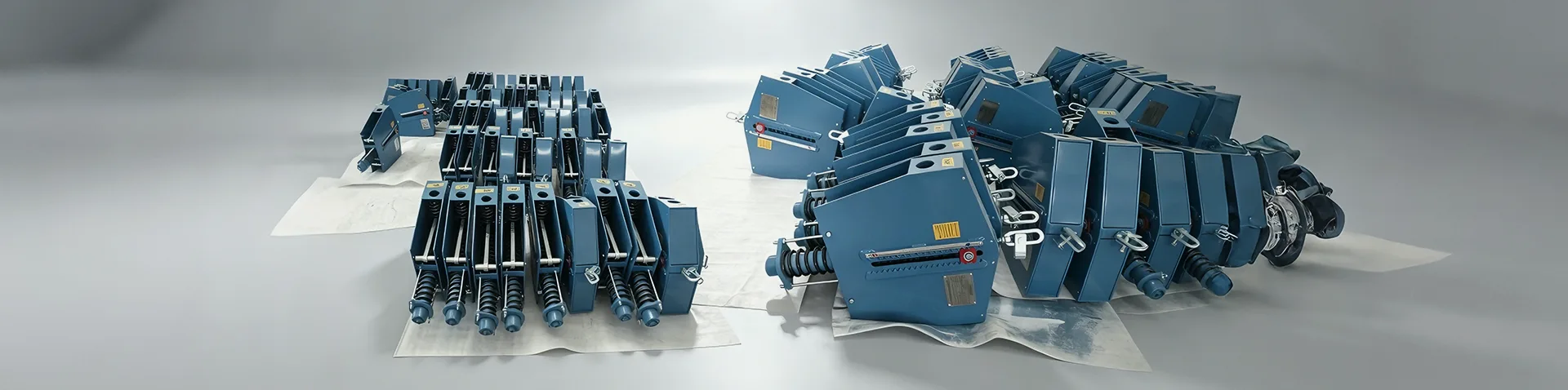
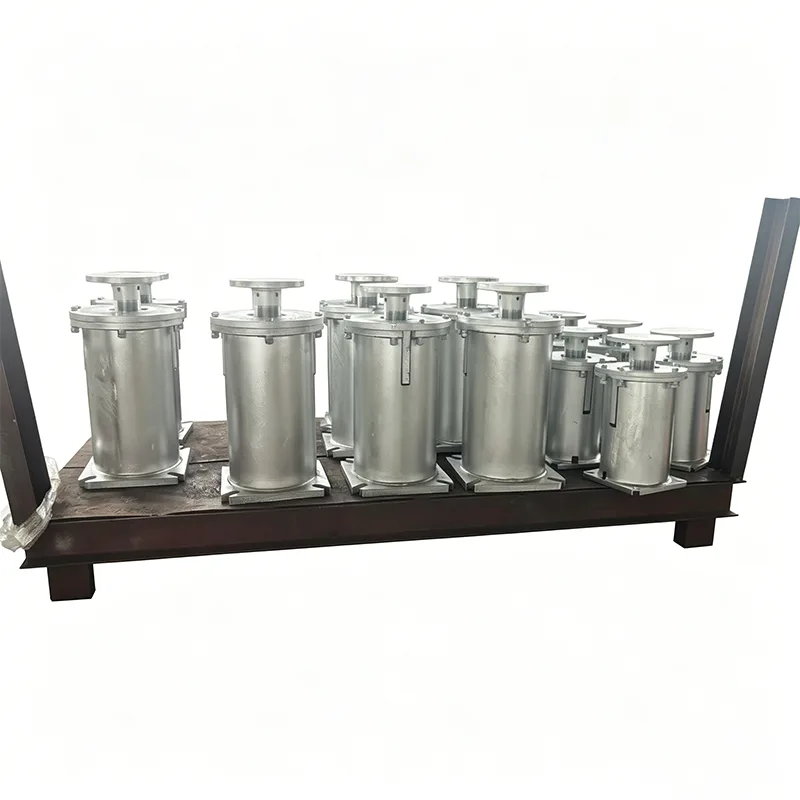
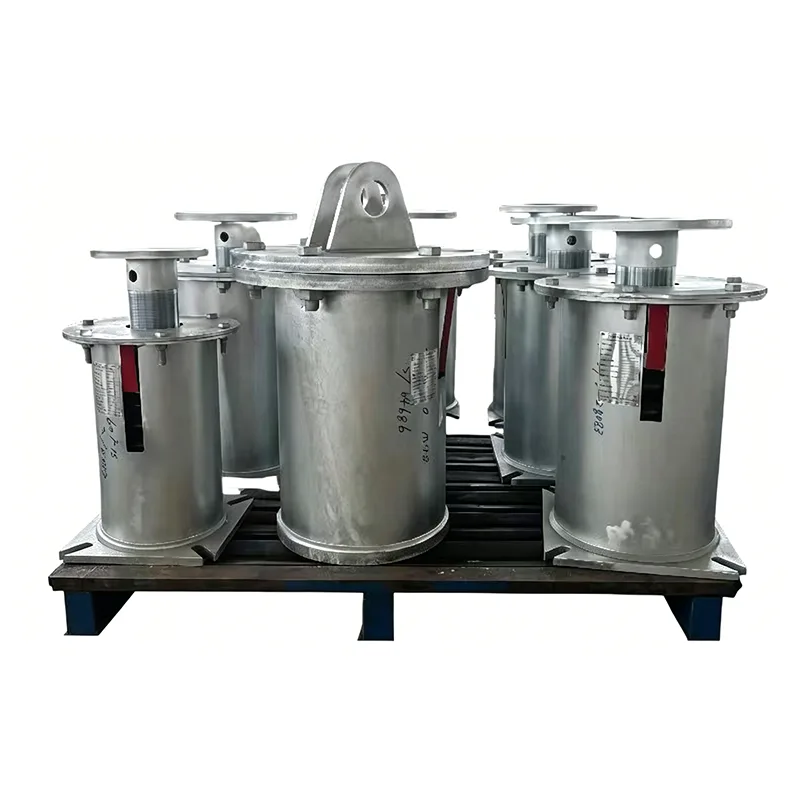
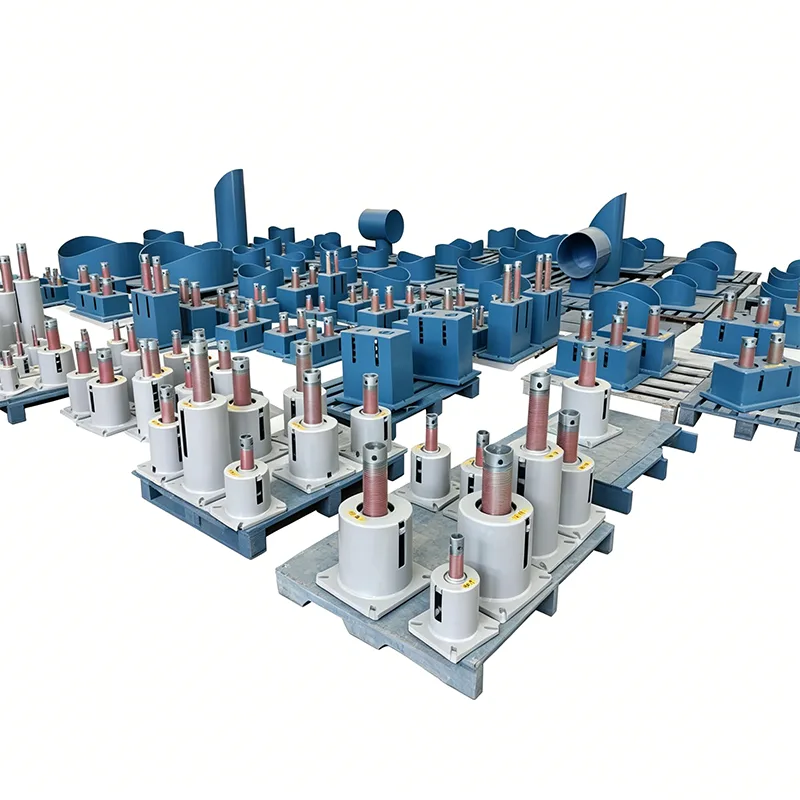
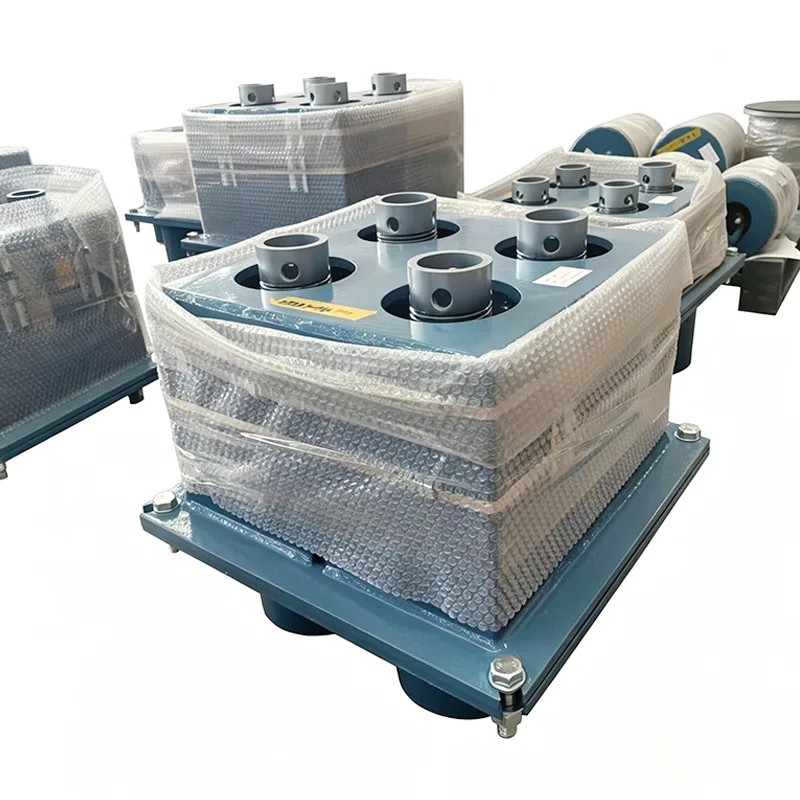
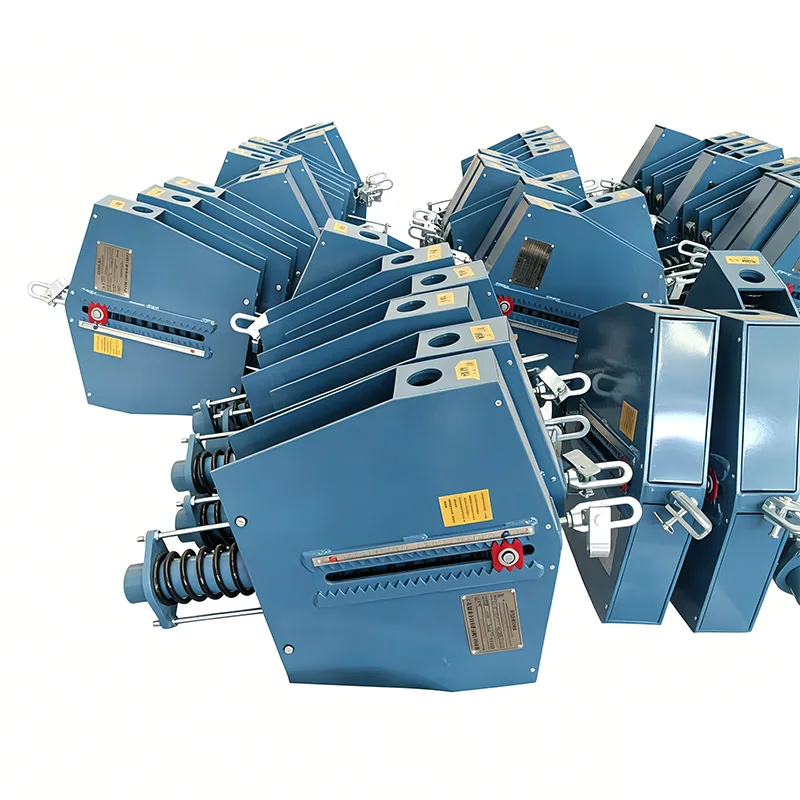
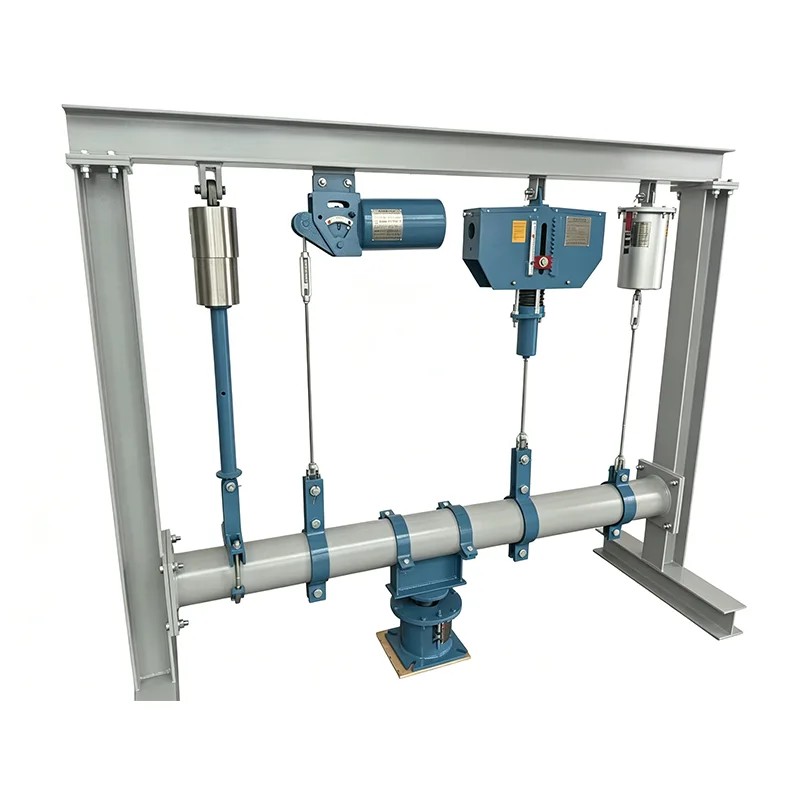
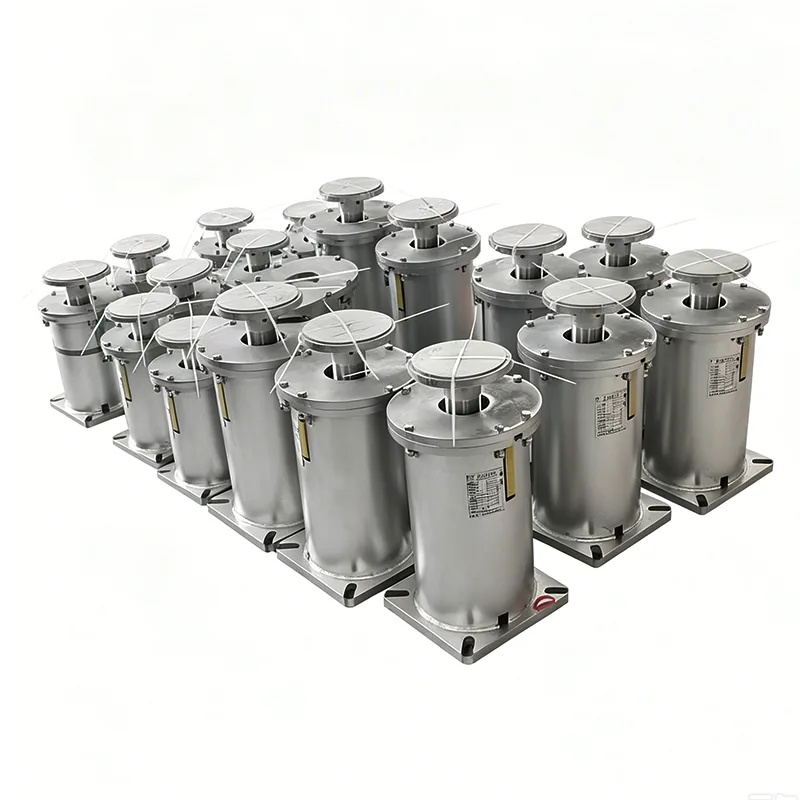
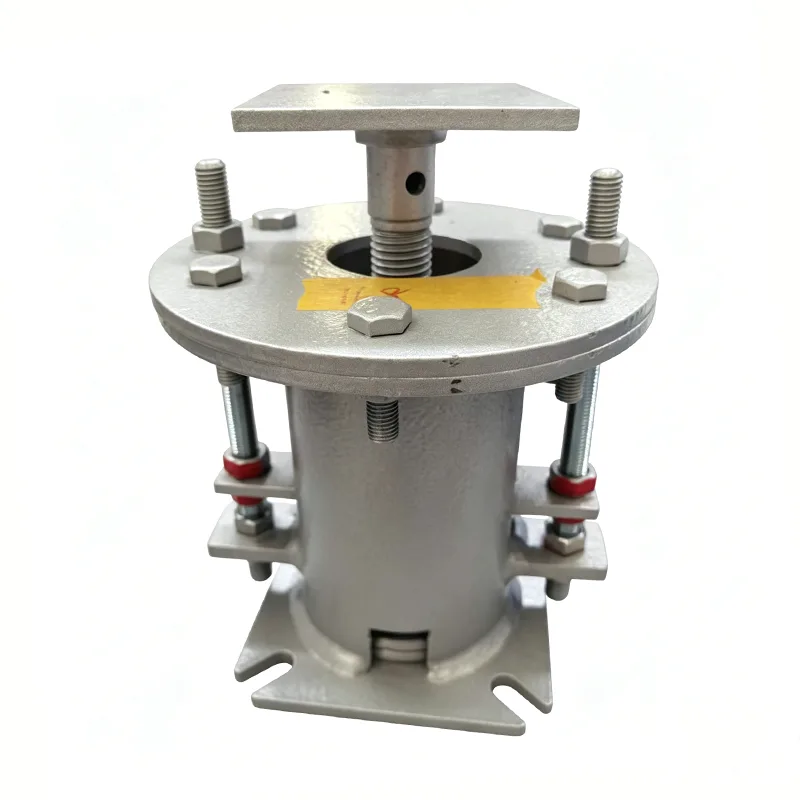
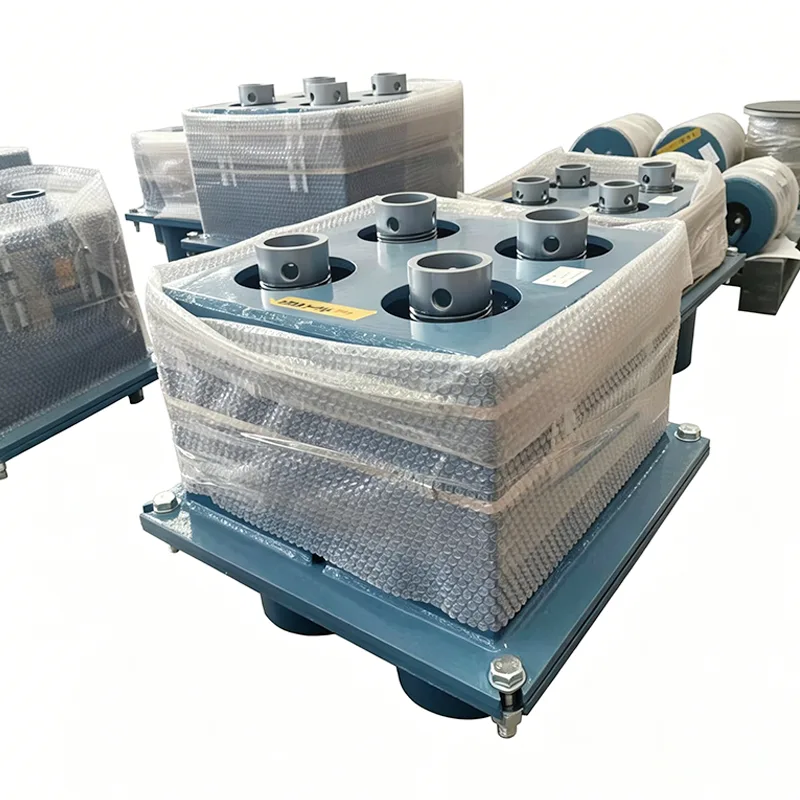
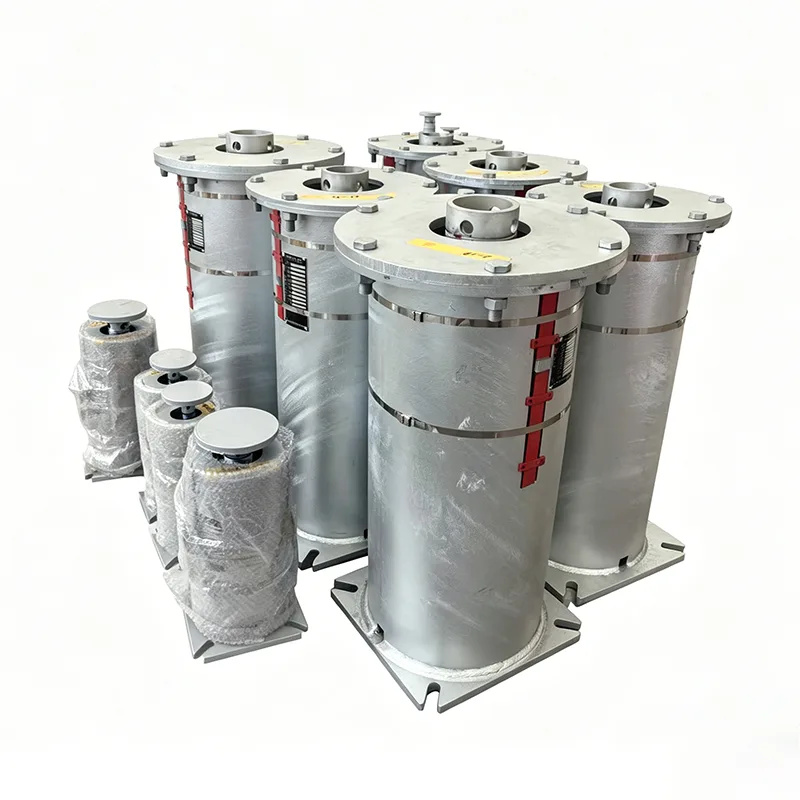
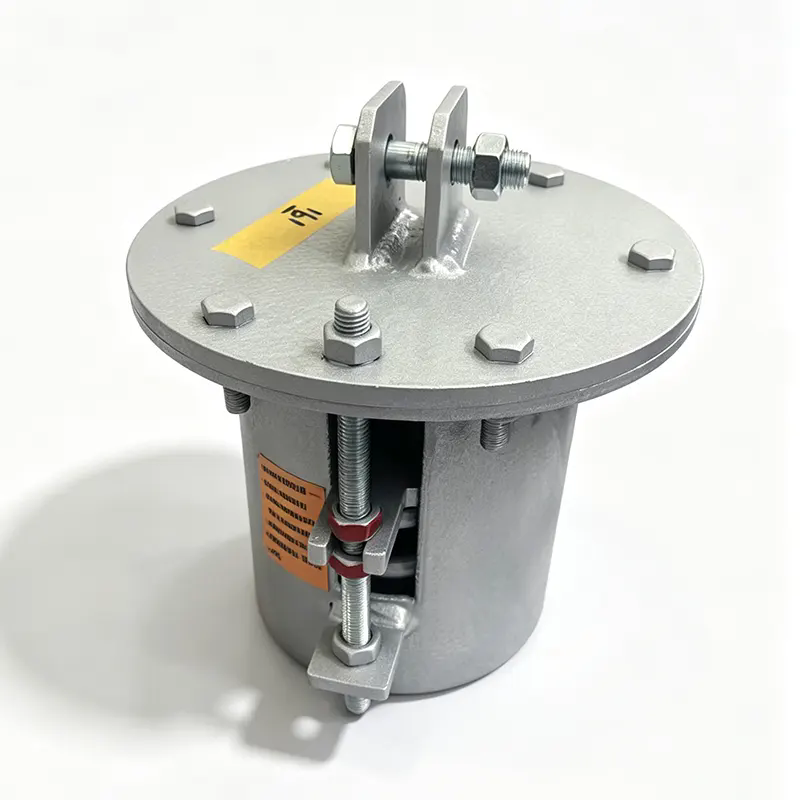
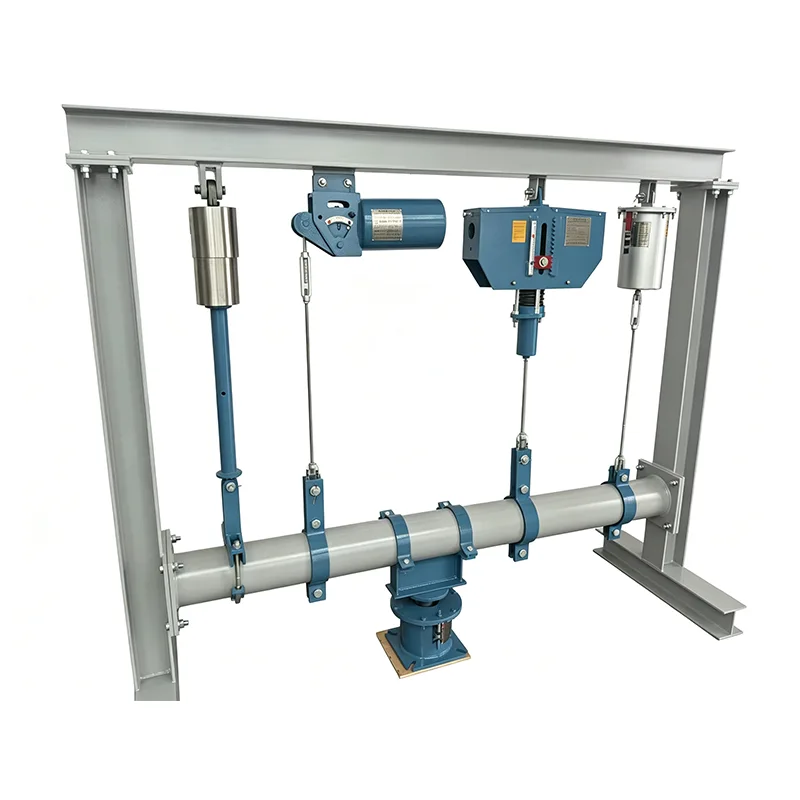
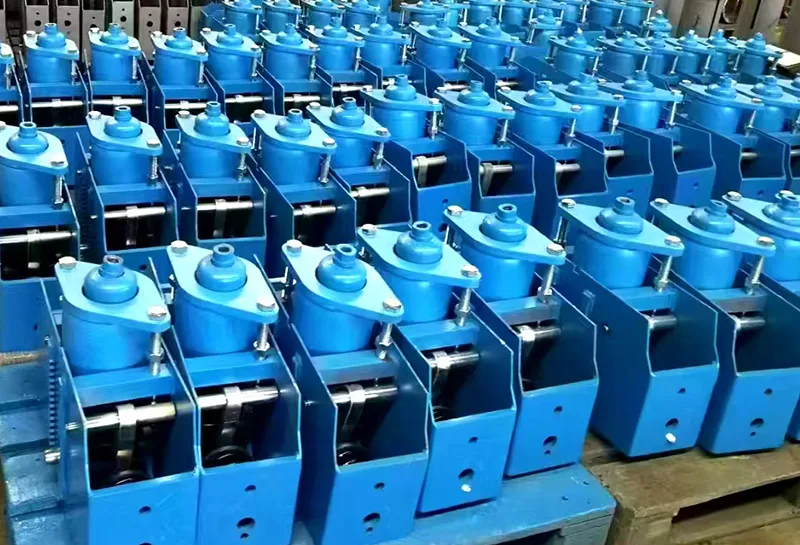
Not every pipe needs a constant support force. In fact, most of the lines we deal with — process piping, utility headers, cooling water lines — work just fine with a variable spring support. At Tianshun, we've been supplying variable spring units from our Yangzhou factory for 14 years, and they're probably the most common type of spring support we ship. If you've walked through a power plant pipe rack or a refinery, chances are the spring cans you saw hanging from the steel or sitting on T-posts were variable spring supports.
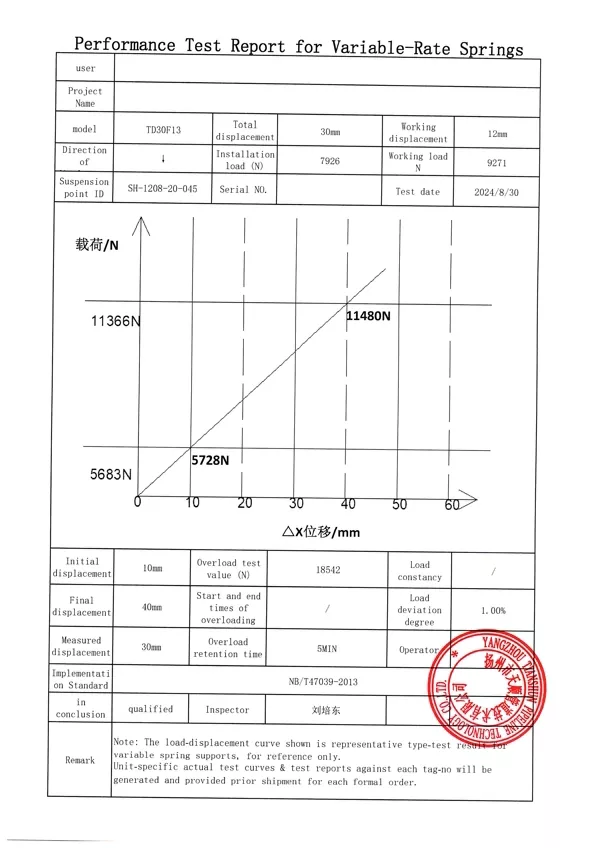
This figure shows the load‑displacement performance curve of a variable spring support/hanger, including key parameters of load and displacement to verify the product’s load‑bearing accuracy and operational reliability.
Each unit is subject to load calibration and performance testing prior to shipment. The setting‑load deviation is controlled within ±5%, complying with ANSI/MSS‑SP‑58‑2018 international standard as well as NB/T47039‑2013.
Products meet technical requirements for power, petro‑chemical and other industrial piping systems. Per MSS‑SP‑58‑2018, the maximum allowable load variability for variable spring units shall not exceed 25% of operating hot‑load within full working travel.


Product Technical Specifications
|
Variable Spring Hanger Spec Table
|
Example
|
|
Hanger Type / Configuration
|
Type A, B, C, D, E, F, G
|
|
Spring Size / No.
|
No. 0 - No. 22
|
|
Travel Range
|
30mm, 60mm, 90mm, 120mm 180 mm
|
|
Operating Load
|
0.2 kN - 400 kN
|
|
Installed Load (Cold Load)
|
kN / kgf
|
|
Operating Load (Hot Load)
|
kN / kgf
|
|
Movement Direction
|
Upward / Downward
|
|
Variability (%)
|
≤ 25% (Standard)
|
|
Surface Treatment
|
Hot Dip Galv/ Painted
|
|
Housing Material
|
Carbon Steel (Q235/Q355)
|
The idea is straightforward: as the pipe moves up or down due to thermal expansion, the spring inside compresses or relaxes, and the supporting force changes a bit. That's the "variable" part. The force change is predictable and stays within a range your pipe stress engineer has already allowed for. When the allowable load variation is, say, 15% or 20%, there's no need to spend extra on a constant spring support. You get the same function — vertical travel absorption, weight carrying — at a lower cost and with a simpler, more compact design. That's why project specs often list variable spring supports as the default, only calling out constant type for critical tie-in points.


Variable Spring Supports in the Bigger Picture
On the pipe rack, a variable spring support rarely sits by itself. It usually works hand-in-hand with rigid pipe supports and pipe shoes that take the dead weight and guide the pipe. The variable spring handles the vertical movement. When the same spring element is fitted into a top-connected assembly hanging from overhead steel, the whole setup is often called a spring hanger — it's still a variable spring mechanism, just installed upside down. And on insulated cold lines, you'll often see the spring support paired with a pre-insulated pipe support at the pipe contact point, so the insulation doesn't get crushed and the cold pipe doesn't sweat.
What's Inside a Variable Spring Support
We keep our design simple and robust. Here's a look at the typical construction materials we use:
|
Component
|
Material
|
Why We Use It
|
|
Coil spring
|
60Si2MnA or 50CrVA spring steel
|
Long fatigue life, preset and load-tested
|
|
Housing (can)
|
Q235B carbon steel, painted RAL 5015 blue
|
Sturdy, weldable, weather-resistant
|
|
Spring cap / load flange
|
Q235B or 20# forged steel
|
Transfers pipe load to spring evenly
|
|
Travel indicator & scale
|
Stainless steel or anodized aluminum
|
Clear reading, won't rust
|
|
Bottom connection (threaded bushing or flange)
|
Carbon steel A105
|
Standard NPT or flanged per request
|
All spring wire comes with mill test certificates. We shot-peen the springs and preset them before assembly — that gets rid of any initial set and ensures the load-deflection curve matches the design data.

Standards We Work To
ANSI/MSS SP-58 – governing pipe support design and manufacturing
ASME B31.3 – process piping, widely referenced by EPCs
GB/T 17116 – Chinese standard for pipe hangers and supports
EN 10204 3.1 material certification as standard for export orders
Our factory runs an ISO 9001:2015 quality management system. Every step, from incoming steel to final load test, is documented.
Frequently Asked Questions
Q1: How much load variation should I expect?
Typically between 10% and 25% of the hot load, depending on the spring's stiffness and the pipe's travel. Your pipe stress report will tell you what the allowable variation is. If the report shows a tight limit — say under 5% — that's when you'd switch to a constant spring support. For everything else, variable is fine.
Q2: What information do you need to select or quote a variable spring support?
Send us the hot load, cold load, and the amount and direction of vertical movement (up or down). A marked-up pipe support drawing or a stress isometric helps. We'll select the right spring size and series, and send you a data sheet with all the calculated values before we start manufacturing.
Q3: Are your variable spring supports interchangeable with other brands?
In terms of function, yes. We can match load ranges and envelope dimensions to most common industry series (Type A, B, C, D, E, F, G as per MSS SP-58). If your project already has a specific vendor's part numbers, give us those and we'll cross-reference. Just be aware that minor dimensional differences may exist — we'll flag them before you order.
Q4: What's the typical delivery time?
Standard load range units: 20–25 days. If you need a non-standard housing, special paint, or stainless steel trim, allow 30–40 days. We keep a decent stock of common spring coils and can components, which speeds things up.
Q5: Can I get a prototype or pre-production sample?
Yes. For large projects, we can build one or two sample units for approval before going into full production. The sample cost can often be credited against the main order.
Load Testing Is Not Optional
Every variable spring support that goes out the door is load tested. We set the spring to the specified cold load, then run it through full travel multiple times, checking the load at both cold and hot positions. The travel scale is calibrated and locked. A test certificate summarizing the actual load values is included in the shipping documentation. Third-party inspection by SGS, Bureau Veritas, or TÜV is available at your request.
Customization We Do Daily
Some customers think a variable spring support is a pure catalogue item. In our experience, maybe half of what we supply has some custom touch:
Non-standard travel lengths (we've done 200mm+ on variable units)
Extended or reduced housing heights to fit limited space
Stainless steel housings and hardware for offshore or chemical environments
Special coatings: offshore marine paint systems, high-temperature aluminium paint
Dual-spring designs for heavy loads in a compact can
Lifting lugs, load cells, or position transducers built in
Just tell us what the installation looks like, and we'll work out a practical design.
Real-World Notes From the Factory Floor
Here are a few things we've learned shipping variable spring supports to projects around the world:
If your pipe displacement is upward, make sure the support can handle the upward cold load without the spring going loose. We'll check that as part of our selection.
On outdoor pipe racks, specify hot-dip galvanizing or a good paint system. Standard factory blue paint is fine indoors, but after a couple of monsoons, carbon steel will show rust. A little extra on coating saves a lot of site complaints.
Always check the clearance around the spring housing. Sometimes the support location is tight between two structural members, and a standard can diameter won't fit. Let us know early, and we'll adjust the design.
Why Source Your Variable Spring Supports From Tianshun?
We're not a middleman. We design, manufacture, test, and ship from our own factory in Yangzhou, Jiangsu. That means when you talk to our engineers, you're talking to the people who actually build the product. Our variable spring supports have been installed in combined-cycle power plants, refinery pipe racks, LNG regasification terminals, chemical process units, and steel mills. Over 70% of our business is repeat — not because we're the cheapest, but because our supports show up on time, match the data sheets, and don't cause headaches during commissioning.
If your project schedule is tight, we can hold stock of finished springs and assemble to your load settings quickly. For large bulk orders, we offer competitive factory-direct pricing and will work with you on a delivery schedule that aligns with your construction sequence.
Send us your pipe support drawings, load data, or just a brief description of what you need. We'll come back to you with a proper quotation — including factory price and delivery time — usually within 24 hours. And if you'd like to visit the factory and see how we make these, you're more than welcome.