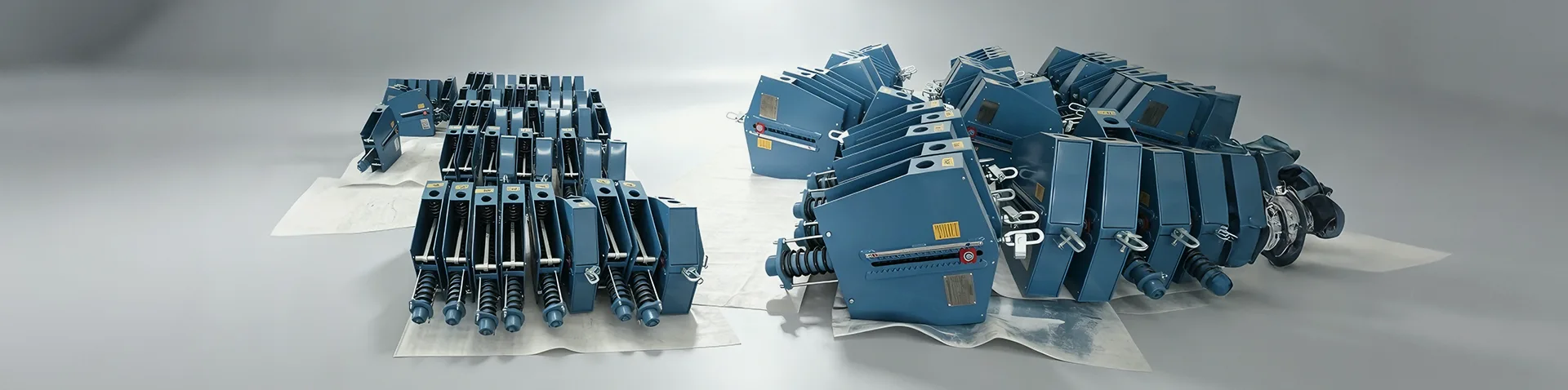
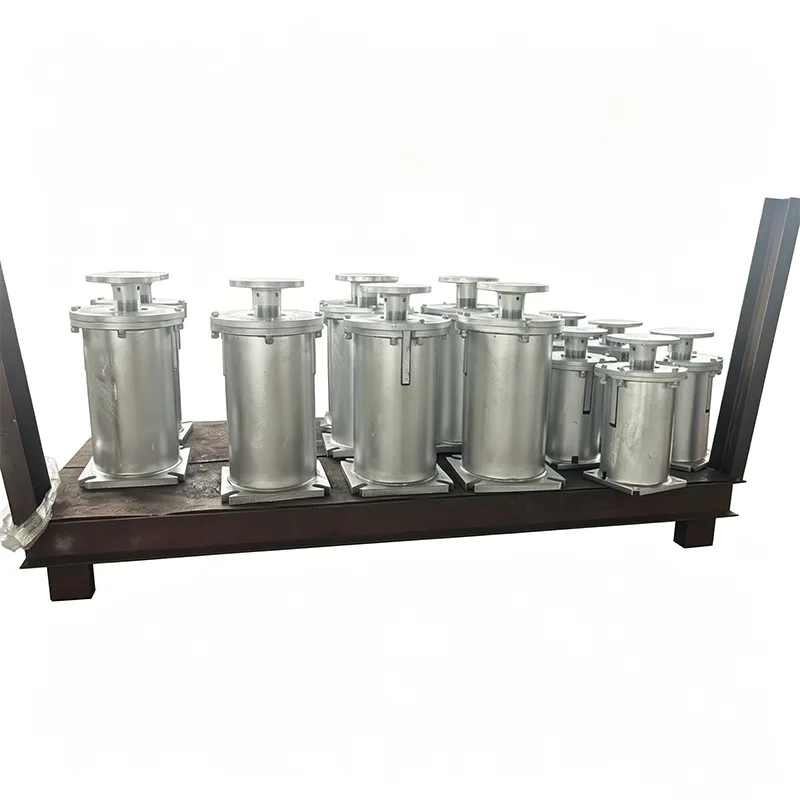
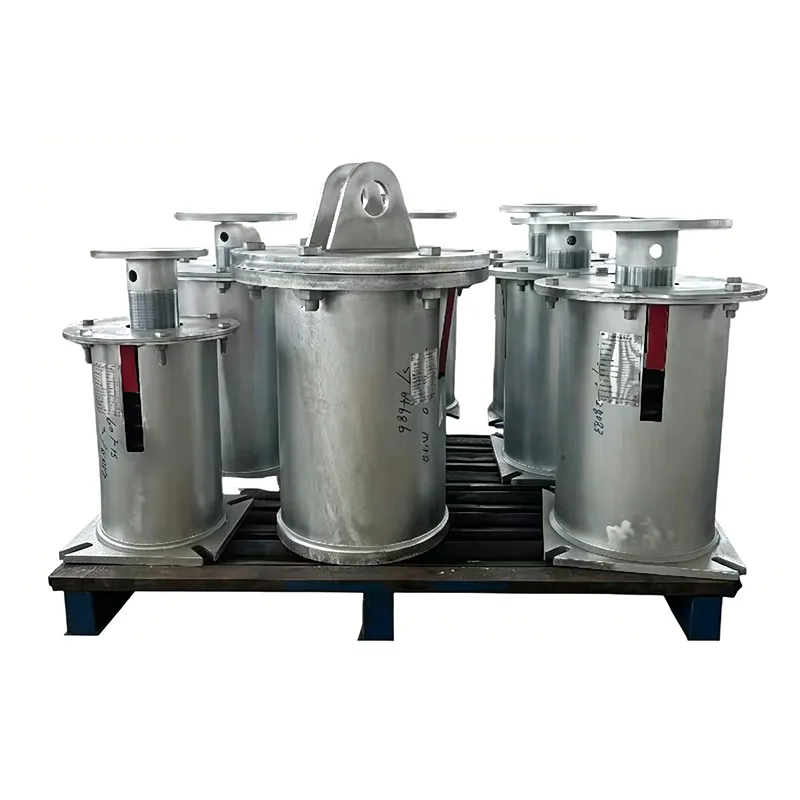
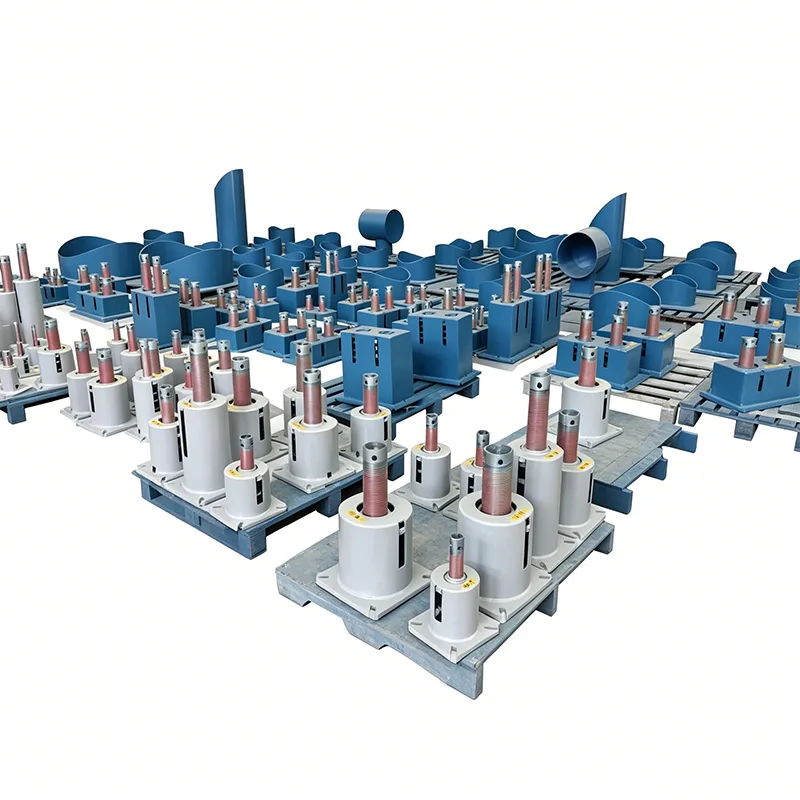
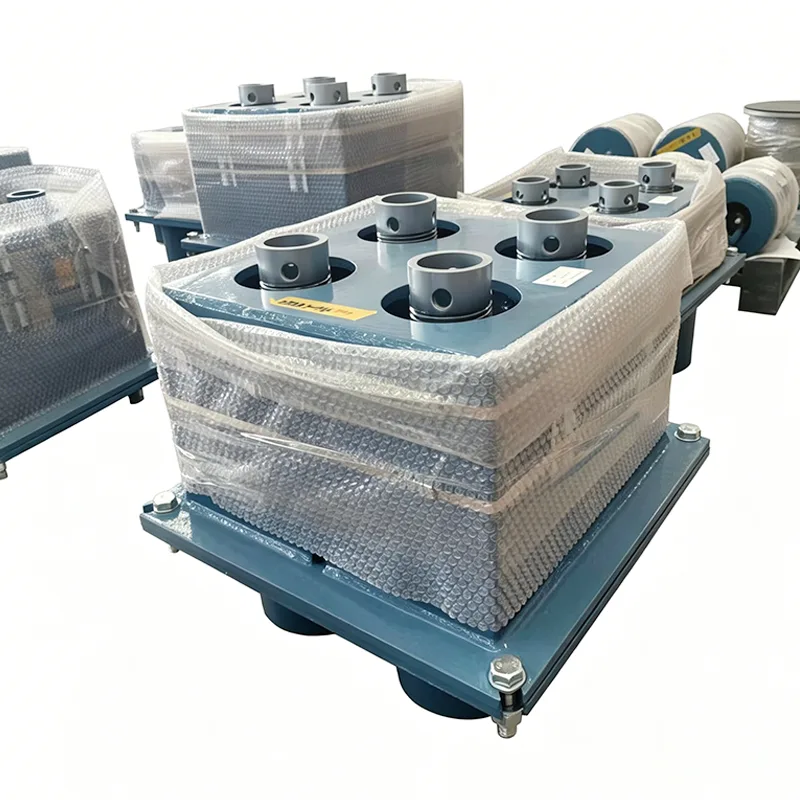
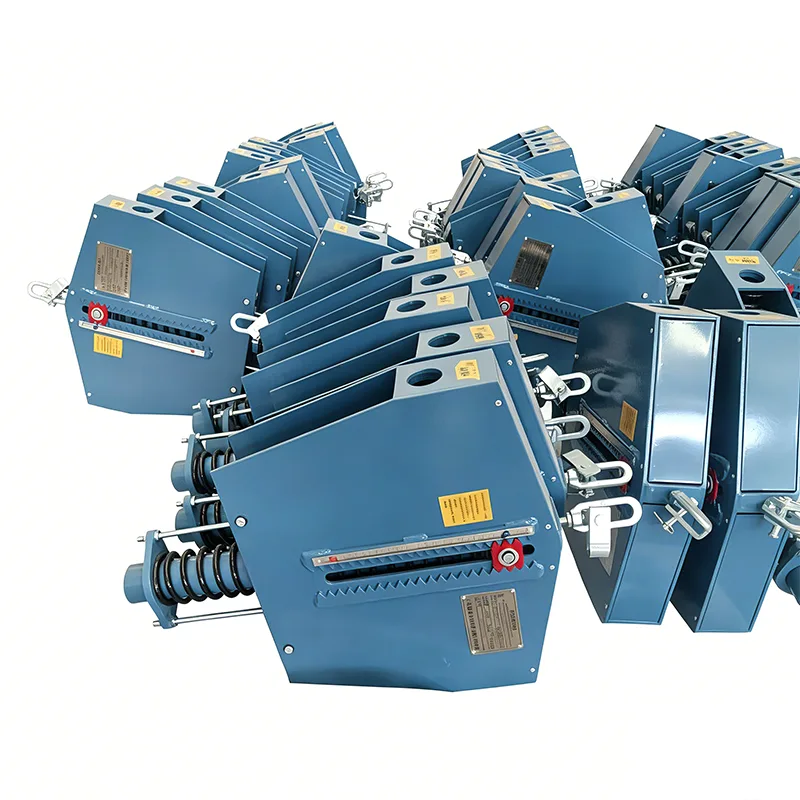
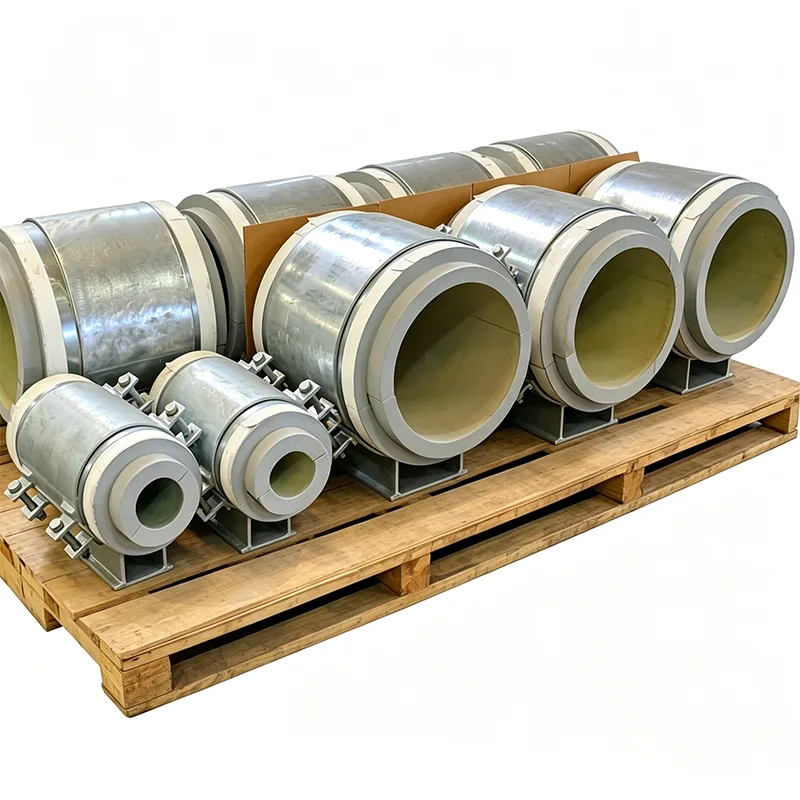
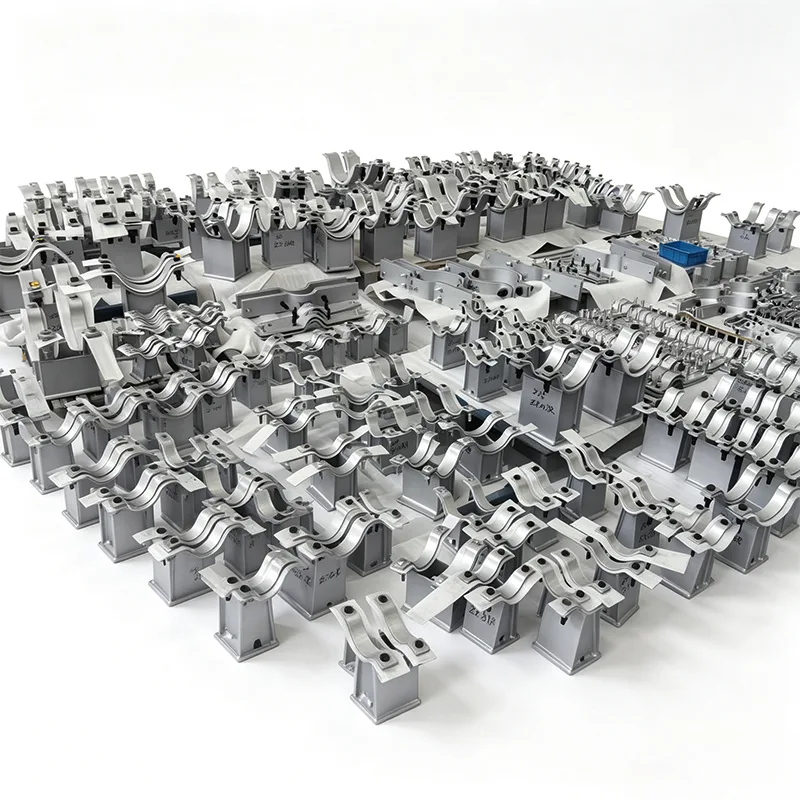
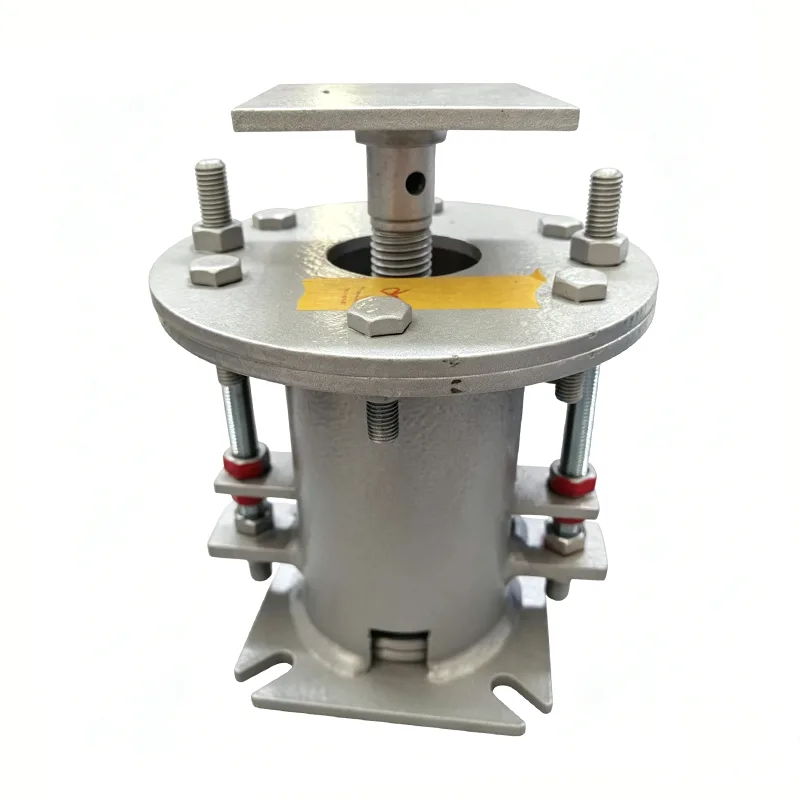
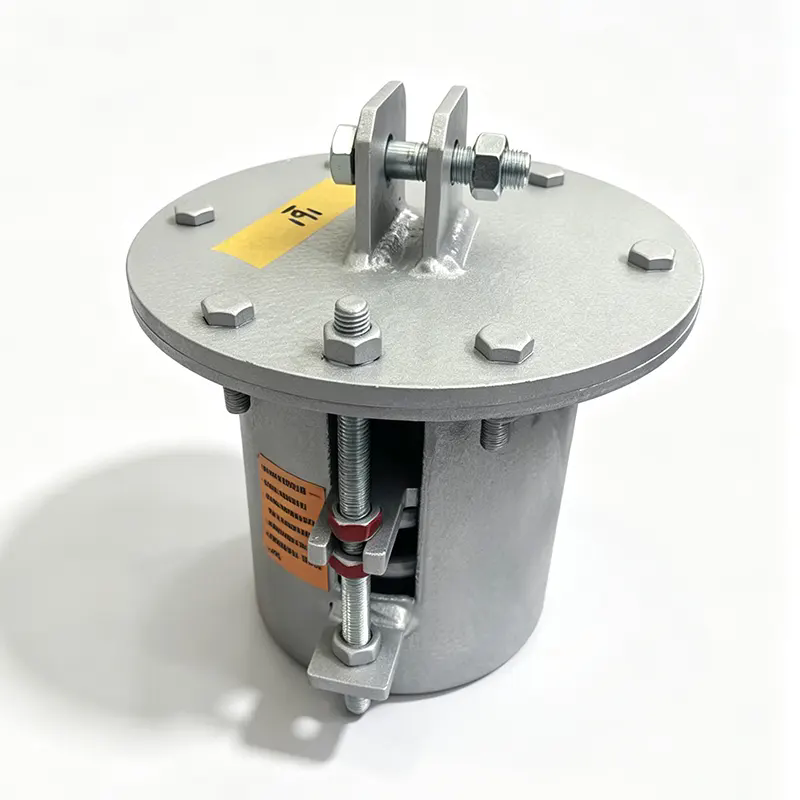
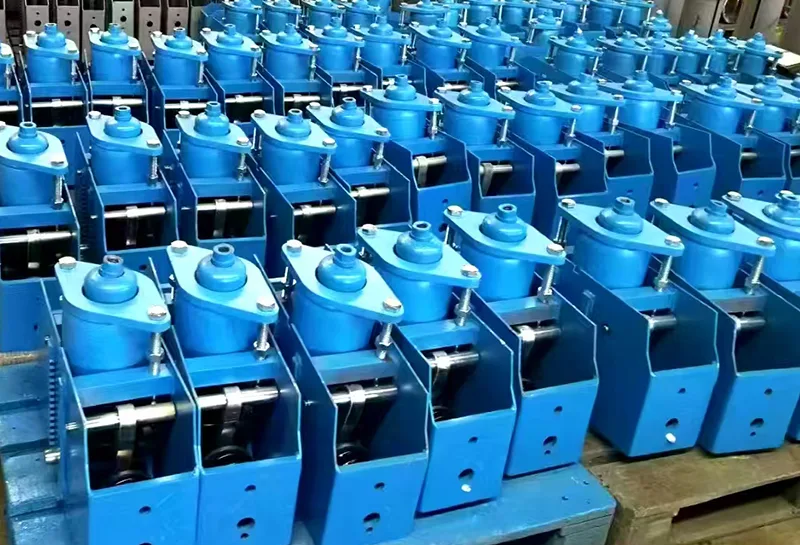
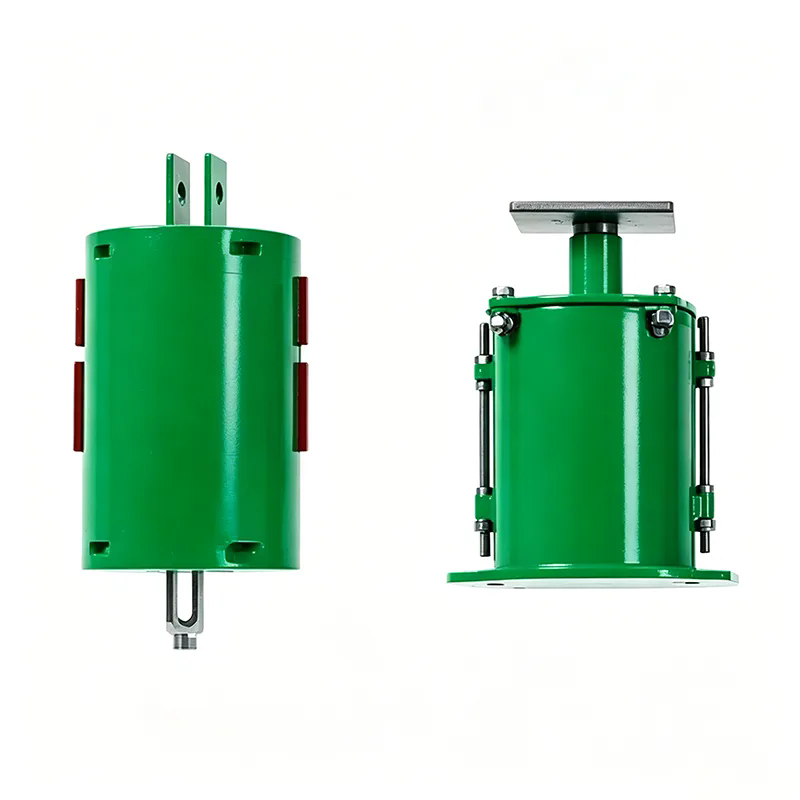
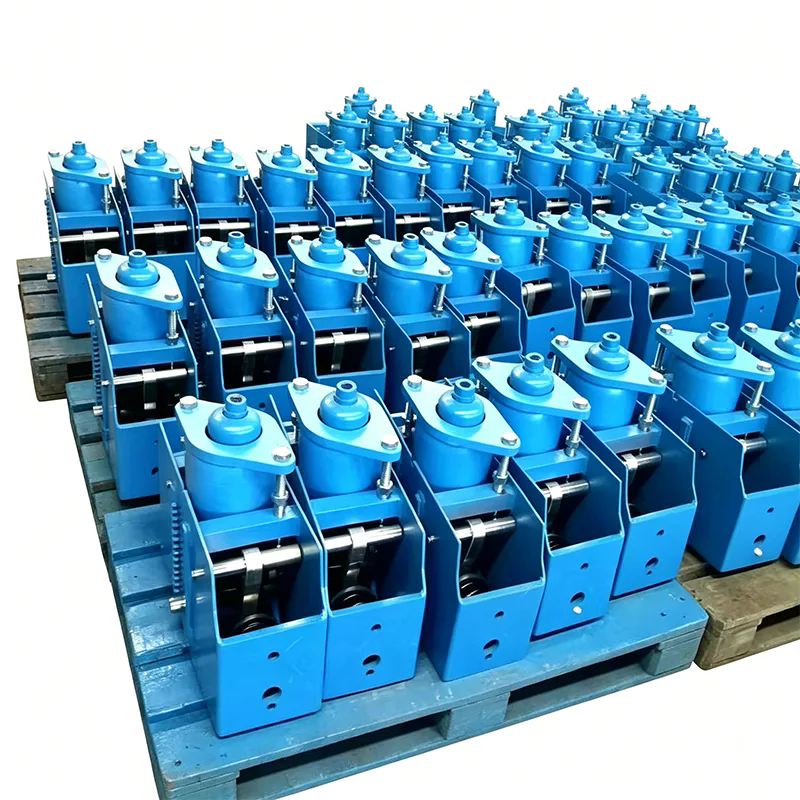
At Tianshun, we've been making pipe supports for as long as we've been in business — 14 years. They may not have the moving parts that spring supports do, but in many ways, rigid pipe supports carry a bigger responsibility. A spring unit can handle a few millimeters of travel wrong and still work. A pipe support that's undersized, badly welded, or specified in the wrong material can fail suddenly, and when it does, the pipe goes with it. That's why we treat every pipe support order with the same care we give to our more complex constant spring supports and variable spring units.
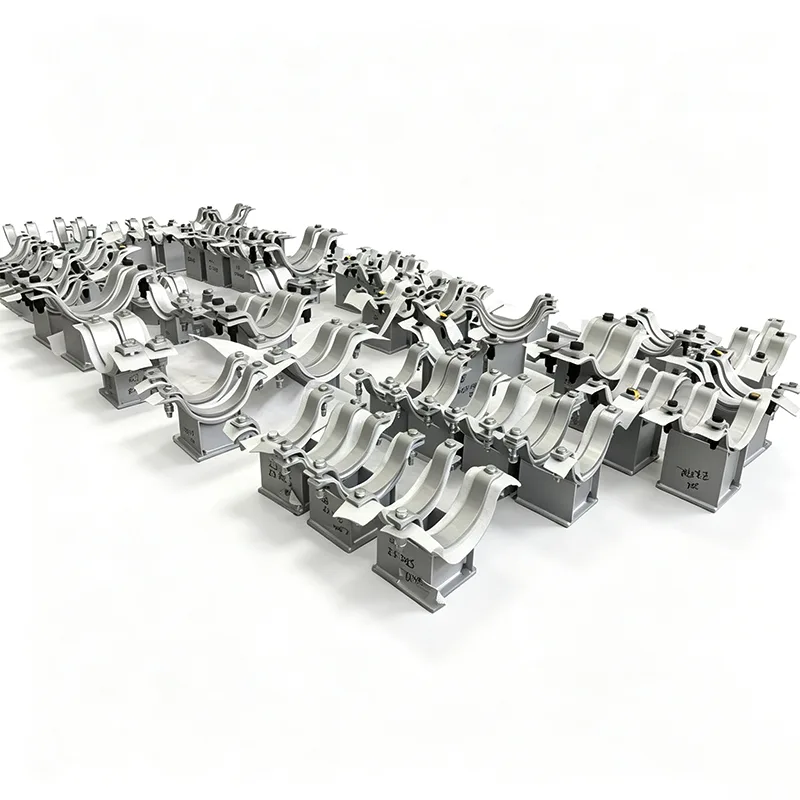
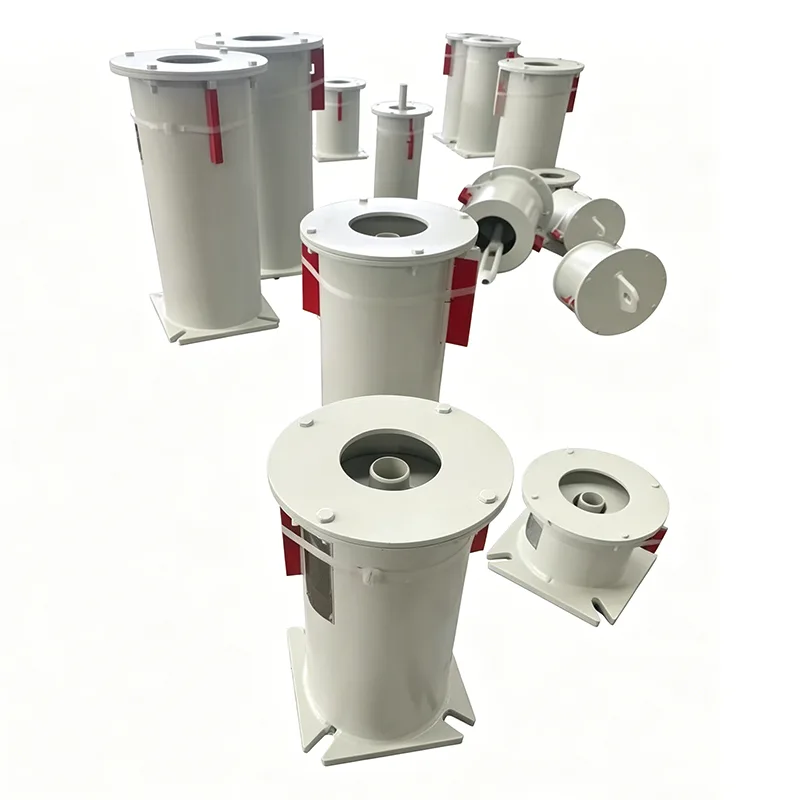
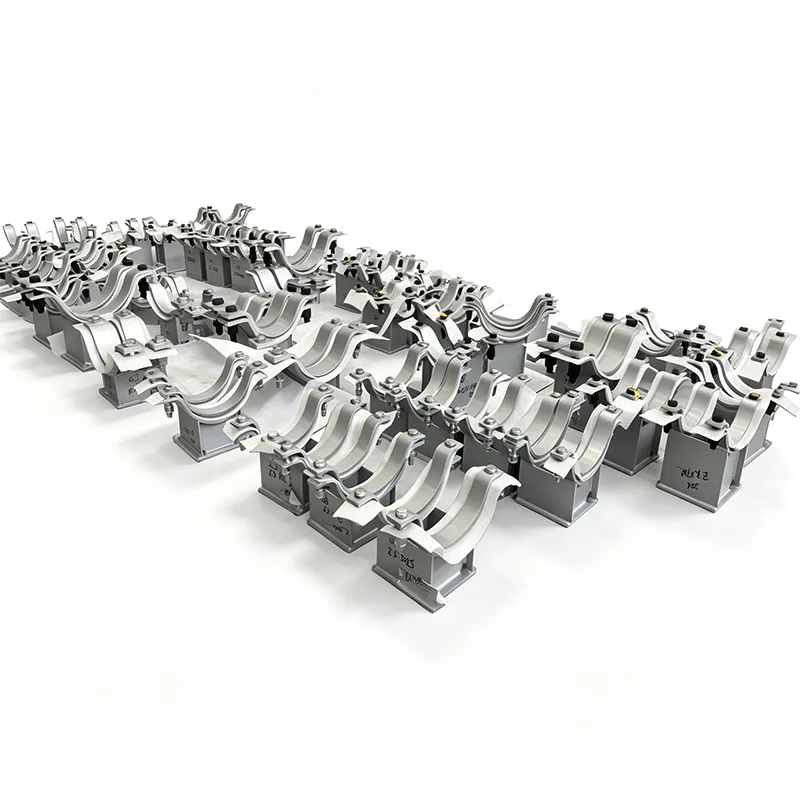
A pipe support's job is simple to describe, harder to get right every time: hold the pipe in position, carry its weight, and guide or anchor it as the piping specification demands. We manufacture a wide range — from basic beam‑mounted pipe clamps and T‑post pipe shoes to custom‑engineered slide plates and heavy‑duty trunnion supports. These aren't off‑the‑shelf catalogue parts for us; we build to your pipe size, insulation thickness, load data, and installation environment.
How Pipe Supports Fit Into the Bigger Support Picture
Walk down any pipe rack and you'll see a mix: rigid pipe supports taking the deadweight and guiding lateral movement, spring hangers or variable spring supports absorbing vertical travel where needed. One without the other doesn't work. A pipe support that's too stiff in the wrong place can transfer stress straight into a flange or a vessel nozzle. That's why our engineers always look at the full support scheme when you send us an inquiry — and why we don't hesitate to suggest a pre‑insulated pipe support for cold lines or a guided shoe for a long straight run that needs controlled axial movement.
Materials and Finishes We Stock and Use
We keep a broad inventory of carbon steel, stainless steel, and alloy steel plate, pipe, and structural sections so we can turn around pipe support fabrication quickly. The table below lists the materials we use most often:
|
Support Type
|
Common Material
|
Surface Finish Options
|
|
Pipe clamps & yokes
|
Carbon steel A36, SS304
|
Painted, galvanized, or bare
|
|
Pipe shoes (weld‑on)
|
Carbon steel A105 / A36 base, SS304 shoe
|
Red oxide primer, hot‑dip galvanized
|
|
Slide plates & PTFE pads
|
Carbon steel backing, PTFE bonded
|
25% glass‑filled PTFE, dimpled for lubrication
|
|
Guide supports
|
Structural steel Q235B
|
Epoxy paint, zinc‑rich primer
|
|
Trunnion & dummy supports
|
Seamless pipe + forged cap
|
As per pipe class
|
|
Rod hangers & clevises
|
45# steel, SS304
|
Zinc plated, electro‑galvanized
|
All structural welding is carried out by certified welders, and we perform visual and dimensional checks on every support before it leaves the shop. If your project requires NDT (PT, MT, or UT) on certain welds, we can include that in the scope.
Standards That Govern Our Pipe Supports
We work to the following international codes every day:
ANSI/MSS SP‑58 – Pipe Supports and Hangers
ASME B31.3 and B31.1 – Process and Power Piping
ASME Section IX – Welding qualifications
EN 1090 – Structural steel (where required for CE marking)
GB/T 17116 – Chinese national standard
Our ISO 9001:2015 system covers the entire manufacturing chain, and material traceability is maintained from the raw steel heat number to the final support assembly tag.
Frequently Asked Questions
Q1: Can you match our existing pipe support standard drawings?
Yes, that's how most of our orders come in. Send us your standard support drawings, isometrics, or just a marked‑up pipe support schedule, and we'll fabricate to those exact dimensions. We regularly work with EPC standard libraries.
Q2: What's the difference between a pipe shoe and a pipe support?
In daily conversation, people often use the terms interchangeably. Strictly speaking, a pipe shoe is a specific type of pipe support — a steel profile welded to the bottom of the pipe to raise it off the structural steel. A pipe support is the broader family that includes shoes, clamps, guides, trunnions, and hanger rod assemblies. We manufacture both pipe shoes and complete pipe support assemblies.
Q3: How do you handle insulated or cold lines?
For hot insulated lines, we increase the shoe height to clear the insulation. For cold or cryogenic lines, we supply pre‑insulated pipe supports with a rigid foam block bonded into the shoe to prevent cold transfer and condensation. Tell us the insulation thickness and material, and we'll design the shoe accordingly.
Q4: What is your lead time for a batch of pipe supports?
Standard carbon steel supports: 15–25 days, depending on quantity. Stainless steel or large, complex assemblies: 25–35 days. For bulk orders tied to a project schedule, we can phase deliveries to match your construction sequence.
Q5: Do you also supply the structural embed plates and T‑posts?
We can, if your project requires it. Usually, pipe supports are the interface between the pipe and the structure. If you need the embed plates, base plates, or T‑post steel as well, we can package everything together, which simplifies site logistics.
Testing and Quality Checks
Pipe supports may not have moving parts, but we still run a structured quality control process:
Incoming material verification against mill certificates
Dimensional check after cutting and drilling
Fit‑up inspection before welding
Visual weld inspection, plus additional NDT if specified
Dimensional and angle check on finished assembly
Surface finish and coating inspection
Every shipment is accompanied by a delivery note that lists each support by its tag number, so your site team can match parts to the isometric drawing without guesswork.
Customization We Do Every Day
Few pipe supports leave our factory as a completely standard part. Common customizations include:
Extended shoe heights for thick insulation or fireproofing
Adjustable slide bases with PTFE pads for low‑friction sliding
Stainless steel hardware for offshore and coastal installations
Special load ratings — we've built pipe supports for large‑bore lines carrying 40‑inch diameter pipe
Anti‑vibration clamps with neoprene lining for reciprocating compressor piping
High‑temperature alloy supports for furnace and reformer lines
You're not limited to what's in a catalogue. Send us your requirements, and we'll fabricate exactly what you need.
Practical Notes From Our Shop Floor
A few things we've picked up over the years that might help you:
If your pipe is going to be hydrotested, make sure the pipe supports are designed for the flooded weight. A lot of support failures happen during testing, not during operation.
On long pipe racks, avoid over‑guiding. Leave room for axial movement. We can incorporate slide plates with a known coefficient of friction into our shoe designs to keep the reaction loads within your pipe stress limits.
If the pipe support will be exposed to fire, specify a fire‑resistant coating or a design that won't collapse within the required fire rating period. We can advise on practical options.
For stainless steel pipe, always use stainless steel support components or at least a non‑metallic liner (PTFE or neoprene) to avoid galvanic corrosion at the contact point.
Why Choose Tianshun for Your Pipe Supports?
We're not a distributor who picks parts out of a warehouse. We're a factory that cuts steel, welds assemblies, machines contact surfaces, applies coatings, and ships directly to your site or consolidator. Our team has seen enough pipe support failures in the field to know that a little extra care during fabrication makes a big difference down the line.
Whether you need twenty simple welded shoes or two hundred complex guided supports with slide plates, we'll give you a factory‑direct price, a realistic delivery schedule, and a set of fabrication drawings for your approval before we start cutting steel. Over 70% of our business comes from customers who ordered once and never bothered to qualify another supplier.
If your next project calls for pipe supports, pipe shoes, or pre‑insulated pipe supports, send us your support list or standard drawings. We'll return a detailed quotation, usually within 24 hours. And as always, you're welcome to visit our factory in Yangzhou and see how we build things.