No.115 Yunhe North Road, Yangzhou City.Shuzhou, China +86-13032562550 jsts2021@yeah.net
Follow Us -
Products
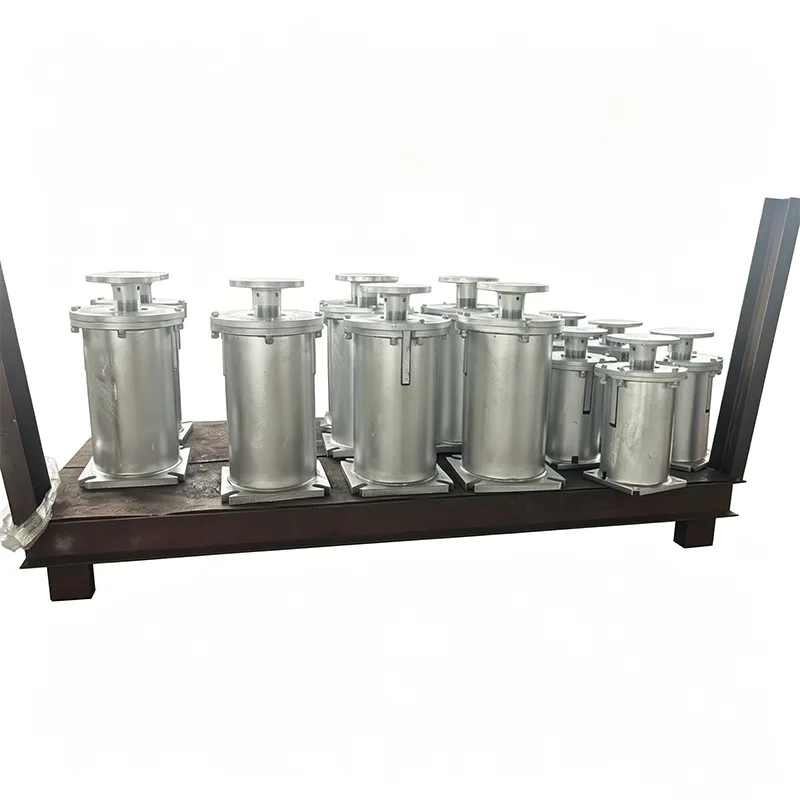
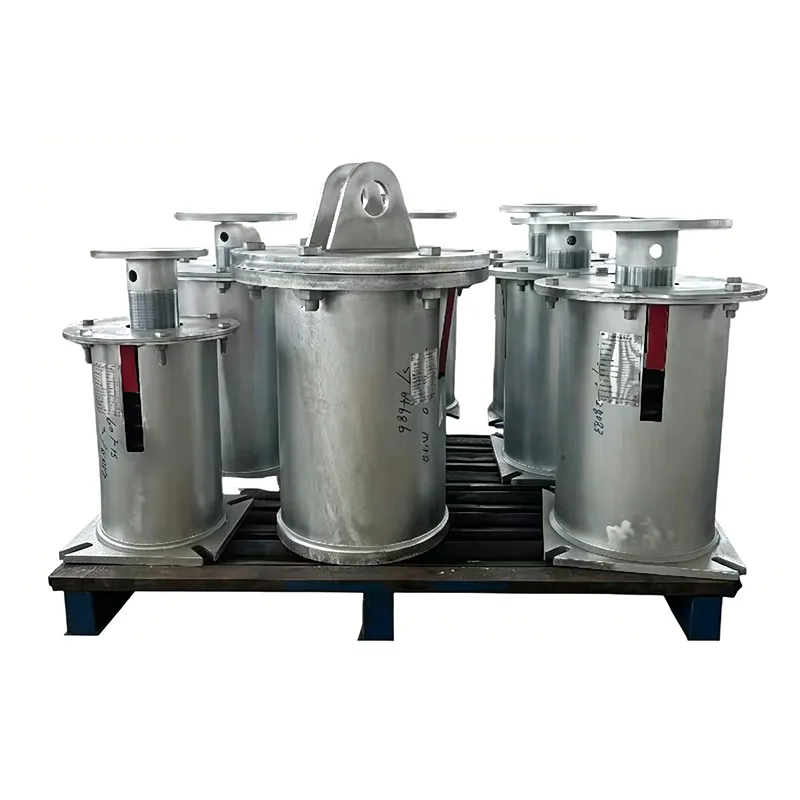
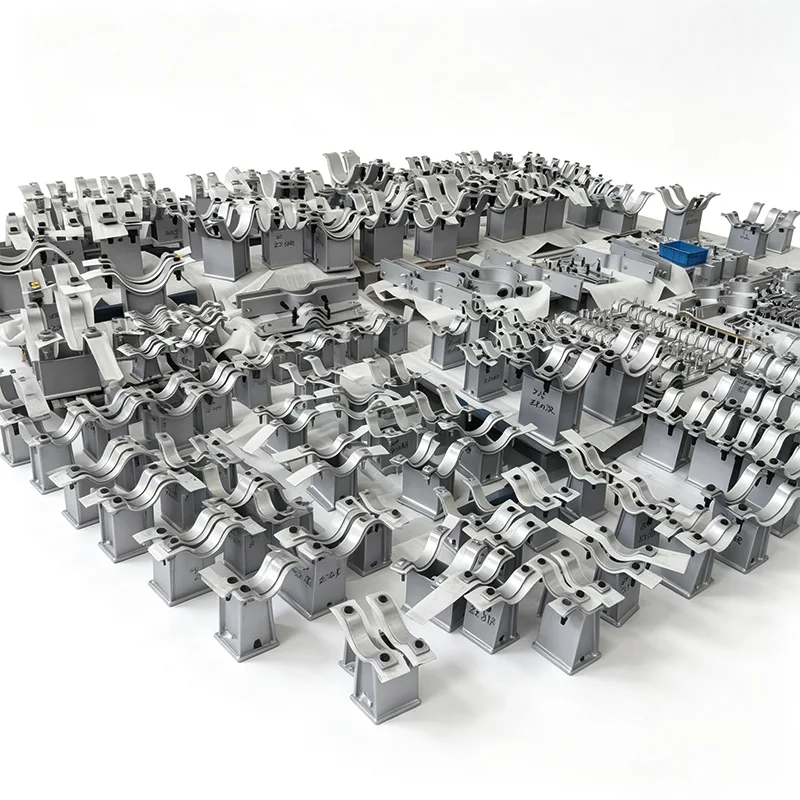
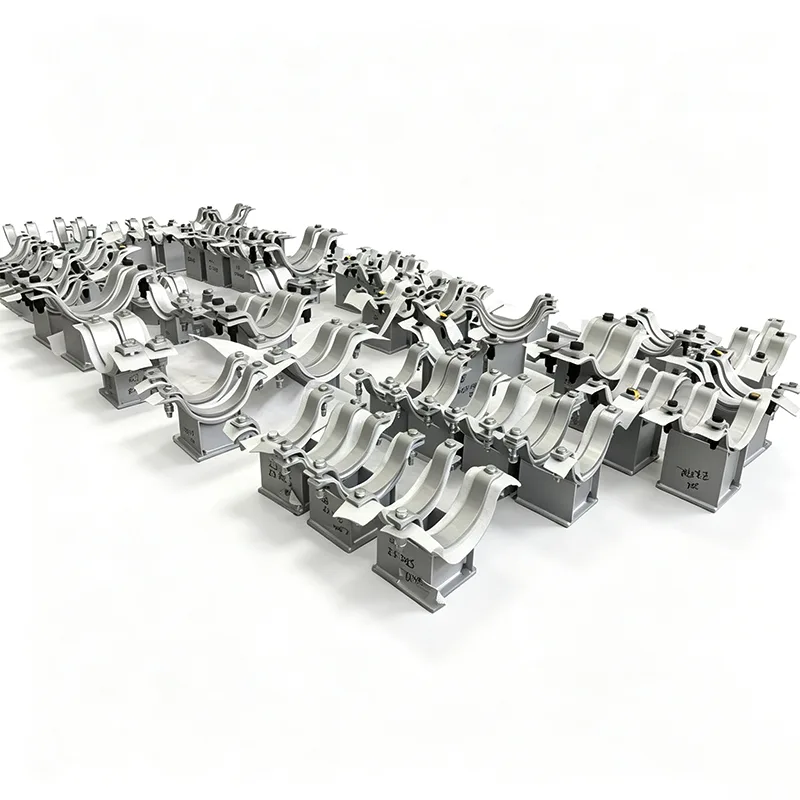
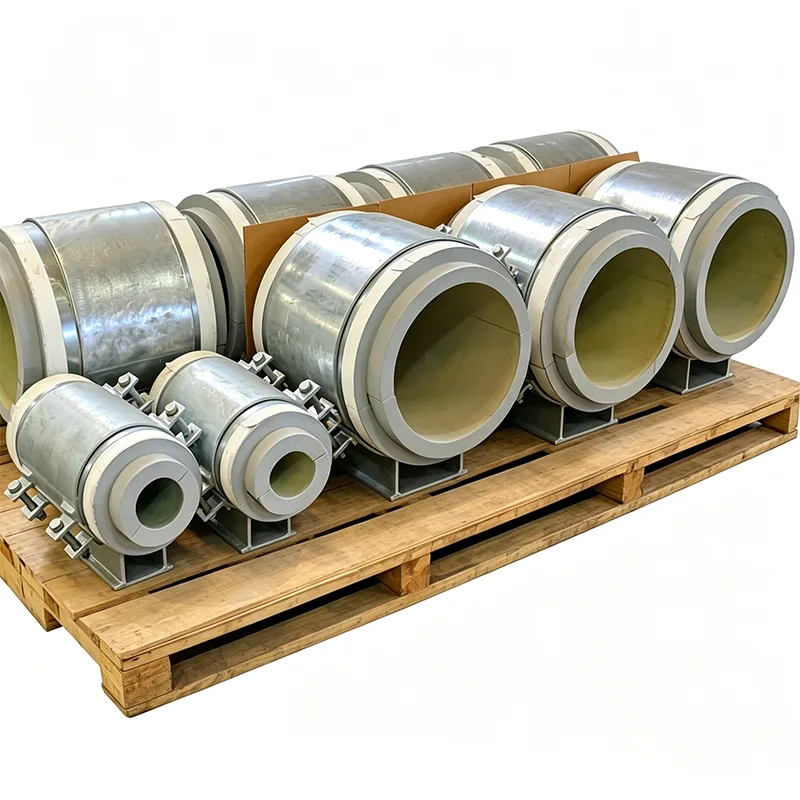
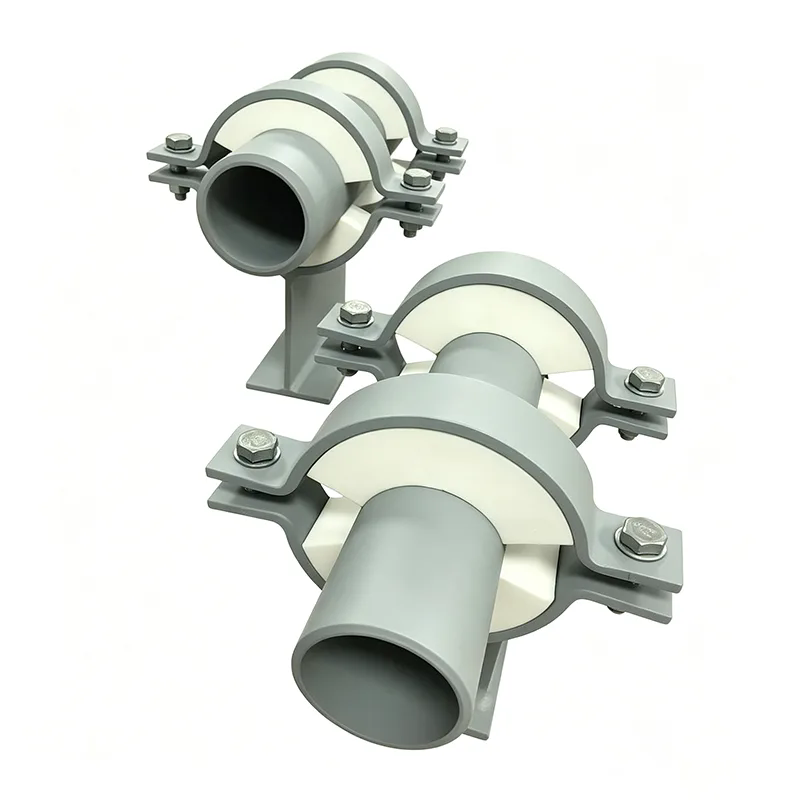
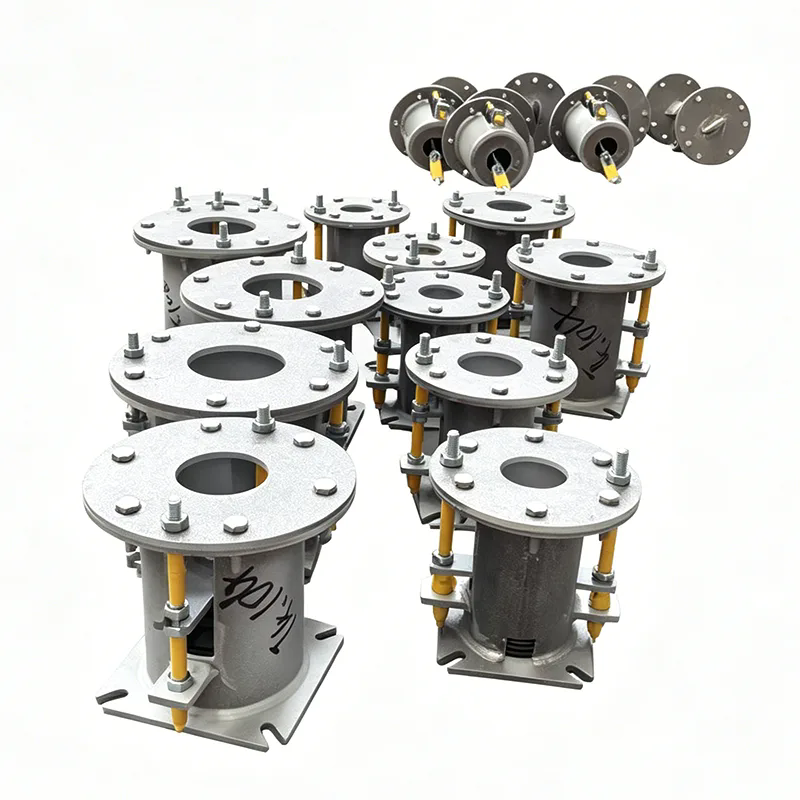
Stainless Steel Stanchion Saddle Pipe Supports
  • Stainless Steel Stanchion Saddle Pipe SupportsStainless Steel Stanchion Saddle Pipe Supports

Stainless Steel Stanchion Saddle Pipe Supports

Corroded pipe supports create safety risks and unplanned shutdowns in coastal, chemical, and hygienic plants. Yangzhou Tianshun’s stainless steel stanchion saddle pipe supports — machined from traceable 304/316L with full documentation — eliminate corrosion failure and simplify installation. Request a quote, get a design proposal, or schedule a factory visit.

When a pipe support has to sit in a salt-laden coastal plant, handle aggressive chemical washdowns, or stay maintenance-free for decades inside a sterile processing line, the material choice is everything. At Yangzhou Tianshun, we’ve been designing and delivering pipe support systems since 2012, and our Stainless Steel Stanchion Saddle Pipe Supports are built for exactly those situations – where standard carbon steel just won’t hold up.


Every stainless steel stanchion saddle support we ship reflects 14 years of direct feedback from EPC contractors, maintenance engineers, and project owners across 45+ countries. We’ve learned what works, what fails early, and how to engineer out common failure points long before a support ever touches your pipe.


What you get with a Tianshun stainless steel stanchion saddle

Material integrity you can trace

We machine saddle bodies and stanchion components from solid 304 (UNS S30400) or 316L (UNS S31603) stainless steel plate and bar stock – not cast equivalents. Every heat of material arrives with an EN 10204 3.1 mill test certificate, and we maintain full traceability from raw material receipt through final inspection. For projects requiring enhanced pitting resistance, duplex 2205 or super-austenitic grades are available on request.


Engineered shape, not just a bent plate

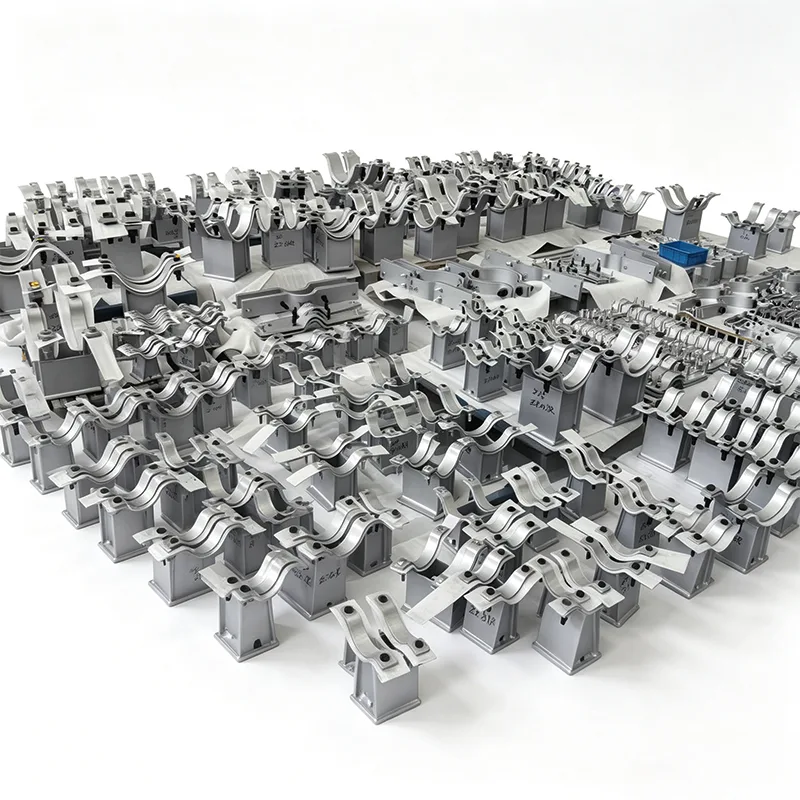
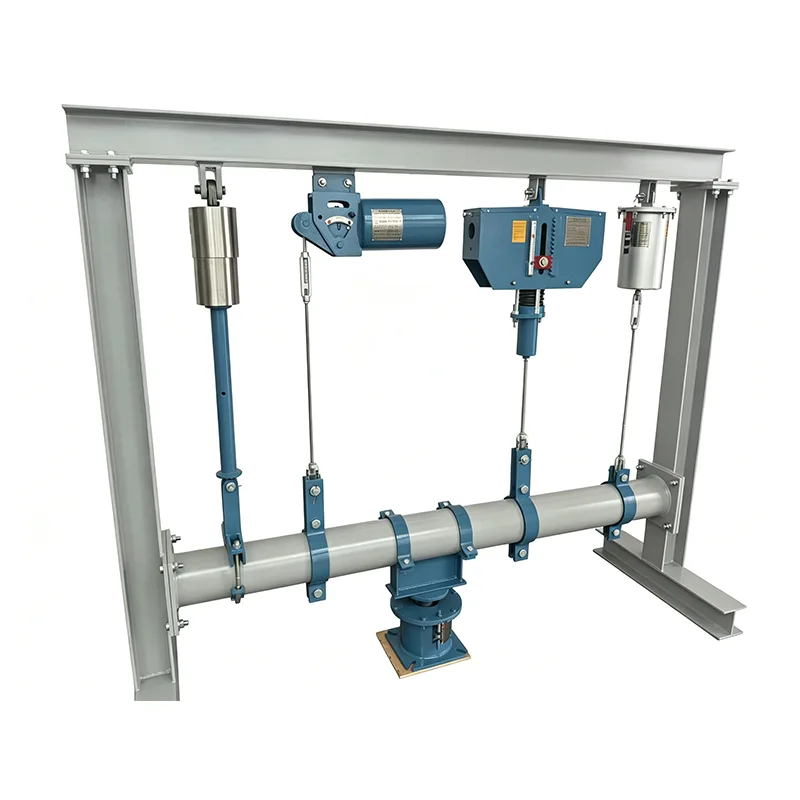
The saddle radius is precision-machined to match the actual outside diameter of your pipe, typically from 1" NB up to 48" NB and larger. This eliminates the point-loading that can occur with generic V-shaped supports. On hot lines, we often extend the saddle width and incorporate low-friction PTFE or graphite slide plates directly into the design – so the support works with your pipe’s thermal movement, not against it.


Stanchion design that makes installation predictable

The stanchion itself – the vertical post that ties the saddle to the structural steel – is available in fixed-height or adjustable configurations. Fixed stanchions are commonly a single welded fabrication of stainless steel channel, H-beam, or pipe, with a full-penetration weld at the saddle base. Adjustable designs incorporate a threaded stem and locking nut arrangement, allowing precise elevation setting during hot alignment without cutting or rewelding.


All load-bearing welds are performed by certified welders to procedures qualified under ASME Section IX, with weld maps and NDE (PT or RT) available as required. Surface finish after welding is standard pickled and passivated to restore full corrosion resistance.


How the loads are handled

We don’t just assume “stainless is strong.” Our in-house engineers check each stanchion assembly for the combination of vertical dead weight, thermal expansion thrust, occasional wind or seismic loads, and any uplift that can occur at changes in direction. If your project has specific design codes (ASME B31.1, B31.3, EN 13480, etc.), we can provide the corresponding stress analysis and load data. We’ve shipped supports designed for vertical loads from a few hundred Newtons up to over 300 kN.


Where you’ll see these supports in service

Over the years, our Stainless Steel Stanchion Saddle Pipe Supports have gone into places where failure is not an option:

LNG regasification terminals – 316L saddles in open-air marine environments with continuous salt spray.

Pharmaceutical WFI (water for injection) loops – 304 stainless with full documentation packages and electropolished finish options.

Edible oil and beverage plants – supports designed with hygienic profiles, minimal crevices, and FDA-compliant gasket materials where necessary.

Chemical processing and caustic storage – specially selected grades for chloride stress corrosion cracking resistance.

Offshore platform topsides – adjustable stanchions allowing realignment after structural settlement, all in 316L with full third-party inspection.


How we make sure the quality is real

Every stanchion saddle assembly passes through our in-house testing lab before release:

Dimensional verification against agreed fabrication drawings

PMI (positive material identification) for grade confirmation on stainless parts

Dye penetrant or radiographic inspection on critical welds (per client specification)

Load testing on request for new or heavily customised designs

Our factory is ISO 9001:2015 certified, and we’re accustomed to working with third-party inspectors from SGS, Bureau Veritas, TÜV, and client representatives during production and final inspection.


Customisation is the norm, not an upcharge

Very few projects need a “catalogue” stainless steel stanchion saddle. Most require adjustments – different base plate dimensions, specific bolt hole patterns, extended height to clear insulation, a particular saddle wrap angle, integrated guides or hold-down clamps. That’s fine. We’ve built our production workflow around small-batch, custom-engineered orders. Send us your pipe datasheet, your structural steel elevation, or a simple sketch, and our engineers will return a proposal drawing within 2-3 working days.


For projects with repetitive pipe rack requirements, we can pre-engineer a complete support schedule, identify optimization opportunities, and reduce total installed cost without compromising code compliance.


A final note on reliability

The majority of our stainless steel pipe support orders come from customers who have already installed carbon steel supports from us and came back specifically for the stainless upgrade. When you have a pipe spec that calls for “all wetted and external support components to be corrosion-resistant,” we understand that means the stanchion saddle is part of the system – not an afterthought. We build it that way, inspect it that way, and document it that way.


Need a quote or a quick technical review?

Contact our engineering team at [email / phone] with your pipe size, required height, and load conditions. You’ll typically have a complete proposal in less than 24 hours for standard requests. We’re also happy to arrange a factory visit in Yangzhou – seeing how the stainless saddles go from plate to final assembly is the best way to understand the difference real manufacturing control makes.


FAQ

1. What grades of stainless steel do you offer for stanchion saddles, and how do I know I’m really getting 316L?

Our standard stock includes 304 (UNS S30400) and 316L (UNS S31603) plate and bar. For chloride-heavy or offshore environments, we strongly recommend 316L due to its molybdenum content, which greatly improves pitting resistance. Every heat of material we receive comes with an EN 10204 3.1 mill test certificate, and before any cutting or welding starts, our in-house lab performs PMI (Positive Material Identification) using handheld XRF on stainless grades. You’ll receive a copy of that PMI report in your final documentation package – no guesswork, no “trust me.”


2. Can you manufacture a saddle to fit a non-standard pipe OD or insulation thickness?

Yes, this is routine for us. You provide the actual outside diameter of the pipe (and the insulation OD if the saddle sits on insulated pipe), and we machine the saddle radius to match that exact dimension. This isn’t a bent plate that “looks close” – the contact surface is milled to the specified radius, usually with a wrap angle between 120° and 180° depending on the load and lateral restraint requirements. We can also extend the saddle height to clear insulation and cladding without any field cutting.


3. Do you provide load ratings and stress calculations for custom stanchion assemblies?

Absolutely. Our engineering team routinely performs vertical load, horizontal thrust, and combined stress checks per ASME B31.1, B31.3, or your project’s chosen code. We’ll submit a calculation sheet showing the stanchion column buckling check, base plate bearing stress, weld strength, and bolt tension/shear as applicable. If your project requires independent verification, we have no issue working with your appointed third-party engineer.


4. What welding and inspection standards do you follow for stainless steel supports?

All load-bearing welds on stainless stanchion saddles are performed by qualified welders following WPS qualified to ASME Section IX. The typical joint between saddle and stanchion is a full-penetration groove weld, ground smooth at the toe. Depending on your specification, we perform dye penetrant (PT) or radiography (RT) on critical welds. After welding, every stainless assembly is pickled and passivated to remove heat tint and restore the passive chromium oxide layer. You can see the difference: a uniform, silvery surface with no blue discoloration around the weld zone.


5. Can I get an adjustable-height stanchion, and how precise is the elevation adjustment?

Yes, we offer threaded adjustable stanchions with a lock nut arrangement, commonly used where precise elevation setting is needed during hot alignment or where structural steel elevations may vary. Typical adjustment range is ±25 mm, and the fine thread allows 1–2 mm vertical precision. After setting, the lock nut is tightened and tack-welded to prevent movement during operation. The full load path is mechanical (thread shear), and we size the stem accordingly – no reliance on the tack weld to carry the load.


6. Are your stainless steel supports suitable for hygienic or washdown environments (food, pharma)?

Yes, and we’ve delivered many batches for these applications. For hygienic requirements, we eliminate flat horizontal surfaces and crevices where possible, and we finish the assembly to a minimum Ra 0.8 μm (32 μin) surface roughness, or electropolished if specified. We also use FDA-compliant anti-seize compounds on threads and avoid ferritic contamination by keeping all tooling and work surfaces dedicated to stainless. The documentation package can include surface roughness reports and detailed cleaning certificates.


7. What documentation will I receive with my order?

A standard shipment includes:

Full dimensional inspection report showing actual vs. drawing dimensions

EN 10204 3.1 material certificates for all stainless parts

PMI report (for alloy verification)

Weld map and NDE reports (PT/RT as applicable)

Certificate of pickling and passivation

Declaration of conformity and packing list with heat numbers

We can also provide data books compiled to your project’s specific format. About 80% of our stainless support orders now include at least a basic MDR (Manufacturer’s Data Record).


8. What is a realistic lead time for a batch of custom stainless steel stanchion saddles?

For quantities of 5 to 50 pieces with custom dimensions and standard 304/316L material, our typical lead time is 20–30 working days from drawing approval. Larger orders or those requiring duplex stainless steel may extend to 35–45 days. If you’re on a critical timeline, we can discuss expediting – often we can shorten by 5–7 working days by reserving material and shifting shifts, but we will always be transparent about what’s feasible without compromising weld quality or inspection steps.

Stainless Steel Stanchion Saddle Pipe Supports


Hot Tags: Stainless Steel Stanchion Saddle Pipe Supports, Manufacturer, Supplier, Factory
Send Inquiry
Contact Info

If you have any enquiry about quotation or cooperation, please feel free to email us at jsts2021@yeah.net or use the following inquiry form.Our sales representative will contact you within 24 hours. Thank you for your interest in our products.

X
We use cookies to offer you a better browsing experience, analyze site traffic and personalize content. By using this site, you agree to our use of cookies.Privacy Policy
RejectAccept