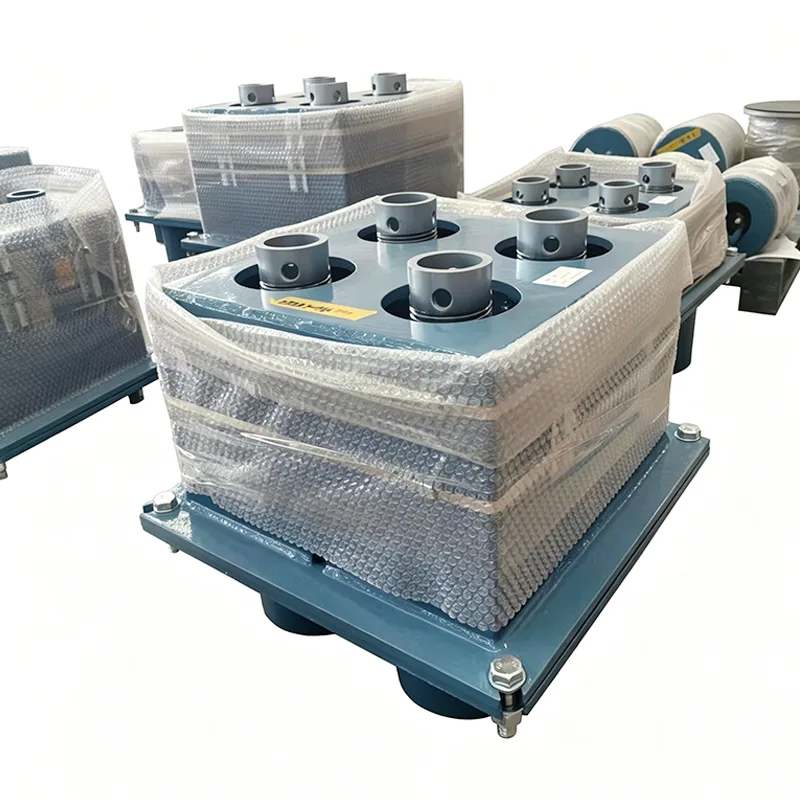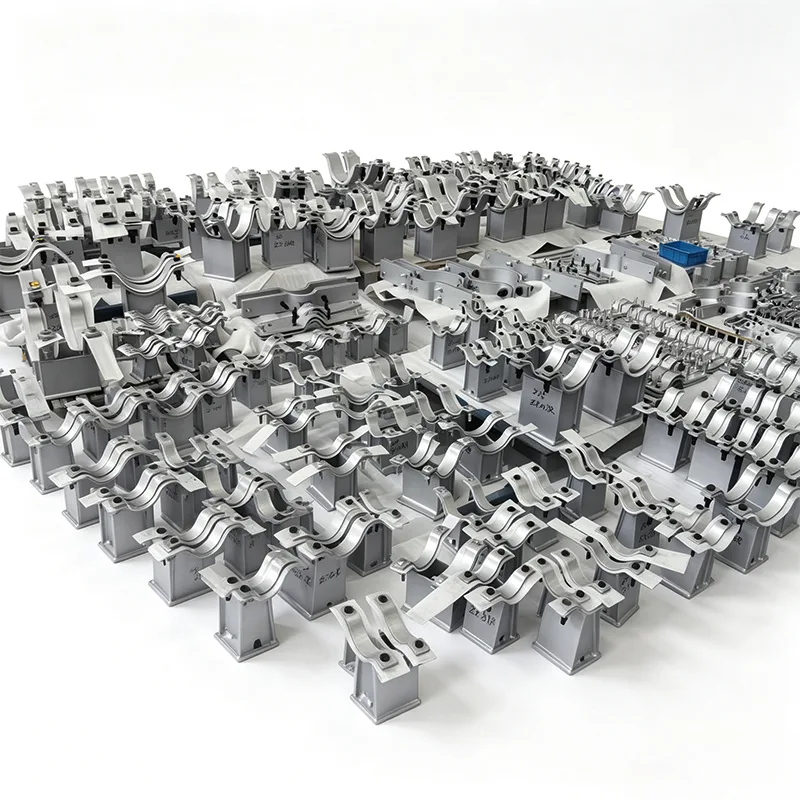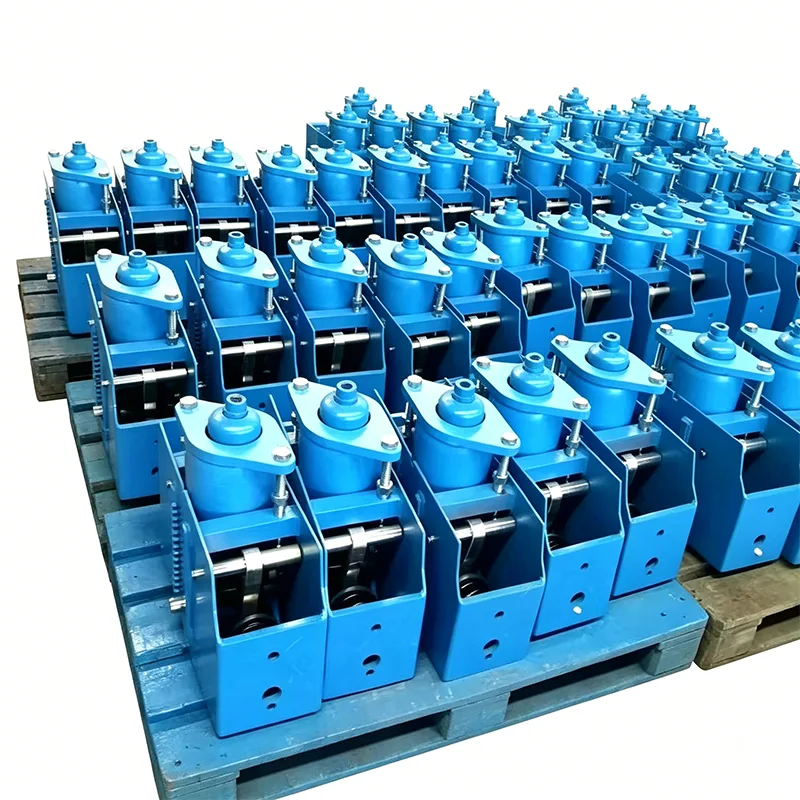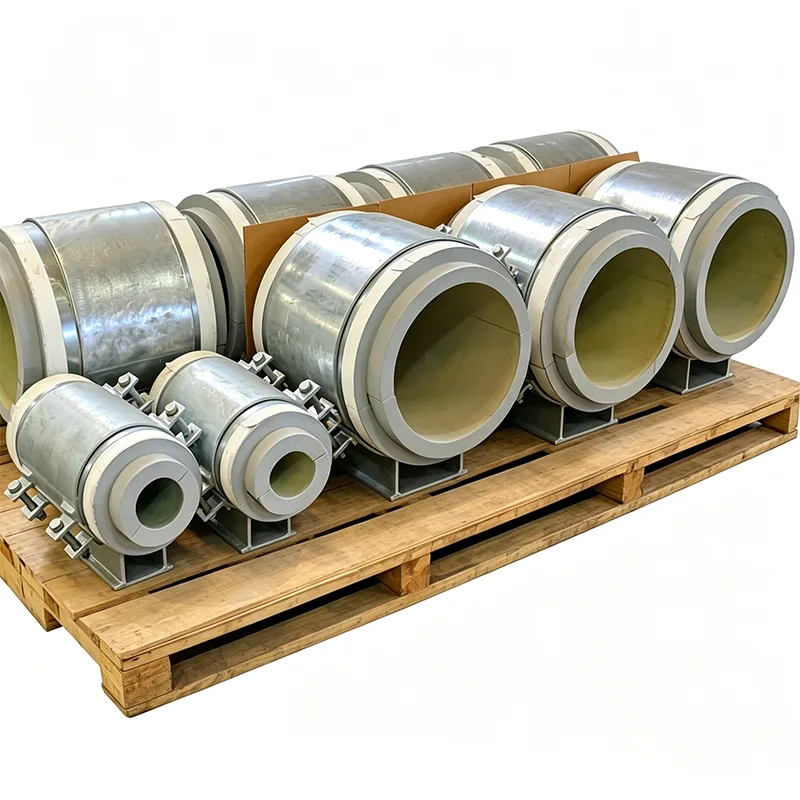

Article Summary: A reliable support system is essential for industrial pipelines exposed to thermal expansion, contraction, vibration, and changing operating loads. A Variable Spring Support for Pipeline provides controlled vertical movement while continuously supporting the pipeline. With professional manufacturing experience, Tianshun supplies standardized and customized variable spring support solutions for power plants, petrochemical facilities, oil and gas systems, chemical plants, water treatment projects, and other demanding industrial applications.
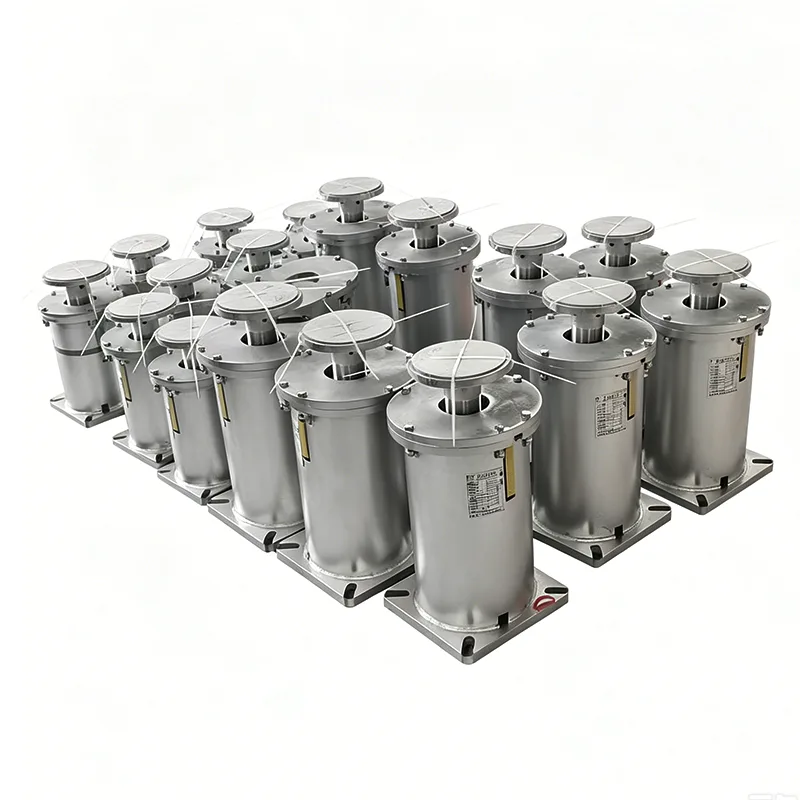
Table of Contents
- What Is a Variable Spring Support for Pipeline?
- Why Is Variable Spring Support Needed in Industrial Pipelines?
- How Does a Variable Spring Support Work?
- What Are the Key Technical Specifications?
- What Are the Main Components?
- What Are the Main Advantages?
- Where Is Variable Spring Support Used?
- How Should You Select the Right Variable Spring Support?
- How Does Manufacturing Quality Affect Performance?
- How Does It Compare with Other Pipe Supports?
- Frequently Asked Questions
What Is a Variable Spring Support for Pipeline?
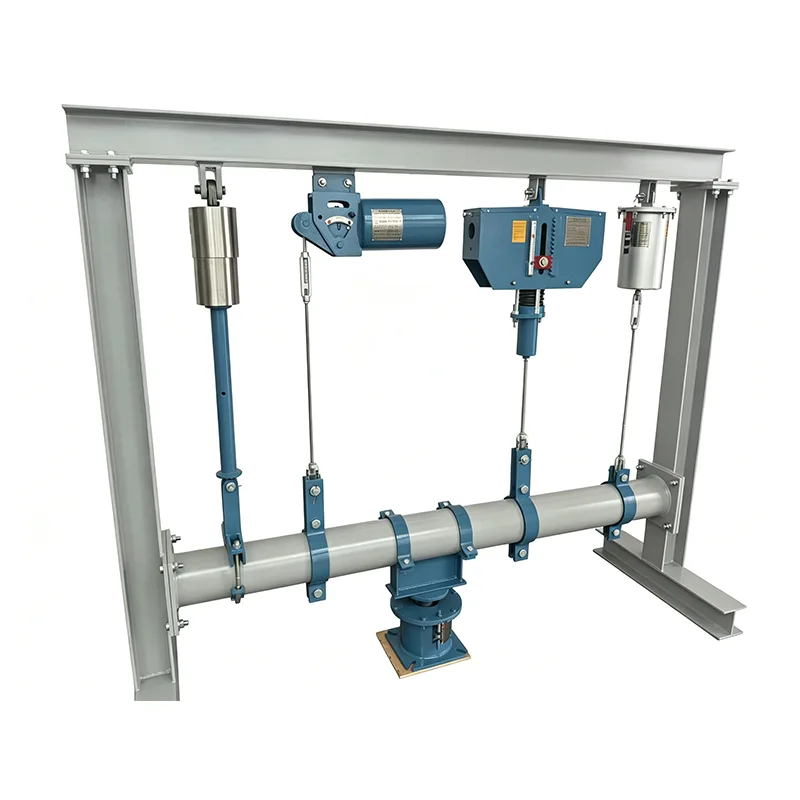
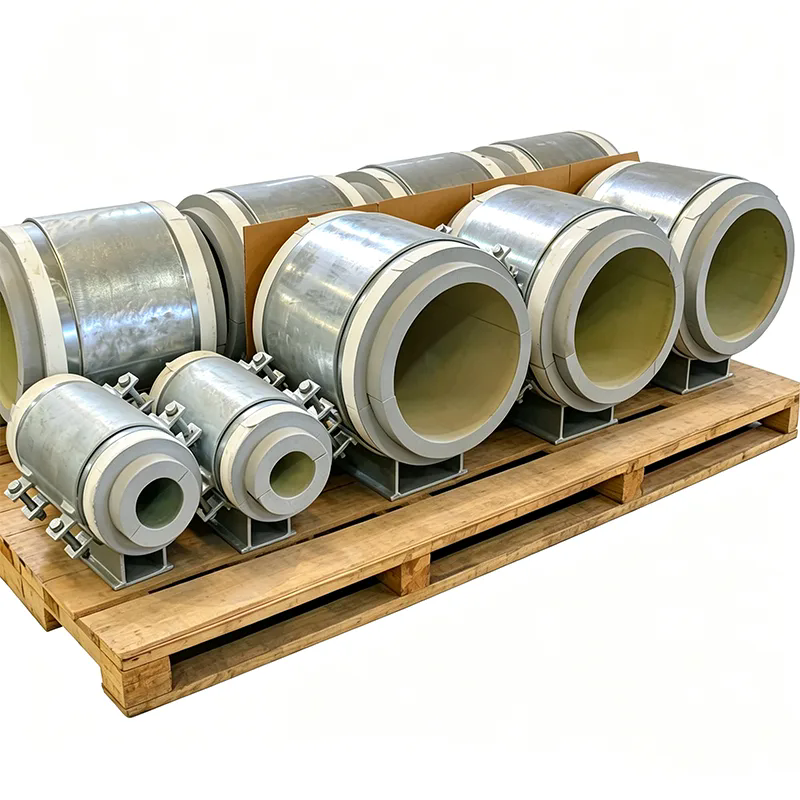
A Variable Spring Support for Pipeline is an elastic mechanical support designed to carry pipeline loads while allowing controlled vertical movement. Unlike a rigid support, which restricts movement, a variable spring support uses the deflection characteristics of a spring to accommodate changes in pipeline position.
Industrial piping can move significantly when operating temperatures change. Steam lines, feedwater systems, process pipelines, condensate lines, and other high-temperature systems may expand during operation and contract after shutdown. If this movement is not properly managed, excessive forces can be transferred to pipes, valves, flanges, equipment nozzles, and structural connections.
A properly selected spring support helps distribute these forces while maintaining a predictable supporting load. Tianshun's product range includes standard and customized configurations designed for different load capacities, travel requirements, installation conditions, and industrial environments.
Why Is Variable Spring Support Needed in Industrial Pipelines?
Pipeline support is not simply a matter of holding a pipe in place. A properly engineered support system must accommodate weight, thermal movement, vibration, and operating conditions without creating excessive secondary stress.
Variable spring supports are particularly useful when a pipeline needs vertical displacement compensation but does not require the extremely low load variation associated with a constant spring support.
- Thermal expansion compensation: Allows controlled vertical movement as pipeline temperature changes.
- Load distribution: Provides continuous support for pipelines and associated components.
- Stress reduction: Helps reduce excessive forces transferred to connected equipment.
- Vibration management: Provides an elastic supporting mechanism for operating piping systems.
- Equipment protection: Helps reduce the risk of excessive loading at sensitive connection points.
- Installation flexibility: Different configurations can be selected according to project requirements.
For engineering projects, the support should always be selected based on actual pipeline weight, movement, operating temperature, installation position, and structural conditions rather than simply choosing a support based on pipe diameter.
How Does a Variable Spring Support Work?
The operating principle of a variable spring support is based on the relationship between spring deflection and applied load. In practical terms, the spring generates a supporting force that changes as the pipeline moves vertically.
When the pipeline moves downward, the spring is compressed further and the supporting force increases. When the pipeline moves upward, spring compression decreases and the supporting force correspondingly decreases. This controlled change allows the support to follow pipeline movement while continuing to carry the load.
The difference between cold load and hot load is therefore an important consideration during engineering design. The support must be correctly calibrated so that its operating condition remains within the permitted load variation and travel range.
For applications where vertical displacement is moderate and a certain degree of load variation is acceptable, a variable spring support can provide an effective balance between performance, structural simplicity, installation convenience, and cost.
What Are the Key Technical Specifications?
Different pipeline projects require different spring capacities and movement ranges. According to the product information provided by Tianshun, variable spring support configurations can cover a broad range of industrial operating conditions.
| Specification | Typical Range / Option | Engineering Significance |
|---|---|---|
| Support Type | Type A, B, C, D, E, F, G | Provides configuration flexibility for different installation conditions |
| Spring Size | No. 0–No. 22 | Allows selection according to required load capacity |
| Travel Range | 30, 60, 90, 120, 180 mm | Matches different vertical pipeline movements |
| Operating Load | 0.2–400 kN | Supports pipelines with different operating loads |
| Movement Direction | Upward / Downward | Accommodates vertical thermal displacement |
| Load Variability | ≤25% standard | Controls supporting-force variation during movement |
| Housing Material | Carbon Steel Q235/Q355 | Provides structural strength and durability |
| Surface Treatment | Hot-dip galvanized / Painted | Helps adapt the support to different environmental conditions |
These values should be treated as product selection references rather than universal design limits. Final specifications should be confirmed according to the actual engineering conditions and manufacturer's technical documentation.
What Are the Main Components?
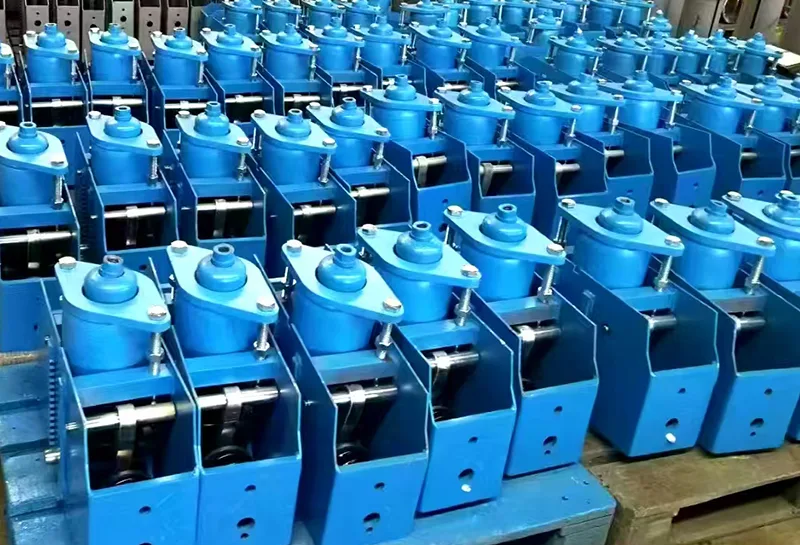
A variable spring support is composed of several coordinated components. Each part contributes to load-bearing capability, installation stability, operational visibility, or environmental protection.
- Helical spring: The primary elastic component, manufactured from spring steel and processed to achieve stable mechanical performance.
- Upper and lower connecting plates: Connect the support to the pipeline structure and supporting structure.
- Load indicator: Helps identify spring load and displacement conditions during installation and operation.
- Locking mechanism: Secures the spring assembly during transportation, installation, and commissioning.
- Protective housing: Helps shield the spring from dust, moisture, rainwater, and corrosive environmental exposure.
The combination of these components makes the system suitable for long-term industrial service where stable support performance is important.
What Are the Main Advantages?
Choosing the correct spring support can contribute significantly to the reliability of a piping system. Compared with conventional rigid supports, variable spring designs provide additional movement capability while remaining relatively straightforward to install and maintain.
Controlled Load Variation
A properly designed variable spring support limits the change in supporting force as the pipeline moves. Tianshun's standard product information specifies a load variability of up to 25%.
Multiple Load and Travel Options
Different spring sizes and travel ranges make it easier to match the support to specific pipeline movement and loading requirements.
Pre-Load Calibration
Spring supports can be pre-adjusted according to specified project requirements, helping simplify installation and commissioning at the job site.
Adaptable Construction
Different configurations and materials can be selected for different installation environments, space limitations, and service conditions.
Maintenance Convenience
Modular construction can simplify component replacement and maintenance when servicing is required during the equipment lifecycle.
Where Is Variable Spring Support Used?
The technology is suitable for industrial piping systems where vertical movement occurs because of temperature variation, operating conditions, or equipment vibration.
- Thermal power plant steam pipelines
- Feedwater and condensate pipelines
- Petrochemical process pipelines
- Heat exchanger connecting pipelines
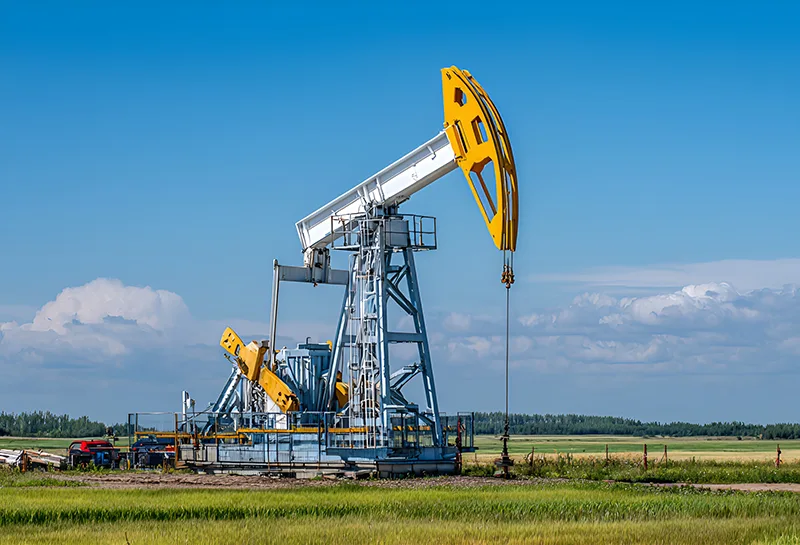
- Oil and gas compressor stations
- Natural gas pipeline valve chambers
- District heating networks
- Water and wastewater treatment facilities
- Ship and offshore platform piping
- Chemical and pharmaceutical processing systems
In power generation and petrochemical facilities, for example, pipelines may experience repeated heating and cooling cycles. A correctly selected variable spring support can accommodate the resulting vertical displacement while helping maintain the intended stress distribution throughout the piping system.
How Should You Select the Right Variable Spring Support?
Correct selection is one of the most important steps in spring support engineering. The support should be selected according to actual operating conditions rather than only the nominal pipe size.
- Determine the operating load: Calculate the pipeline weight, insulation, valves, fittings, fluid weight, and other supported components.
- Identify vertical movement: Establish the expected upward or downward displacement between cold and operating conditions.
- Check load variation: Determine whether the allowable load variation is suitable for the connected equipment and piping stress design.
- Evaluate installation space: Select a suitable configuration based on available structural and maintenance clearance.
- Consider environmental conditions: Select appropriate housing and surface treatment for moisture, corrosion, temperature, and outdoor exposure.
- Confirm installation direction: Verify whether the support needs to accommodate upward or downward movement.
- Review engineering standards: Ensure the selected support is compatible with the applicable project specifications and piping design requirements.
For complex projects, engineers can provide the pipeline load, operating temperature, expected displacement, installation space, and other key parameters to the supplier. The manufacturer can then recommend a suitable model and configuration.
How Does Manufacturing Quality Affect Performance?
Spring support performance depends heavily on spring consistency, dimensional accuracy, load calibration, material quality, and final assembly. Manufacturing quality is therefore directly connected with long-term pipeline reliability.
Tianshun reports a full-process quality-control approach covering raw material inspection, CNC spring production, spring performance testing, finished assembly inspection, and final pre-delivery inspection. Its manufacturing facilities include CNC spring coiling machines, spring testing equipment, spectrometers, and non-destructive testing instruments.
According to the product information, each spring undergoes multiple compression and load tests to verify stable performance before assembly. The company's quality management system is ISO 9001:2015 certified, while its products are stated to comply with international standards including CE and API requirements.
These quality-control measures are particularly important for industrial projects where spring supports may remain in service for many years under repeated thermal cycles.
How Does It Compare with Other Pipe Supports?
| Comparison Factor | Variable Spring Support | Rigid Pipe Support | Constant Spring Support |
|---|---|---|---|
| Vertical Movement | Compensates for moderate movement | Very limited | Suitable for larger movement |
| Load Variation | Typically ≤25% | Changes sharply with displacement | Typically much lower |
| Structural Complexity | Medium | Low | High |
| Installation | Relatively straightforward | Simple | More demanding |
| Cost Level | Medium | Low | High |
| Typical Application | General thermal displacement | Little or no movement | Large movement or highly load-sensitive systems |
This comparison shows why there is no universal “best” pipe support. A variable spring support is particularly attractive when the pipeline experiences moderate vertical displacement and a controlled change in supporting load is acceptable.
Frequently Asked Questions
1. What is the main function of a Variable Spring Support for Pipeline?
Its main function is to support the weight of a pipeline while allowing controlled vertical movement caused by thermal expansion, contraction, or changing operating conditions.
2. What is the difference between a variable spring support and a constant spring support?
A variable spring support changes its supporting force as the spring deflects. A constant spring support is designed to maintain a much more consistent supporting force throughout its specified travel range. Variable spring supports are generally suitable when moderate load variation is acceptable.
3. What information is required for spring support selection?
Important parameters include operating load, cold load, hot load, vertical displacement, movement direction, operating temperature, installation space, pipe configuration, and environmental conditions.
4. What travel ranges are available?
Typical product options include 30 mm, 60 mm, 90 mm, 120 mm, and 180 mm travel. The appropriate travel should be selected according to the actual calculated pipeline movement.
5. Can variable spring supports be customized?
Yes. Customized solutions can be developed for special load requirements, displacement conditions, restricted installation spaces, materials, surface treatments, and other project-specific requirements.
6. How can I determine whether I need a variable or constant spring support?
The decision should be based on pipeline movement, allowable supporting-load variation, connected equipment sensitivity, stress analysis, and project specifications. For critical piping systems, the selection should be confirmed through engineering calculations and professional technical review.
Conclusion
A well-designed support system is fundamental to the safe and reliable operation of industrial piping. By combining elastic load support with controlled vertical movement, a Variable Spring Support for Pipeline can help manage thermal displacement, distribute pipeline loads, reduce excessive stress, and protect connected equipment. For projects requiring standard or customized solutions, Tianshun offers variable spring supports with multiple load and travel configurations, manufacturing quality control, technical selection assistance, and after-sales support. If you are planning a new pipeline project or upgrading an existing support system, contact us with your load, displacement, temperature, and installation requirements to discuss a suitable variable spring support solution for your application.