No.115 Yunhe North Road, Yangzhou City.Shuzhou, China +86-13032562550 jsts2021@yeah.net
Follow Us -
News

How Can a Pre-insulated Pipe Slide Support Improve Thermal Efficiency and Pipeline Reliability

2026-10-10 0 Leave me a message

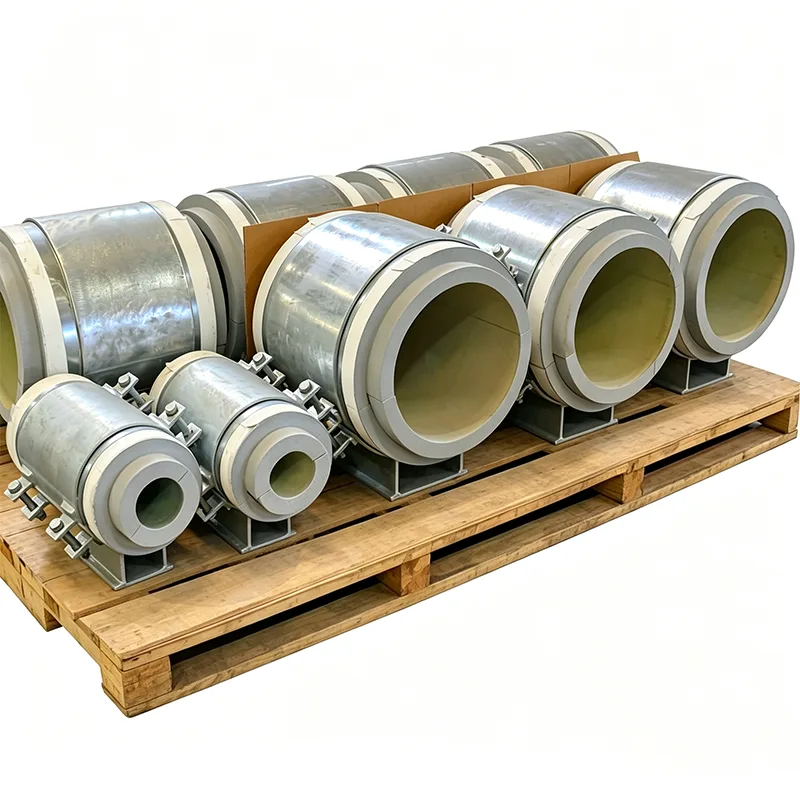
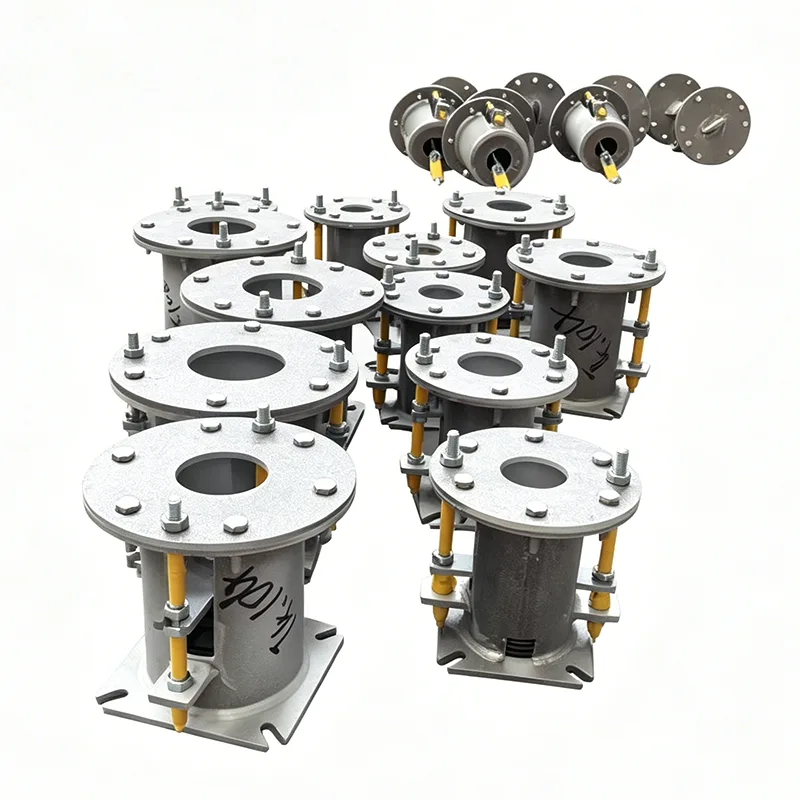
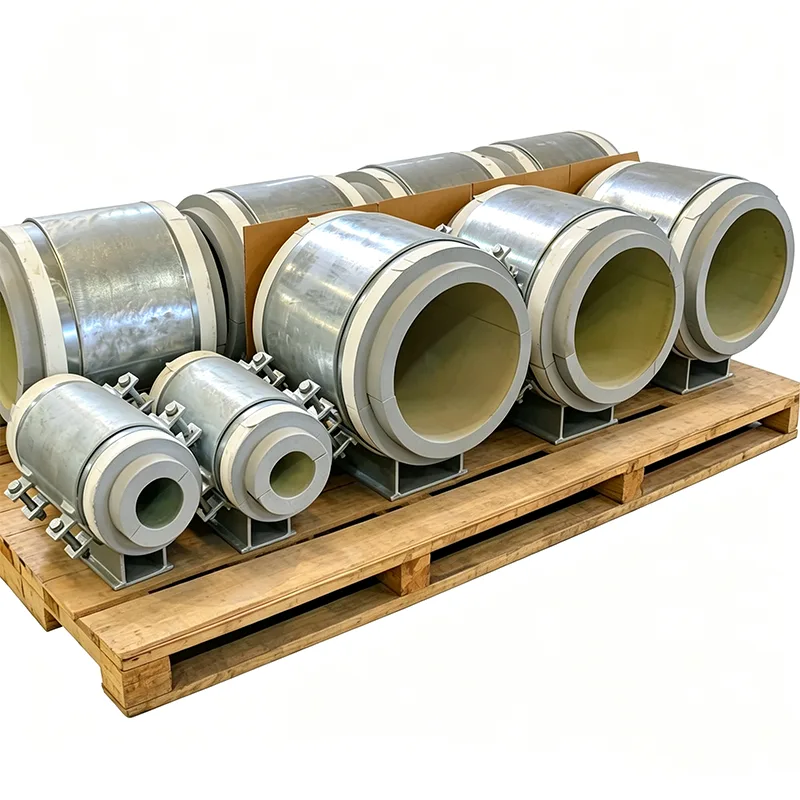
As an experienced pipeline support manufacturer, Tianshun provides Pre-insulated Pipe Slide Support solutions designed to accommodate thermal movement while maintaining insulation continuity. These integrated assemblies help industrial projects reduce thermal bridging, simplify installation, and improve the reliability of insulated piping systems.

A pre-insulated pipe slide support combines load-bearing insulation with a low-friction sliding interface, allowing pipelines to expand and contract without compromising thermal protection. Unlike conventional supports that require insulation to be cut and reconstructed on site, an integrated design helps maintain a continuous insulation envelope and a more reliable vapor barrier. This article explains how these supports work, which materials suit different operating temperatures, how to select the right configuration, and what engineers should consider when specifying a support for steam, chilled water, or cryogenic service.

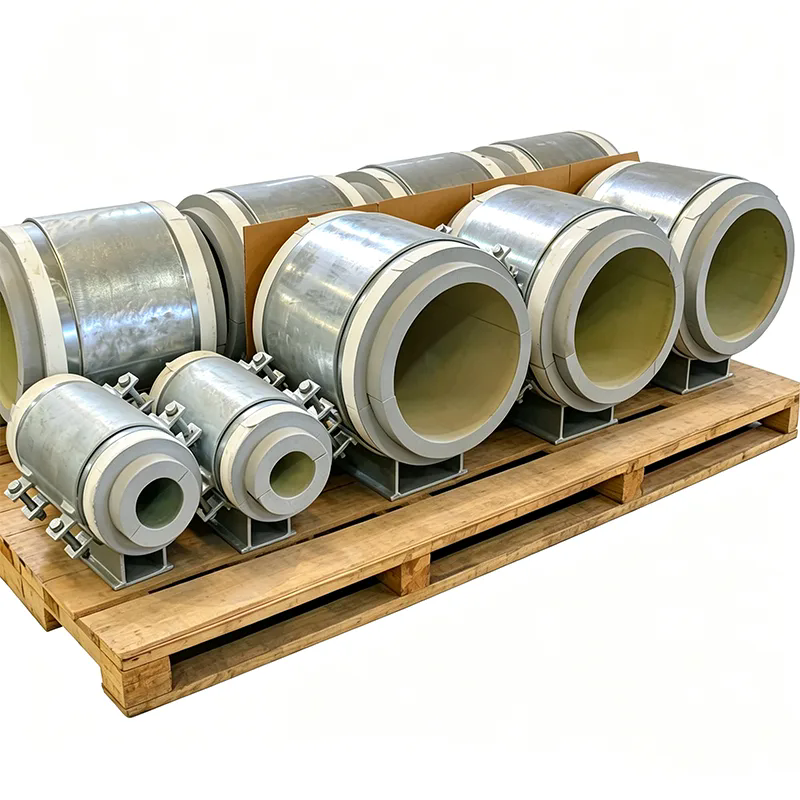
Pre-insulated Pipe Slide Support

Table of Contents

1. What Is a Pre-insulated Pipe Slide Support?

2. How Does the Sliding and Insulation System Work?

3. What Are the Main Engineering Benefits?

4. Which Materials Are Suitable for Different Temperatures?

5. How Do You Select the Right Pipe Slide Support?

6. Where Are Pre-insulated Pipe Slide Supports Used?

7. What Should Buyers Check Before Ordering?

8. Frequently Asked Questions

9. How Can Tianshun Support Your Project?


1. What Is a Pre-insulated Pipe Slide Support?

A pre-insulated pipe slide support is an engineered component that supports an insulated pipeline while allowing controlled movement along its axis. It integrates a structural support, a load-bearing insulation block, and a sliding interface into a coordinated assembly.

Industrial pipelines experience dimensional changes as operating temperatures rise and fall. Steam lines expand during startup, chilled water pipes experience different thermal conditions from their surroundings, and cryogenic pipelines contract significantly during operation. If the support system prevents the required movement, excessive forces may develop at pipe connections, equipment nozzles, anchors, and other structural points.

Conventional supports can create another problem: insulation is often interrupted at the support location. Site workers may need to cut insulation around the metal shoe and reconstruct the protective envelope afterward. Poor alignment, compressed insulation, or incomplete sealing can reduce thermal performance.

A pre-insulated sliding support addresses these challenges by combining thermal isolation and controlled movement in one factory-assembled unit. The design must be matched to the pipeline's load, temperature, insulation specification, and expected displacement.


2. How Does the Sliding and Insulation System Work?

The assembly is designed to transfer the pipe load to the supporting structure while keeping the sliding mechanism separate from the primary insulation function. Each component has a specific engineering purpose.

Load-bearing insulation block

A rigid insulation block supports the pipe load while limiting heat transfer between the pipe and the steel structure. Its material, thickness, compressive strength, and geometry must be suitable for the design temperature and loading conditions. The block should be checked against operating, installation, and applicable test loads.

Low-friction sliding interface

A typical configuration uses a polished stainless steel sliding surface paired with a PTFE or graphite-impregnated sliding pad. The precise arrangement depends on the design. The interface allows axial movement while helping control friction and the resulting forces transmitted to the support structure.

The required sliding travel should be determined from the piping stress analysis. Designers must consider the predicted displacement, movement direction, friction coefficient, support reactions, and an appropriate allowance for the project conditions.

Integrated vapor barrier

For cold and cryogenic services, moisture control is particularly important. An integrated sealing flange can provide a defined connection point for the adjacent insulation jacket and vapor barrier. Correct field sealing helps limit moisture ingress, which can otherwise degrade insulation performance and increase corrosion risks.

The sliding interface also needs suitable protection from construction debris, water, and other contaminants. The final enclosure and sealing details should be confirmed against the manufacturer's approved drawings.


3. What Are the Main Engineering Benefits?

Integrating insulation and sliding functions can improve installation consistency and reduce common problems at pipe support locations.

  • Controlled thermal movement: The sliding interface accommodates specified axial displacement without requiring the entire support assembly to move.
  • Reduced thermal bridging: The insulation block separates the pipe-side support components from the supporting steel, helping limit unwanted heat transfer.
  • Improved insulation continuity: Factory integration reduces the amount of insulation modification required at the support location.
  • Better moisture protection: A properly designed and installed vapor barrier helps prevent moisture from entering cold-service insulation.
  • More consistent installation: Factory-assembled components reduce dependence on improvised site fabrication and alignment.
  • Clearer inspection requirements: Defined materials, dimensions, travel limits, and documentation make engineering review and installation checks easier to organize.

These benefits depend on correct engineering and installation. A sliding support cannot compensate for an incorrect pipe stress model, inadequate insulation strength, insufficient travel, or a poorly sealed vapor barrier.


4. Which Materials Are Suitable for Different Temperatures?

Material selection is one of the most important steps in specifying a pre-insulated pipe slide support. Insulation must withstand the service temperature and compressive load while maintaining acceptable thermal performance. Sliding materials must also be compatible with the expected load, movement, environment, and maintenance requirements.

Application Potential Insulation Material Key Selection Consideration
Chilled water and brine High-density PIR Thermal conductivity, moisture resistance, and compressive strength
Low-temperature process piping PIR or cellular glass Design temperature, vapor control, and load-bearing capacity
Cryogenic pipelines Cellular glass Suitability for extremely low temperatures and moisture protection
Steam and hot process lines Calcium silicate Temperature rating, mechanical strength, and thermal performance
Specialized high-temperature applications Perlite-based or microporous insulation Project-specific temperature limits and compressive behavior

As described on the Tianshun Pre-insulated Pipe Slide Support product page, material options can cover service conditions ranging from approximately -196°C to +650°C, depending on the insulation selected and the specific design. These endpoints should not be interpreted as a universal rating for every configuration.

Engineers should confirm the allowable operating temperature, compressive strength at design temperature, insulation thickness, sliding material limits, and compatibility of all components before approving a final specification.


5. How Do You Select the Right Pipe Slide Support?

Choosing a support based only on nominal pipe diameter can lead to costly design revisions. A reliable specification considers the mechanical, thermal, and installation requirements together.

Step 1: Define the operating conditions

Identify the normal operating temperature, minimum and maximum design temperatures, pressure conditions, and relevant startup or shutdown scenarios. These factors influence insulation selection and expected pipeline movement.

Step 2: Establish the mechanical load

Provide the operating pipe weight, fluid weight, insulation and cladding weight, applicable dynamic loads, and relevant hydrotest loads. The insulation block must be checked against the governing load case rather than only the normal operating weight.

Step 3: Calculate the required sliding travel

Use the approved piping stress analysis to establish the expected movement at the support location. Confirm the direction of travel, design displacement, sliding interface dimensions, and required clearance.

Step 4: Match the insulation configuration

Specify the pipe outside diameter, insulation material, insulation thickness, and vapor barrier requirements. The support geometry should align with the adjacent insulation system and avoid creating gaps or vulnerable sealing transitions.

Step 5: Confirm the structural arrangement

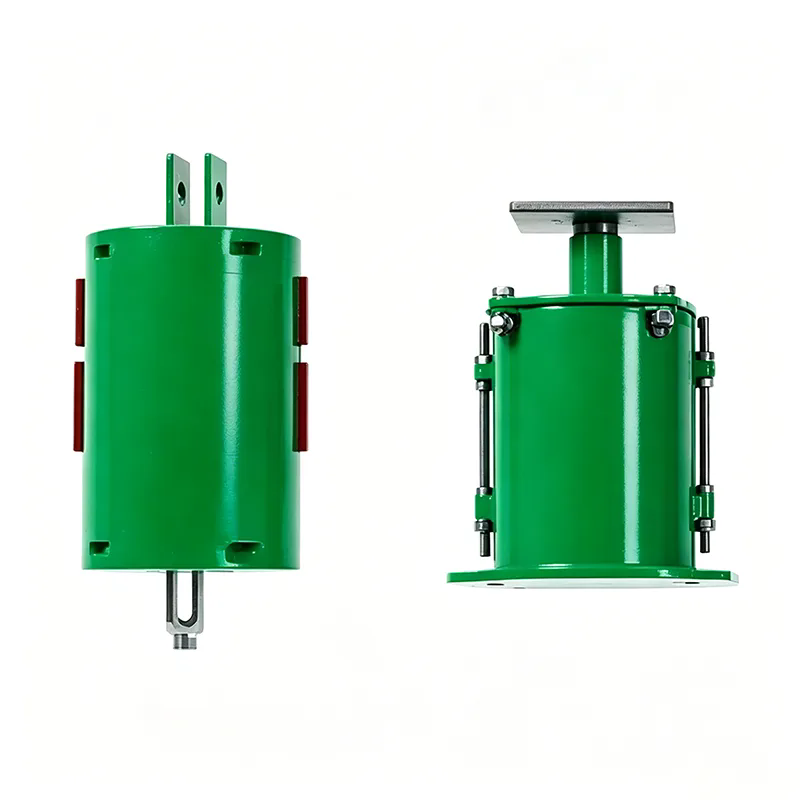
Determine whether the support requires a standard sliding configuration, lateral guide plates, or other project-specific restraints. Guided supports can permit axial movement while limiting lateral displacement, but restraint locations must be coordinated with the overall piping stress design.

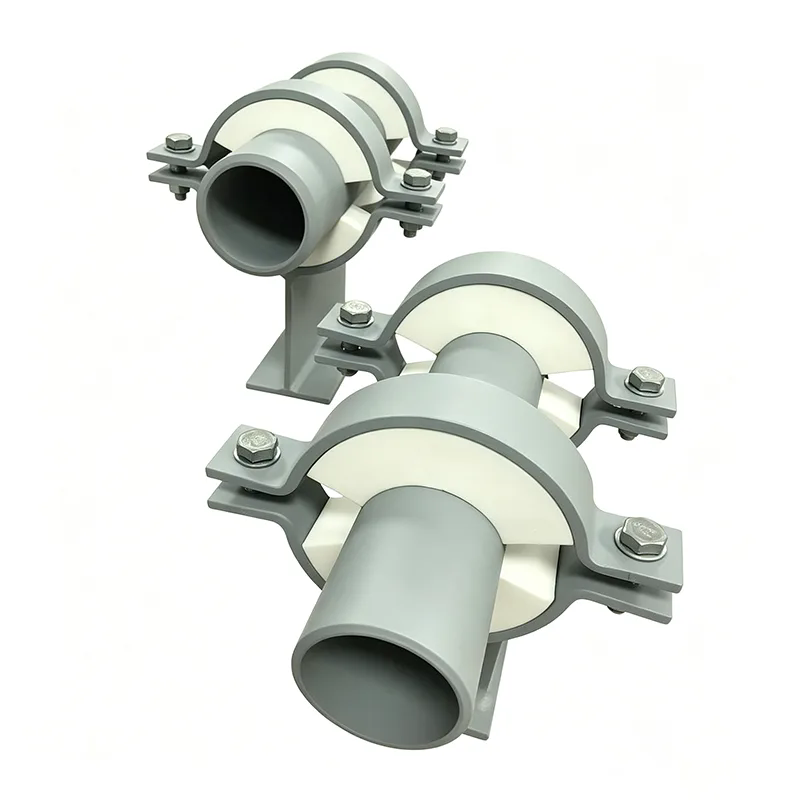
For a broader overview of support configurations, review Tianshun's industrial pipe supports range and coordinate the selected support with the project's complete support schedule.


6. Where Are Pre-insulated Pipe Slide Supports Used?

These supports are particularly useful where a pipeline needs both thermal protection and controlled movement. Common applications include:

  • Power generation: Steam and condensate systems exposed to repeated temperature changes.
  • District cooling: Chilled water networks where thermal bridging and condensation need to be controlled.
  • LNG and cryogenic facilities: Low-temperature piping systems requiring suitable insulation and movement allowances.
  • Chemical processing: Process lines carrying hot or cold fluids under defined operating conditions.
  • Industrial pipe racks: Long horizontal runs where thermal expansion must be accommodated at designated support points.

Consider a chilled-water pipeline installed in a humid industrial building. If a conventional steel support interrupts the insulation, condensation may develop around the support, potentially contributing to corrosion and insulation deterioration. A properly selected pre-insulated sliding support can reduce this thermal bridge while allowing the pipe to move as designed.

The actual outcome depends on the insulation specification, support loads, environmental conditions, installation quality, and the continuity of the complete vapor barrier system.


7. What Should Buyers Check Before Ordering?

For project procurement teams, a complete technical inquiry helps manufacturers prepare a more accurate quotation and reduces the risk of specification gaps.

Prepare the following information before requesting a proposal:

  • Pipe outside diameter, nominal size, and pipe material.
  • Operating temperature, minimum design temperature, and maximum design temperature.
  • Insulation material, thickness, and required thermal performance.
  • Operating, occasional, and hydrotest loads, where applicable.
  • Required axial travel and any lateral guiding requirements.
  • Base plate dimensions, mounting details, and available installation clearance.
  • Corrosion protection, environmental conditions, and project-specific material requirements.
  • Required inspection scope, material certificates, dimensional reports, and testing documentation.

Ask the manufacturer to confirm the design assumptions, allowable loads, insulation properties, sliding travel, and interface details. Where required, arrange third-party inspection or witnessed testing as a separately defined project service.

Factory inspection and documentation can improve traceability, but buyers should distinguish between in-house quality checks and testing performed by an independently accredited third party. The inspection scope should be agreed upon before production begins.


8. Frequently Asked Questions

Q1: What is the main difference between a standard pipe shoe and a pre-insulated pipe slide support?

A standard pipe shoe primarily supports the pipeline and may require insulation to be cut and reconstructed around it. A pre-insulated pipe slide support integrates a load-bearing insulation block and a sliding interface, helping preserve thermal isolation while accommodating specified movement.

Q2: What temperature range can a pre-insulated pipe slide support handle?

The operating range depends on the insulation material and the complete assembly design. Tianshun lists options ranging from approximately -196°C for suitable cryogenic configurations to +650°C for appropriate high-temperature insulation. The actual allowable range must be confirmed for the selected materials, loads, and operating conditions.

Q3: How is the required sliding travel determined?

Required travel is established through piping stress analysis, considering thermal expansion or contraction, support location, movement direction, and relevant operating scenarios. The sliding surface must provide sufficient travel without reaching its mechanical limits.

Q4: Can a pre-insulated pipe slide support also restrict lateral movement?

Yes. Guide plates can be incorporated into suitable configurations to permit axial movement while restraining lateral displacement. The guide arrangement and clearances must be coordinated with the piping stress analysis and the project's support design.

Q5: What documents should accompany the support?

Depending on the agreed supply scope, documentation may include steel material certificates, insulation material datasheets, sliding friction test information, dimensional inspection reports, and relevant factory inspection records. Confirm the required standards, traceability, and any third-party testing requirements in the purchase specification.


9. How Can Tianshun Support Your Project?

A reliable pre-insulated pipe slide support must balance structural loading, thermal insulation, sliding performance, and moisture protection. Treating these requirements as one coordinated design helps reduce installation uncertainty and supports long-term pipeline reliability.

Tianshun has manufactured pipeline support products at its Yangzhou facility since 2012 and supplies solutions for industrial piping applications, including steam, chilled water, and cryogenic services. By reviewing pipe dimensions, insulation requirements, design loads, and movement data, the engineering team can help identify a suitable support configuration and clarify the documentation required for your project.

If you are sourcing a customized Pre-insulated Pipe Slide Support for a new installation or an existing pipeline upgrade, prepare your pipe support schedule, insulation specifications, and stress analysis data before requesting a quotation. Visit the Tianshun product page to review the available design approach, and contact us to discuss your technical requirements, material options, inspection scope, and project delivery needs.

Related News
Leave me a message
X
We use cookies to offer you a better browsing experience, analyze site traffic and personalize content. By using this site, you agree to our use of cookies. Privacy Policy
RejectAccept