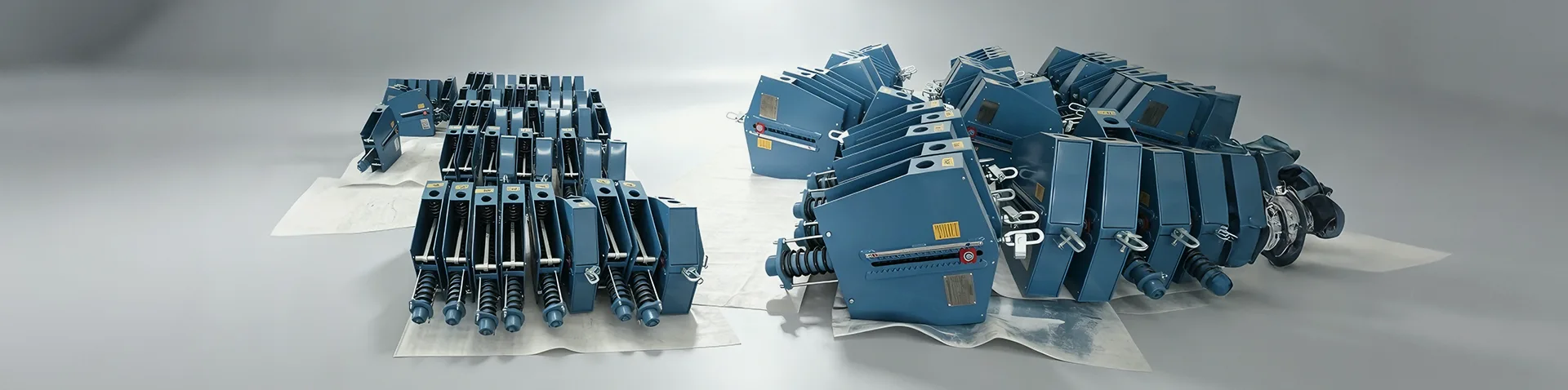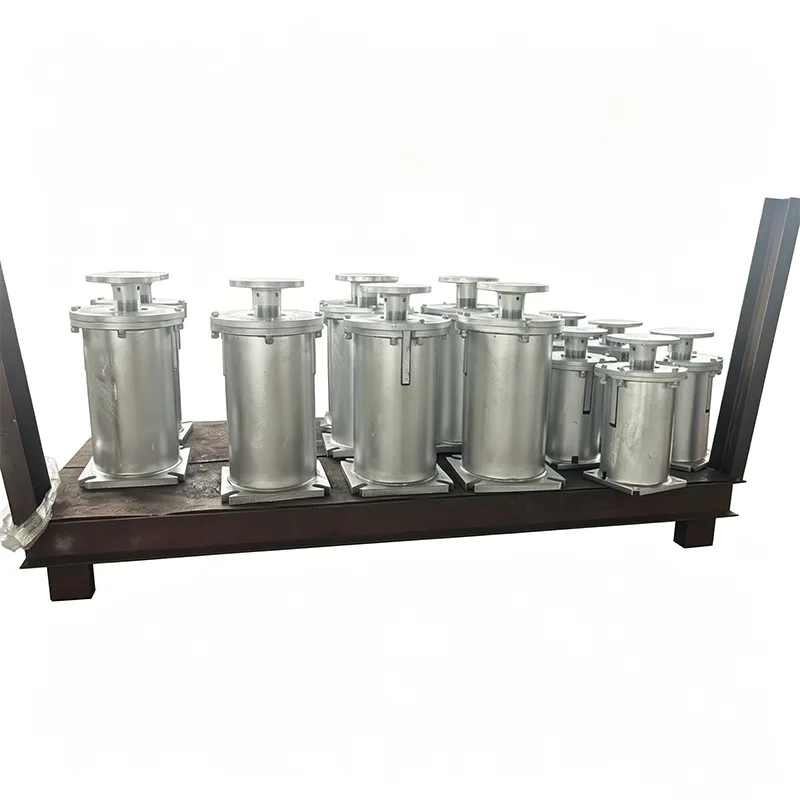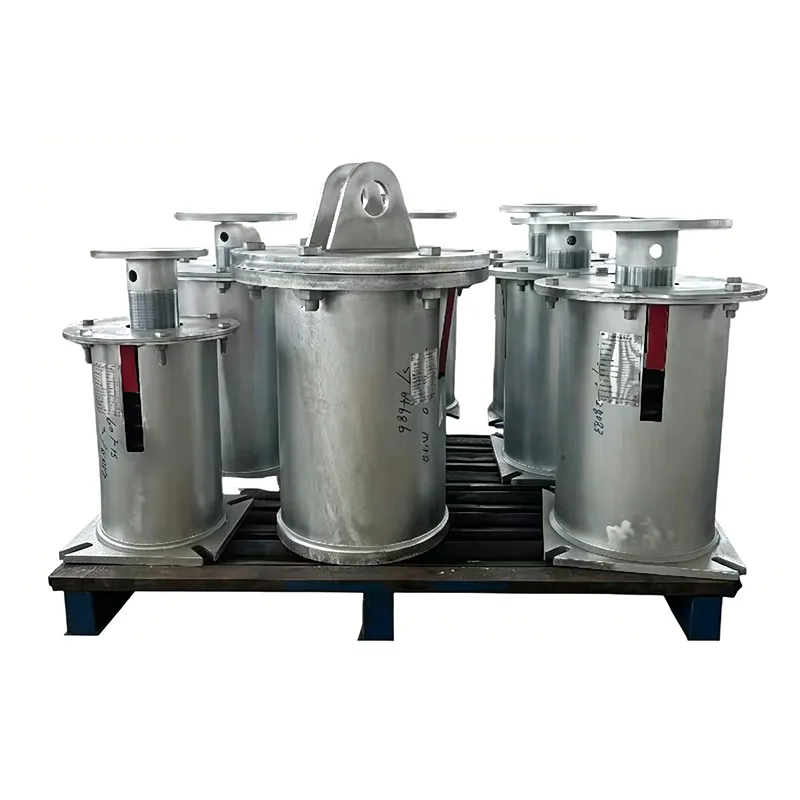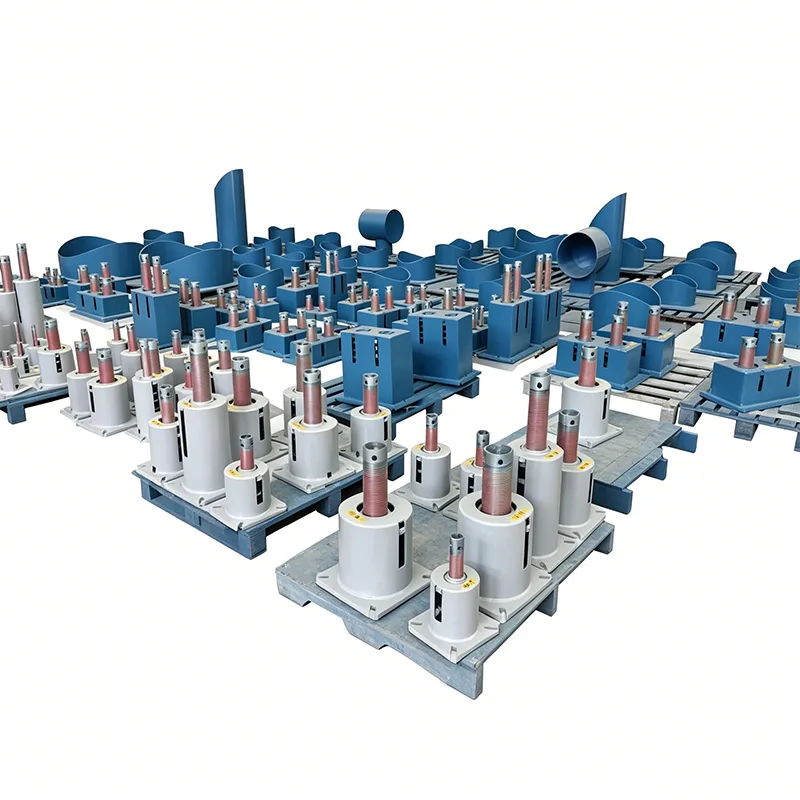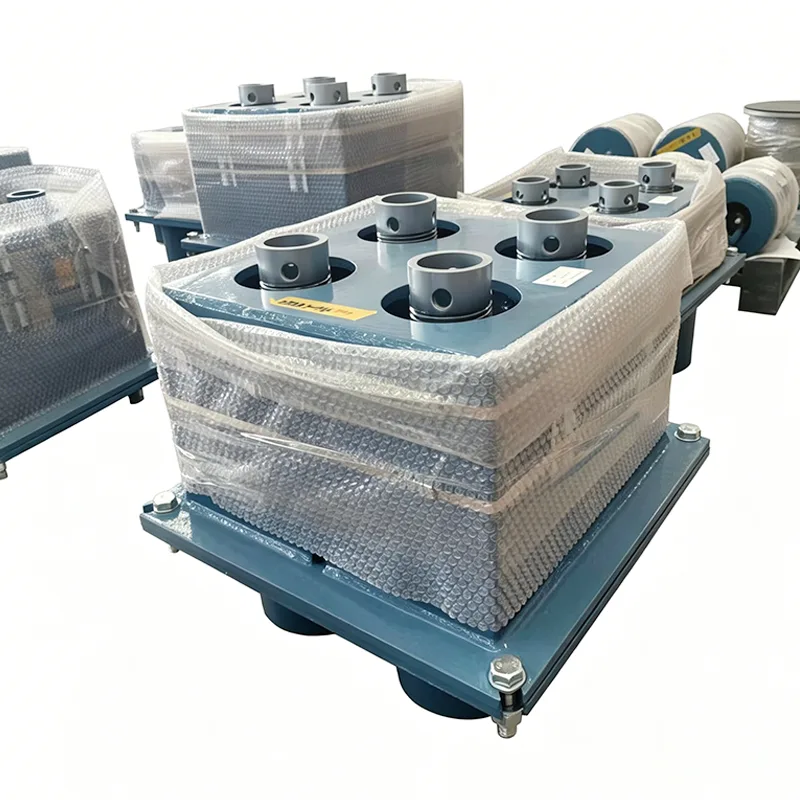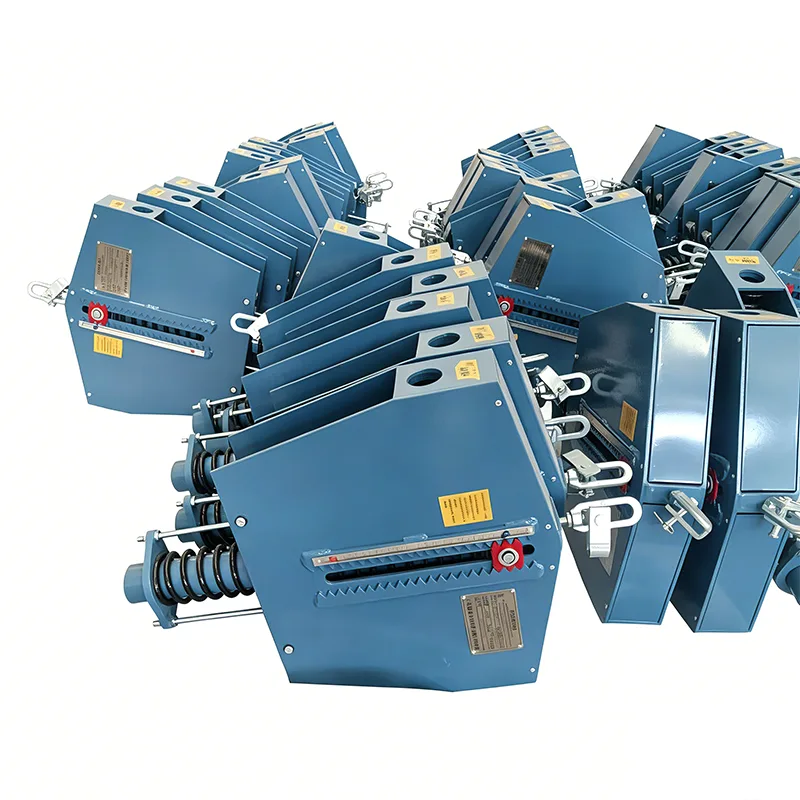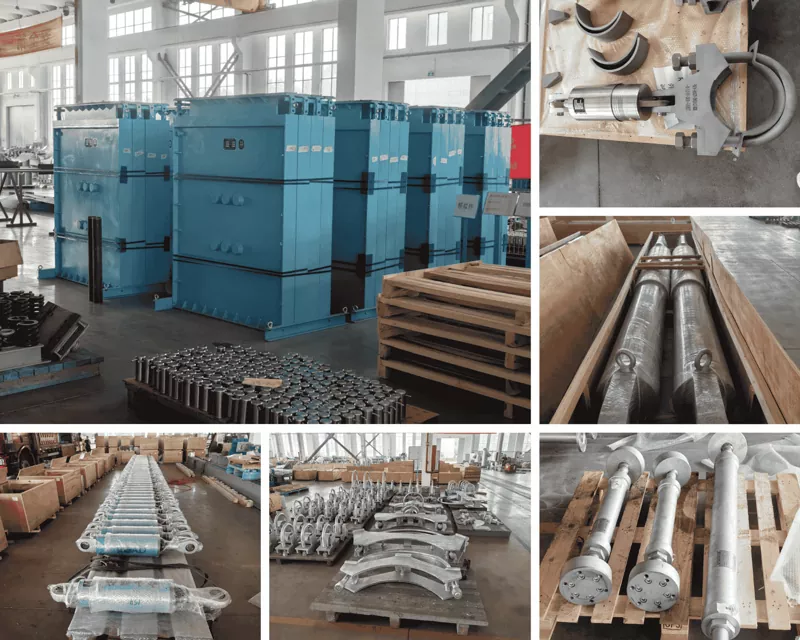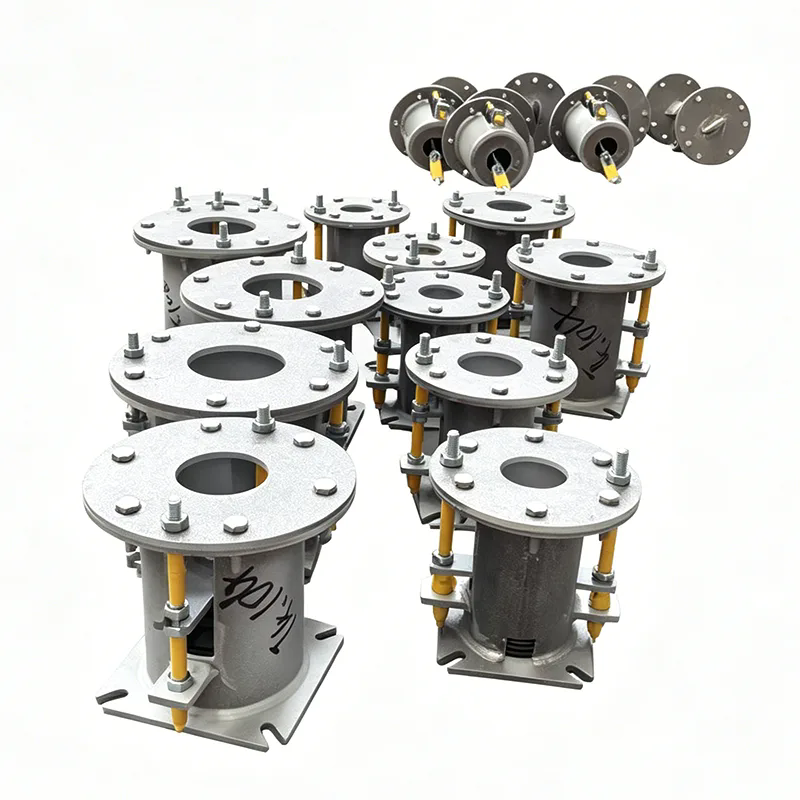
Yangzhou Tianshun supplies viscous fluid dampers to the civil engineering, bridge, power, and industrial sectors. Our manufacturing is based in a 35,000 m² factory in Jiangsu, China, with a skilled workforce of over 100 people. While our pipeline support business was founded in 2012, the team behind our damping products brings more than 20 years of specialized experience in fluid damping technology. The result is our third-generation viscous fluid damper, a product we developed with fully self-owned intellectual property. We ship to projects in over 45 countries under an ISO 9001:2015 certified quality system.
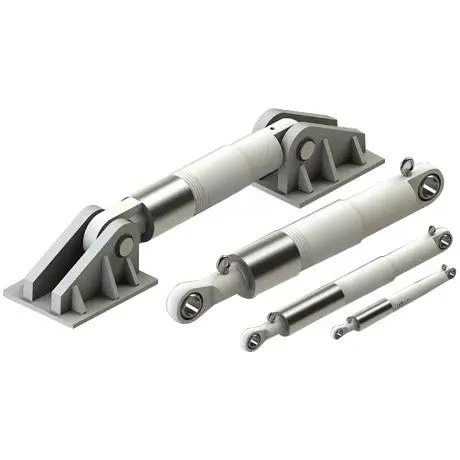
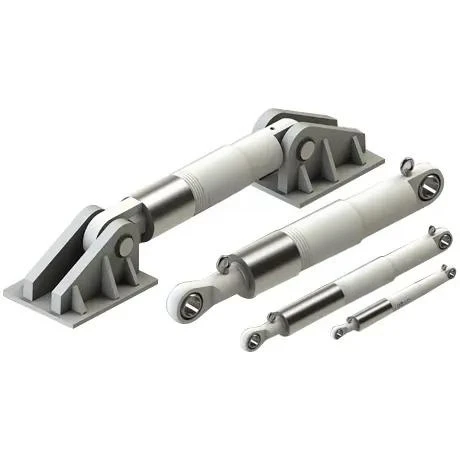
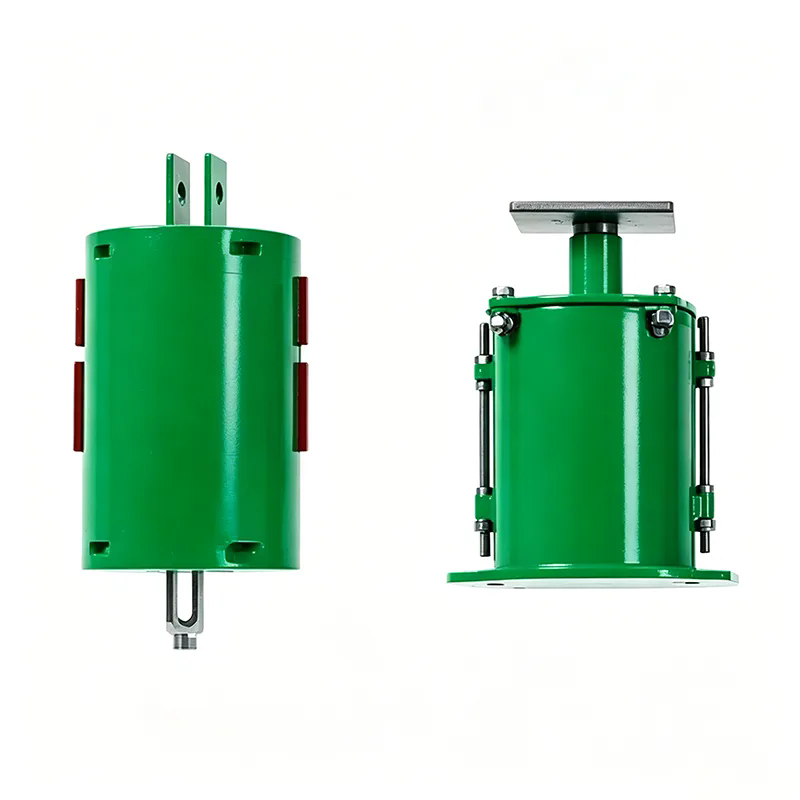
A viscous fluid damper is a hydraulic device that converts mechanical motion into heat, reducing vibration and dissipating the energy imparted to a structure by earthquakes, strong winds, or machinery. The main components are a cylinder filled with a specially selected silicone oil, a piston with a precision damping orifice, a piston rod, bushings, seals, and end connectors.
Under normal conditions the damper moves slowly with the structure’s thermal expansion or service displacement, offering very little resistance. When a dynamic event forces the structure to move rapidly, the piston pushes the fluid through the damping structure at high speed. The pressure difference across the piston generates a resisting force proportional to the velocity, and the energy is dissipated as heat within the fluid. Once the external force subsides, the damper returns to its neutral condition, ready for the next cycle.
Our third-generation viscous fluid damper is built around a jet orifice damping principle using low-viscosity silicone oil. Earlier generations of dampers often relied on high-viscosity media that could change properties with temperature and aging, leading to inconsistent performance over time. The third-generation design overcomes this by passing the fluid through precisely machined small holes at high speed, creating a stable and predictable damping force.
The advantages are measurable. The damping characteristic is highly repeatable across a wide temperature range because low-viscosity silicone oil maintains stable viscosity in service. The internal damping structure is designed so that fatigue life and reliability are significantly improved compared to previous generation products. There are no mechanical valves that can stick or wear, and the damping is achieved purely through fluid dynamics. This technology represents the highest capability among viscous dampers we produce, and we hold complete intellectual property rights over the design.
The cylinder is fabricated from high-strength steel, machined to tight tolerances for bore roundness and surface finish. The piston rod is hard chrome plated or treated with an equivalent surface hardening process to resist scoring and corrosion. The piston itself contains the jet orifice array, sized according to the required damping coefficient and velocity exponent for the specific project.
Seals are selected for compatibility with the silicone oil and for resistance to wear under repeated cycling. The seal arrangement is designed to keep the fluid inside and contamination outside, even in dusty or marine environments. Long-term seal integrity is one reason we can offer extended design lifetimes for these dampers.
The damping medium is a high purity, low-viscosity silicone oil. It does not degrade, gum, or change appreciably over decades of expected service. Its low temperature sensitivity ensures that the damper delivers consistent performance whether installed in a cold climate bridge or a hot industrial plant.
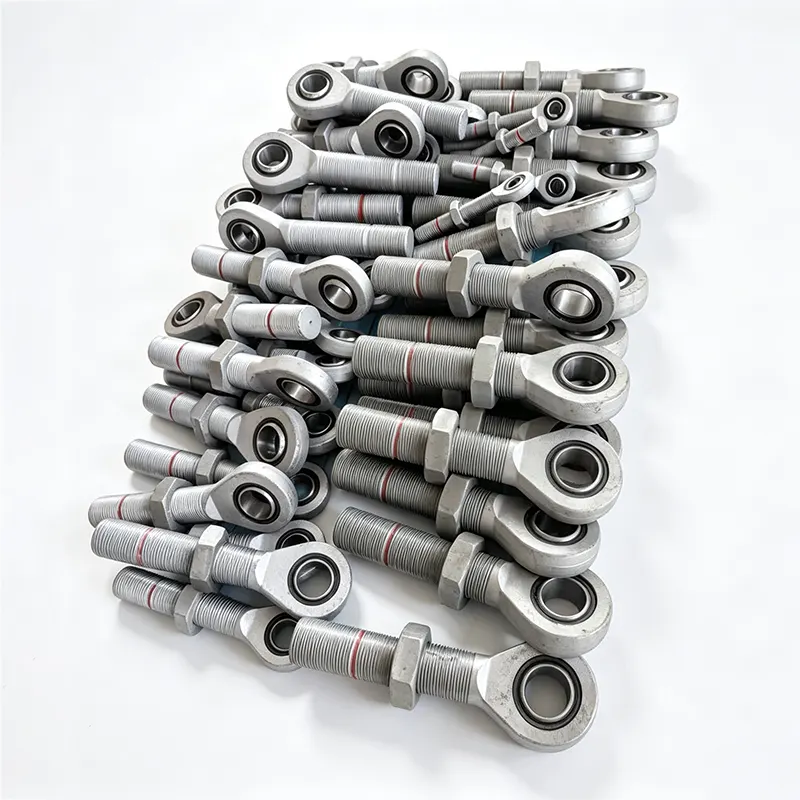
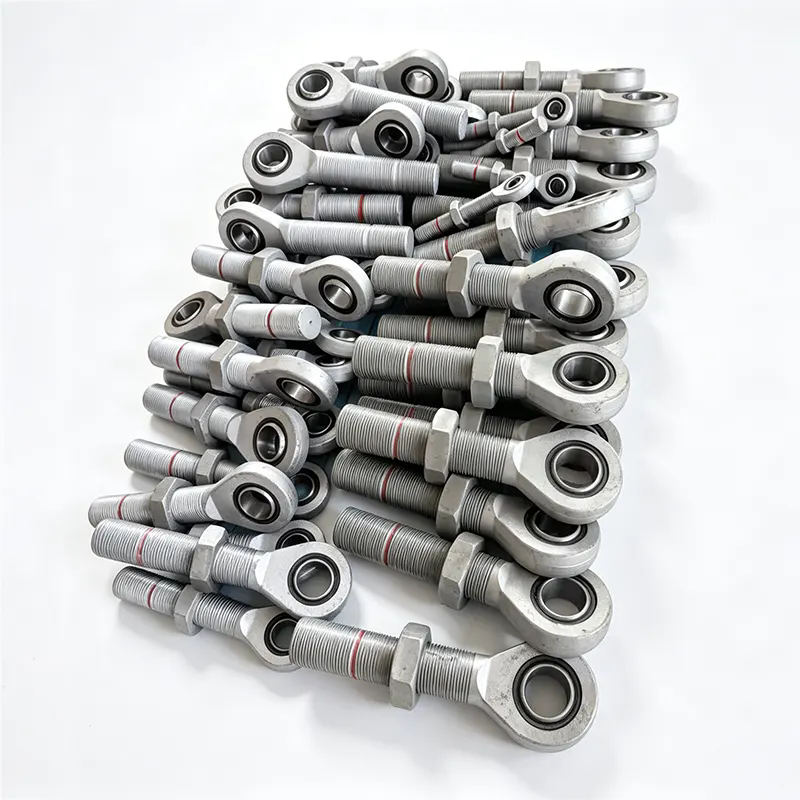
Pin heads, clevises, and spherical bearings are available to interface with the structure and the supported element. These connections are engineered to transmit the full rated damping force without introducing unwanted bending moments into the damper body.
| Parameter | Typical range and options |
|---|---|
| Damping force | Up to 3,000 kN and above, depending on structure |
| Stroke | ±50 mm to ±600 mm (longer strokes on request) |
| Velocity exponent (α) | 0.2 to 1.0 (can be specified) |
| Operating temperature | -30 °C to +80 °C (extended range available) |
| Cylinder material | Carbon steel with protective coating or stainless steel |
| Piston rod surface | Hard chrome plated or equivalent |
| Damping medium | Low-viscosity silicone oil |
| End connections | Clevis, spherical bearing, threaded, or per project |
| Applicable standards | EN 15129, ASCE 7, AASHTO, and project-specific codes |
All parameters are tailored to the structural analysis. We review the project specifications and confirm the damper characteristics before manufacturing.
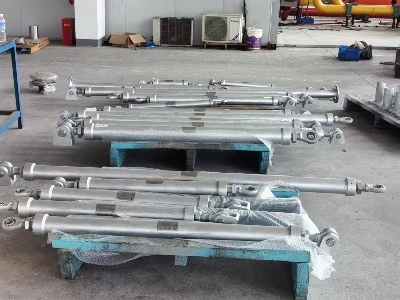
Every viscous fluid damper undergoes factory acceptance testing on a calibrated dynamic test rig. The test applies sinusoidal or triangular displacement cycles at project-representative velocities and measures the resulting force. We verify that the measured damping force falls within the specified tolerance envelope and that the velocity exponent matches the design value. Test records are part of the final documentation package.
Material traceability is maintained for all pressure boundary and structural components. Welds are examined by qualified personnel, and when required, non-destructive testing reports are provided. Our ISO 9001 certified procedures cover the complete process, from incoming fluid and steel inspection to final painting and packing.
For critical applications such as hospitals and bridges in high seismic zones, we can support additional qualification testing, including fatigue cycling beyond design life, seal endurance testing, and corrosion resistance verification.
Residential towers, office blocks, and shopping malls use viscous dampers to reduce sway during earthquakes and high winds. The dampers are often integrated into bracing bays or coupled with shear walls to absorb energy and protect the primary structure.
Hospitals, schools, emergency response centers, and other facilities that must remain operational after a seismic event rely on viscous dampers to limit structural damage. The ability to maintain function when communities need it most is a key driver for damper selection in these projects.
Factory buildings, processing towers, and heavy equipment support structures are subject to vibration from rotating machinery and occasional dynamic loads. Viscous dampers reduce fatigue and improve operator comfort and safety.
Pedestrian footbridges and highway viaducts use viscous dampers to control deck movement caused by traffic, wind, and seismic excitation. Dampers installed between the deck and piers or between adjacent spans reduce bearing displacement and prevent pounding.
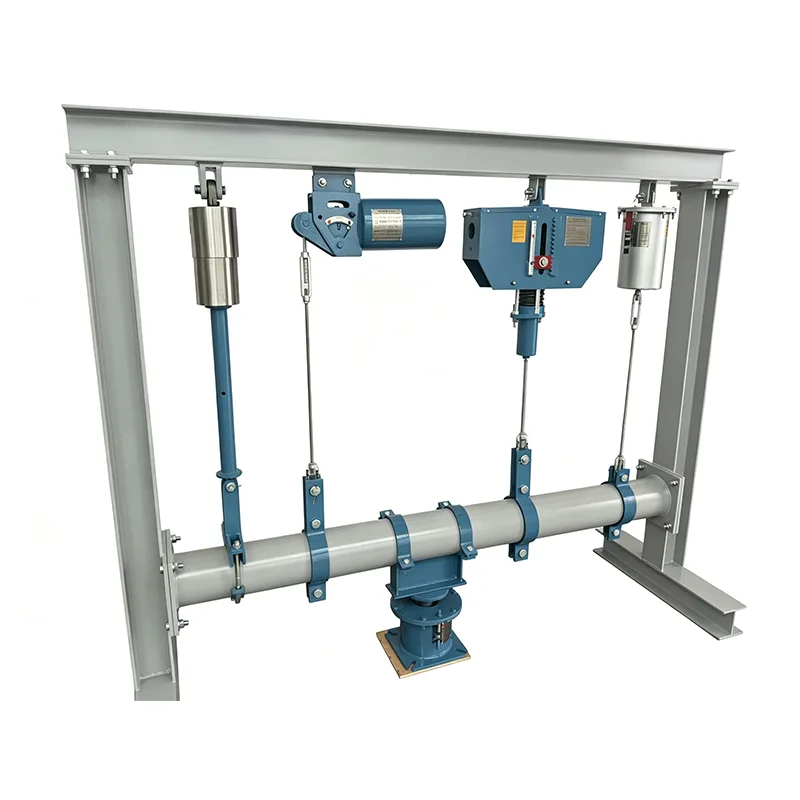
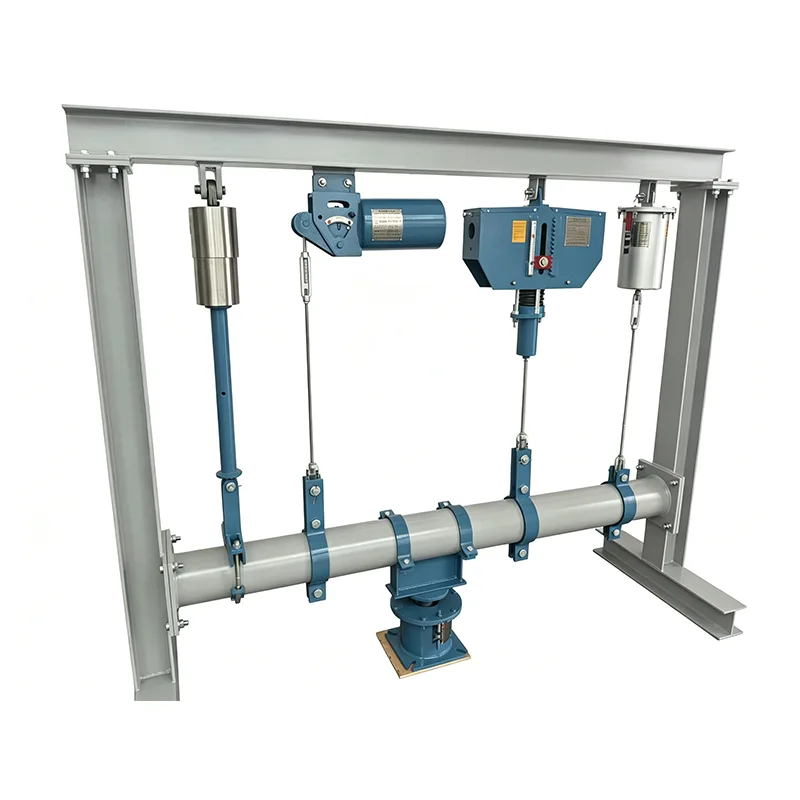
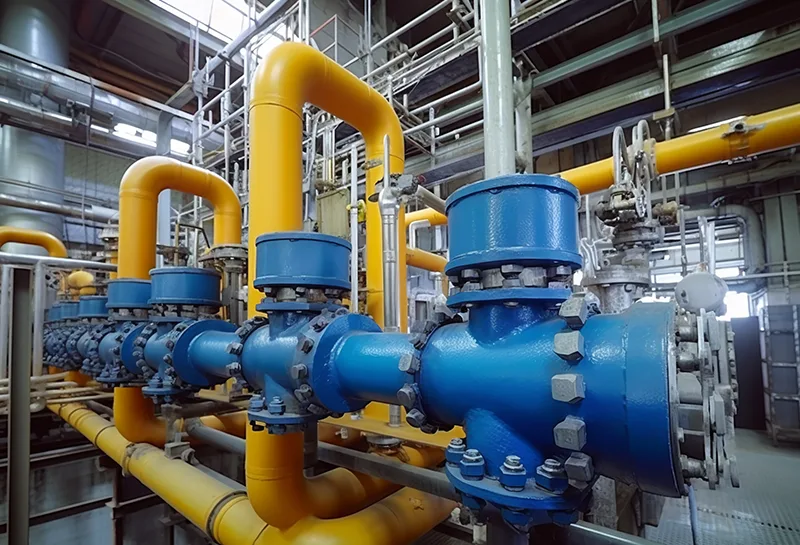
Piping systems and equipment frames in power and petrochemical facilities benefit from viscous dampers where seismic restraint or vibration isolation is required. The ability to design dampers for specific velocity thresholds makes them suitable for both occasional extreme events and continuous vibration.
Heavy structural frames supporting furnaces, rolling mills, and material handling systems are candidates for viscous damping to limit dynamic amplification during operation.
A hydraulic snubber acts as a velocity-sensitive lock: it allows slow thermal movement and becomes nearly rigid during fast motion. A viscous fluid damper does not lock. It applies a resistive force that increases with velocity and dissipates energy as heat throughout the entire motion. Dampers are designed for continuous energy dissipation, while snubbers are designed for occasional dynamic restraint.
The structural engineer determines the required damping coefficient and velocity exponent based on the dynamic analysis of the building or bridge. We receive these parameters along with stroke, end connection type, and environmental conditions, and we design the damper accordingly. If you are at the preliminary stage, our engineers can assist with parameter selection based on generic structural types and code requirements.
Yes. Our viscous fluid dampers are designed to work in both directions, producing symmetric or asymmetric damping forces as required. The orifice arrangement can be configured to give different damping characteristics in tension and compression if the project calls for it.
Under normal conditions, the damper is sealed for life and requires no routine fluid changes. Periodic visual inspection of the piston rod surface, seals, and end connectors is recommended. For critical applications, we provide guidelines for functional testing intervals. Should a unit ever need reconditioning, our factory offers full service and re-certification.
We manufacture to EN 15129 for anti-seismic devices, and can meet the requirements of ASCE 7, AASHTO, and other national codes upon request. CE marking is available for projects in the European Economic Area. All necessary test reports and declarations are included in the documentation package.
Manufacturing lead time depends on the force capacity, stroke, and quantity. As a guide, standard dampers can be produced in eight to ten weeks. Larger dampers or large quantity orders may require additional time, which we confirm at quotation. We maintain transparency on production milestones throughout the order.
When you contact us about a viscous fluid damper requirement, a dedicated account manager with damper engineering knowledge responds within 24 hours. We review your structural performance criteria, including damping force, stroke, and velocity exponent, and return a technical and commercial proposal. Custom end fittings, special coatings, and project-specific documentation are part of our routine supply scope.
Our more than two decades of cumulative experience in damping technology mean we can support your project from concept through commissioning. After delivery, we remain available for installation guidance and long-term service advice. The high percentage of repeat business from engineering firms and contractors indicates that our dampers deliver the expected performance over the life of the structure.
Yangzhou Tianshun Pipeline Technology Co., Ltd.
35,000 m² facility, Jiangsu, China – exporting to over 45 countries.
Viscous fluid dampers that turn destructive motion into harmless heat, quietly protecting the structure day after day.
Address
No.115 Yunhe North Road, Yangzhou City.Shuzhou, China
Tel
If you have any enquiry about quotation or cooperation, please feel free to email us at jsts2021@yeah.net or use the following inquiry form.Our sales representative will contact you within 24 hours. Thank you for your interest in our products.
Copyright © 2026 Yangzhou Tianshun Pipeline Technology Co., Ltd. All Rights Reserved.