No.115 Yunhe North Road, Yangzhou City.Shuzhou, China +86-13032562550 jsts2021@yeah.net
Follow Us -
Products
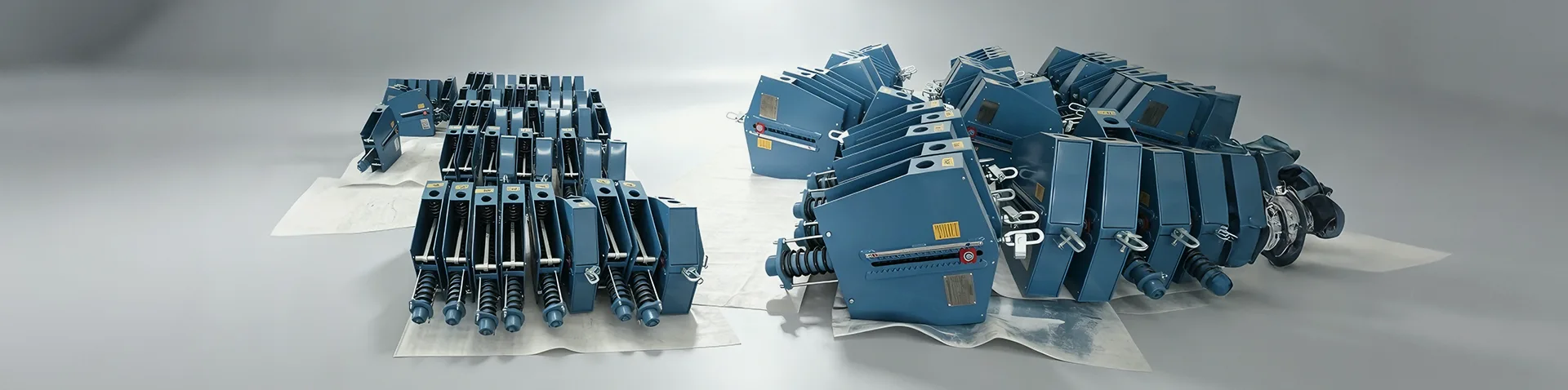
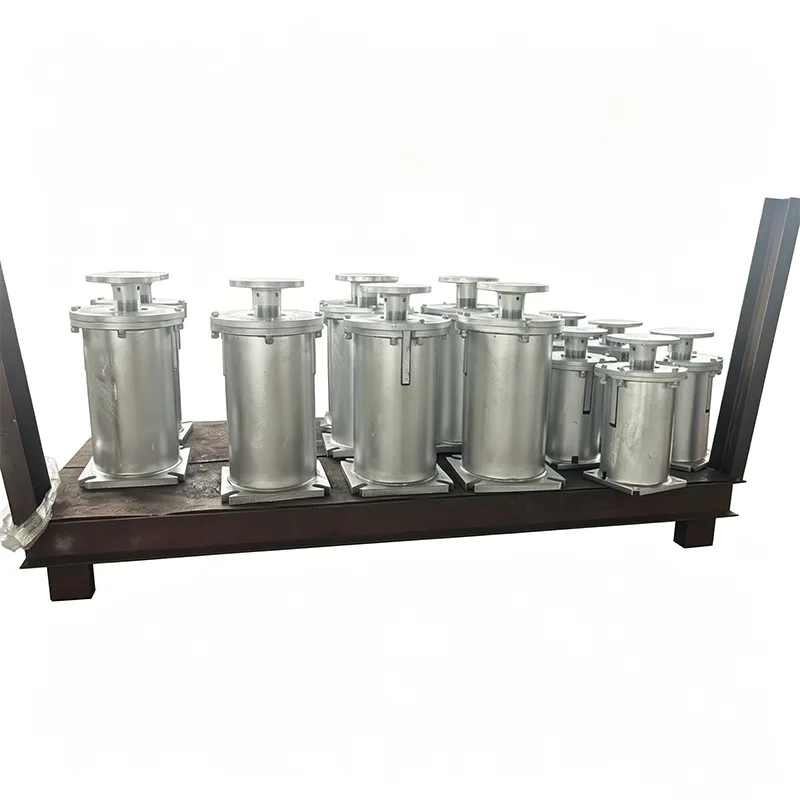
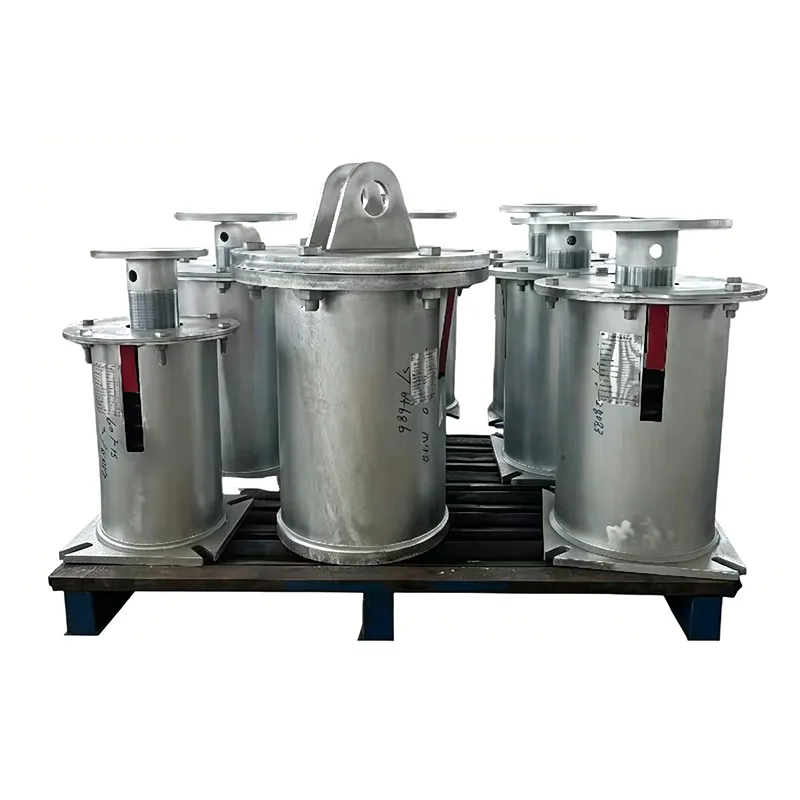
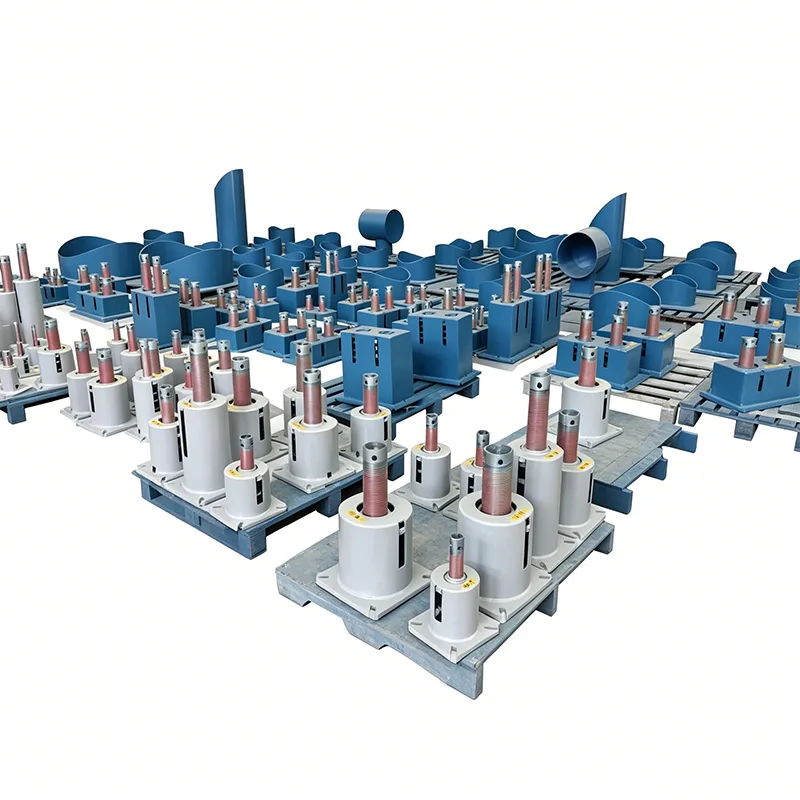
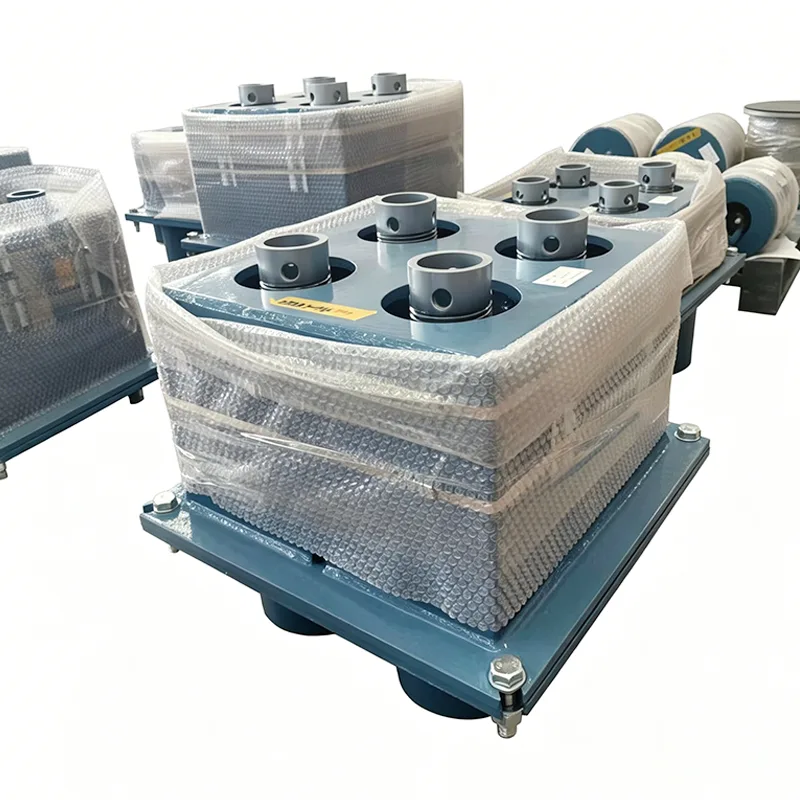
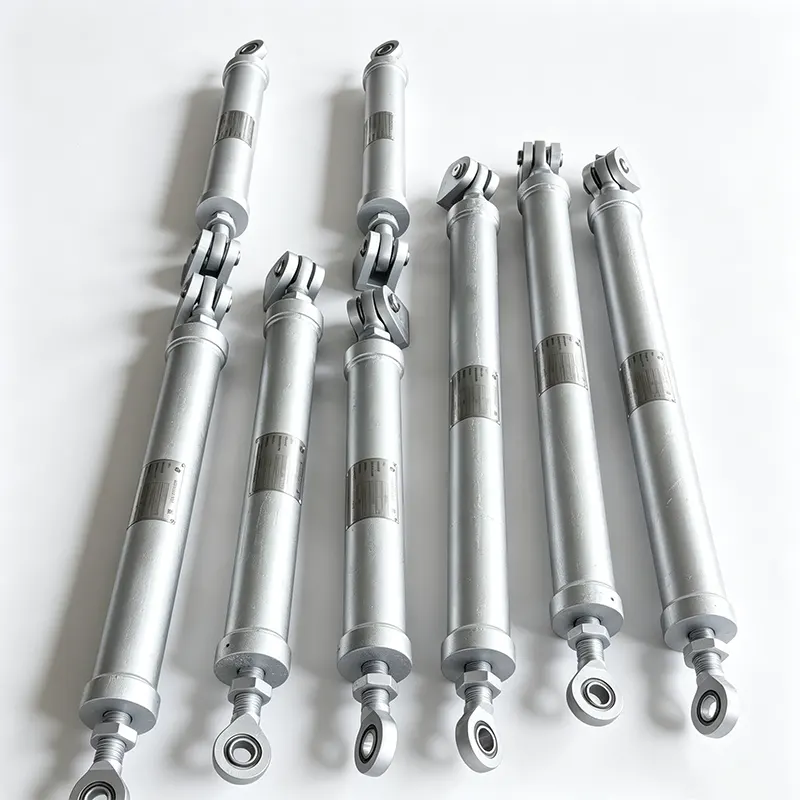
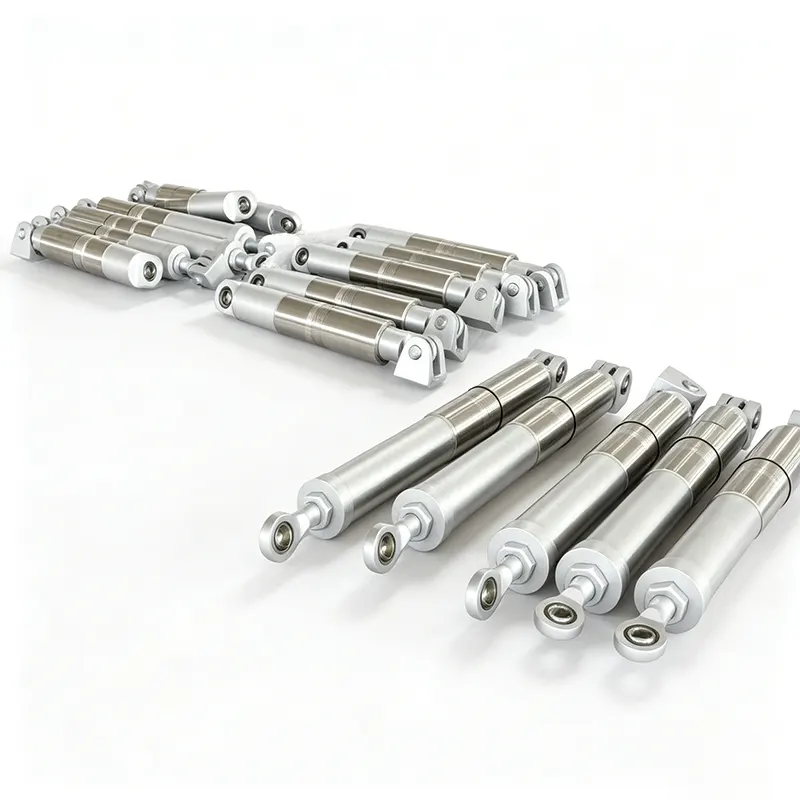
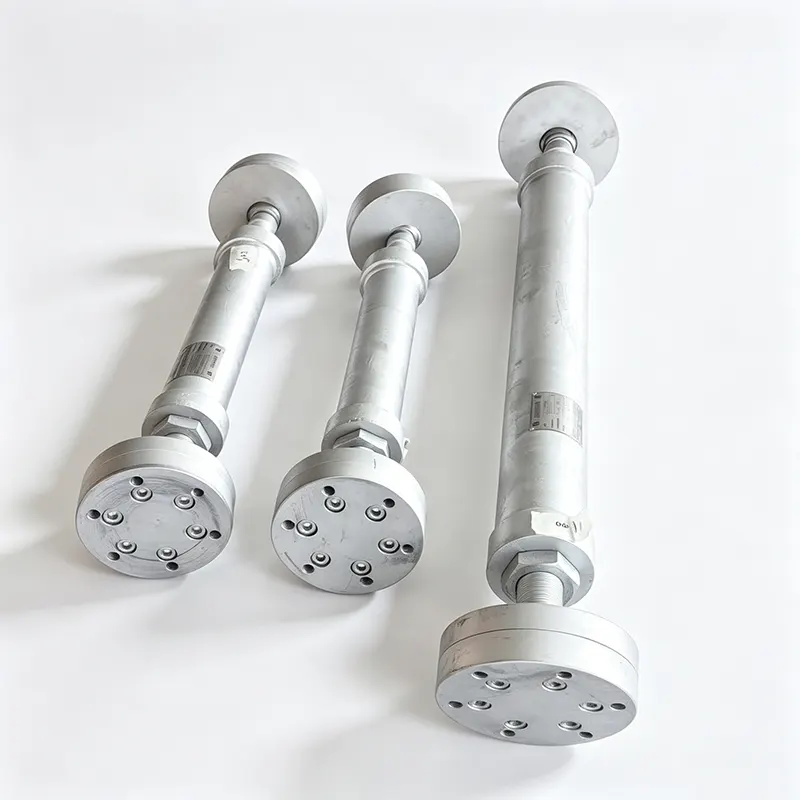
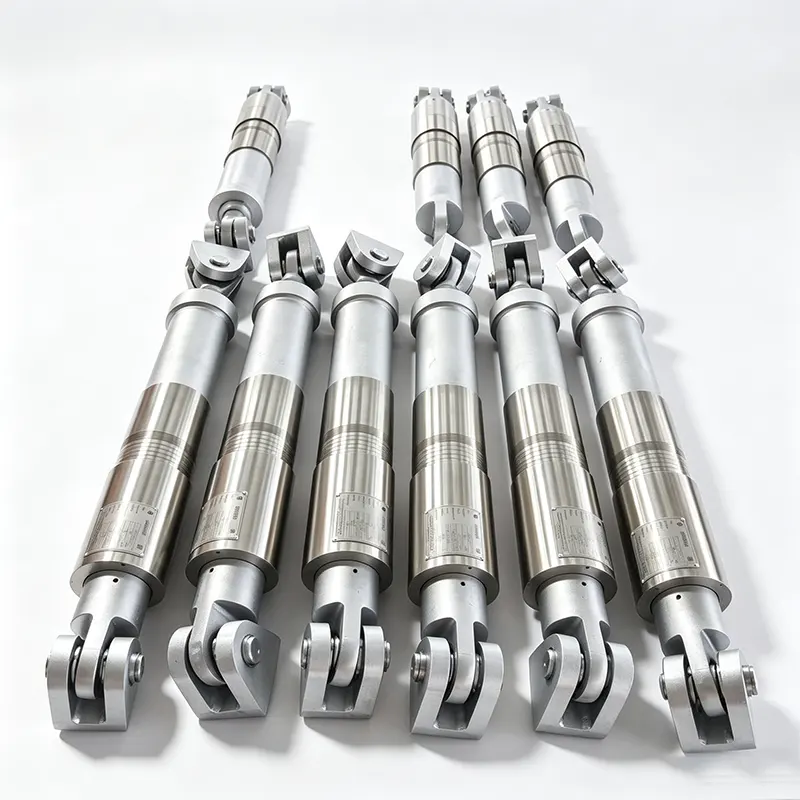
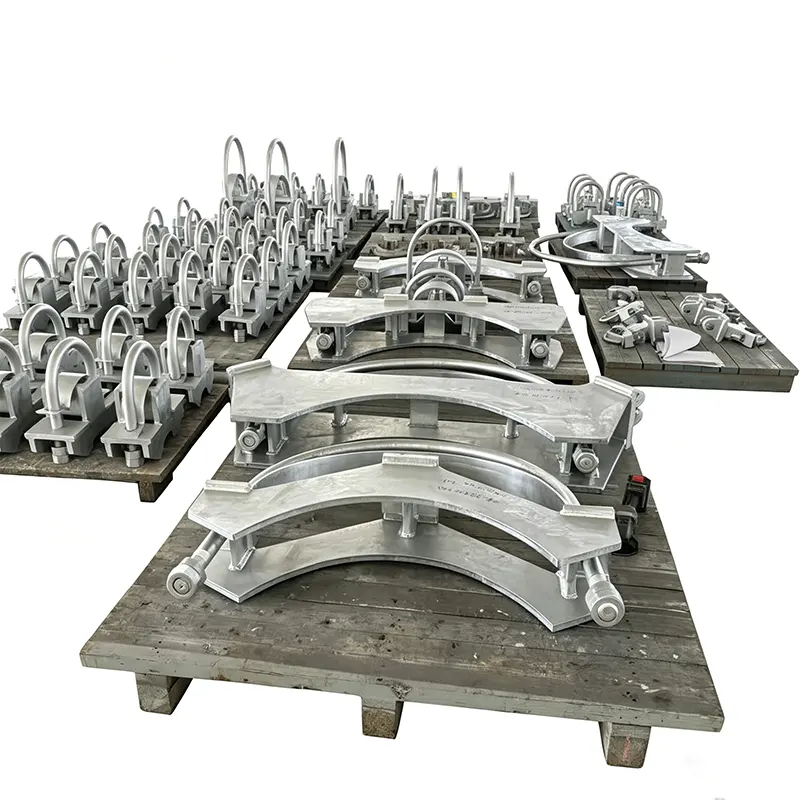
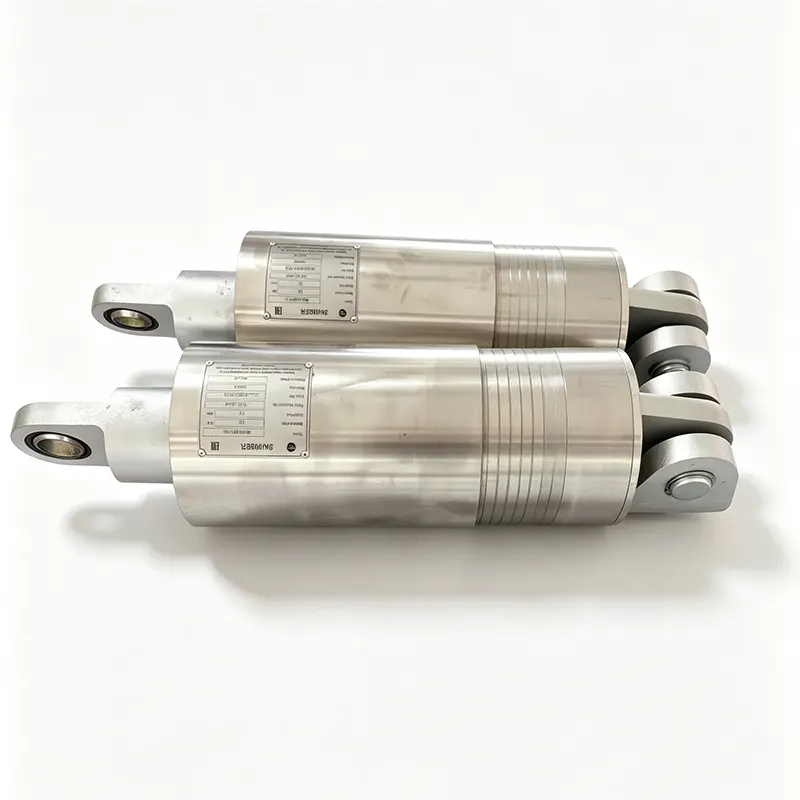
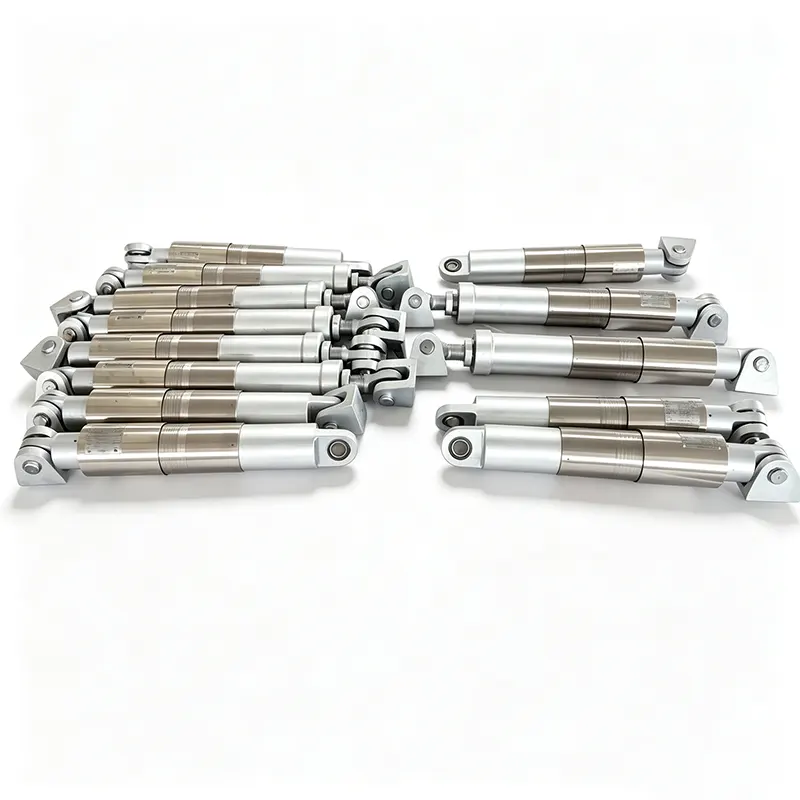
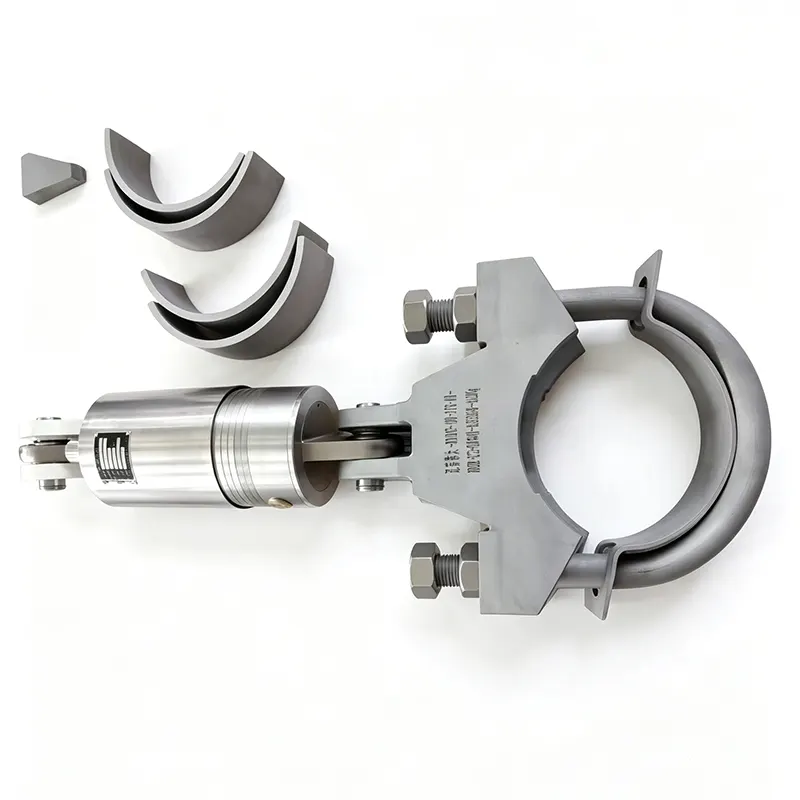
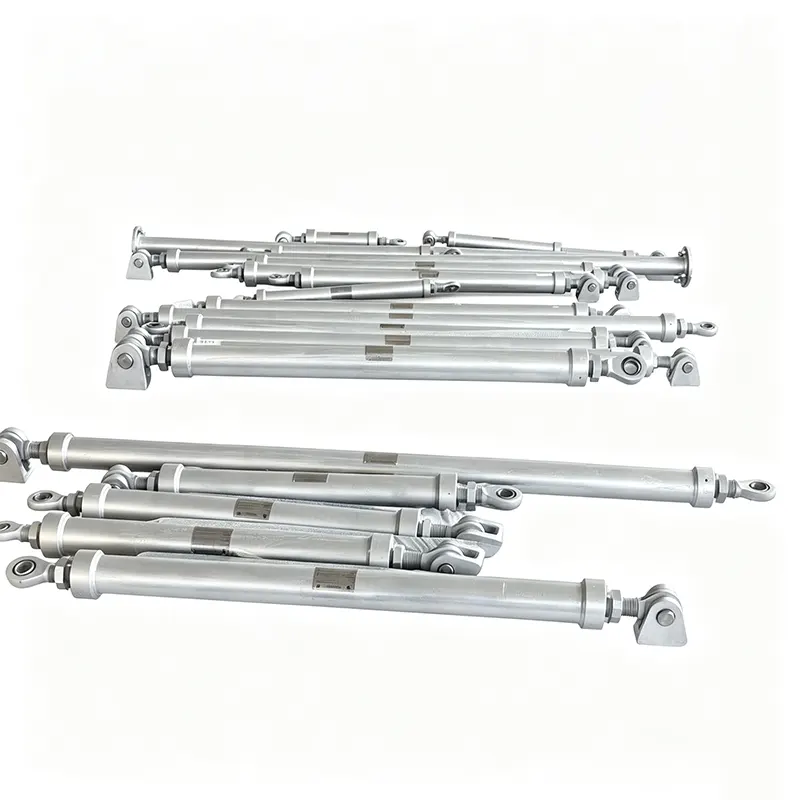
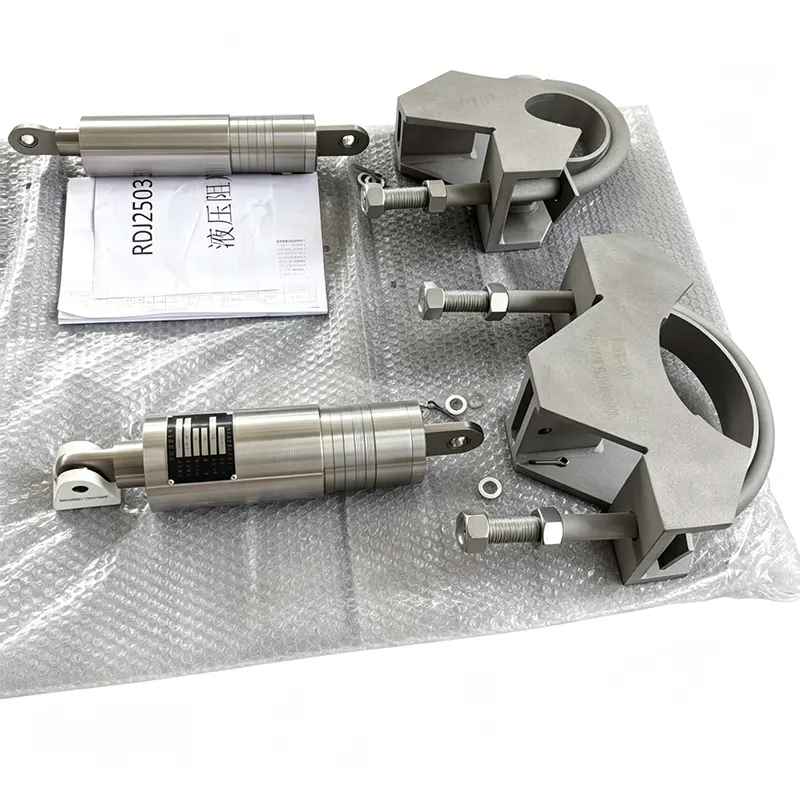
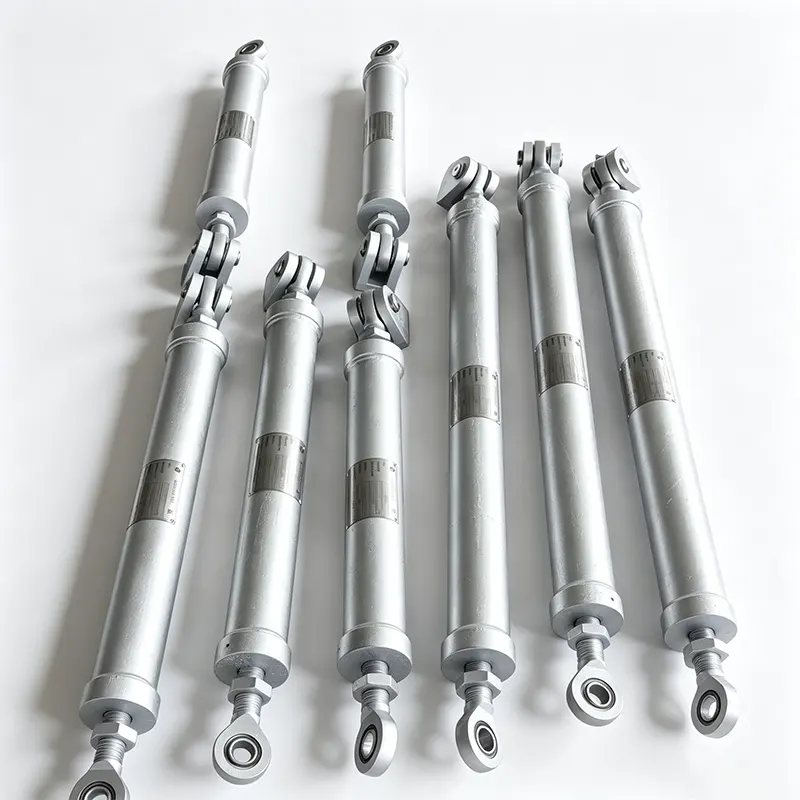
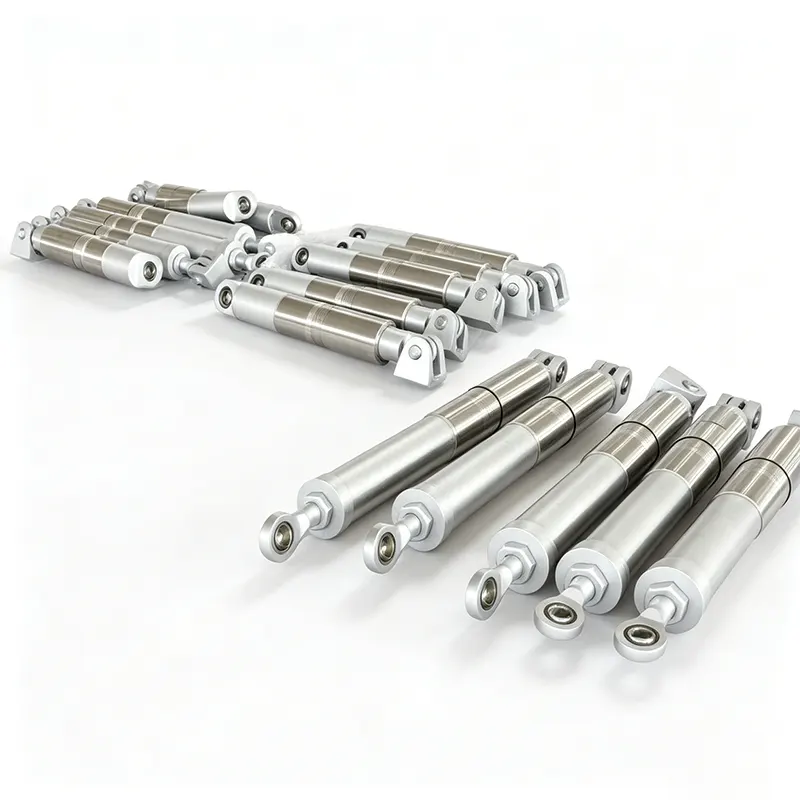
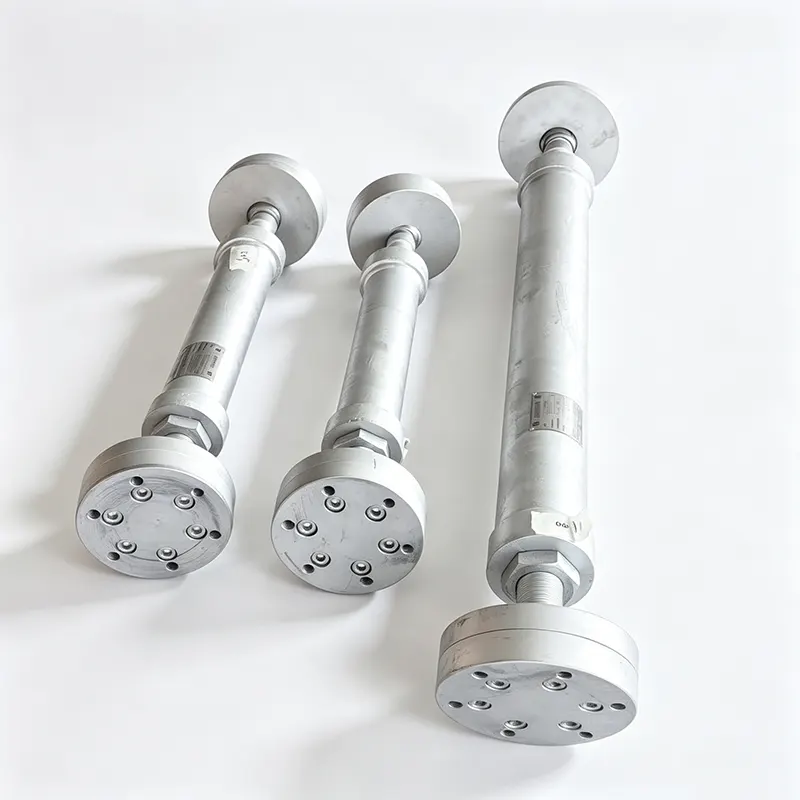
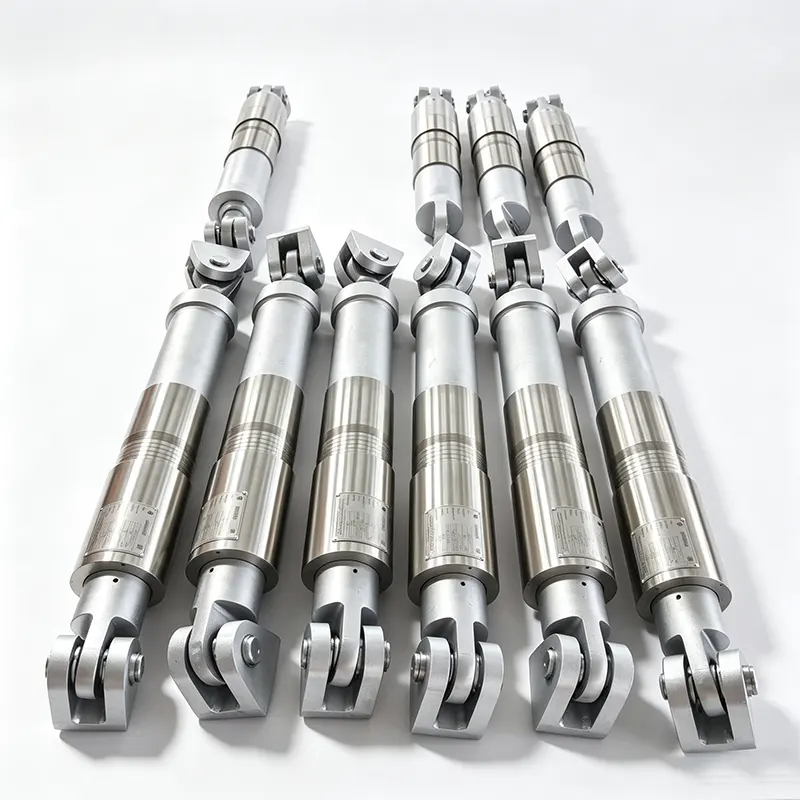
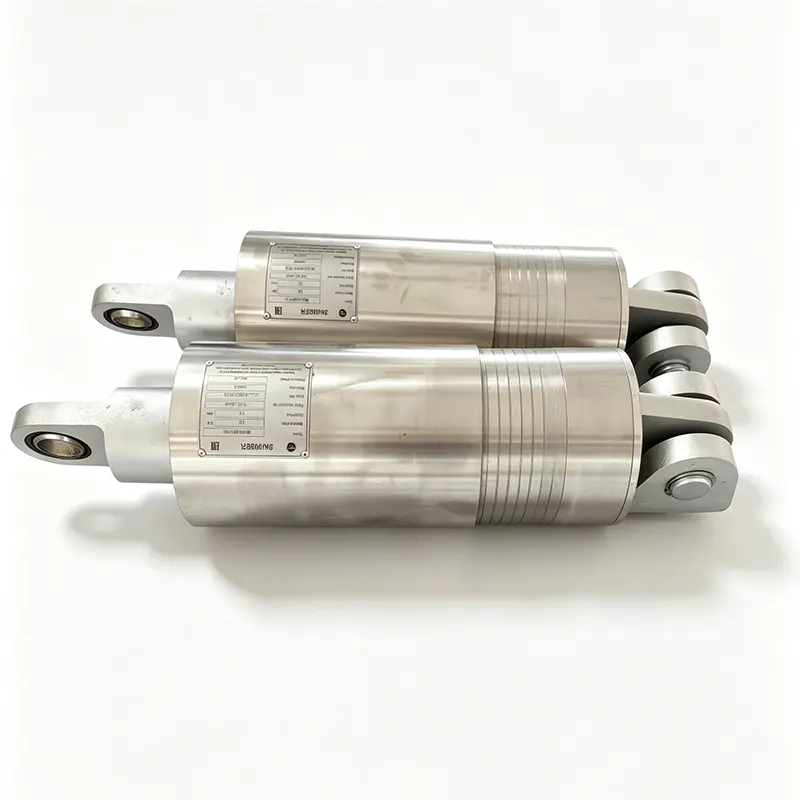
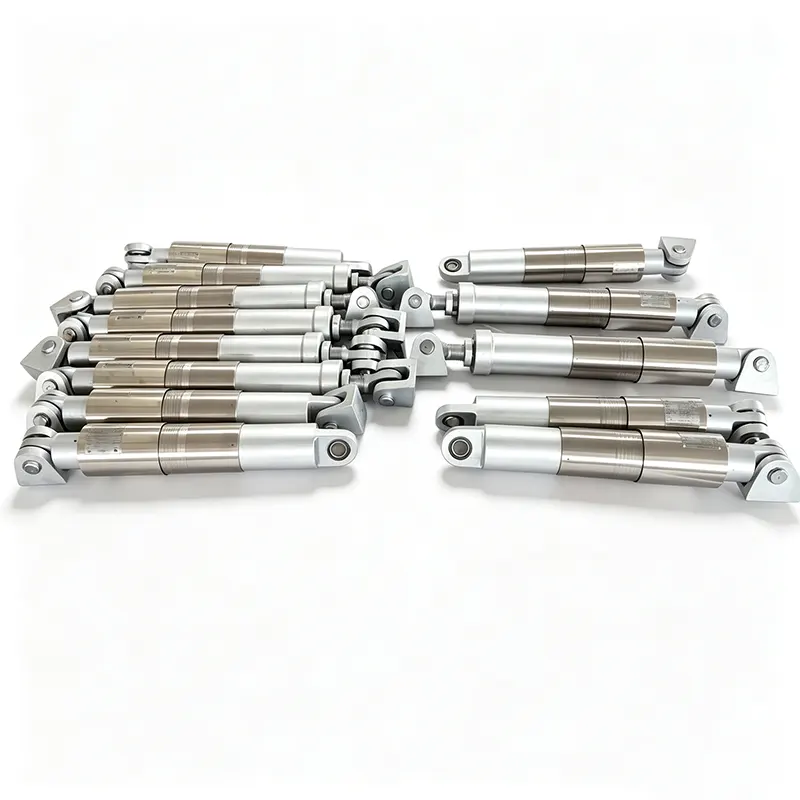
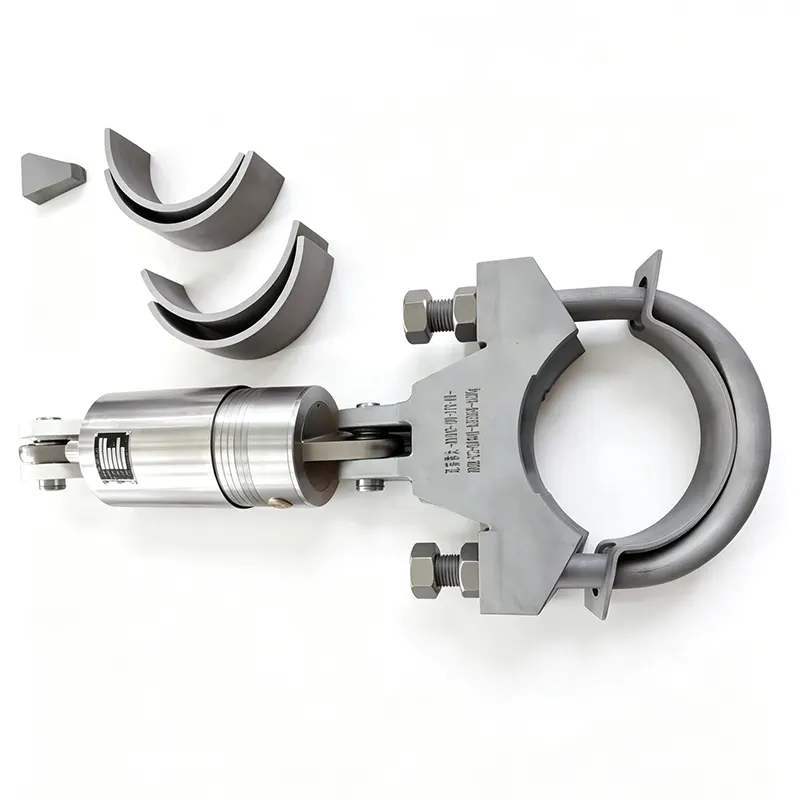
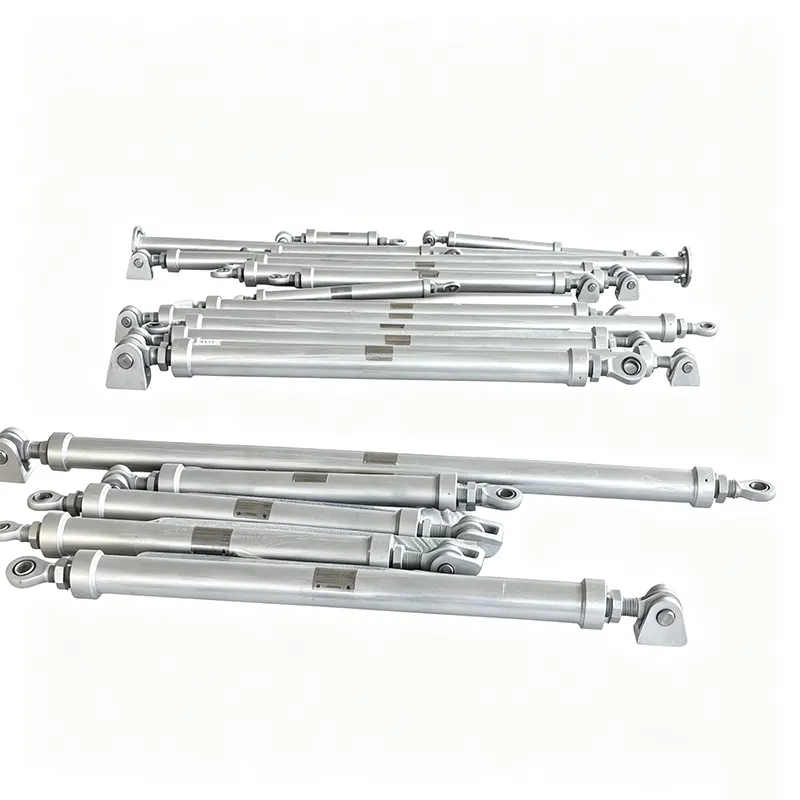
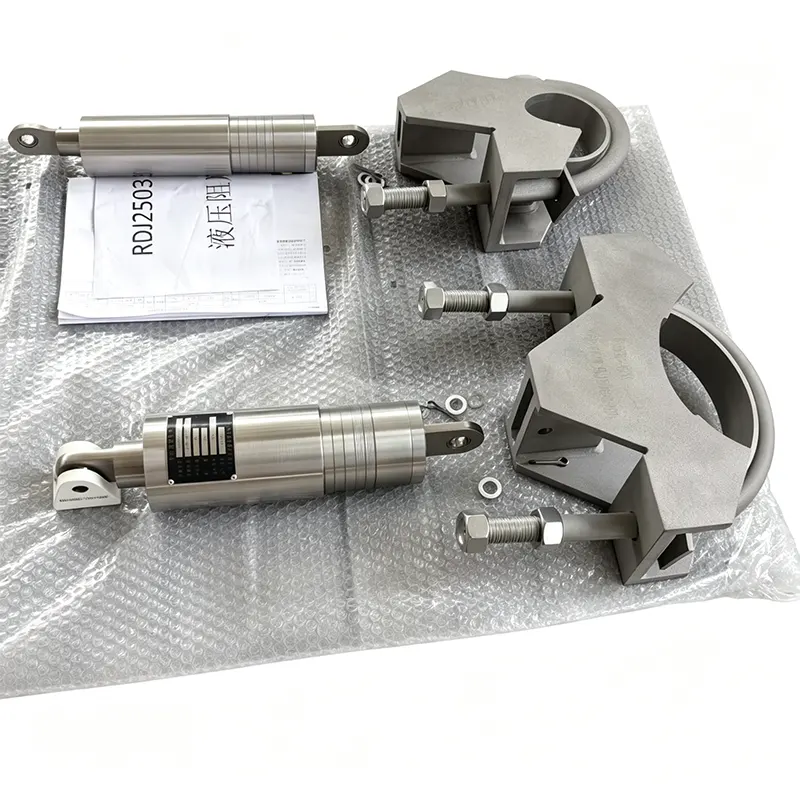
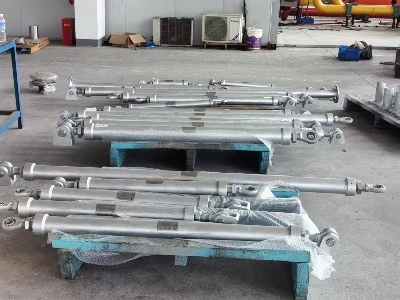
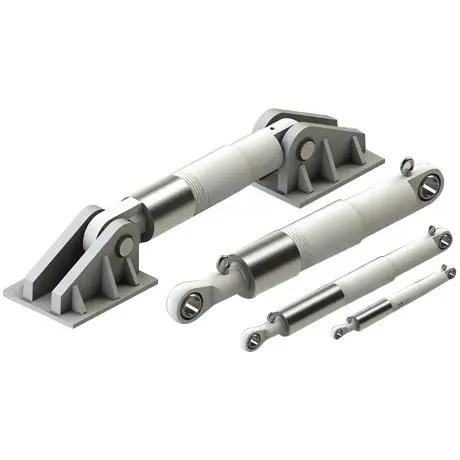
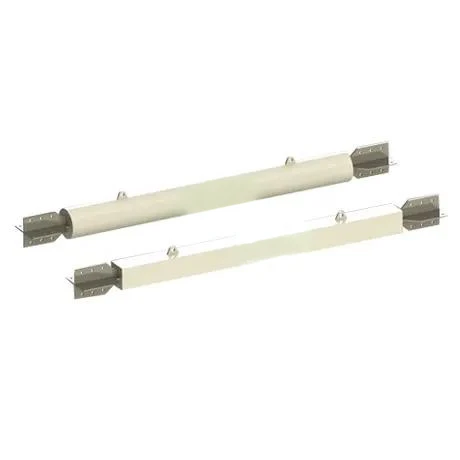
Hydraulic Snubbers for Pipe Restraint
  • Hydraulic Snubbers for Pipe RestraintHydraulic Snubbers for Pipe Restraint
  • Hydraulic Snubbers for Pipe RestraintHydraulic Snubbers for Pipe Restraint
  • Hydraulic Snubbers for Pipe RestraintHydraulic Snubbers for Pipe Restraint
  • Hydraulic Snubbers for Pipe RestraintHydraulic Snubbers for Pipe Restraint
  • Hydraulic Snubbers for Pipe RestraintHydraulic Snubbers for Pipe Restraint
  • Hydraulic Snubbers for Pipe RestraintHydraulic Snubbers for Pipe Restraint
  • Hydraulic Snubbers for Pipe RestraintHydraulic Snubbers for Pipe Restraint
  • Hydraulic Snubbers for Pipe RestraintHydraulic Snubbers for Pipe Restraint
  • Hydraulic Snubbers for Pipe RestraintHydraulic Snubbers for Pipe Restraint
  • Hydraulic Snubbers for Pipe RestraintHydraulic Snubbers for Pipe Restraint
  • Hydraulic Snubbers for Pipe RestraintHydraulic Snubbers for Pipe Restraint

Hydraulic Snubbers for Pipe Restraint

Require reliable hydraulic snubbers for pipe restraint? Yangzhou Tianshun manufactures Hydraulic Snubbers for Pipe Restraint with velocity-sensitive lock-up, handling loads up to 500 kN and strokes to ±200 mm. Source ISO 9001 certified units with full factory testing. Request a quote today—wholesale orders available, shipping to 45+ countries.

Yangzhou Tianshun has supplied hydraulic snubbers to power generation, petrochemical, and nuclear facilities since 2012. Our YZN series snubbers operate across more than 45 countries, backed by a 35,000 m² factory, over 100 skilled staff, and a quality system certified to ISO 9001:2015.


How a hydraulic snubber protects piping

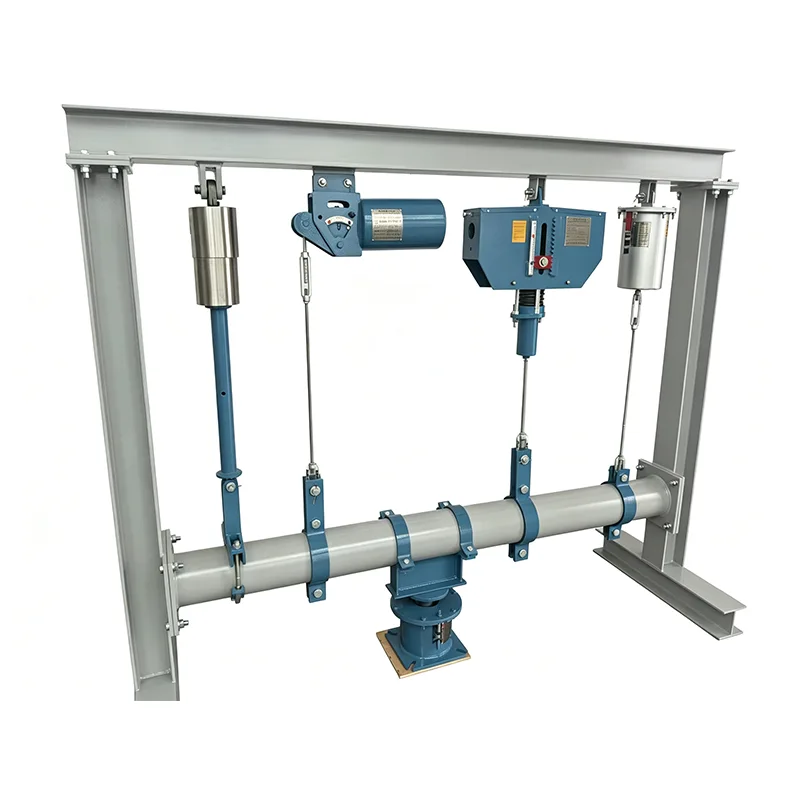
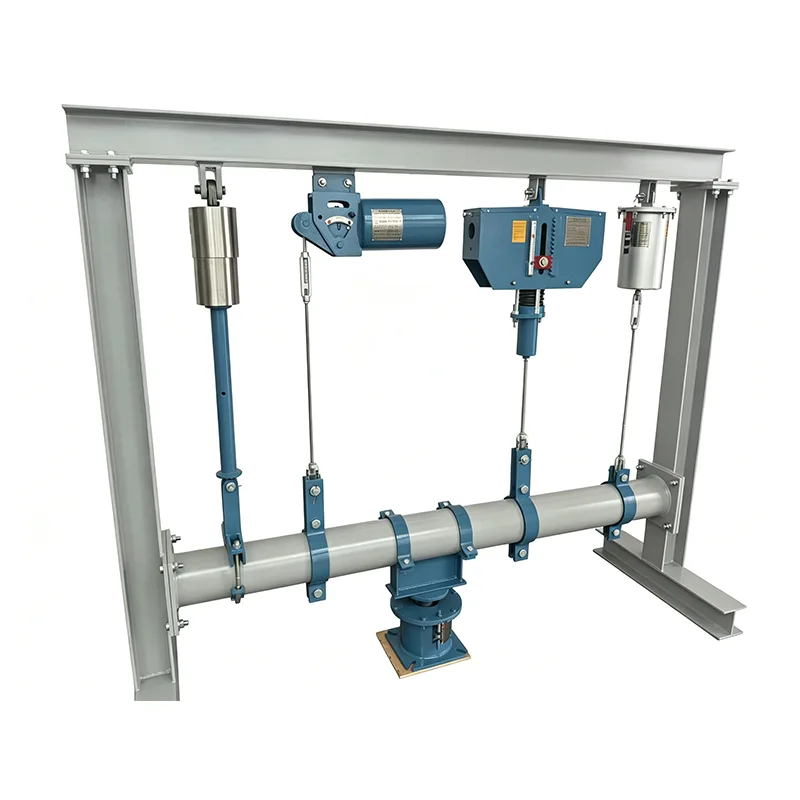
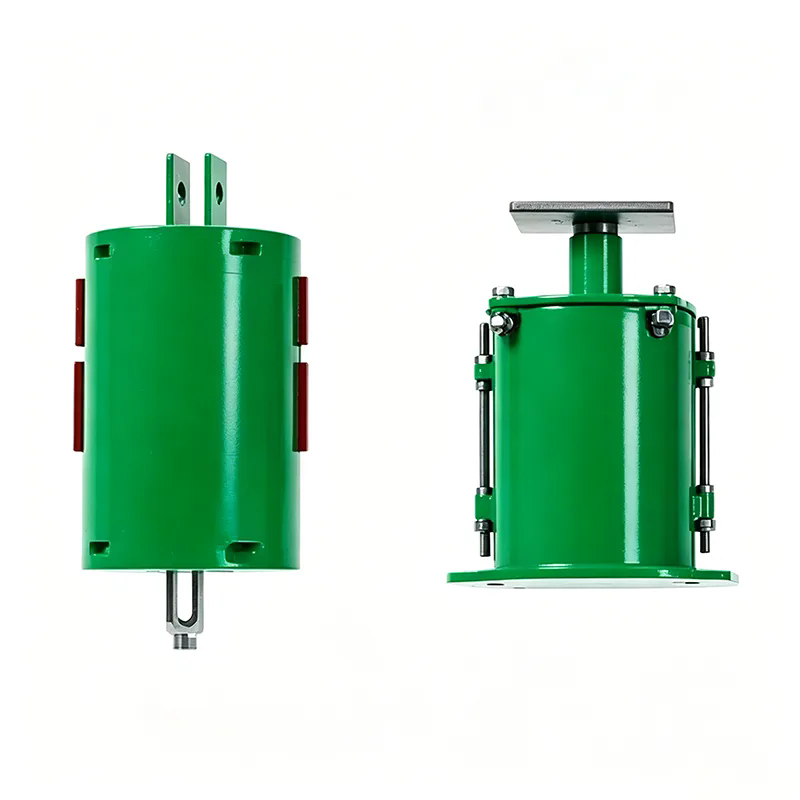
A hydraulic snubber is a velocity-sensitive restraint. Under normal operating conditions, thermal expansion and contraction cause the pipe to move slowly. The Hydraulic Snubbers for Pipe Restraint follows this movement with practically no resistance, acting much like a free-sliding support. When the pipe undergoes a sudden acceleration — from water hammer, a safety valve discharge, seismic activity, or a pump trip — the internal valving closes within a fraction of a second. At that moment, the snubber becomes a nearly rigid strut, transferring the dynamic load to the building structure or anchor point and preventing pipe displacement that could otherwise cause impact damage, overstress, or fatigue failure.


The critical distinction is the speed threshold. Slow movements pass through unrestricted. Fast movements are locked out. This allows a piping system to maintain its flexibility for sustained thermal cycles while receiving instantaneous restraint only when needed.


YZN series design and features

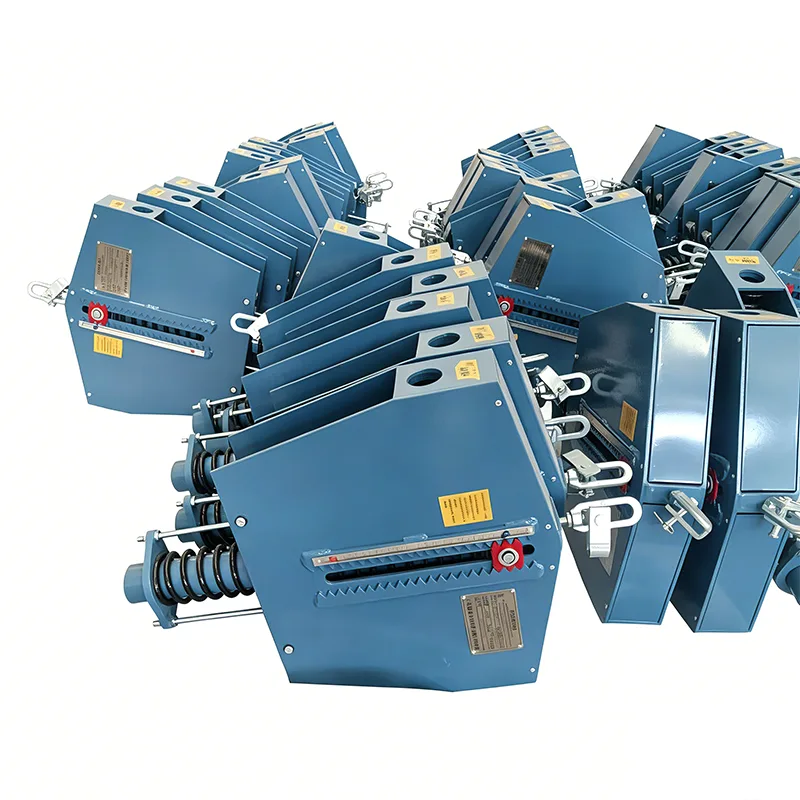
Visible position indicator

A clear mechanical indicator on the snubber body shows the available stroke range in both directions. Maintenance teams can verify at a glance whether the unit is operating within its design travel or requires adjustment, without disconnecting the device.


Compact and symmetrical construction

The symmetrical layout simplifies installation orientation and reduces the likelihood of incorrect mounting. Its compact envelope fits into tight pipe racks and congested areas where larger spring or rigid struts cannot be placed.


Low friction and short lock-up time

Internal friction is minimized through precision machining and seal selection. The dynamic response time, the interval from the onset of rapid motion to full locking, is held extremely short. This ensures that the pipe experiences negligible displacement before the snubber engages, which is critical for protecting sensitive equipment such as turbine connections and pressure vessel nozzles.


High locking force capability

When locked, the Hydraulic Snubbers for Pipe Restraint can sustain substantial tensile and compressive loads without yielding. The damping force generated during dynamic response is proportional to the velocity input and can be specified up to the required design load, matching the pipe stress analysis demands.


Seal and media compatibility

Seals are selected for long-term compatibility with the hydraulic fluid and with the external plant environment. The fluid medium, typically a high-stability silicone oil, maintains consistent viscosity across the operating temperature range. Seal materials resist aging and leakage, contributing to a long maintenance-free service life.


Technical scope

Parameter

Typical range / options

Rated load capacity

10 kN to 500 kN (higher on request)

Stroke

±25 mm to ±200 mm

Locking velocity threshold

Typically 10 to 250 mm/min (can be tuned)

Operating temperature range

-20 °C to +120 °C (extended ranges available)

Cylinder material

Carbon steel with corrosion-resistant coating or stainless steel

Piston rod

Hard chrome plated or induction hardened

Hydraulic medium

Synthetic silicone oil, stable across operating temperature

End connections

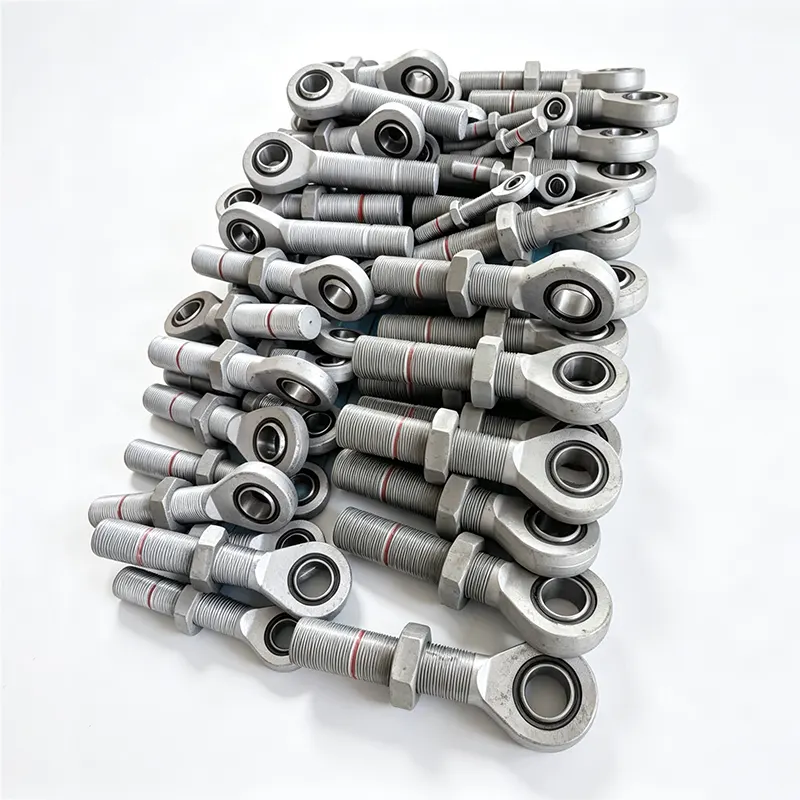
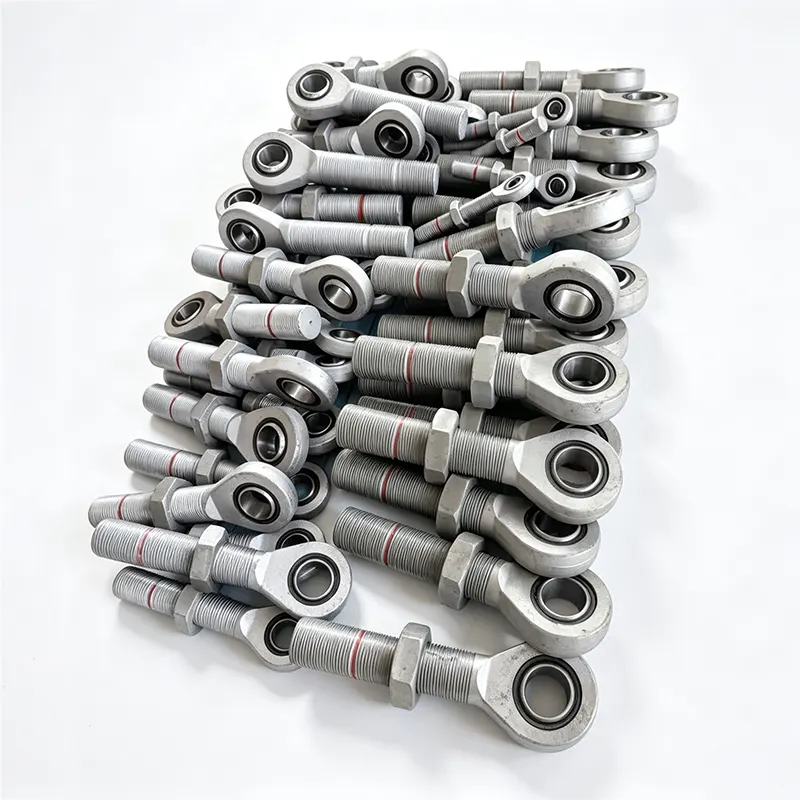
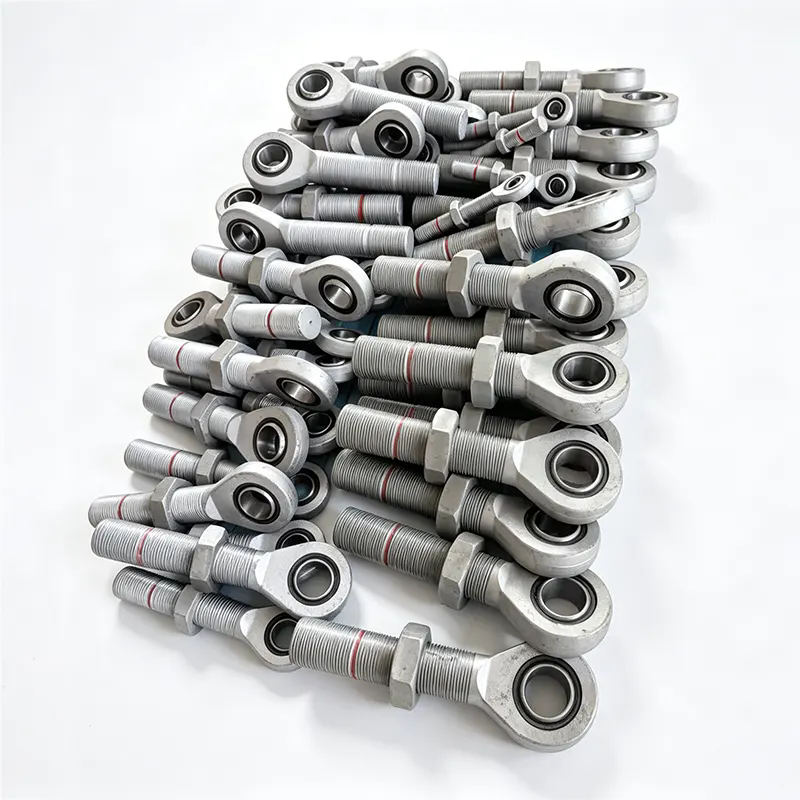
Spherical bearings, clevis ends, or per project specification


All values are adapted to the specific piping load case and project requirements. Non-standard strokes, load ratings, and connection types are manufactured against client drawings.


Quality control and testing

Every YZN hydraulic snubber undergoes functional acceptance testing before shipment. A dedicated test bench applies slow cycling to verify free movement, then simulates rapid displacement to confirm locking and measure the resulting load capacity. The pressure boundary is tested, and stroke indicator operation is validated. Test records are retained and can be supplied with the shipment.


Material traceability is maintained for pressure containing parts and for the hydraulic fluid. In nuclear applications, the required quality assurance programs are applied, including compliance with applicable sections of ASME Boiler and Pressure Vessel Code Section III and additional client-specific requirements. Our ISO 9001 certified system governs all procedures, from raw material receipt to final inspection.


Over 70% of our orders come from long-term repeat clients who place confidence in the consistent performance of our snubbers across multiple projects.


Where hydraulic snubbers are used for pipe restraint

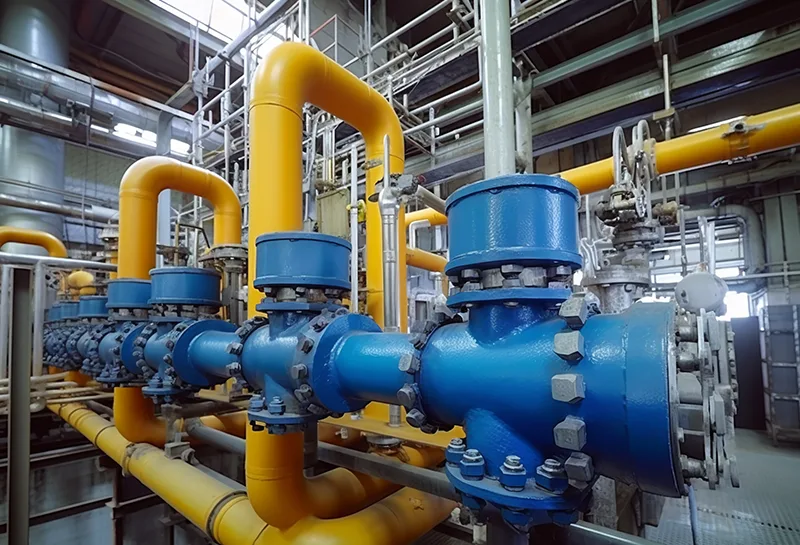
The YZN series is installed in critical piping systems where a combination of thermal flexibility and instantaneous dynamic restraint is non-negotiable.


Nuclear power plants

Main steam, feedwater, and safety-related piping. Snubbers protect against seismic events and pipe break dynamic effects while allowing large thermal movements during normal operation. Full material and test documentation packages are standard.


Thermal power plants

Boiler feedwater lines, steam extraction piping, and turbine bypass systems. Snubbers reduce transient loads from valve operations and prevent pipe whip.


Petrochemical and refinery units

Process piping in FCCU, reformers, and compressor stations. Snubbers handle two-phase flow induced vibration and occasional blast loads while accommodating thermal cycles.


Steel mills and industrial gas systems

Hot blast stoves and oxygen lance piping experience rapid thermal transients and vibration. Hydraulic snubbers maintain pipe alignment without restricting thermal growth.


Pump and compressor stations

Discharge lines subject to pulsation or water hammer events. Snubbers act as velocity-sensitive restraints, preventing strain on flanges and supports.


Frequently asked questions

How does a hydraulic snubber differ from a rigid strut or a spring support?

A rigid strut locks the pipe in place and prevents all thermal movement, which can lead to excessive stress on piping and connected equipment. A spring support carries gravity loads but does not restrain dynamic forces. A hydraulic snubber bridges both needs: it allows slow thermal expansion and contraction freely, then locks within milliseconds when the pipe velocity exceeds a preset threshold. This provides dynamic restraint precisely when required without compromising thermal flexibility.


What determines the locking velocity setting, and can it be adjusted?

The locking velocity threshold is set according to the maximum expected thermal expansion rate of the pipe and the minimum velocity that would arise from a dynamic event such as water hammer or seismic shock. Our engineers review the project pipe stress analysis to establish a value that keeps the snubber free during normal operation but delivers full restraint during a transient. The threshold is factory set and functionally verified on the test bench; if operating conditions change, the setting can be recalibrated at our facility.


What kind of maintenance does a hydraulic snubber need over its service life?

We recommend periodic functional testing to confirm that the unit still moves without resistance under slow displacement and locks correctly under rapid motion. In power and process plants, this check is commonly performed every 3 to 5 years, or according to the plant maintenance program. Visual inspection of the seal area and stroke indicator is straightforward. Should a unit require reconditioning, we offer factory service including fluid replacement, seal change, and recertification.


Can YZN snubbers withstand outdoor installation or corrosive plant environments?

Yes. The standard cylinder receives a corrosion-resistant coating suitable for most outdoor industrial settings. For coastal, offshore, or chemically aggressive atmospheres, we can supply the cylinder in stainless steel and select piston rod coatings and seal materials specifically for those conditions. We are happy to advise on material selection based on the site environment and temperature range.


What documentation is provided for nuclear or safety-critical applications?

We supply full material traceability for pressure-retaining components, certified mill test reports, hydraulic fluid certification, functional test records, and a declaration of compliance with the applicable codes. When required by the project, documentation meets ASME Section III or other nuclear standards. Our quality system is audited regularly, and we can accommodate additional client audits and documentation requirements.


Engineering support and service

Selecting the correct snubber for a pipe restraint application involves load data, expected thermal movement, and the locking velocity threshold. Our engineers work with your pipe stress reports to confirm the appropriate size and setting. Dedicated account managers respond within 24 hours to inquiries and provide technical recommendations without delay.


Custom configurations — non-standard stroke, special materials for corrosive atmospheres, or nuclear class documentation — are handled as routine orders, not exceptions. After delivery, we provide installation guidance and maintenance advice, including recommendations for periodic functional testing to ensure continued reliability throughout the service life.


Yangzhou Tianshun Pipeline Technology Co., Ltd.

35,000 m² facility, Jiangsu, China — exporting to over 45 countries.

Hydraulic snubbers that lock only when the pipe needs it, and stay out of the way the rest of the time.

Hydraulic Snubbers for Pipe RestraintHydraulic Snubbers for Pipe RestraintHydraulic Snubbers for Pipe RestraintHydraulic Snubbers for Pipe RestraintHydraulic Snubbers for Pipe RestraintHydraulic Snubbers for Pipe RestraintHydraulic Snubbers for Pipe RestraintHydraulic Snubbers for Pipe RestraintHydraulic Snubbers for Pipe RestraintHydraulic Snubbers for Pipe RestraintHydraulic Snubbers for Pipe Restraint


Hot Tags: Hydraulic Snubbers for Pipe Restraint, Manufacturer, Supplier, Factory
Send Inquiry
Contact Info

If you have any enquiry about quotation or cooperation, please feel free to email us at jsts2021@yeah.net or use the following inquiry form.Our sales representative will contact you within 24 hours. Thank you for your interest in our products.

X
We use cookies to offer you a better browsing experience, analyze site traffic and personalize content. By using this site, you agree to our use of cookies.Privacy Policy
RejectAccept