No.115 Yunhe North Road, Yangzhou City.Shuzhou, China +86-13032562550 jsts2021@yeah.net
Follow Us -
News

How Do Hydraulic Snubbers Protect Pipelines from Seismic and Dynamic Loads?

2026-07-28 0 Leave me a message

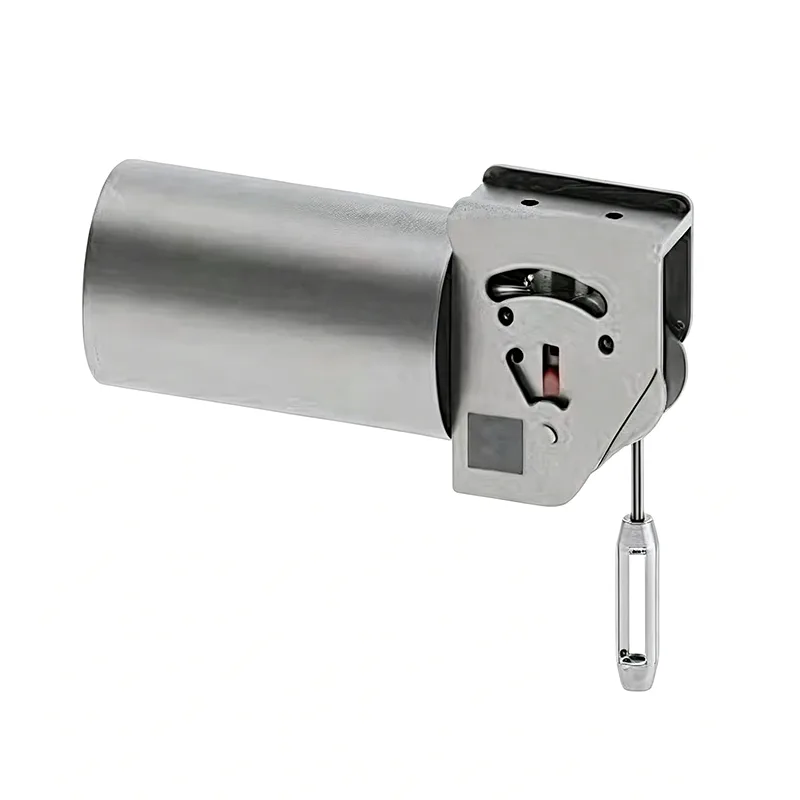
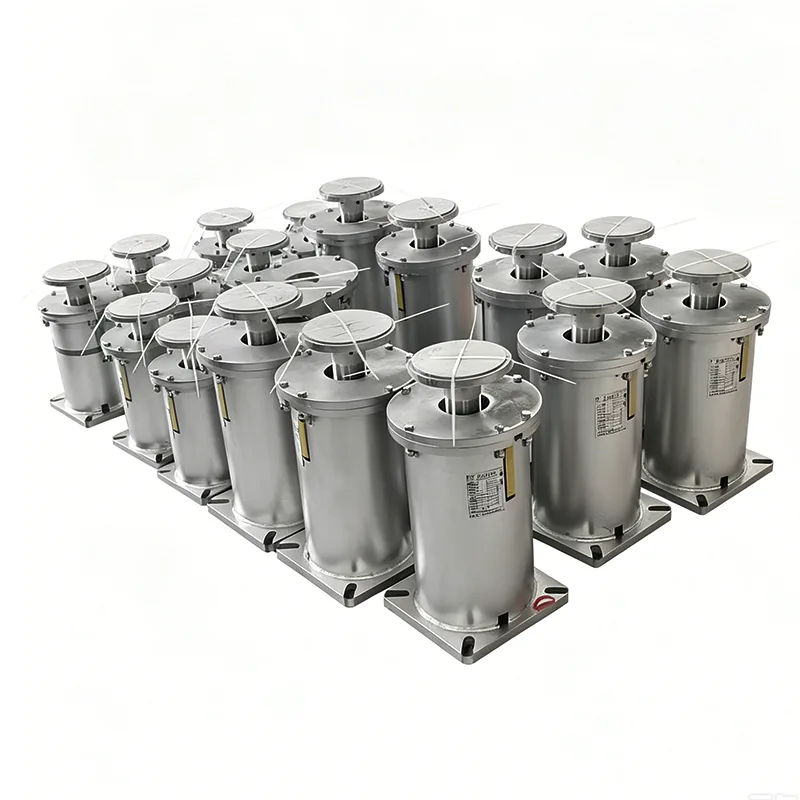
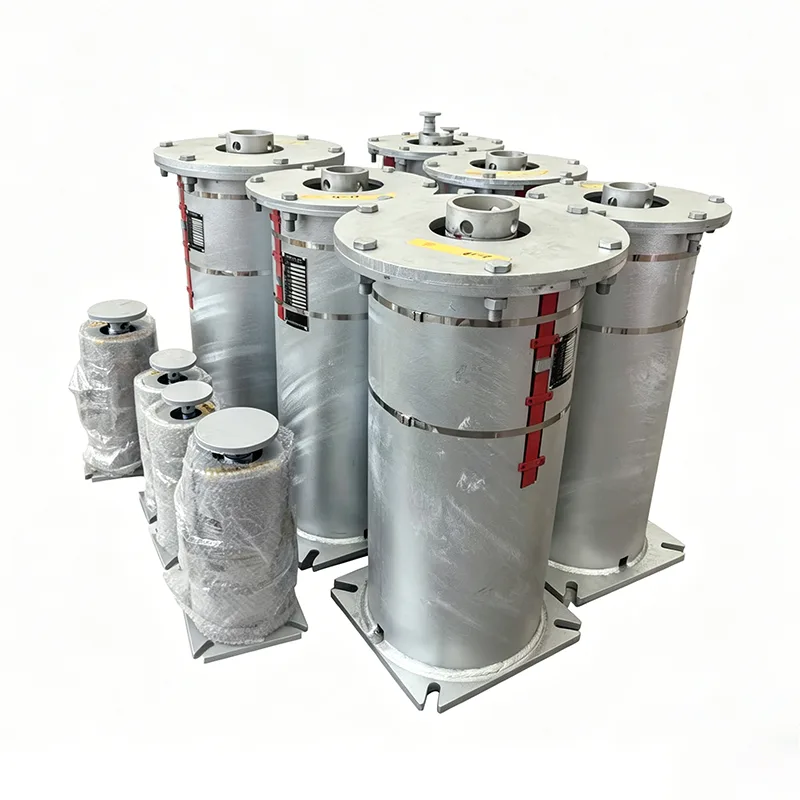
Pipelines are the lifelines of modern industry, transporting oil, gas, chemicals, and water across vast distances. However, they are vulnerable to a range of external forces, including seismic events, wind loads, water hammer, and pressure surges. These dynamic and seismic loads can cause catastrophic pipeline failure if not properly managed. Hydraulic snubbers are the critical safety devices that protect pipelines from these forces. A hydraulic snubber, also known as a shock suppressor or seismic snubber, is a mechanical device that allows slow, controlled thermal movement of the pipeline while locking rigidly under rapid dynamic loads, thereby preventing excessive displacement and stress. At Yangzhou Tianshun Pipeline Technology Co., Ltd., our factory has been engineering high-performance Hydraulic Snubbers for over 25 years, and we have seen their essential role in safeguarding critical infrastructure worldwide. 


The protection mechanism of a hydraulic snubber is based on a simple yet highly effective principle: velocity-sensitive locking. Under normal operating conditions, the snubber allows the pipeline to expand and contract thermally at a slow rate, accommodating thermal growth without constraint. However, when a seismic event or a sudden dynamic load occurs, the snubber senses the rapid increase in velocity and instantaneously locks, acting as a rigid strut that restrains the pipe and prevents excessive movement. This rapid response is achieved through a precision-engineered hydraulic system that includes a piston, a cylinder filled with a specialized silicone fluid, and a sophisticated valving mechanism. Our Hydraulic Snubbers are designed to respond in milliseconds, ensuring that pipelines are protected against the most severe seismic and dynamic events. In this comprehensive guide, we will delve into the engineering, hydraulics, and materials that make hydraulic snubbers indispensable for pipeline safety, and we will provide detailed technical specifications and application guidance from our factory's extensive experience.

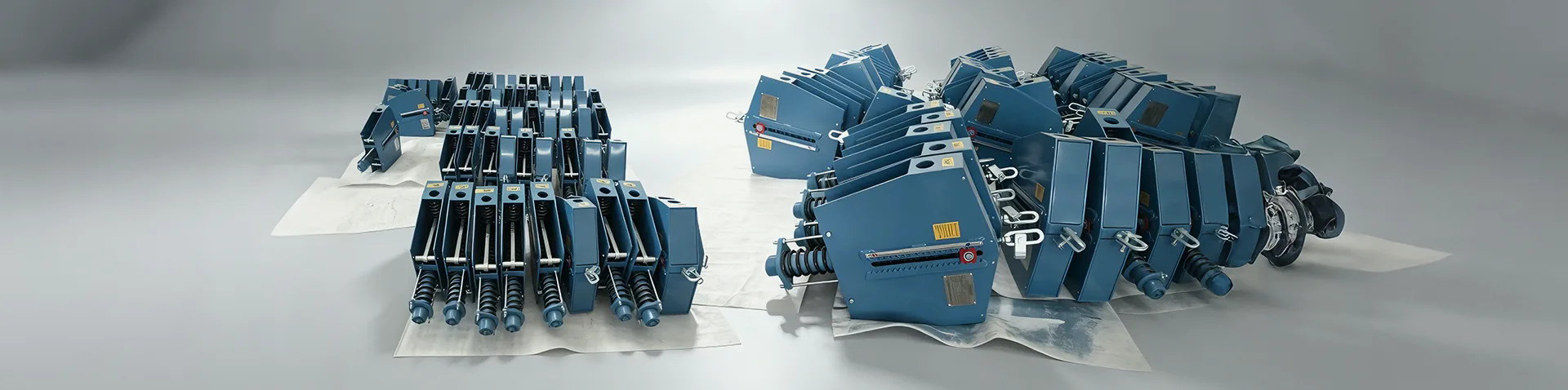
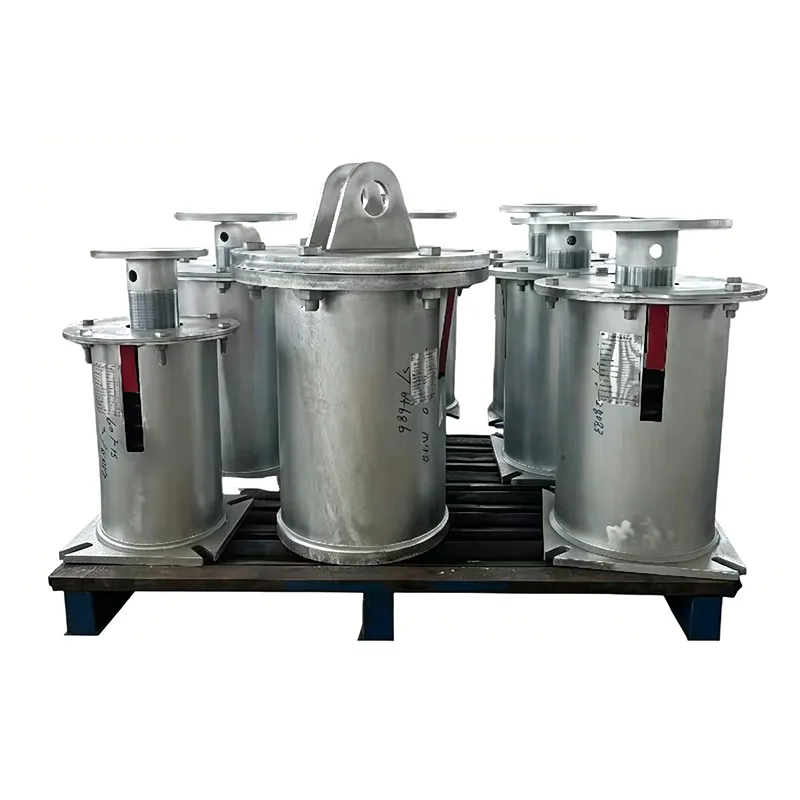
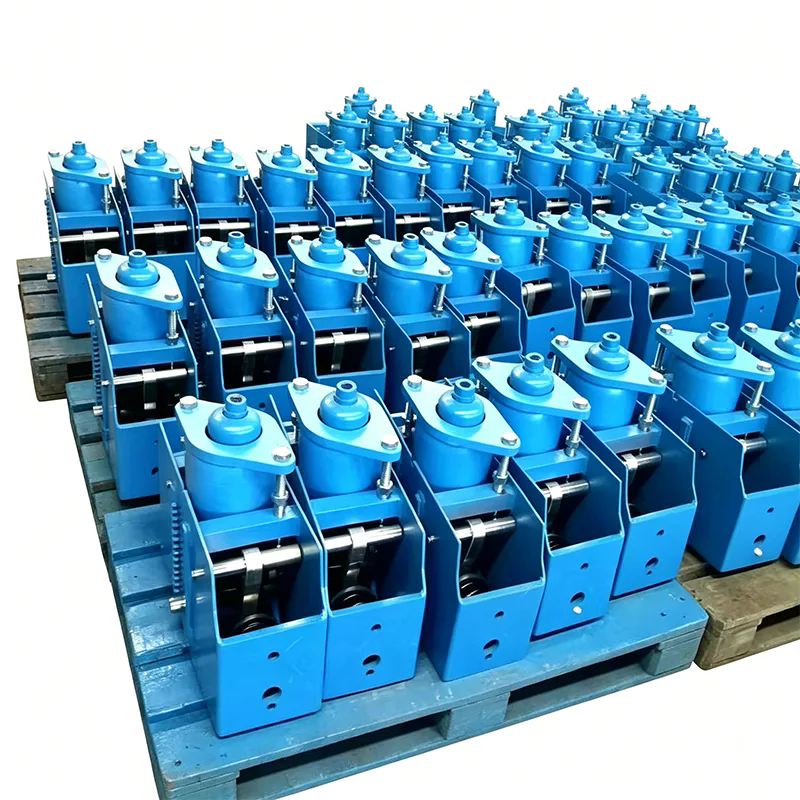
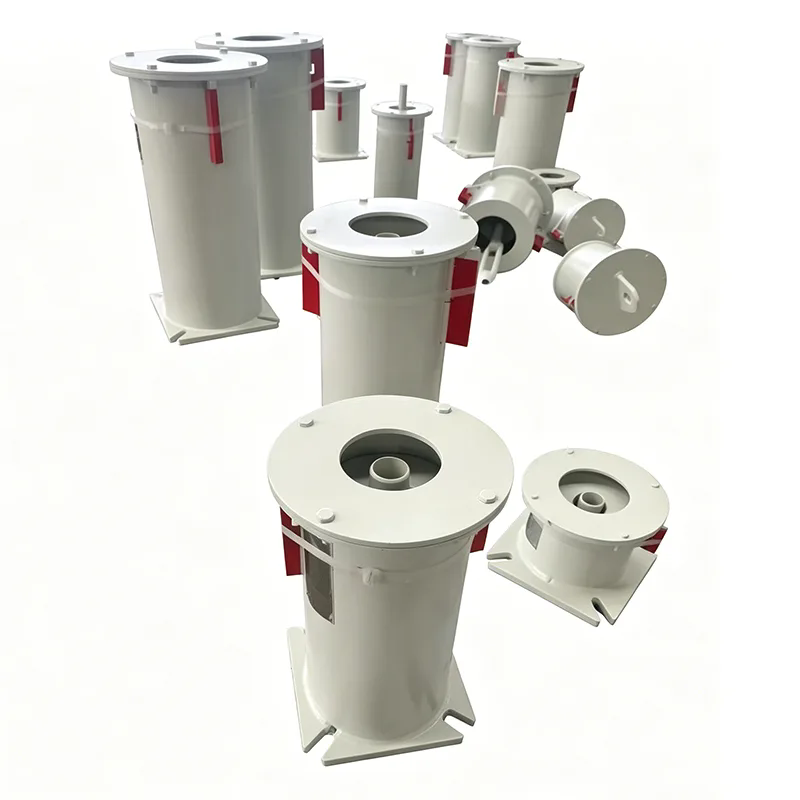
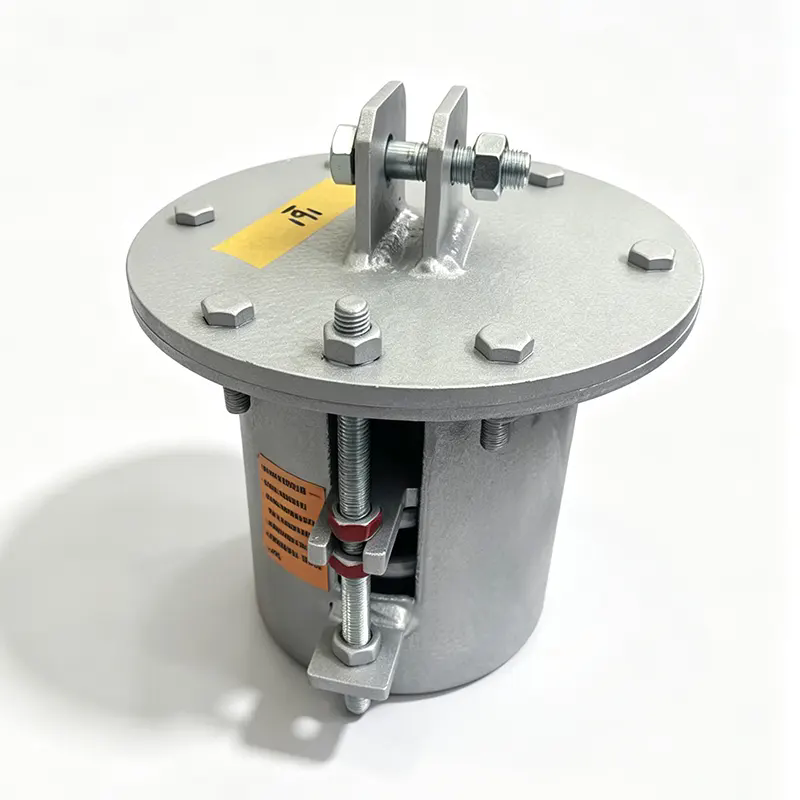
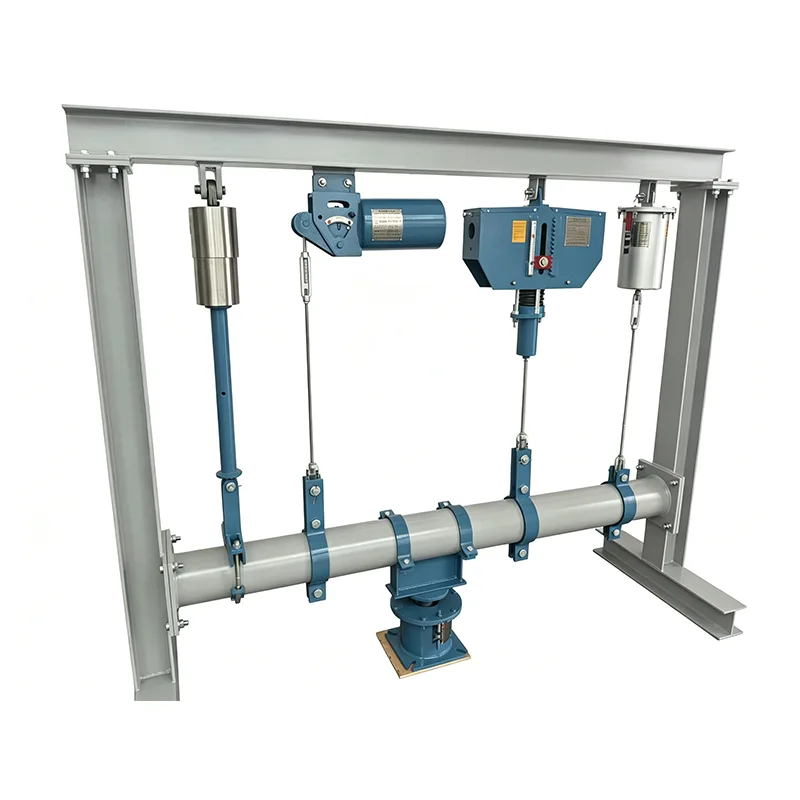
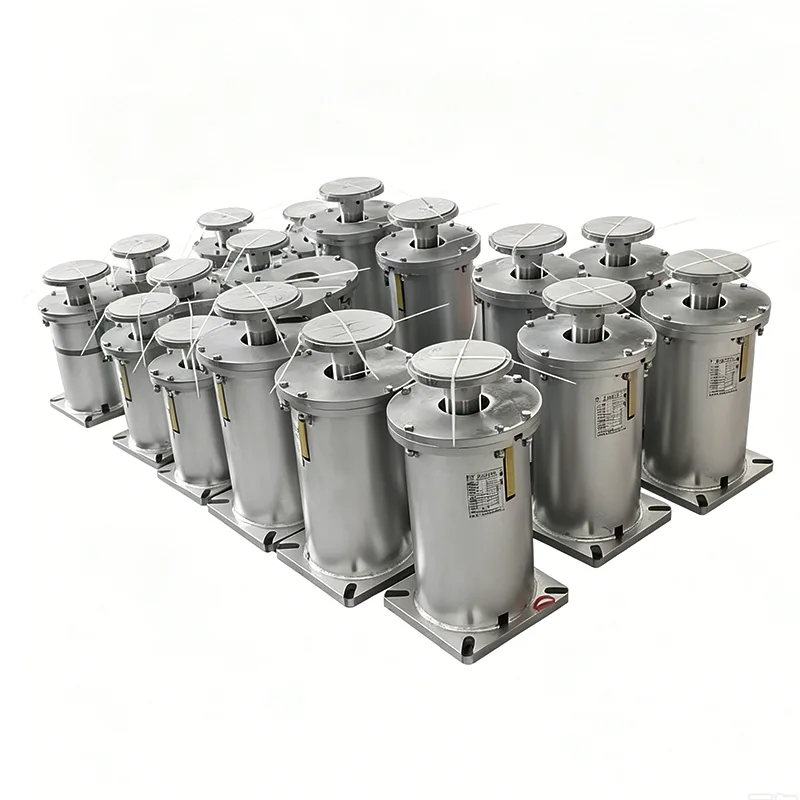
hydraulic snubbers for pipe restraint


Table of Contents


What Is the Working Principle of a Hydraulic Snubber?

At its core, a Hydraulic Snubber is a velocity-sensitive energy-absorbing device that provides both freedom of movement for thermal expansion and rigid restraint under dynamic loads. The device consists of a cylinder filled with a high-viscosity silicone fluid, a piston with specially designed orifice passages, and a spring-loaded check valve assembly. Under normal slow thermal movements, the piston moves through the fluid at a low velocity, allowing the fluid to flow through the orifice and the check valve with minimal resistance. This free movement, typically less than 100 mm/sec, accommodates thermal expansion without imposing significant loads on the pipeline. However, when a dynamic event such as an earthquake or a water hammer generates a high-velocity movement, the fluid flow through the orifice becomes highly restricted due to the pressure drop across the piston. The check valve closes, forcing the fluid through a controlled bypass, creating a damping effect that resists the rapid motion. The locking action is progressive, meaning the snubber offers increasing resistance as velocity increases, effectively becoming a rigid stop for very high-velocity events.


Key operational principles of our Hydraulic Snubbers:

  • Velocity-sensitive locking: The snubber is tuned to lock at a specific velocity threshold, typically between 50 and 150 mm/sec, depending on the application. This ensures that it remains unlocked for normal thermal expansion but locks immediately for seismic events.
  • Progressive resistance: Unlike a mechanical stop, which provides a sudden, rigid constraint, the hydraulic snubber offers progressive resistance that increases with velocity. This cushions the shock load, reducing the peak force transmitted to the pipeline and its supports.
  • Thermal compensation: The snubber is designed to accommodate both extension and compression movements, allowing the pipeline to expand and contract freely within its normal operating range.
  • Failsafe design: In the event of a hydraulic fluid leak or seal failure, the snubber is designed to lock automatically, preventing the pipeline from being left unprotected.
  • Adjustable locking sensitivity: Many of our Hydraulic Snubbers allow field adjustment of the locking velocity, enabling fine-tuning to match the specific seismic design criteria of the pipeline.


A practical example from a petrochemical plant in the Middle East illustrates the working principle in action. The plant had a large-diameter steam pipeline that experienced significant thermal expansion during normal operation, with movements of up to 150 mm. However, the region is also prone to minor seismic activity. Standard pipe supports allowed the thermal movement but could not restrain the pipe during an earthquake. By installing our Hydraulic Snubbers at strategic locations, the plant achieved free thermal movement under normal conditions, while the snubbers locked during seismic events, limiting the pipe displacement to safe levels. The plant manager reported that the snubbers performed flawlessly during a magnitude 5.2 earthquake, preventing any damage to the pipeline system.


Our factory at Yangzhou Tianshun Pipeline Technology Co., Ltd. manufactures Hydraulic Snubbers with a range of locking sensitivities and stroke capacities to suit different pipeline sizes and operating conditions. We use high-grade stainless steel for wetted parts, and our silicone fluid is chemically inert and stable over a wide temperature range. Each snubber is tested on a dynamic test rig to verify its locking and damping characteristics. This commitment to precision engineering ensures that our Hydraulic Snubbers provide reliable protection for pipelines in the most demanding environments.

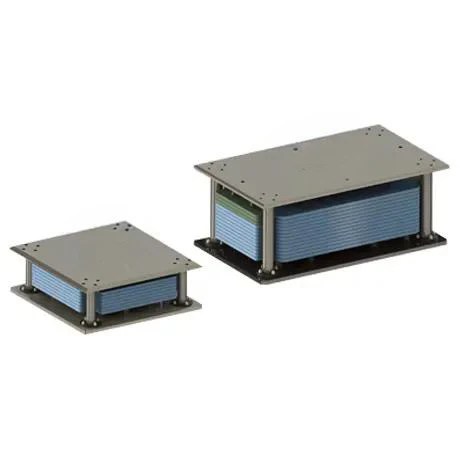
Tuned Mass Damper


How Do Hydraulic Snubbers Mitigate Seismic and Dynamic Loads?

Seismic events and dynamic loads generate complex forces that act on pipelines in multiple directions. Hydraulic snubbers address these forces by providing a combination of rigid restraint and energy dissipation. When a seismic wave travels through the ground, it causes the pipeline to move with the ground, but because the pipeline is a long, continuous structure, its inertia causes it to lag behind the ground motion. This differential movement can induce bending stresses and axial loads that exceed the pipe's design limits. A Hydraulic Snubber locks during the seismic event, coupling the pipe to the support structure and preventing excessive relative movement. Additionally, the snubber's hydraulic damping action dissipates a portion of the seismic energy as heat, reducing the overall load on the pipeline and its supports.


Key load-mitigation mechanisms of Hydraulic Snubbers:

  • Displacement limitation: By locking under high velocity, the snubber limits the displacement of the pipeline during a seismic event, keeping it within the design envelope of the pipe and its supports.
  • Energy dissipation: The hydraulic damping effect converts a portion of the kinetic energy from the dynamic load into heat, reducing the force transmitted to the pipeline and its structural supports.
  • Load redistribution: Hydraulic Snubbers are strategically placed along the pipeline to distribute the seismic load evenly, preventing concentration of stress at specific points.
  • Resonance prevention: By providing a damping effect, the snubber helps to prevent the pipeline from resonating at its natural frequency, which could amplify dynamic loads.
  • Protection against water hammer: The rapid locking of the snubber under sudden pressure surges (water hammer) prevents the pipeline from moving excessively, reducing the risk of joint separation or support failure.


A case study from a liquefied natural gas (LNG) facility in Southeast Asia demonstrates the effectiveness of Hydraulic Snubbers in mitigating seismic loads. The facility was located in a seismically active zone and had a 2 km long above-ground piping system. After a seismic risk assessment, engineers installed over 100 Hydraulic Snubbers at critical support locations. During a magnitude 6.2 earthquake, the snubbers locked as designed, limiting pipe displacement to the calculated safe range. Post-event inspections revealed no damage to the piping system, and the facility was able to resume operations within 48 hours. The facility manager credited the Hydraulic Snubbers with preventing what could have been a catastrophic failure.


Our factory manufactures Hydraulic Snubbers in a variety of configurations, including single-acting and double-acting types, to suit different load directions and magnitudes. We also offer snubbers with a built-in visual position indicator that allows maintenance personnel to check the snubber's status at a glance. Our engineering team can perform a snubber sizing and placement study, using finite element analysis (FEA) to model the pipeline's response to seismic and dynamic loads. This ensures that the snubbers are optimally positioned and sized to provide the most effective protection. With our Hydraulic Snubbers, pipeline operators can have confidence that their infrastructure is prepared for even the most severe seismic and dynamic events.


What Are the Key Technical Specifications of Our Hydraulic Snubbers?

T.S. MACHINARY manufactures a comprehensive range of Hydraulic Snubbers for various pipeline applications. Our product line includes snubbers with different load capacities, stroke lengths, and locking velocities to suit the specific requirements of power plants, refineries, and industrial facilities. All our Hydraulic Snubber products are manufactured in accordance with ISO 9001 and meet the requirements of ASME B31.1, DIN EN 13480, and other international standards. The table below summarizes the key technical specifications for our most popular Hydraulic Snubber models, which are used in critical pipeline protection applications worldwide. Our factory can also produce custom snubbers to meet specific project requirements, including special stroke lengths, load capacities, and environmental protection coatings.


Model Load Capacity (kN) Stroke (mm) Locking Velocity (mm/s) Temperature Range Fluid Type Weight (kg) Mounting Type
TS-10 10 50 80 -20°C to +80°C Silicone oil 8 Flange / bracket
TS-20 20 100 100 -20°C to +80°C Silicone oil 15 Flange / bracket
TS-40 40 150 100 -20°C to +80°C Silicone oil 28 Flange / bracket
TS-60 60 200 120 -20°C to +80°C Silicone oil 45 Flange / bracket
TS-100 100 250 120 -20°C to +80°C Silicone oil 72 Flange / bracket
TS-150 150 300 150 -20°C to +80°C Silicone oil 110 Flange / bracket
TS-200 200 350 150 -20°C to +80°C Silicone oil 155 Flange / bracket


In addition to the standard models, our factory offers several optional features to enhance the performance and suitability of Hydraulic Snubbers for specific environments. These include: a low-temperature version with a specialized silicone fluid that remains fluid down to -40°C; a high-temperature version rated for continuous operation at 120°C; and an epoxy-coated version for corrosive environments, such as offshore platforms and chemical plants. We also provide custom stroke lengths to accommodate specific pipeline thermal movement requirements.


Our quality control process includes a 100 percent dynamic performance test on every Hydraulic Snubber, verifying that the locking velocity, load capacity, and damping characteristics meet the specified values. We also conduct a pressure test on the hydraulic system to ensure there are no leaks under operating pressure. Each snubber is marked with a unique serial number, enabling full traceability from manufacturing to field installation. Our factory at Yangzhou Tianshun Pipeline Technology Co., Ltd. maintains a comprehensive inventory of standard snubbers and components, enabling fast delivery to any location. We also provide a snubber selection service, where our engineering team helps you choose the optimal model and size for your specific pipeline protection needs.


How Can Proper Installation and Maintenance Ensure Snubber Performance?

Hydraulic Snubbers are precision devices that require careful installation and regular maintenance to ensure they perform as intended. Improper installation can result in the snubber being unable to lock under dynamic loads, or it may lock when it should not (e.g., during slow thermal movement). Our factory at Yangzhou Tianshun Pipeline Technology Co., Ltd. provides detailed installation guidelines and maintenance recommendations to help customers maximize the reliability and service life of their Hydraulic Snubbers. Following these guidelines ensures that the snubbers will provide the critical protection needed during seismic and dynamic events.


Key installation and maintenance practices for Hydraulic Snubbers:

  • Correct orientation: The snubber must be installed in the correct orientation, with the piston rod aligned with the direction of the expected movement. Installing the snubber at an angle can cause side loading, which can damage the seals and reduce performance.
  • Proper mounting: Use the provided mounting brackets and ensure they are securely attached to the pipeline and the support structure. The mounting points must be structurally adequate to transmit the snubber's load capacity to the support.
  • Lubrication and sealing: The snubber's piston rod should be regularly cleaned and lubricated with the recommended oil to prevent corrosion and seal degradation. The seals should be inspected for signs of wear or leakage during routine maintenance.
  • Functional testing: We recommend testing the snubber's locking function annually, using a portable test unit that simulates a dynamic load. This ensures that the snubber remains operational and that the locking velocity has not drifted out of specification.
  • Replacement schedule: Even with proper maintenance, hydraulic snubbers have a finite service life. We recommend replacing the snubber every 15-20 years, or sooner if the seal integrity is compromised or if the snubber has been subjected to a severe seismic event.


A case study from a nuclear power plant in the United States illustrates the importance of regular snubber maintenance. During a routine inspection, maintenance personnel discovered that several Hydraulic Snubbers had developed seal leaks, causing the silicone fluid to slowly leak out. If left unaddressed, the snubbers would have had reduced damping capacity and may not have locked properly during an earthquake. The plant followed our recommended maintenance procedure, replacing the seals and recharging the snubbers with fresh fluid. A subsequent dynamic test confirmed that the snubbers were fully operational. The plant's safety manager noted that the proactive maintenance program prevented a potential safety issue, and the snubbers were fully functional during the next seismic event.


Our factory provides a comprehensive snubber maintenance manual that covers inspection, testing, and seal replacement procedures. We also offer a training program for maintenance personnel, covering the correct use of test equipment and the interpretation of test results. For customers who prefer a turnkey solution, we offer a snubber service contract that includes periodic inspection, functional testing, and seal replacement. This service ensures that your Hydraulic Snubbers remain in optimal condition, ready to protect your pipelines when needed. By investing in proper installation and maintenance, pipeline operators can ensure that their Hydraulic Snubbers provide the highest level of protection for the entire lifespan of the pipeline system.


Frequently Asked Questions (FAQ)

Question 1: What is the difference between a hydraulic snubber and a mechanical strut?

Answer: A mechanical strut provides a rigid connection that does not allow any thermal movement, which can impose high thermal stresses on the pipeline. A hydraulic snubber, on the other hand, allows slow thermal movement while locking under rapid dynamic loads. This means that during normal operation, the snubber accommodates thermal expansion, reducing stress. Under seismic or dynamic loads, it locks and acts as a rigid strut. This dual function makes hydraulic snubbers more suitable for pipelines that experience significant thermal movement, as they prevent the accumulation of thermal stress.

Question 2: Can a hydraulic snubber be repaired, or does it need to be replaced when it fails?

Answer: In many cases, hydraulic snubbers can be repaired by replacing the seals and recharging the fluid. However, if the internal piston or cylinder is damaged, the snubber must be replaced. Our factory offers a rebuild service for most of our Hydraulic Snubber models, where we disassemble, inspect, replace worn parts, and reassemble the snubber to its original specifications. We recommend having a qualified technician evaluate the snubber to determine if repair or replacement is the most cost-effective option.

Question 3: How is the locking velocity of a hydraulic snubber determined?

Answer: The locking velocity is determined by the snubber's internal valving and orifice design, and it is set during manufacturing. It is typically selected based on the pipeline's expected thermal movement rate and the seismic design criteria. For most applications, a locking velocity between 80 and 150 mm/sec is used. Our factory can adjust the locking velocity to meet specific project requirements. We also offer snubbers with an adjustable locking velocity feature, allowing field tuning to match the specific movement profile of the pipeline.

Question 4: Are hydraulic snubbers suitable for both indoor and outdoor installations?

Answer: Yes, hydraulic snubbers are suitable for both indoor and outdoor installations. However, for outdoor installations, especially in corrosive environments or areas with high humidity, we recommend our snubbers with a corrosion-resistant coating (epoxy or galvanized). For extremely cold climates, we offer a low-temperature version with a specialized fluid that remains fluid down to -40°C. Our factory can provide detailed guidance on the most suitable material and coating options for your specific installation environment.

Question 5: What certifications does Yangzhou Tianshun Pipeline Technology Co., Ltd. hold for its hydraulic snubbers?

Answer: Our Hydraulic Snubbers are manufactured under ISO 9001:2015 (Quality Management) and ISO 14001:2015 (Environmental Management) certifications. We also comply with ASME B31.1, DIN EN 13480, and GB/T 17116.3 standards for pipeline supports. Our products are tested and certified by third-party organizations, including SGS and TÜV, and we provide a full set of test reports and certificates with every order. Our factory is regularly audited to ensure that our manufacturing processes and quality control systems meet the highest international standards.


Conclusion: Protect Your Pipelines with High-Quality Hydraulic Snubbers

Hydraulic snubbers are essential devices that provide critical protection for pipelines against seismic and dynamic loads. By allowing free thermal movement under normal conditions and locking under rapid dynamic events, they prevent excessive displacement, reduce stress, and dissipate energy, ensuring the integrity and safety of the pipeline system. At Yangzhou Tianshun Pipeline Technology Co., Ltd., our factory has been engineering high-performance Hydraulic Snubbers for decades, offering a wide range of models with various load capacities, strokes, and locking velocities to suit diverse applications. Our commitment to quality, precision engineering, and customer support ensures that our snubbers deliver reliable protection for the most critical infrastructure projects worldwide.


Are you looking to safeguard your pipeline system against seismic and dynamic loads? Contact Yangzhou Tianshun Pipeline Technology Co., Ltd. today for a comprehensive snubber consultation. Our engineering team will analyze your pipeline's design, operating conditions, and seismic risk profile to recommend the optimal Hydraulic Snubber model, size, and placement. We offer free feasibility studies, competitive pricing, and fast delivery, with a full range of installation and maintenance support. Request your free Hydraulic Snubber consultation now from Yangzhou Tianshun Pipeline Technology Co., Ltd. and ensure your pipeline is protected against the unexpected.

Related News
Leave me a message
X
We use cookies to offer you a better browsing experience, analyze site traffic and personalize content. By using this site, you agree to our use of cookies.Privacy Policy
RejectAccept