No.115 Yunhe North Road, Yangzhou City.Shuzhou, China +86-13032562550 jsts2021@yeah.net
Follow Us -
News

How Does a Variable Spring Support Improve Piping System Stability?

2026-08-26 0 Leave me a message

Article Summary: A Variable Spring Support is a mechanical pipe-support device designed to carry piping loads while accommodating vertical movement caused by thermal expansion, contraction, and operating-condition changes. Unlike rigid supports, it allows controlled displacement while maintaining a predictable supporting force. This makes it particularly useful for process plants, power stations, refineries, chemical facilities, LNG systems, and other industrial piping applications. This guide explains how Variable Spring Supports work, how to select them correctly, which technical factors matter most, and how Tianshun can provide standard and customized solutions for demanding piping systems.

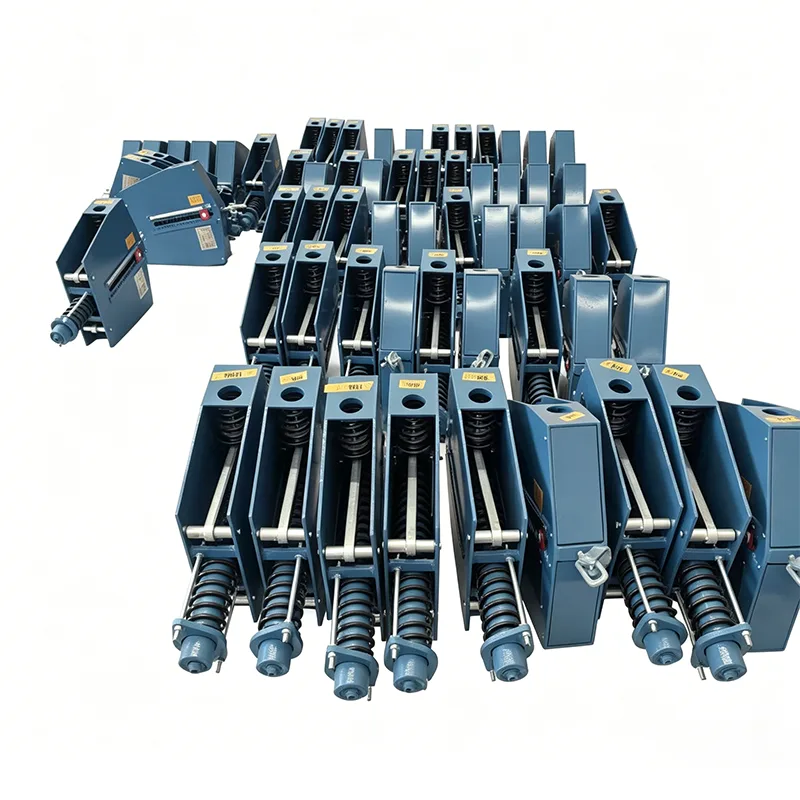
Industrial Spring Hanger

Table of Contents


1. What Is a Variable Spring Support?

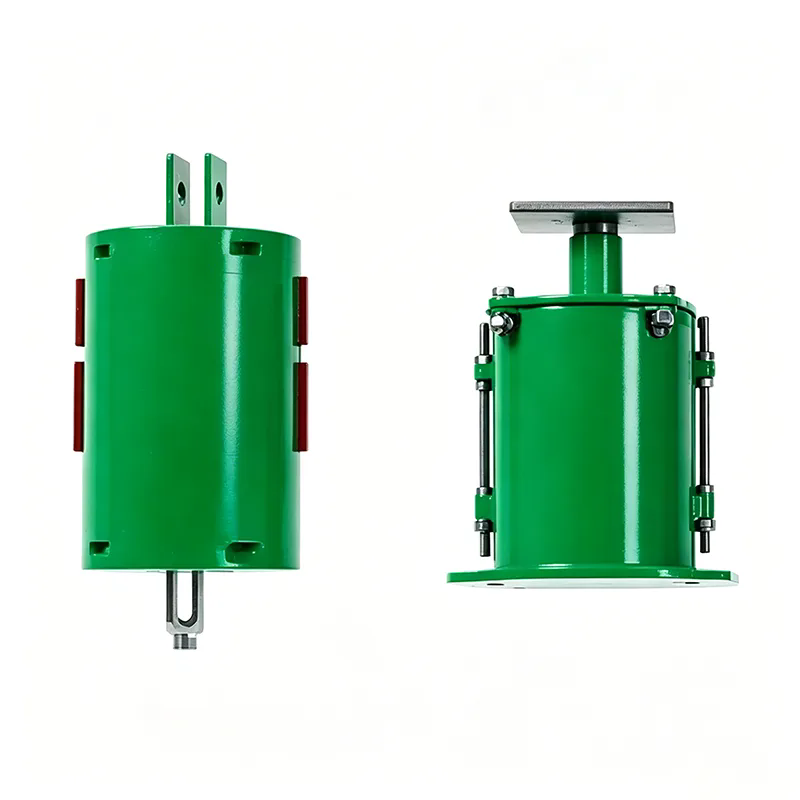
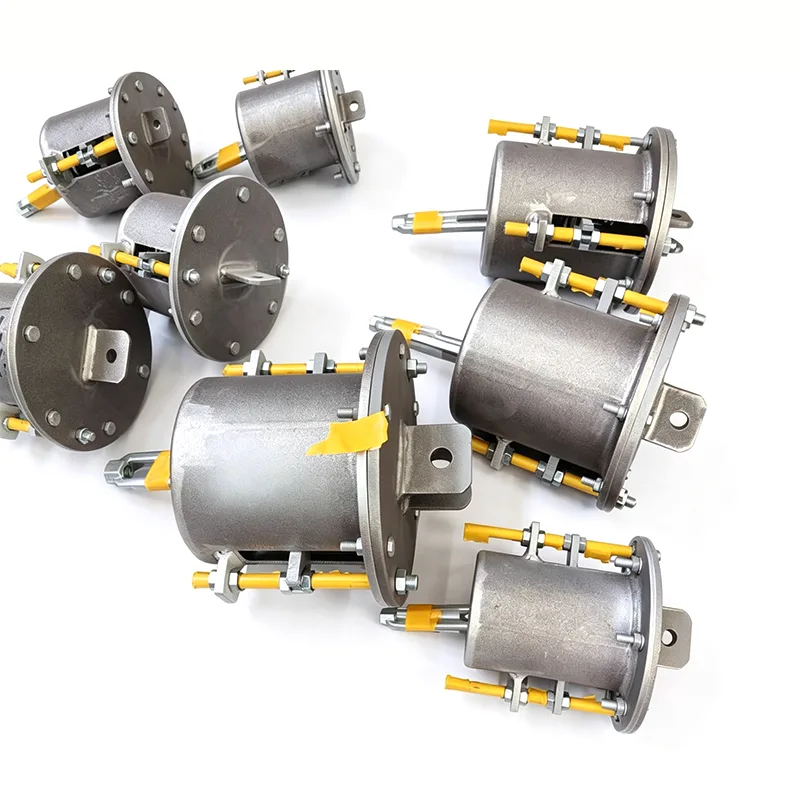
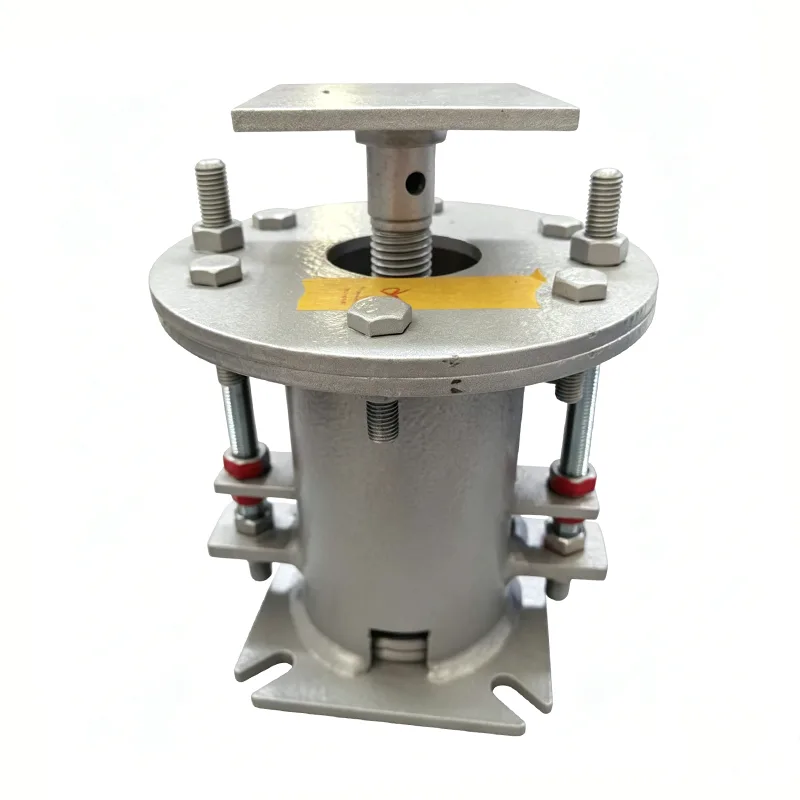
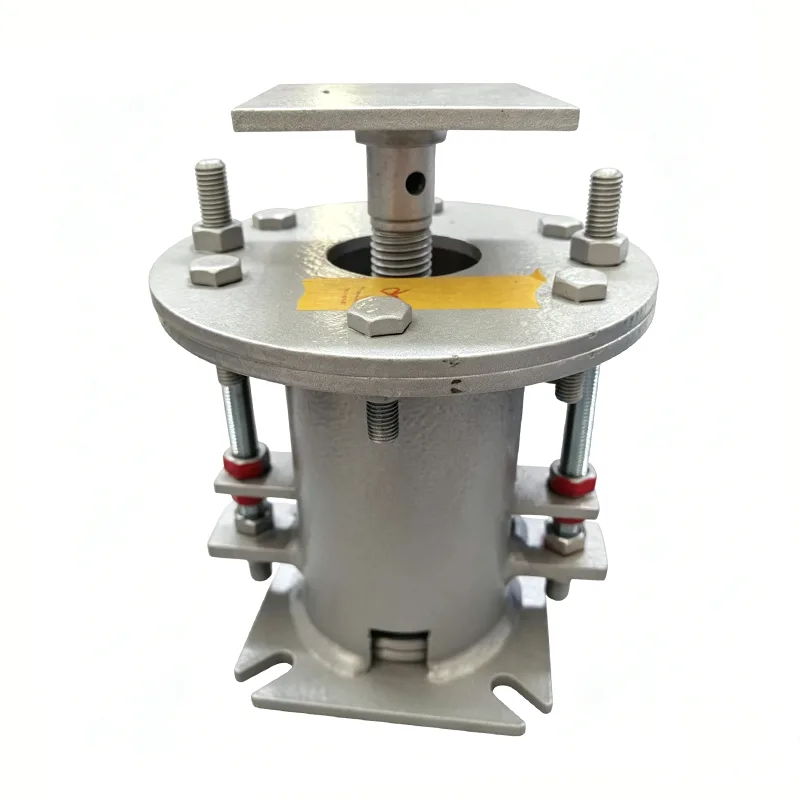
A Variable Spring Support is a pipe-support assembly that uses a coil spring to support a section of piping while allowing controlled vertical movement. It is commonly installed where the pipe cannot remain at a fixed elevation because operating temperatures cause the line to expand or contract.

In a conventional rigid support, the supporting point remains essentially fixed. This can become problematic when a hot pipe expands. The pipe may attempt to move upward or downward, while the rigid support resists that movement. The resulting interaction can increase loads transferred to the pipe, connected equipment, nozzles, structural members, and other support points.

A variable spring mechanism provides a more flexible solution. As the supported pipe moves vertically, the spring compresses or extends. Its supporting force therefore changes according to the spring's load-deflection characteristics.

The objective is not to eliminate movement. Instead, the objective is to support the pipe while allowing the calculated movement to occur in a controlled manner.

Tianshun manufactures Variable Spring Supports for industrial piping applications and can provide configurations based on load, travel, installation space, connection requirements, environmental conditions, and project specifications.


2. How Does a Variable Spring Support Work?

The operating principle is based on the relationship between spring load and vertical displacement. When the pipe is cold, the support has a specified initial or cold load. When the system reaches its operating temperature, the pipe may move vertically, changing the spring's compression and therefore its supporting force.

For example, a steam line may rise as it heats up. If a Variable Spring Support is positioned beneath that line, the spring can compress as the pipe moves upward. The support continues carrying the pipe's weight, but the force at the support changes as the spring travels through its operating range.

This behavior can be represented conceptually by:

Spring Load Change = Spring Rate × Vertical Movement

The actual selection must consider the complete piping stress analysis rather than relying on a simple calculation alone. The spring rate, hot load, cold load, available travel, movement direction, and allowable load variation all need to be evaluated together.

For many industrial systems, a controlled variation in support load is acceptable. In these situations, a variable spring design can provide an economical and technically appropriate alternative to a constant spring support.


3. Why Are Variable Spring Supports Needed in Industrial Piping?

Industrial piping is rarely static. Temperature changes, pressure changes, start-up and shutdown cycles, fluid conditions, and process variations can all influence pipe position and support loads.

Without an appropriate flexible support arrangement, excessive restraint can contribute to several problems:

  • Higher secondary stresses in piping.
  • Excessive loads on equipment nozzles.
  • Unexpected support reactions.
  • Distortion around pipe connections.
  • Increased vibration or movement at vulnerable locations.
  • Difficulty maintaining the intended pipe elevation.
  • Additional stress on structural support members.
  • Commissioning problems caused by incorrect support settings.

A Variable Spring Support addresses part of this challenge by providing a supporting force that changes as the pipe moves.

This is especially important around long hot lines, vertical risers, equipment connections, steam systems, exhaust piping, process lines, and other locations where vertical thermal displacement cannot be accommodated effectively by rigid supports.


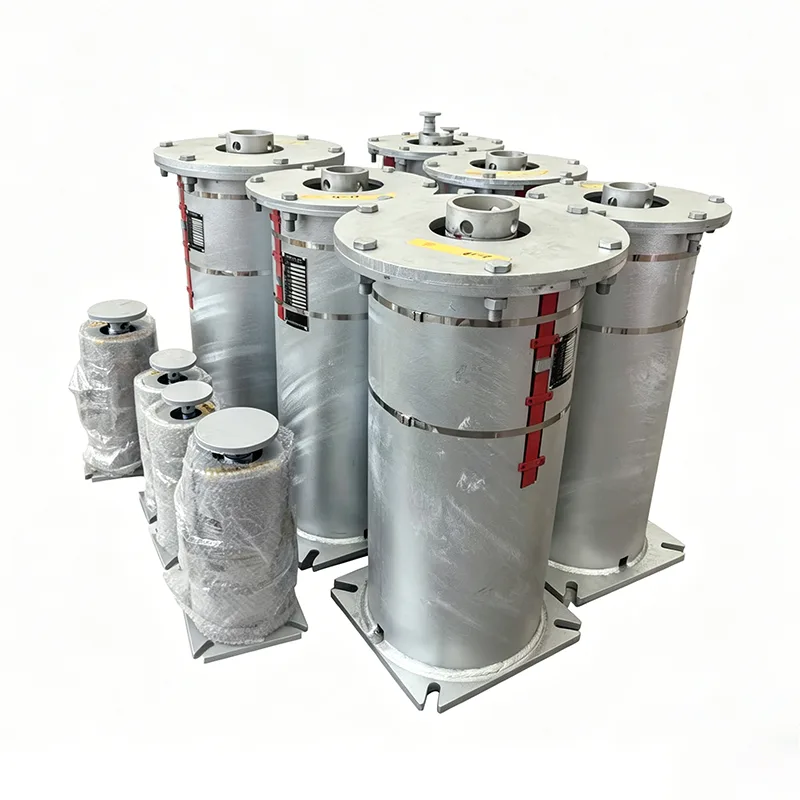
4. What Are the Main Components of a Variable Spring Support?

Although the exact construction varies according to the configuration, a typical Variable Spring Support contains several essential elements.

Component Typical Material Primary Function
Coil Spring Spring steel Generates the controlled supporting force and accommodates vertical travel.
Spring Housing Carbon steel or specified alloy Protects and guides the spring assembly.
Load Plate Carbon or forged steel Transfers the supported load into the spring mechanism.
Travel Indicator Stainless steel or corrosion-resistant material Shows the spring position and helps verify operating movement.
Connection Assembly Carbon steel or specified material Connects the spring support to the pipe, structure, or foundation.
Adjustment Components Steel Allow the support to be set to the required load and installation position.

The spring itself is particularly important. Its material, heat treatment, manufacturing accuracy, presetting, and load testing directly affect the reliability of the finished support.

Tianshun uses spring materials such as 60Si2MnA or 50CrVA for applicable designs and can configure the housing and connection components according to the operating environment and project requirements.


5. How Should a Variable Spring Support Be Selected?

Correct selection starts with accurate engineering data. Choosing a support simply according to pipe diameter is not sufficient because the spring support primarily responds to load and movement rather than pipe size alone.

Important selection parameters include:

  1. Operating or hot load: The load carried by the support during normal operating conditions.
  2. Cold load: The load or setting associated with the installation condition.
  3. Vertical movement: The expected displacement and its direction.
  4. Spring rate: The relationship between movement and supporting-force variation.
  5. Allowable load variation: The maximum change in supporting force permitted by the piping analysis.
  6. Available installation space: Housing diameter and height must fit the actual structure.
  7. Connection arrangement: The support may require a particular top, bottom, threaded, or flanged connection.
  8. Operating environment: Temperature, humidity, corrosive atmosphere, outdoor exposure, and other site conditions can affect material and coating selection.
Parameter Example Range / Consideration Why It Matters
Operating Load Approximately 0.2–400 kN depending on model Determines the appropriate spring capacity.
Vertical Travel Common options include 30, 60, 90, 120 and 180 mm Must accommodate calculated pipe displacement.
Movement Direction Upward or downward Influences installation and spring selection.
Load Variation Project-dependent; commonly controlled within a specified percentage Determines whether a variable or constant spring solution is suitable.
Housing Material Carbon steel or customized material Must withstand mechanical and environmental conditions.

The safest approach is to select the support from the pipe stress analysis and support drawing. Tianshun can review hot-load, cold-load, movement, and dimensional information before recommending a suitable spring series.


6. Variable Spring Support vs. Constant Spring Support

Variable and constant spring supports solve related but different engineering problems. The main distinction is how much the supporting force changes as the pipe moves.

Feature Variable Spring Support Constant Spring Support
Supporting Force Changes with vertical travel Designed to remain approximately constant
Typical Application Moderate thermal movement and acceptable load variation Critical locations requiring very low load variation
Construction Relatively simple spring mechanism More complex mechanical arrangement
Cost Generally more economical Generally higher
Maintenance Consideration Usually straightforward Requires attention to its more complex mechanism

The decision should always be based on engineering requirements. A constant spring should not automatically be considered superior. Where the calculated support-load variation is acceptable, a Variable Spring Support can provide the required movement capability without unnecessary complexity.


7. Where Are Variable Spring Supports Used?

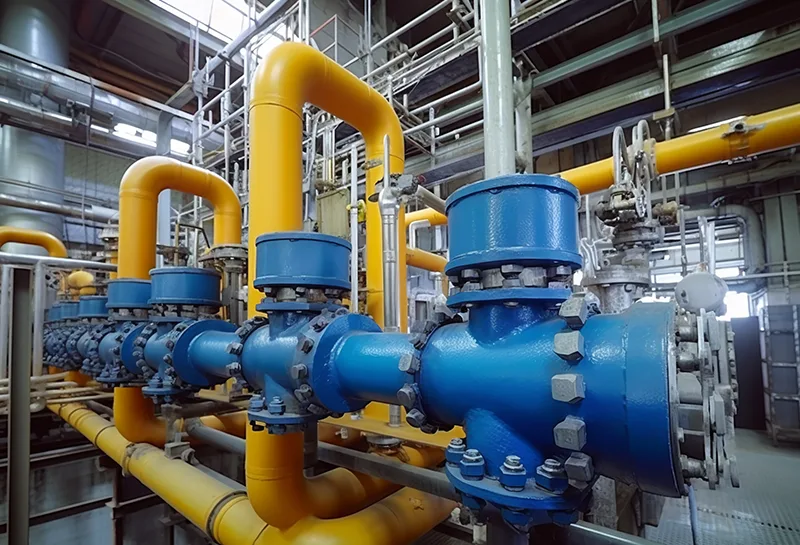
Variable Spring Supports are widely used in industrial facilities where piping experiences significant vertical displacement.

  • Thermal power plants: Steam, feedwater, boiler, and auxiliary piping.
  • Combined-cycle power plants: High-temperature and high-pressure piping systems.
  • Refineries: Process lines, utility systems, and equipment-connected piping.
  • Petrochemical plants: Hot process piping and complex pipe racks.
  • Chemical plants: Lines exposed to temperature changes and corrosive atmospheres.
  • LNG facilities: Piping systems requiring carefully controlled movement and support.
  • Steel mills: High-temperature process and utility piping.
  • Industrial utility systems: Steam, condensate, cooling water, and other service lines.

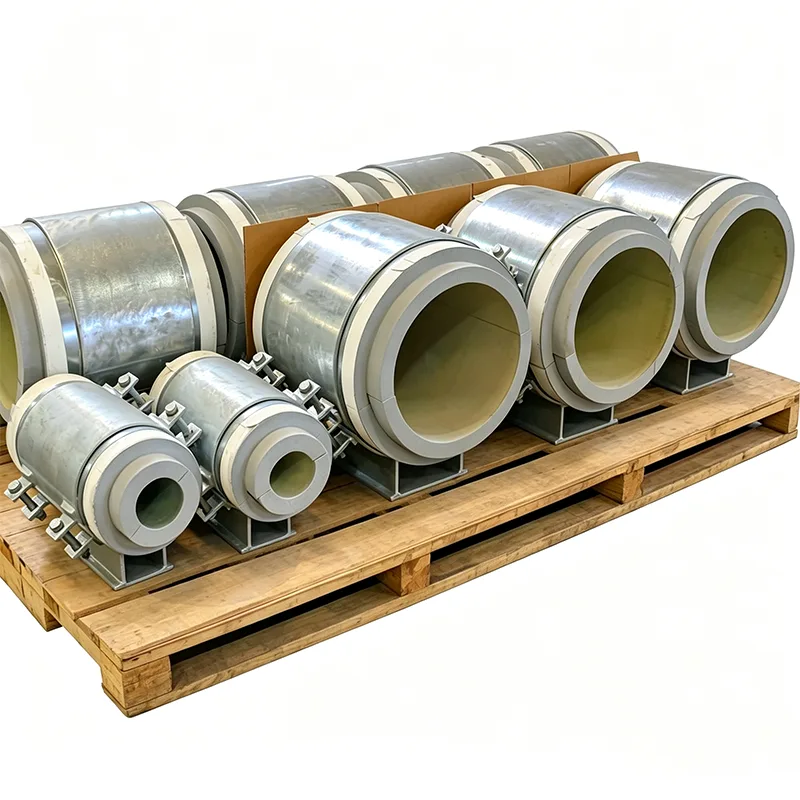
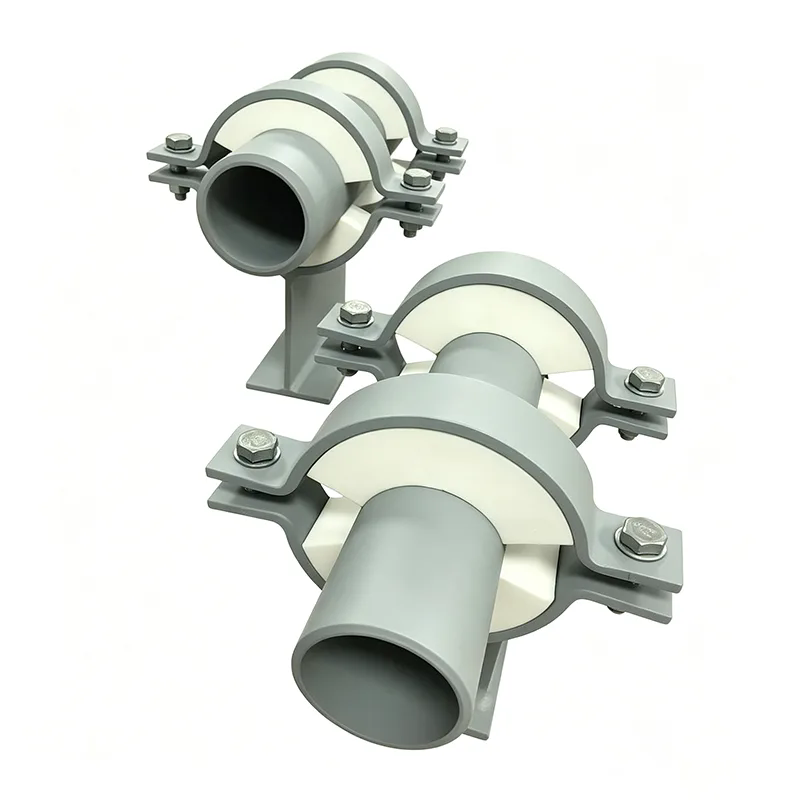
For cold or insulated piping, the spring support may also be integrated into a broader support arrangement designed to protect insulation and maintain the required thermal performance.


8. What Should Be Checked During Installation?

Even a properly manufactured Variable Spring Support can perform poorly if it is installed or adjusted incorrectly. Installation should therefore be treated as an engineering-controlled activity rather than simply a mechanical mounting task.

Before installation, verify:

  • The support model and tag number match the approved drawing.
  • The spring size corresponds to the specified load range.
  • The cold setting is correct.
  • The travel direction matches the piping movement.
  • The support has sufficient clearance throughout its operating travel.
  • Structural attachments can withstand the calculated loads.
  • Temporary shipping locks or restraints are handled according to the manufacturer's instructions.
  • The travel indicator is visible and correctly positioned.

One frequent field problem is insufficient clearance. A support may fit when the pipe is cold but interfere with nearby steelwork after thermal movement occurs. Checking the complete movement envelope before installation can prevent expensive site modifications.

Outdoor installations also require appropriate corrosion protection. Depending on the environment, painted carbon steel, hot-dip galvanized components, stainless steel hardware, or specialized coating systems may be considered.


9. How Does Quality Control Affect Performance?

A spring support is a load-bearing mechanical component. Manufacturing consistency therefore matters because small differences in spring characteristics or assembly settings can influence the actual support reaction.

A reliable manufacturing process should include:

  1. Incoming material verification.
  2. Spring material and dimensional inspection.
  3. Controlled heat treatment where required.
  4. Spring presetting and stabilization.
  5. Dimensional inspection of fabricated components.
  6. Assembly verification.
  7. Cold-load setting.
  8. Full-travel load testing.
  9. Travel indicator verification.
  10. Final documentation and traceability.

Tianshun states that its Variable Spring Supports are load tested before shipment, with testing covering specified load conditions and spring travel. Test documentation can be supplied for applicable orders, while third-party inspection can also be arranged when required by the project.

For export projects, customers should clarify required material certificates, inspection plans, coating requirements, dimensional tolerances, and applicable standards before production begins.


10. What Custom Options Are Available?

Industrial piping rarely follows a single universal configuration. Even when the spring mechanism is standardized, the surrounding installation may require modifications.

Depending on the project, customization can include:

  • Non-standard vertical travel.
  • Special housing height or diameter.
  • Customized connection dimensions.
  • Different mounting configurations.
  • Corrosion-resistant hardware.
  • Special protective coatings.
  • Stainless steel components for aggressive environments.
  • Heavy-duty or dual-spring arrangements.
  • Customized travel indicators.
  • Additional lifting or mounting features.

Tianshun can work from engineering drawings, support schedules, pipe stress data, or customer specifications. Providing accurate information at the quotation stage helps avoid dimensional conflicts and late-stage changes during fabrication or installation.


11. What Benefits Can Tianshun Provide?

For industrial buyers, the value of a Variable Spring Support extends beyond the spring itself. Correct selection, manufacturing control, documentation, and delivery coordination all affect the final project result.

Tianshun focuses on industrial piping support products and provides both standardized and customized Variable Spring Support solutions. Its product range includes different spring support configurations and load capacities intended for diverse piping arrangements.

Key advantages of working with an experienced manufacturer include:

  • Engineering-based selection: Support selection can be based on actual load and movement data rather than pipe diameter alone.
  • Flexible configurations: Different installation arrangements can be accommodated according to project requirements.
  • Factory production: Manufacturing and testing are performed under controlled production procedures.
  • Load testing: Finished supports can be checked against specified load and travel conditions.
  • Customization: Special dimensions, materials, coatings, and connection details can be considered.
  • Project support: Technical information can be reviewed before manufacturing to reduce installation risks.

When requesting a quotation from Tianshun, customers can improve selection accuracy by providing the support tag, operating load, cold load, vertical movement, movement direction, installation elevation, required standard, connection type, environmental conditions, and available space.


12. Frequently Asked Questions

What is the main purpose of a Variable Spring Support?

Its primary purpose is to support a pipe while allowing controlled vertical movement. The spring accommodates thermal displacement while the supporting force changes within the specified operating range.

When should a Variable Spring Support be used?

It is generally suitable when the piping system experiences vertical movement and the resulting change in support load is acceptable according to the piping stress analysis. Critical locations with extremely restrictive load variation may require a constant spring arrangement instead.

What information is needed to select a Variable Spring Support?

The most useful information includes hot load, cold load, vertical travel, movement direction, support location, installation dimensions, connection arrangement, operating temperature, and applicable project standards.

Can Tianshun manufacture customized Variable Spring Supports?

Yes. Tianshun provides customized configurations for requirements such as special travel, housing dimensions, connection arrangements, materials, coatings, and installation conditions.

What is the difference between a variable spring hanger and a Variable Spring Support?

The spring mechanism performs the same basic function, but the installation arrangement differs. A spring hanger is commonly suspended from an overhead structure, while a spring support may be arranged beneath or alongside the pipe depending on the design.

How is the spring support tested?

Testing can include checking the specified load at cold and operating positions, verifying travel, confirming the spring setting, and inspecting the finished assembly. The exact inspection procedure depends on the project specification and purchase requirements.

Can Variable Spring Supports be used outdoors?

Yes. Outdoor applications require appropriate consideration of corrosion protection, coating systems, drainage, environmental exposure, and hardware selection. Tianshun can provide suitable surface-treatment options for different operating environments.

Can a Variable Spring Support replace a rigid pipe support?

Not automatically. The support type must be determined from the piping layout and stress analysis. A variable spring is appropriate where controlled vertical flexibility is required; rigid supports remain suitable where movement is not required or where restraint is part of the design.


13. Conclusion

A Variable Spring Support provides a practical way to manage vertical thermal movement while maintaining reliable pipe support. By allowing the spring to change its compression or extension as the pipe moves, it can reduce the undesirable effects that may occur when thermally active piping is excessively restrained.

However, successful application depends on more than selecting a spring with an appropriate load rating. Hot and cold loads, vertical travel, movement direction, allowable load variation, installation clearance, environmental exposure, connection configuration, manufacturing quality, and testing requirements should all be considered.

For power generation, petrochemical, chemical processing, LNG, refinery, steel, and other industrial piping systems, the right support design can help improve mechanical stability and simplify installation and maintenance.

Tianshun provides Variable Spring Support solutions for standard and customized industrial applications. If you have a pipe support drawing, spring schedule, load data, or a special installation requirement, send the project details to the Tianshun team for technical evaluation and a suitable configuration. Contact us today to discuss your Variable Spring Support requirements and obtain a practical solution for your piping project.

Related News
Leave me a message
X
We use cookies to offer you a better browsing experience, analyze site traffic and personalize content. By using this site, you agree to our use of cookies.Privacy Policy
RejectAccept