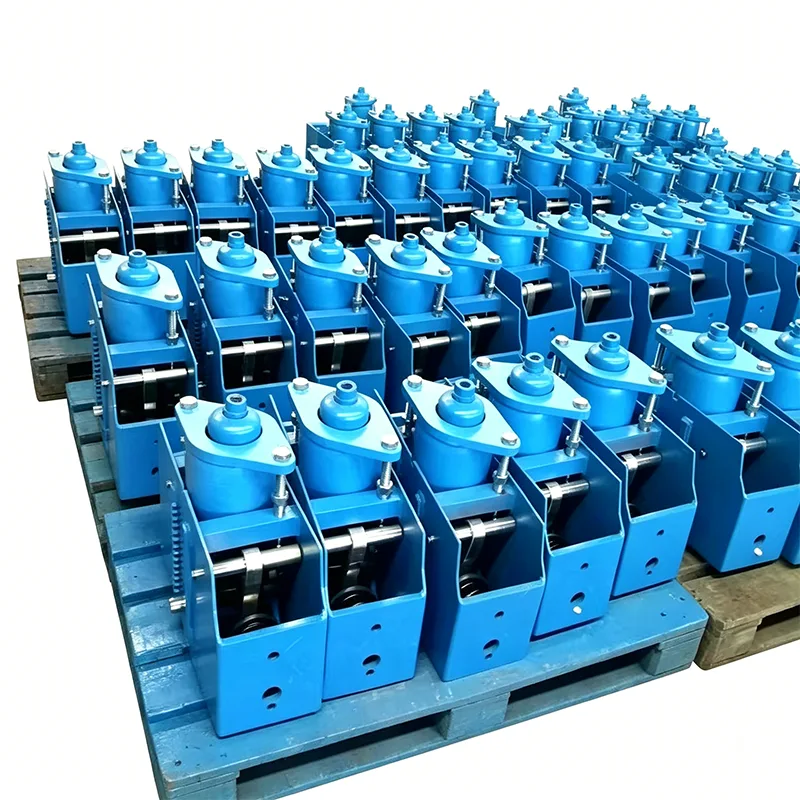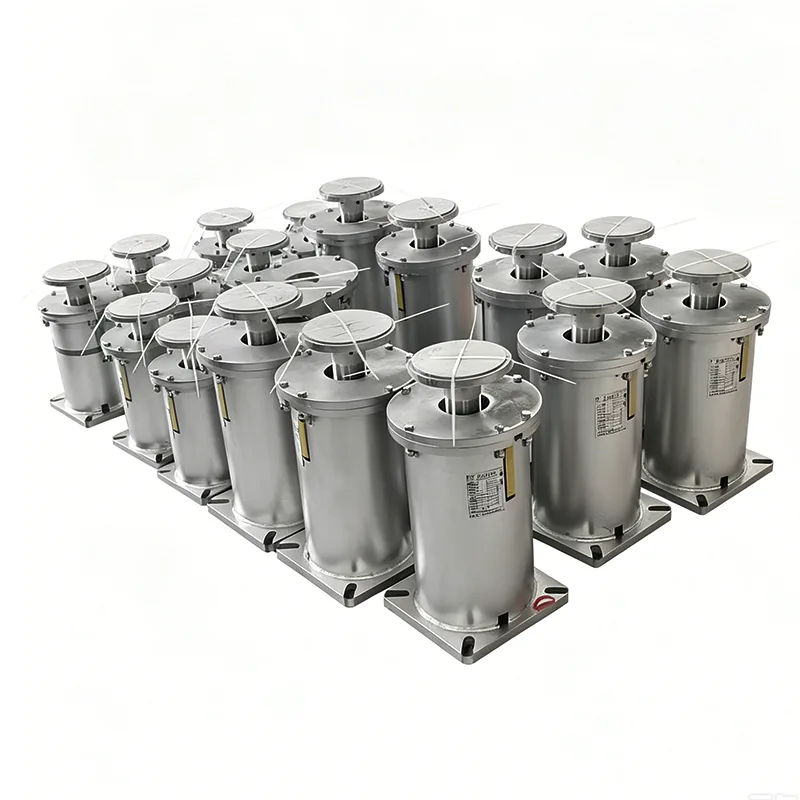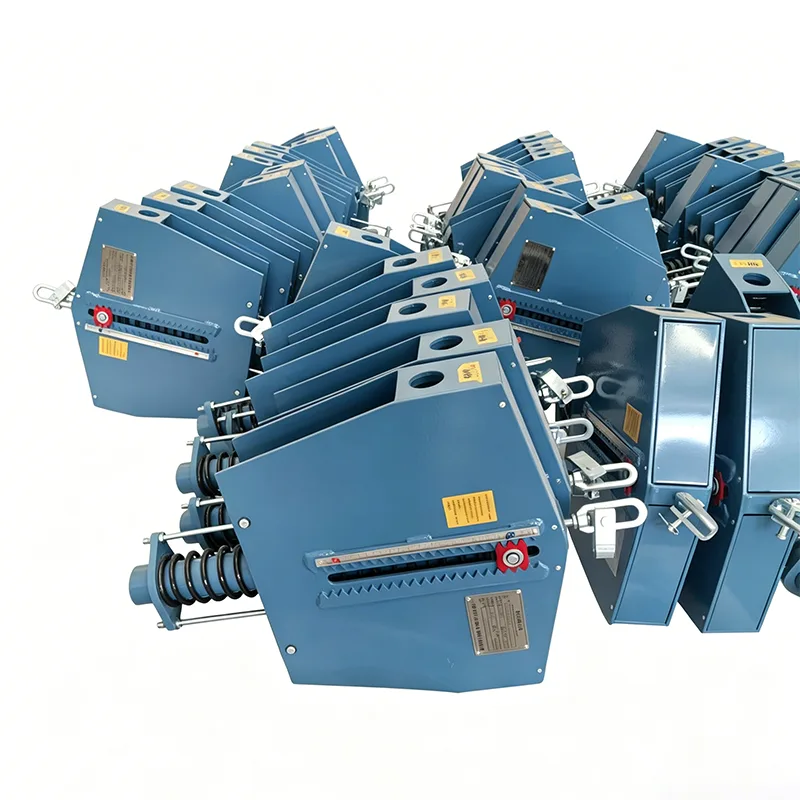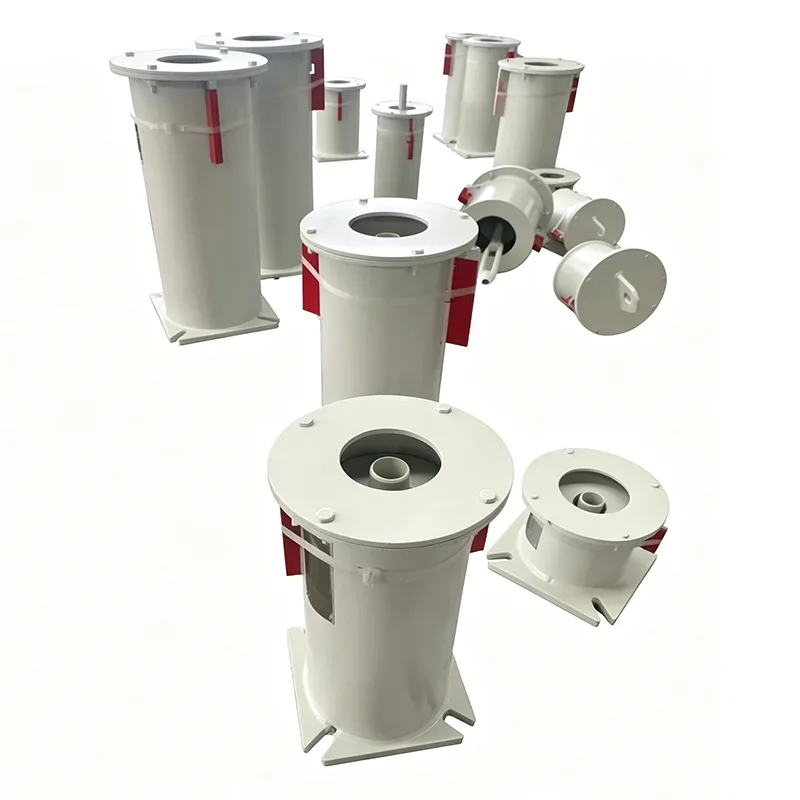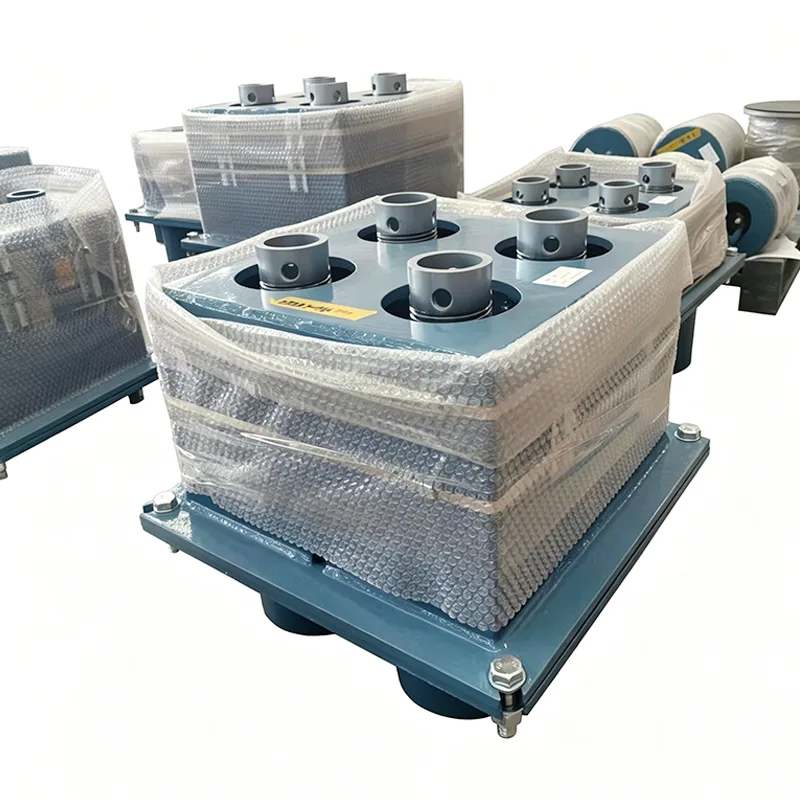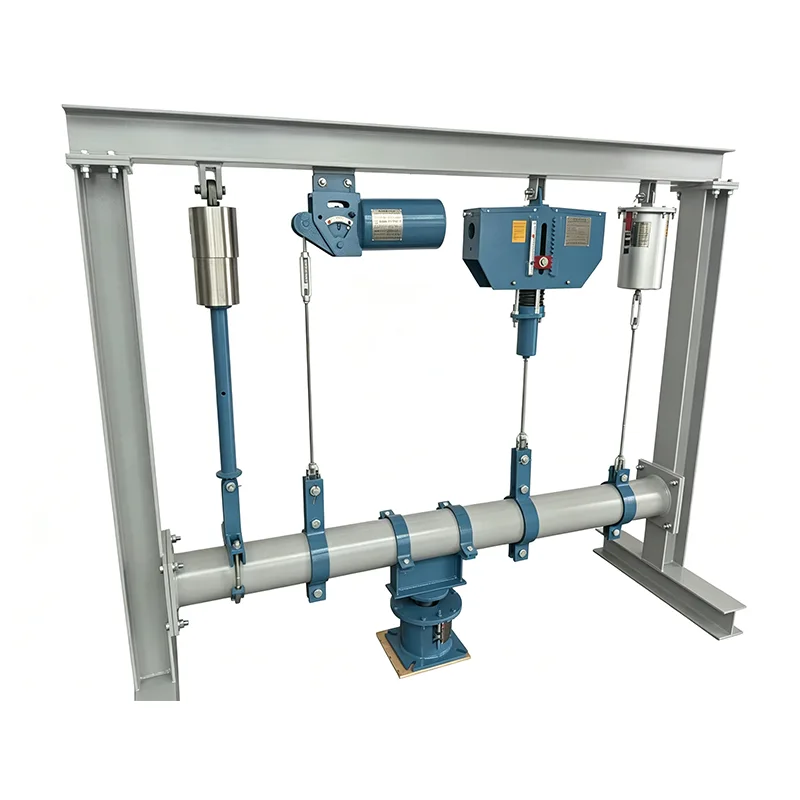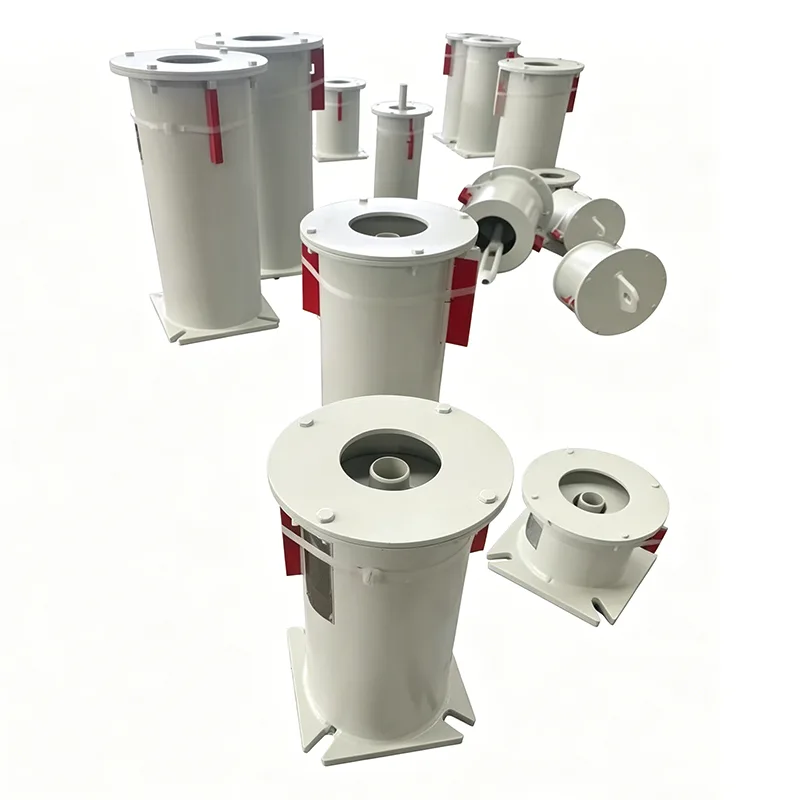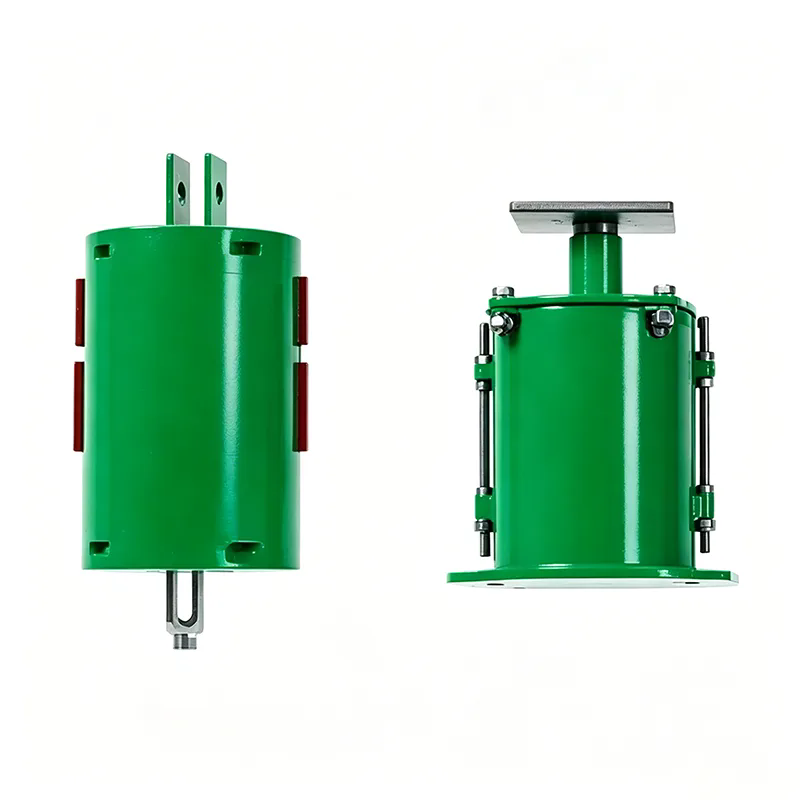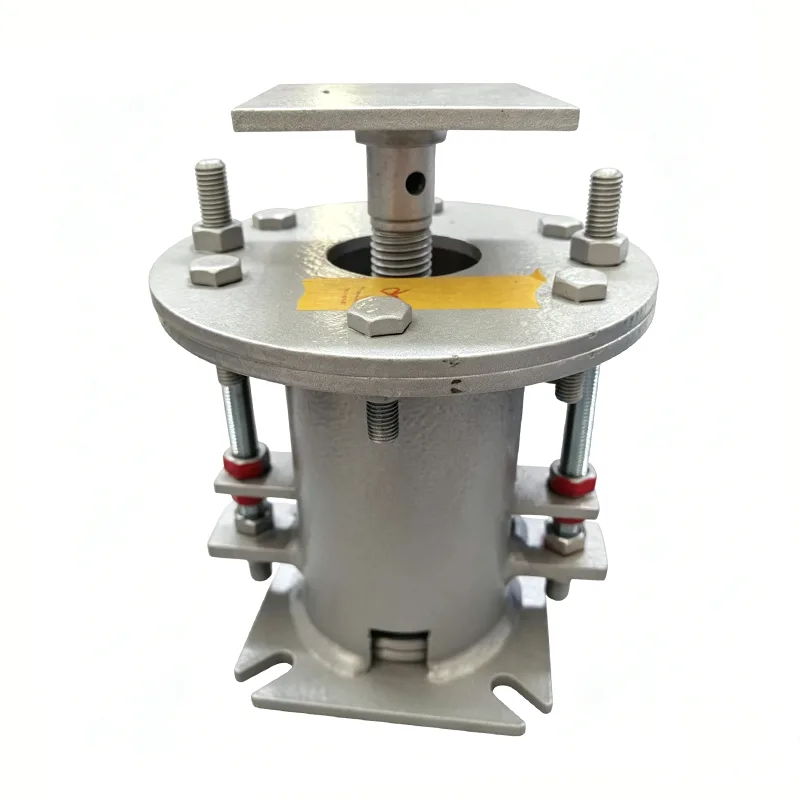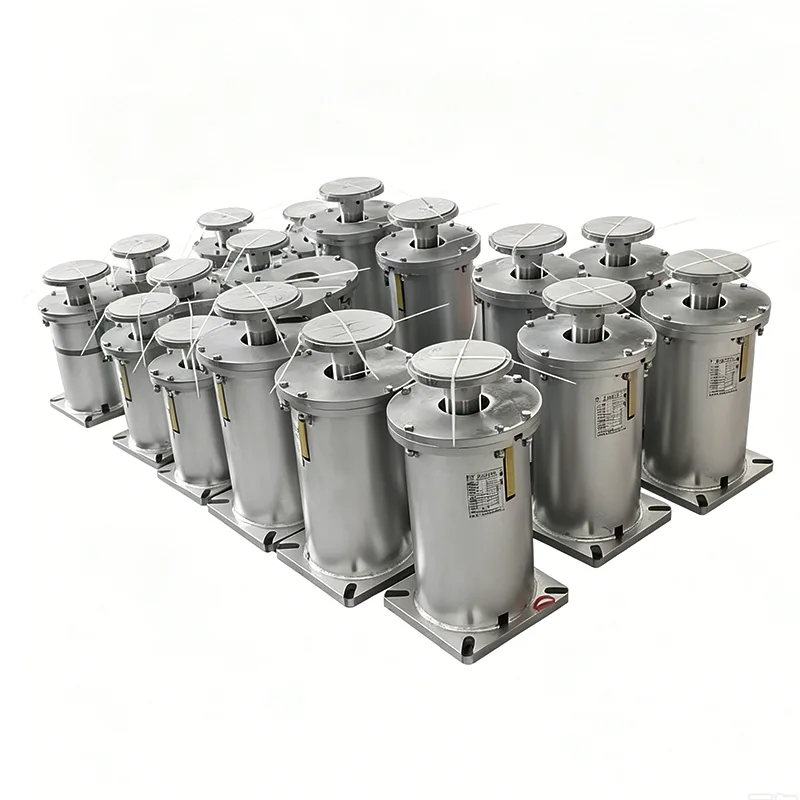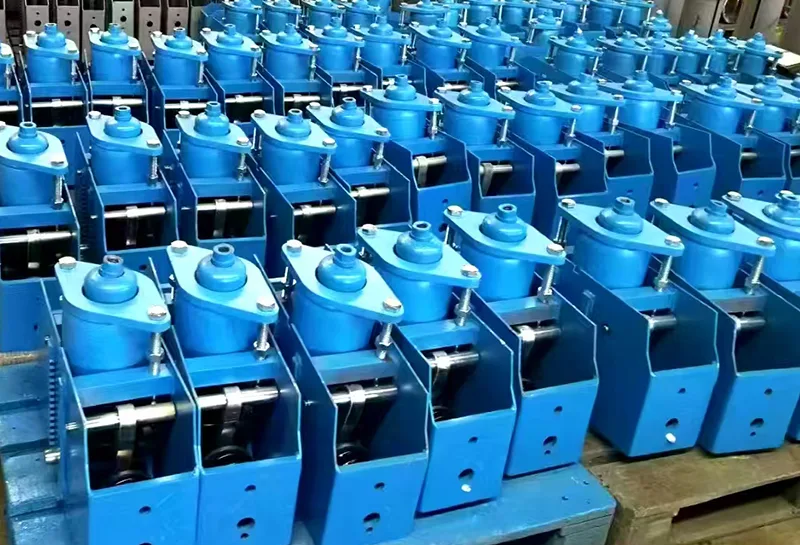

For high-temperature pipelines with substantial vertical movement, selecting the right support can directly affect equipment safety and service life. Tianshui provides the High Capacity Constant Spring Hanger for demanding industrial piping applications, with load capacities up to 500 kN, travel up to 600 mm, and controlled load deviation for stable support during thermal expansion and contraction.
A constant spring hanger is designed to maintain a nearly consistent supporting force while a pipeline moves vertically. This characteristic is especially important in thermal power plants, refineries, chemical processing facilities, and other installations where large thermal displacement can occur. Compared with conventional variable spring supports, a high-capacity constant design helps reduce unwanted load transfer to pipes, equipment nozzles, flanges, and adjacent supports. This guide explains how the system works, its major technical characteristics, application areas, selection considerations, and quality requirements.
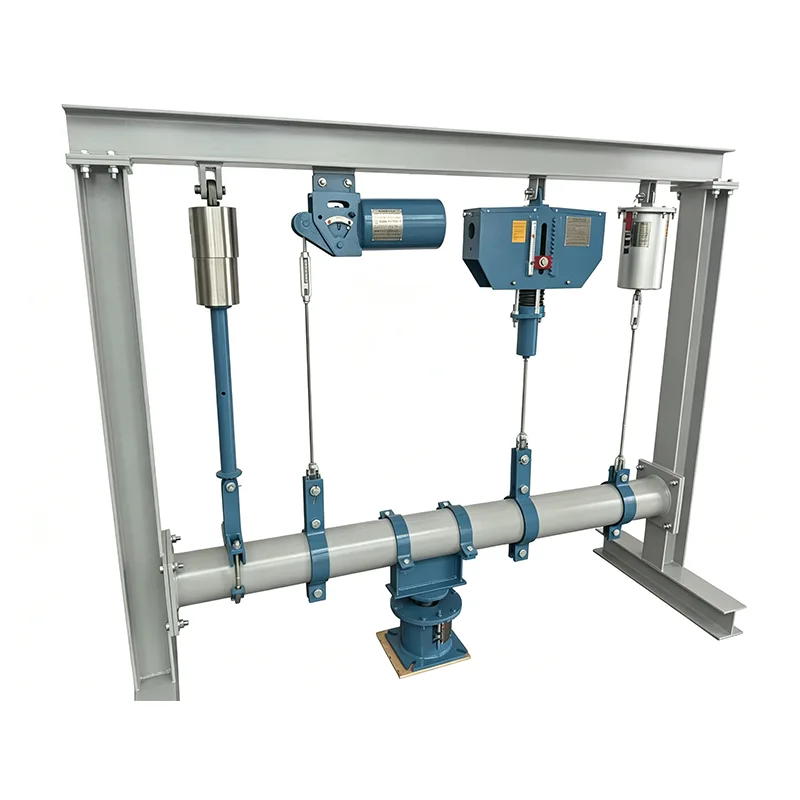
Table of Contents
1. What Is a High Capacity Constant Spring Hanger?
2. How Does a Constant Spring Hanger Work?
3. Key Technical Specifications
4. What Are the Main Benefits?
6. How Should You Select the Right Model?
7. Quality Control and Testing
What Is a High Capacity Constant Spring Hanger?
A High Capacity Constant Spring Hanger is a mechanical pipe support designed to carry heavy vertical loads while allowing significant pipeline movement with minimal variation in supporting force. It is particularly suitable for piping systems exposed to thermal expansion and contraction.
When a high-temperature pipeline heats up, its length and position can change considerably. If the support force changes substantially during this movement, additional stress may be transferred to the pipe and connected equipment. A constant spring mechanism is engineered to compensate for this movement and maintain a relatively stable supporting load throughout the operating range.
Modern constant spring hangers typically combine a heavy-duty spring with a linkage, crank, or lever mechanism. The geometry of the mechanism balances spring torque and load torque as the pipeline moves, allowing the support to maintain a near-constant output force.
For projects involving very heavy pipelines or large vertical travel, Tianshui offers standard designs covering operating loads from 0.1 kN to 500 kN, with customized engineering available for applications exceeding the standard capacity.
How Does a Constant Spring Hanger Work?
The working principle is based on mechanical compensation. Unlike a simple variable spring, whose force changes as the spring deflects, the constant spring hanger uses a carefully designed mechanical geometry to offset this change.
As the supported pipeline moves vertically, the spring compresses or extends. At the same time, the connecting mechanism changes its position. The resulting torque relationship is designed so that the support force remains within a controlled deviation range throughout the working stroke.
This provides several practical advantages:
- Stable supporting force during thermal movement.
- Reduced additional stress on connected piping.
- Lower risk of excessive nozzle loading.
- Better accommodation of large vertical displacement.
- Improved stability for critical high-temperature pipelines.
The effectiveness of the design is normally verified through a load-displacement test. A properly calibrated unit should demonstrate a relatively flat load curve throughout its specified travel range.
Key Technical Specifications
Choosing a constant spring hanger requires more than looking at its nominal load rating. Operating load, travel, installation orientation, spring material, adjustment capability, and environmental conditions should all be considered during engineering.
| Specification | Typical Range / Option |
|---|---|
| Model / Series | PH, LH, CA, CS, TH |
| Operating Load Capacity | 0.1 kN – 500 kN |
| Standard Travel | 50 mm, 100 mm, 200 mm, 400 mm |
| Maximum Actual Travel | Up to 600 mm |
| Standard Load Deviation | Within ±5% |
| High-Precision Option | Within ±3% |
| Installation Direction | Horizontal / Vertical |
| Spring Material | 60Si2Mn / 50CrVA |
| Housing Finish | Hot-Dip Galvanized / Epoxy |
| Field Load Adjustment | Typically ±10% |
For projects outside these standard parameters, customized configurations can be engineered according to the required load, travel, installation space, connection dimensions, materials, and applicable piping standards.
What Are the Main Benefits?
1. Stable Load During Thermal Movement
The primary advantage is the ability to maintain a nearly constant support force as the pipeline moves. This is valuable for systems where changes in support load could affect sensitive equipment or create undesirable stress concentrations.
2. High Load Capacity
Heavy-duty industrial piping may impose substantial vertical loads on its support system. Standard designs can handle loads up to 500 kN, while custom-engineered solutions can be developed for higher requirements.
3. Large Vertical Travel
Thermal expansion can produce significant vertical displacement. Standard travel options include 50 mm, 100 mm, 200 mm, and 400 mm, while specially engineered designs can accommodate actual travel up to 600 mm.
4. Improved Equipment Protection
By limiting support-force variation, a constant spring arrangement can help reduce additional loads transmitted to turbine connections, vessel nozzles, flanges, and other sensitive components.
5. Convenient Installation and Adjustment
Preset pins can hold the mechanism in its specified cold position during transportation, installation, hydrotesting, and other pre-commissioning activities. After testing is complete, the pins can be removed before normal operation.
Where Is It Used?
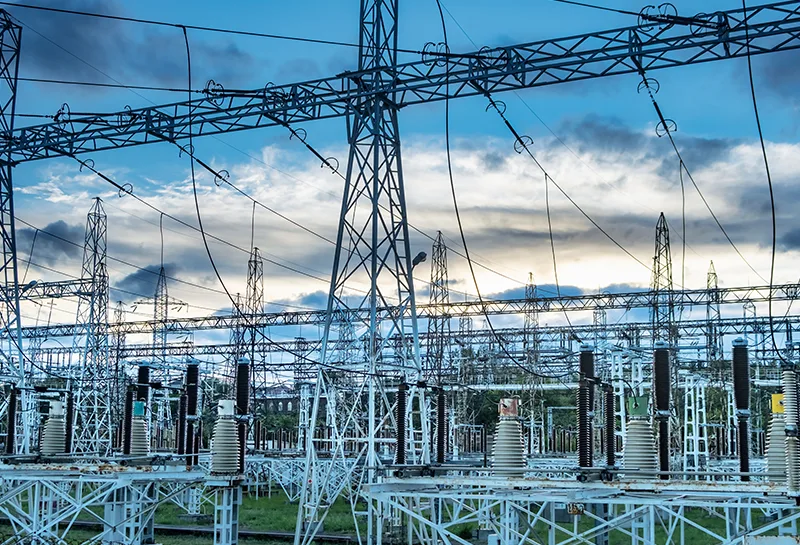
Constant spring hangers are generally selected for industrial piping systems where both heavy loads and considerable vertical movement must be accommodated. Typical applications include:
- Thermal power plants: Main steam, hot reheat, and boiler-related piping.
- Nuclear power facilities: Critical piping systems requiring controlled support loads.
- Refineries: High-temperature process and hydrocarbon piping.
- Chemical plants: Process lines exposed to thermal cycling.
- Petrochemical facilities: Large-diameter and high-temperature pipelines.
- Industrial energy systems: Steam and other high-energy pipeline networks.
For additional pipeline support solutions, engineers can also evaluate related constant spring supports, spring hangers, and pipe supports according to the layout and stress-analysis requirements.
How Should You Select the Right Model?
Correct selection should be based on engineering data rather than load capacity alone. Before purchasing a high-capacity constant spring hanger, the following parameters should be confirmed:
- Operating load: Determine the actual vertical load at the support location.
- Cold and hot positions: Identify the complete range of expected pipe movement.
- Required travel: Select a unit capable of covering the calculated displacement with sufficient operating margin.
- Installation orientation: Confirm whether a horizontal or vertical configuration is required.
- Connection dimensions: Check structural clearance, rod connection, and mounting requirements.
- Environmental conditions: Consider humidity, corrosive gases, outdoor exposure, and temperature.
- Applicable standards: Confirm the project requirements, such as MSS SP-58, ASME B31.1, ASME B31.3, EN 13480, or relevant national standards.
For replacement projects, existing nameplate information, load data, travel requirements, dimensional drawings, and connection details can help the manufacturer develop a compatible replacement unit.
Quality Control and Testing
Performance consistency is critical because the hanger becomes part of the overall piping support system. Manufacturing quality should therefore include both dimensional control and functional load testing.
Tianshui states that its constant spring hangers are preset and calibrated before shipment. The load is measured at multiple positions across the specified travel to verify that the supporting force remains within the required tolerance.
A project documentation package may include:
- Load testing and load-displacement records.
- Dimensional inspection documentation.
- Spring and structural material certificates.
- Welding and NDT documentation when required.
- Preset and installation information.
- Applicable quality and traceability records.
The product information indicates an ISO 9001:2015-certified quality system and support for multiple international piping and manufacturing standards. For projects with strict compliance requirements, buyers should confirm the exact standard, inspection scope, tolerance, and documentation requirements before placing an order.
Frequently Asked Questions
What is the difference between a constant spring hanger and a variable spring hanger?
A variable spring hanger changes its supporting force as the spring moves through its stroke. A constant spring hanger uses a mechanical compensation mechanism to keep the support force substantially more consistent throughout the specified travel. Constant designs are therefore preferred where load variation must be minimized.
What load capacity can a high-capacity constant spring hanger handle?
Standard models cover operating loads from 0.1 kN to 500 kN. Applications requiring greater loads can be evaluated as customized engineering projects based on the required load, travel, structural dimensions, and applicable standards.
Why are preset pins used?
Preset pins lock the mechanism in its specified installation position. They help prevent unwanted movement during transportation, installation, hydrotesting, and chemical cleaning. The pins should be removed before the piping system enters normal operation.
Can the hanger be customized for corrosive environments?
Yes. Depending on the operating environment, housing protection can include hot-dip galvanizing, epoxy coatings, specialized protective systems, or alternative materials. Environmental conditions should be specified during the engineering stage.
How much travel can the hanger accommodate?
Common travel configurations include 50 mm, 100 mm, 200 mm, and 400 mm. Customized solutions can provide actual travel of up to 600 mm when the piping system requires greater vertical movement.
What information should be provided when requesting a quotation?
Useful engineering information includes operating load, cold and hot positions, required travel, installation orientation, connection dimensions, applicable standards, environmental conditions, and any project-specific inspection or documentation requirements.
Conclusion: Choose Stable Support for Demanding Piping Systems
A properly engineered constant spring hanger can make a significant difference when heavy industrial piping experiences large vertical thermal displacement. By maintaining a controlled supporting force, reducing unwanted load variation, and accommodating substantial travel, this type of support can contribute to safer and more predictable piping operation. Tianshui provides high-capacity solutions covering loads up to 500 kN, with customized designs available for demanding applications. If you are selecting supports for a power plant, refinery, chemical facility, or other high-temperature piping project, contact us with your load and travel requirements to receive a suitable technical recommendation and quotation.