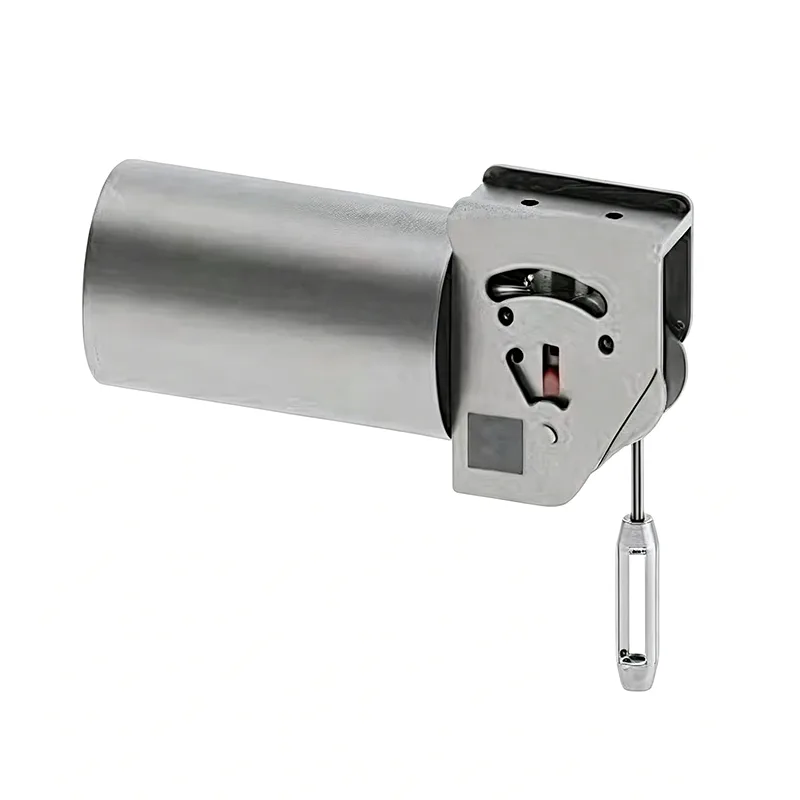
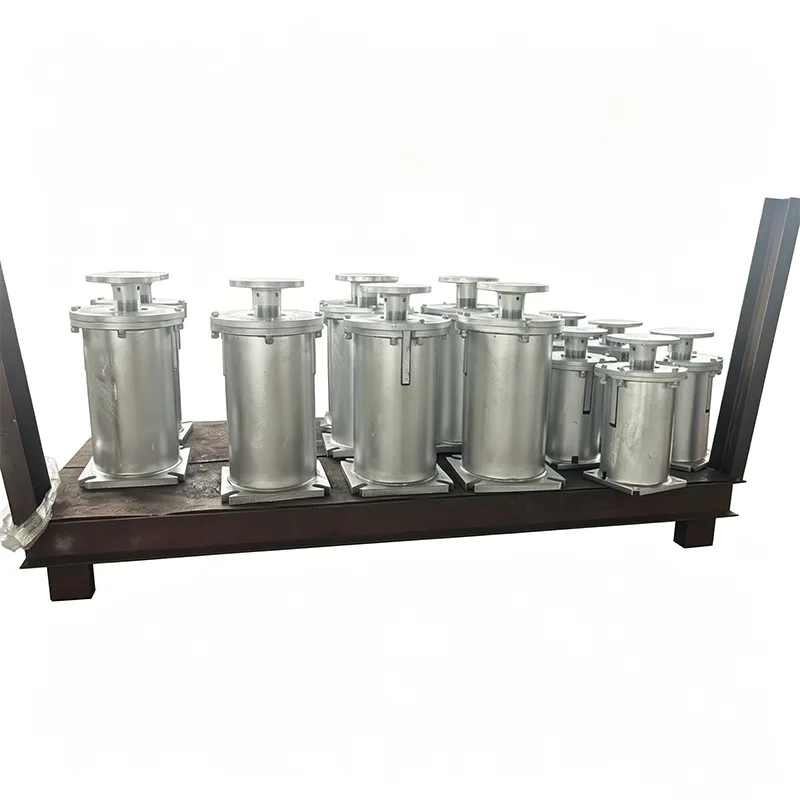
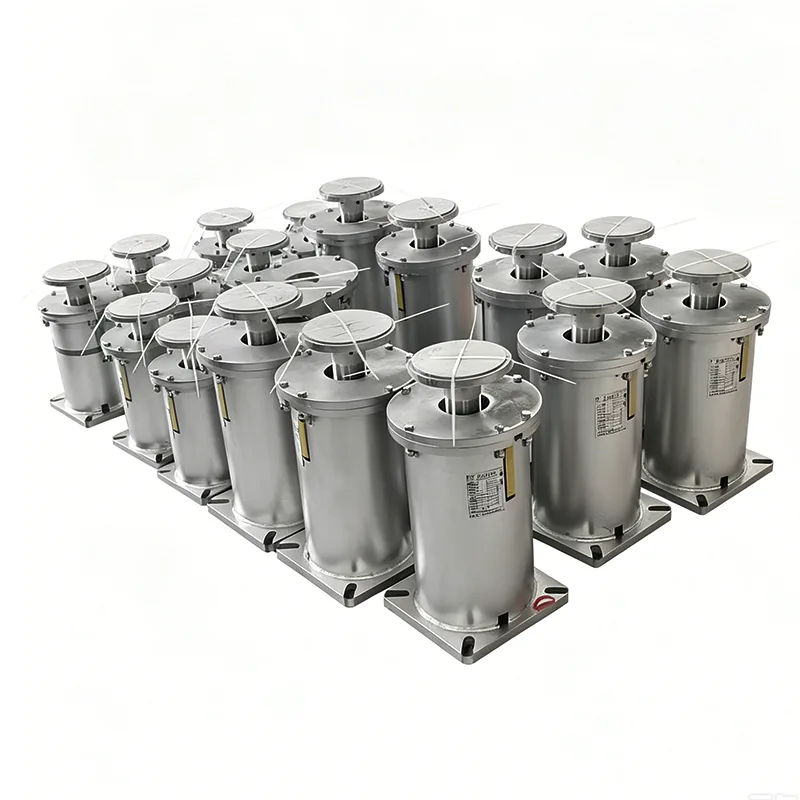
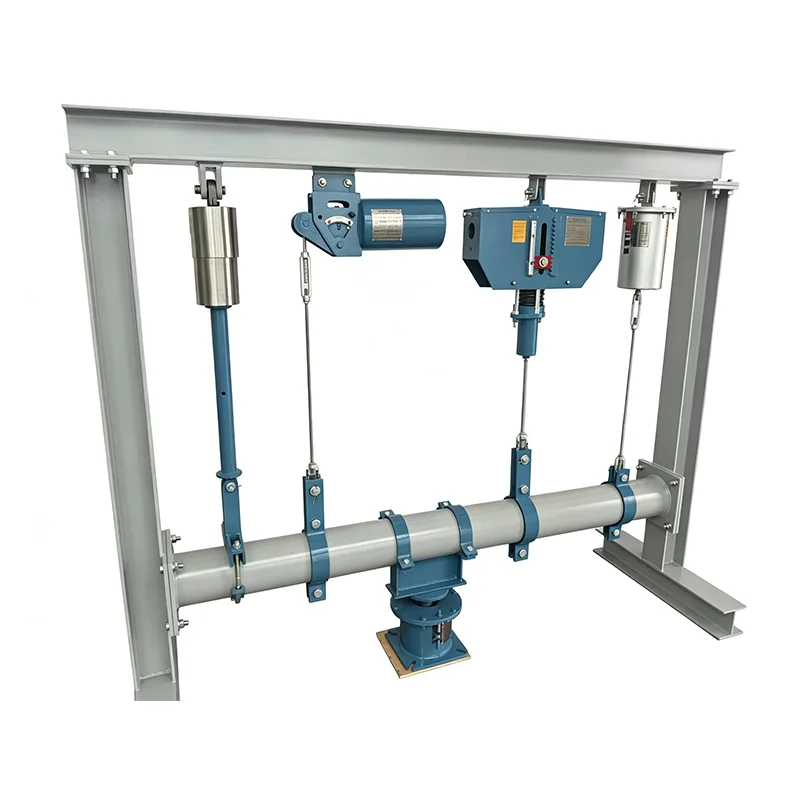
Oil and Gas Variable Spring Support
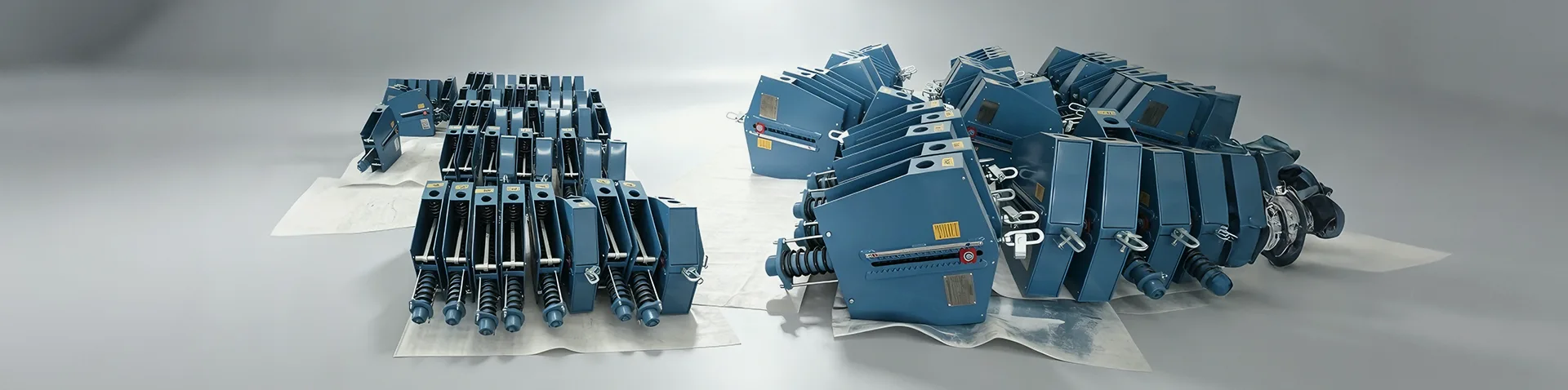
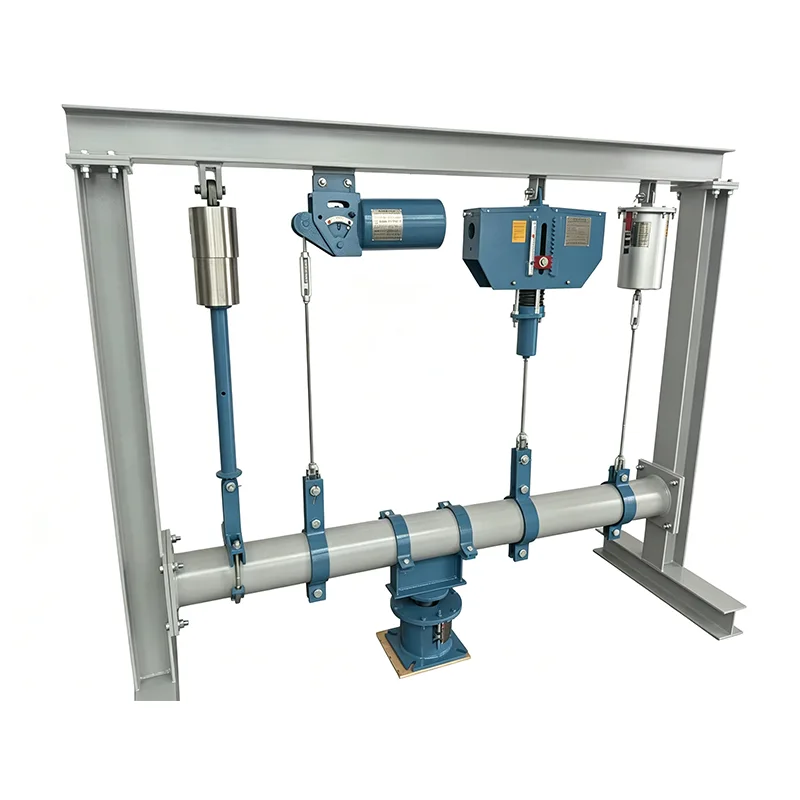
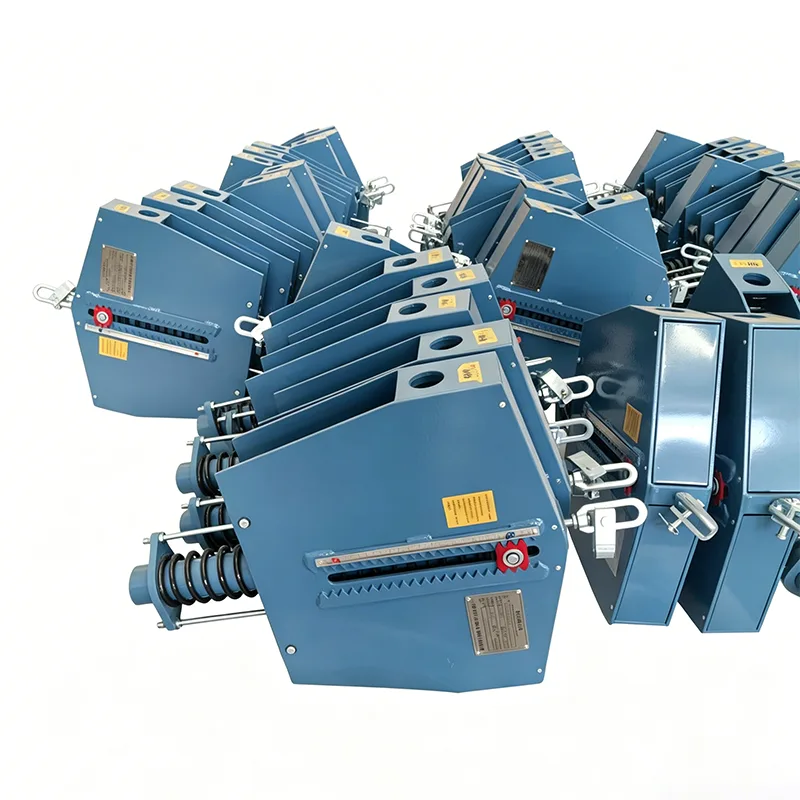
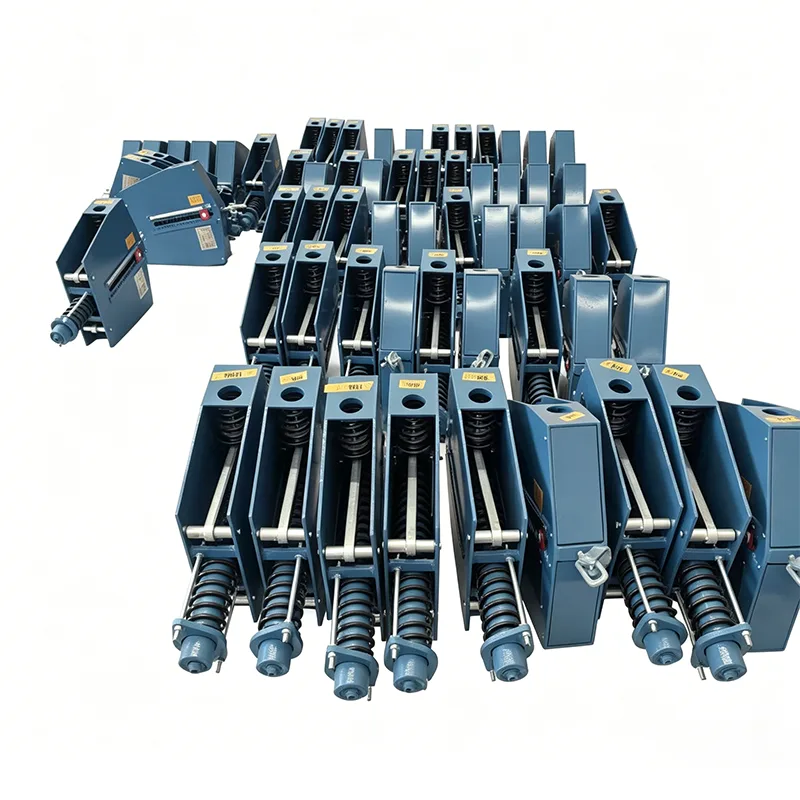
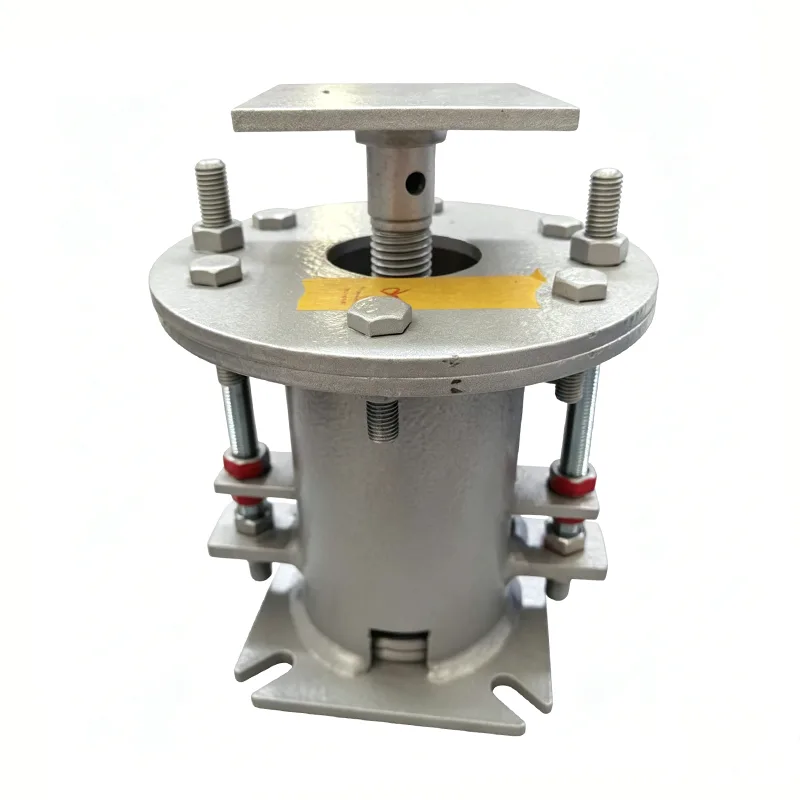
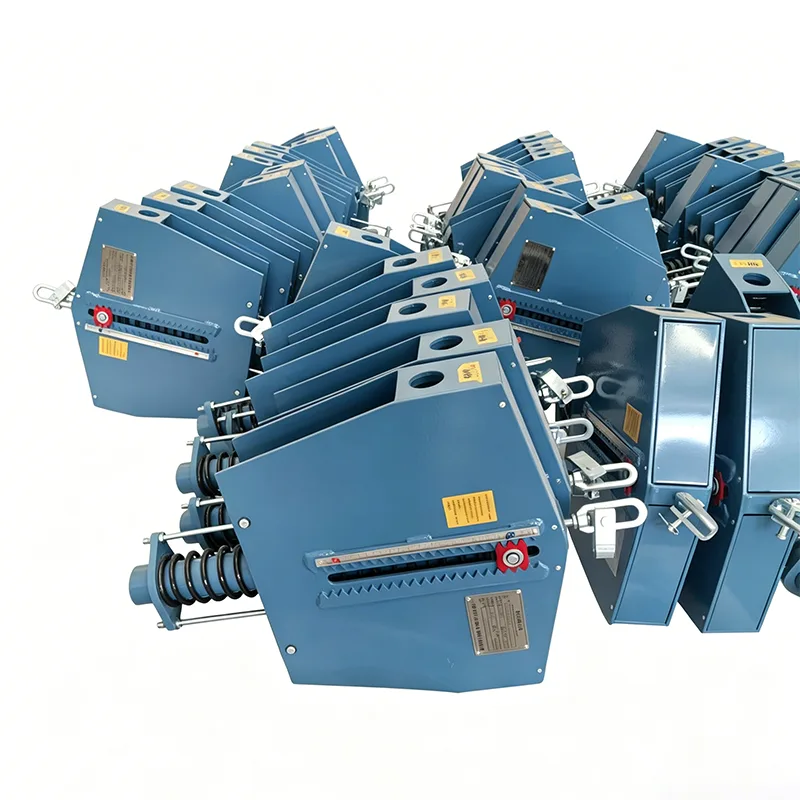
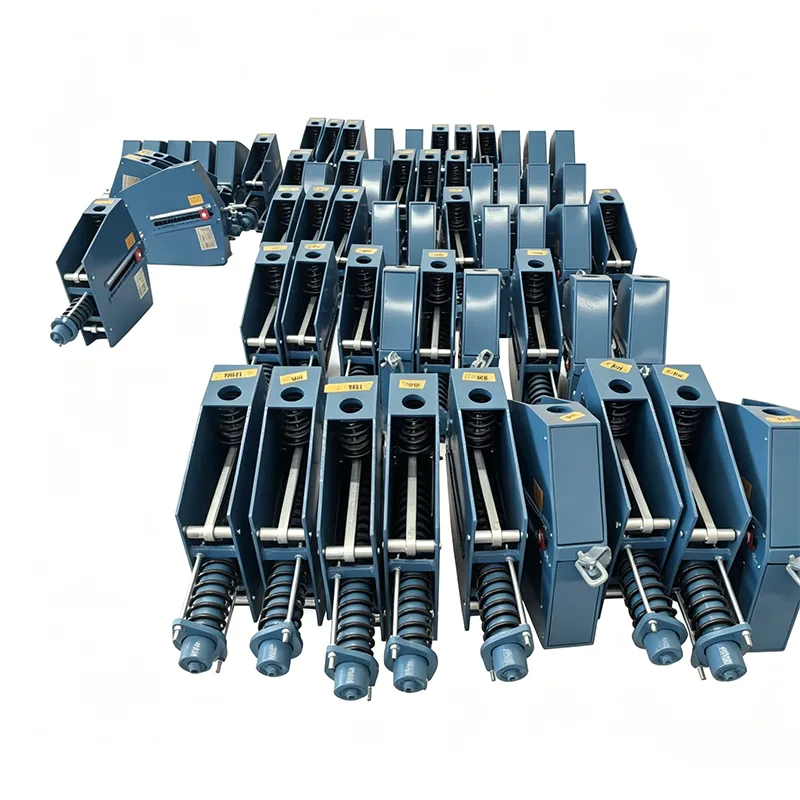
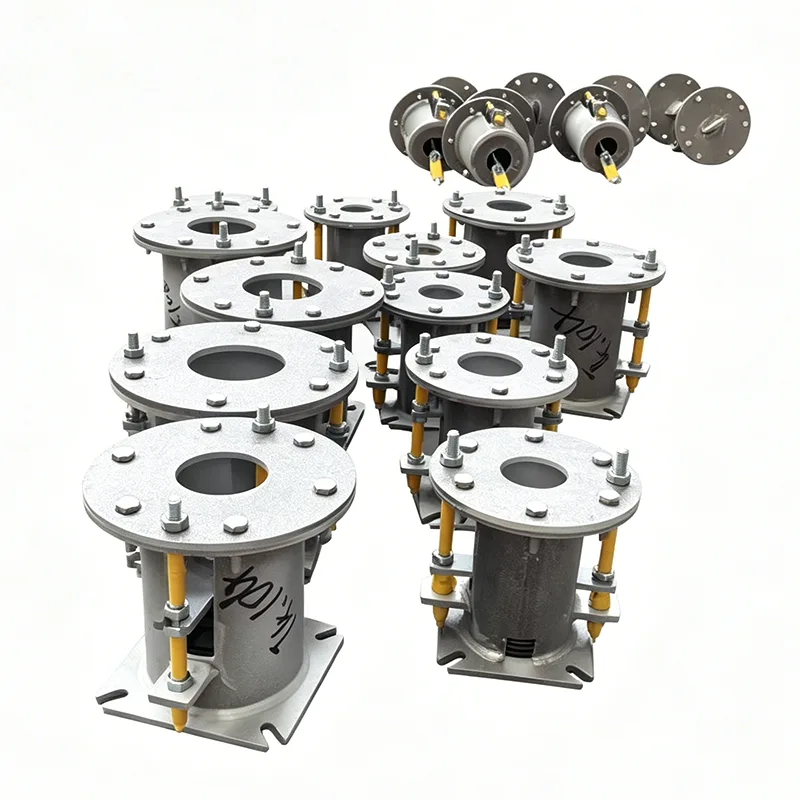
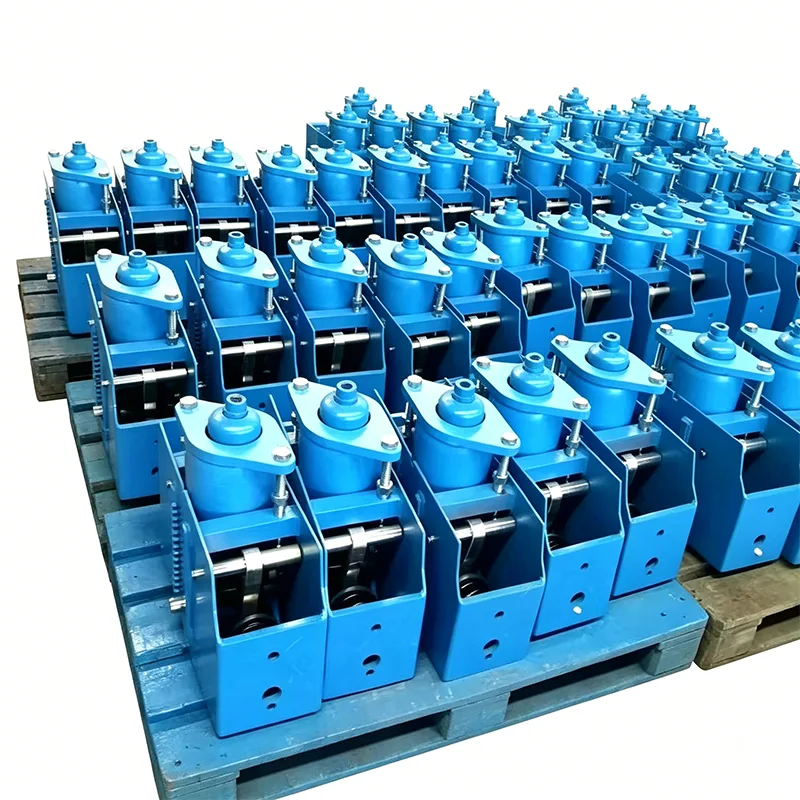
In oil and gas facilities, piping systems are subjected to thermal expansion, pressure fluctuations, and vibration that can impose unpredictable vertical loads on equipment and structural steel. A variable spring support is a load-bearing device engineered to offset these movements while delivering a predictable supporting force over a defined travel range. This component is critical for maintaining pipe alignment, reducing stress at nozzles and flanges, and preventing fatigue failure in high-temperature service. Common configurations include the Industrial pipeline Variable Spring Support for long straight runs and process headers, the Power Plant Variable Spring Support for steam and feedwater lines where thermal growth is extreme, the Refinery Variable Spring Support for hydrocarbon processing units exposed to sour service and cyclic temperatures, and the Chemical Plant Variable Spring Support for corrosive media and dense pipe racks. Each variant is designed with a calibrated helical coil spring enclosed in a heavy-gauge steel casing, allowing the support to adjust its load as the pipe moves from cold to hot position. Load variation is typically expressed as a percentage of the hot load setting and can be tuned during installation. These supports are manufactured in accordance with MSS SP-58, MSS SP-69, and ASME B31.3 requirements, ensuring dimensional interchangeability and reliable performance in both greenfield and retrofit projects.
The Oil and Gas Variable Spring Support comes in multiple series to accommodate different pipe sizes, load requirements, and vertical travel limits. Key design features include:
- Load capacity range from 500 lbs (2.2 kN) up to 50,000 lbs (222 kN) across standard catalog sizes
- Vertical movement allowance from ±1 inch (25 mm) to ±12 inches (300 mm), with preset cold-load adjustment
- Spring coil fabricated from 50CrV4 or 60Si2Mn alloy steel, shot-peened and powder-coated for fatigue resistance
- Housing and base plate available in carbon steel with epoxy paint, hot-dip galvanizing, or stainless steel for offshore environments
- Operating temperature range from -20°F (-29°C) to 750°F (400°C), with optional high-temperature springs up to 1,000°F (538°C)
- Travel stops, load indicators, and lock-out pins supplied as standard accessories for safe installation and hydrostatic testing
Standard models are designed for horizontal pipe support, but 45-degree and vertical riser configurations can be supplied with modified base attachments. The internal spring mechanism allows a controlled load variation of 5% to 25% over the full travel depending on spring rate and initial compression. Field calibration is performed by rotating the adjusting nut to match the calculated hot load and cold load values from the pipe stress analysis. Each unit is proof-tested at 1.5 times the maximum working load before shipment.
| Model | Allowable Load (lbs) | Max Travel (in) | Spring Rate (lbs/in) | Housing Material |
|---|
| VSS-01 | 500 – 2,000 | 2 | 250 – 1,000 | Carbon steel, epoxy coated |
| VSS-02 | 2,001 – 5,000 | 4 | 500 – 1,250 | Carbon steel, epoxy coated |
| VSS-03 | 5,001 – 10,000 | 6 | 833 – 1,667 | HDG or stainless steel |
| VSS-04 | 10,001 – 25,000 | 8 | 1,250 – 3,125 | HDG or stainless steel |
| VSS-05 | 25,001 – 50,000 | 12 | 2,083 – 4,167 | HDG or stainless steel |
Beyond the standard catalog, custom-engineered supports are available with dual springs, extended travel, or special coatings for subsea and cryogenic applications. All components are traceable with material test reports and NDE documentation upon request. Dimensional checks are performed against the project's piping isometric drawings to ensure the correct base plate bolt pattern and rod connection size. This level of detail reduces installation time and improves long-term operational safety in demanding oil and gas environments.