Shipbuilding Pipe Support
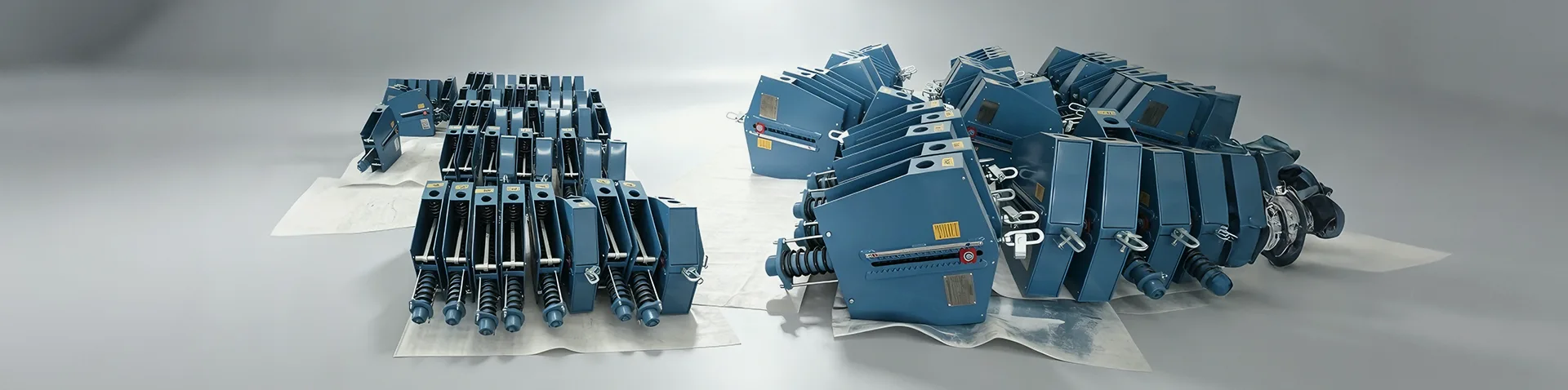
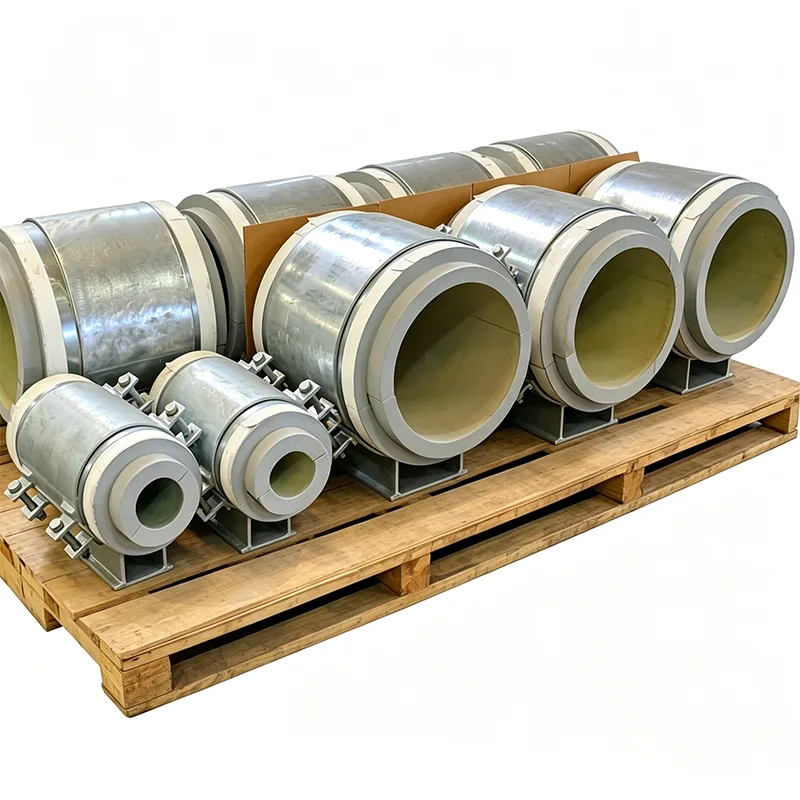
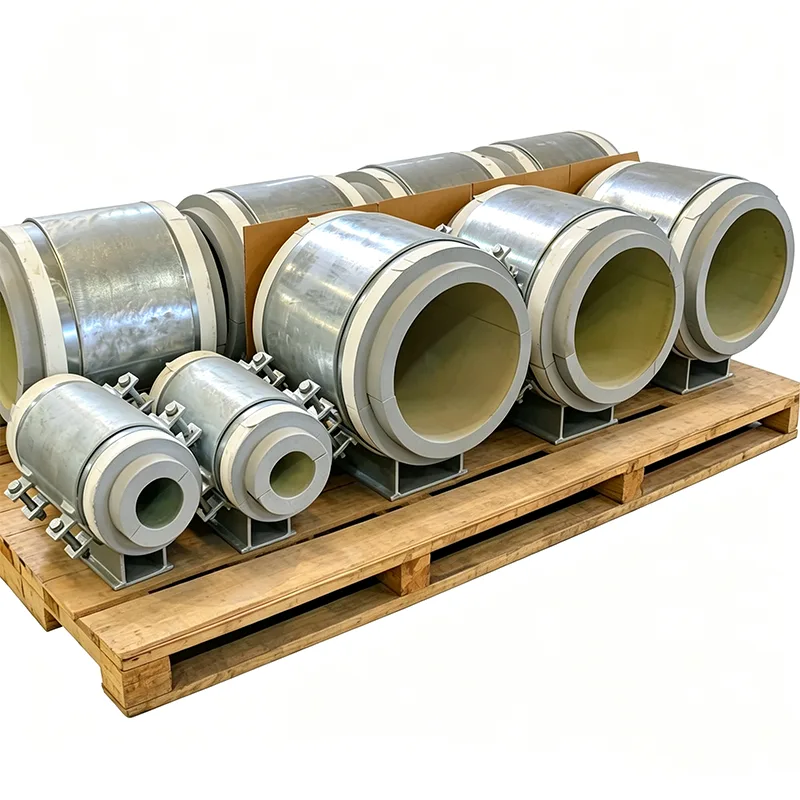
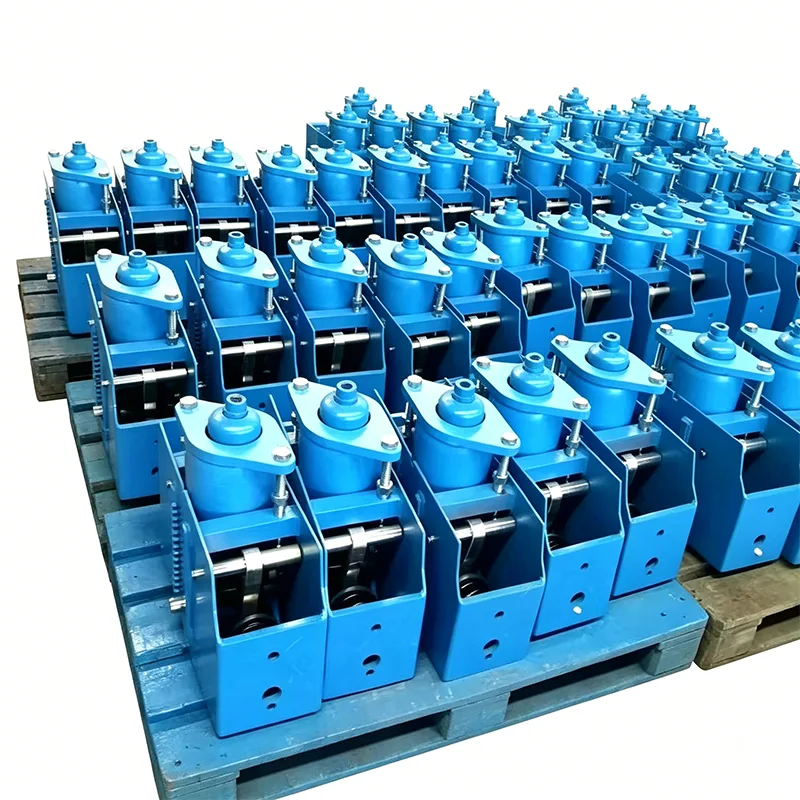
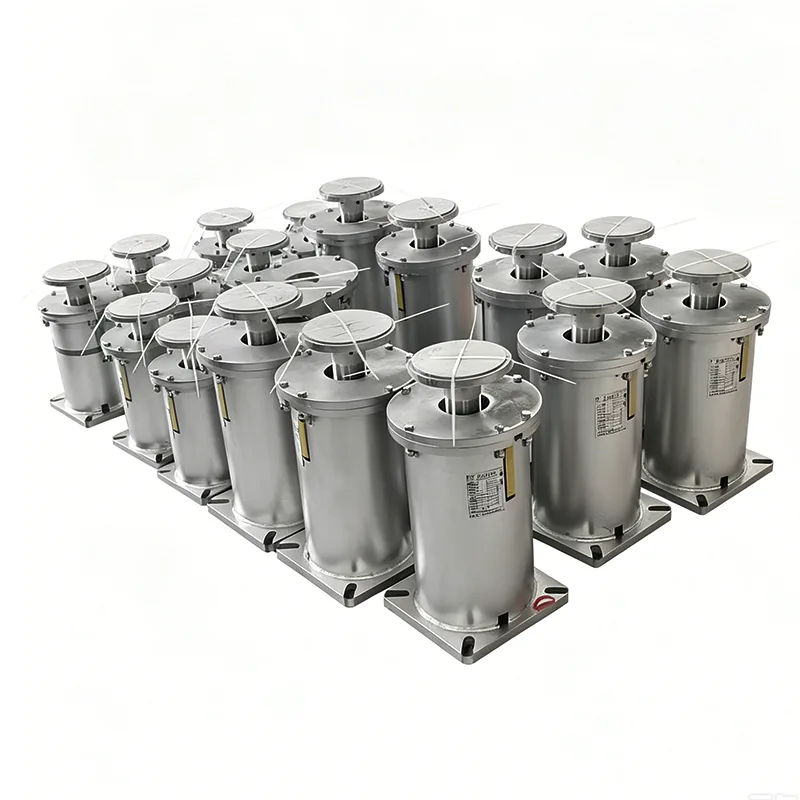
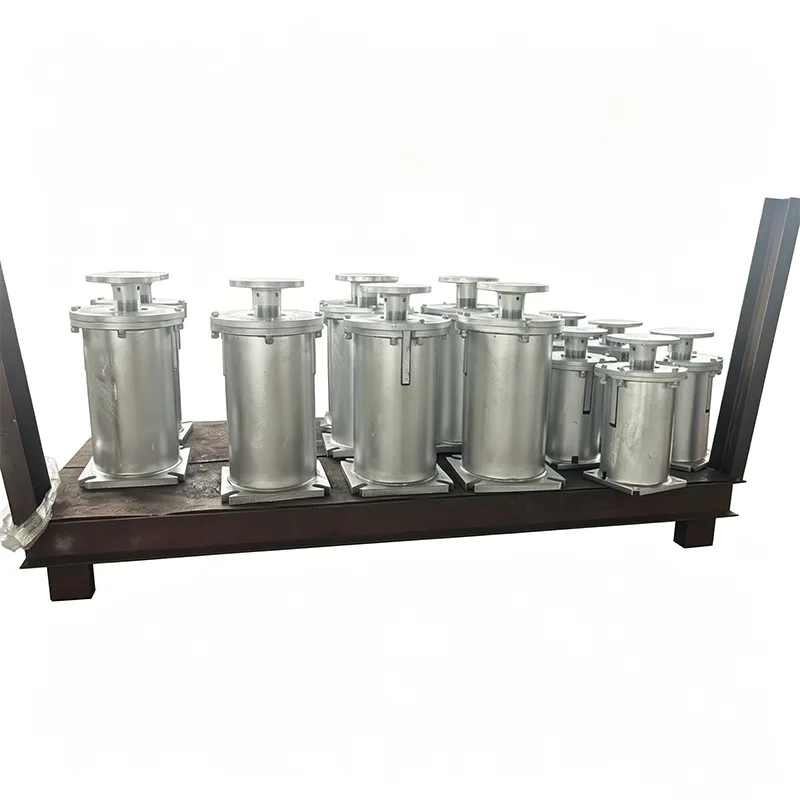
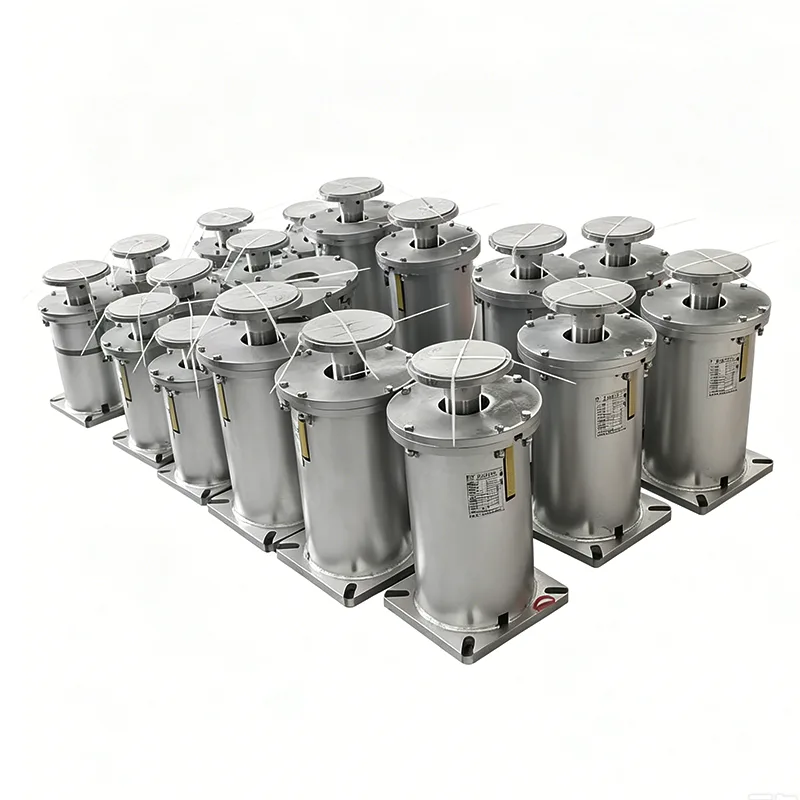
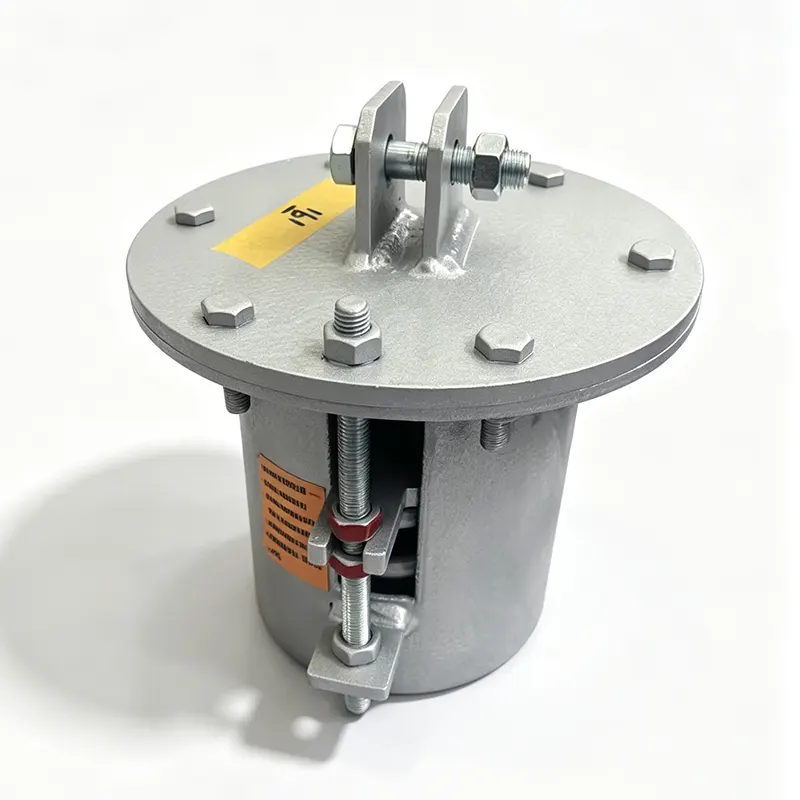
Marine piping systems on commercial ships, naval vessels, and offshore platforms operate under some of the most punishing conditions in industrial engineering. Hull girder flexing, propeller-induced vibration, wave impact, and rapid thermal changes all impose complex loads on pipe runs. Choosing the right support hardware directly affects fatigue life, safety, and maintenance cost. For cryogenic cargo lines, LNG fuel systems, and chilled water circuits, a Pipe Support for Low Temperature is essential because it combines stainless steel load plates with low-thermal-conductivity inserts to limit heat leak and prevent ice formation. In areas subject to wave-induced motion or platform drift, a Seismic Pipe Support controls deflection through pre-set gaps and spring snubbers, keeping pipe stress within code limits. Engine rooms and compressor decks often suffer from sustained vibration that loosens clamps and cracks welds; an Anti Vibration Pipe Support introduces elastomeric elements or spring-damper systems to isolate high-frequency energy. For naval surface combatants and blast-rated modules, a Shock Absorbing Pipe Support is designed to pass MIL-DTL-901E shock testing, absorbing sudden acceleration without allowing dangerous displacement. These four support types share a common design philosophy: maintain pipe position under normal conditions while allowing controlled movement under extreme loads.
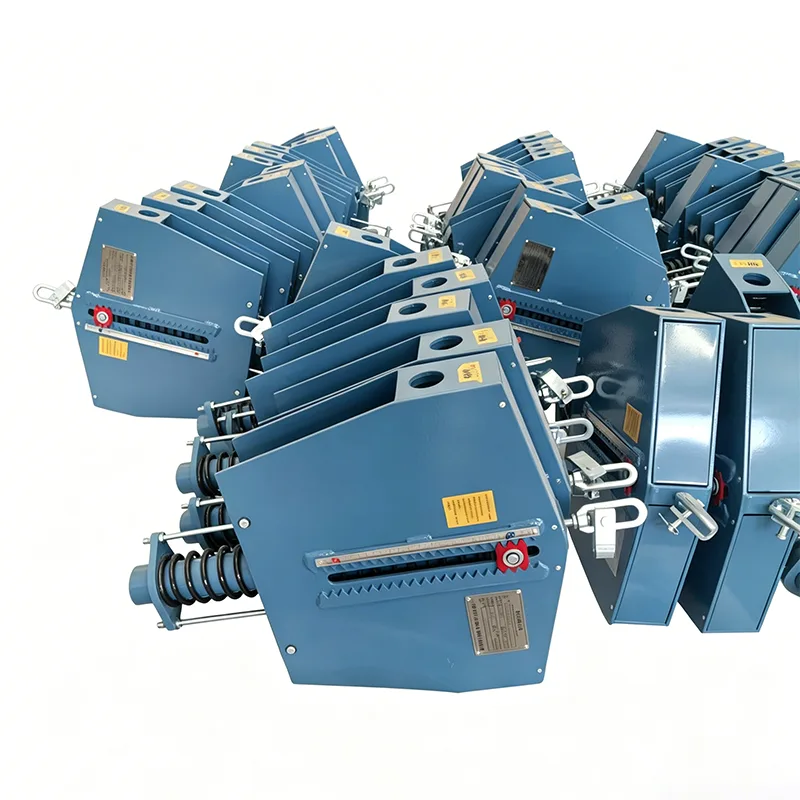
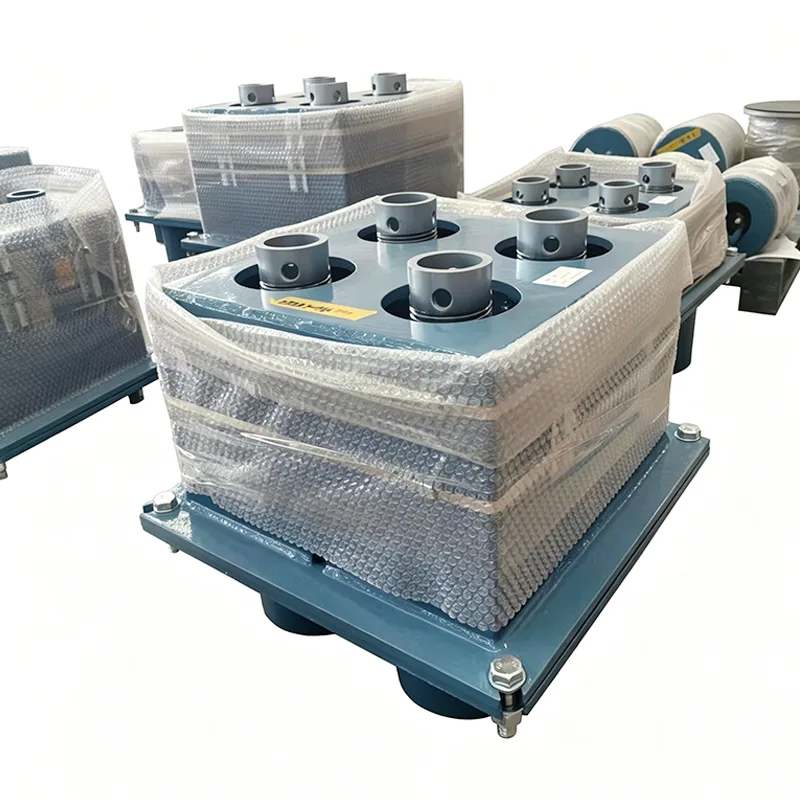
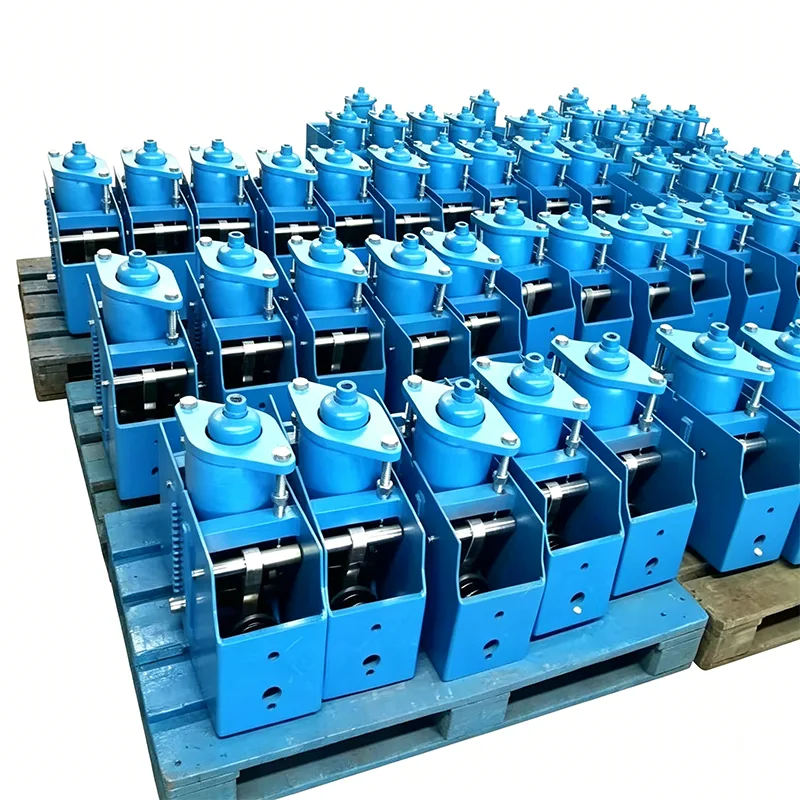
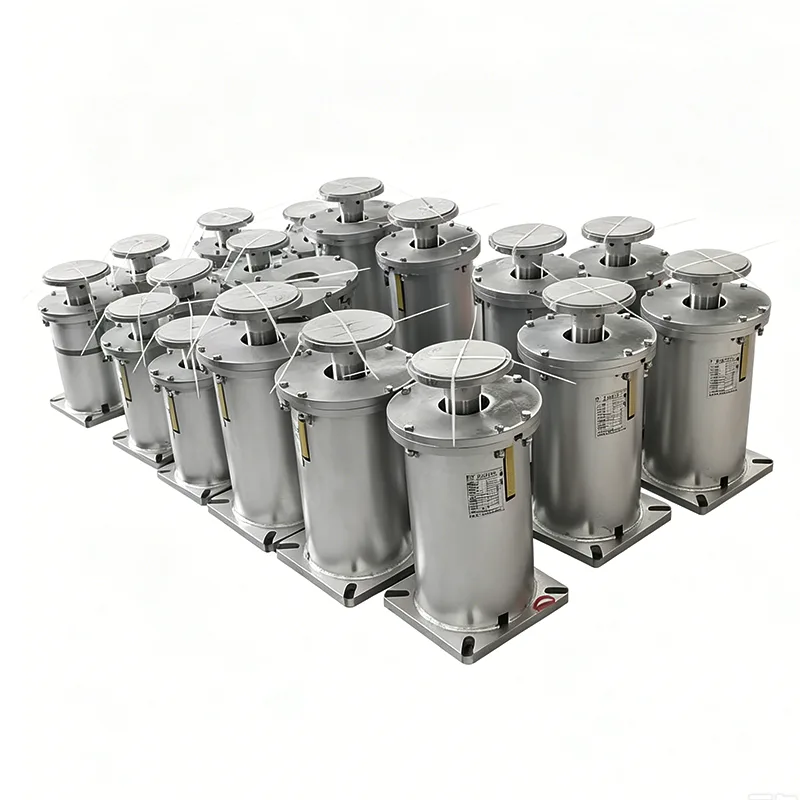
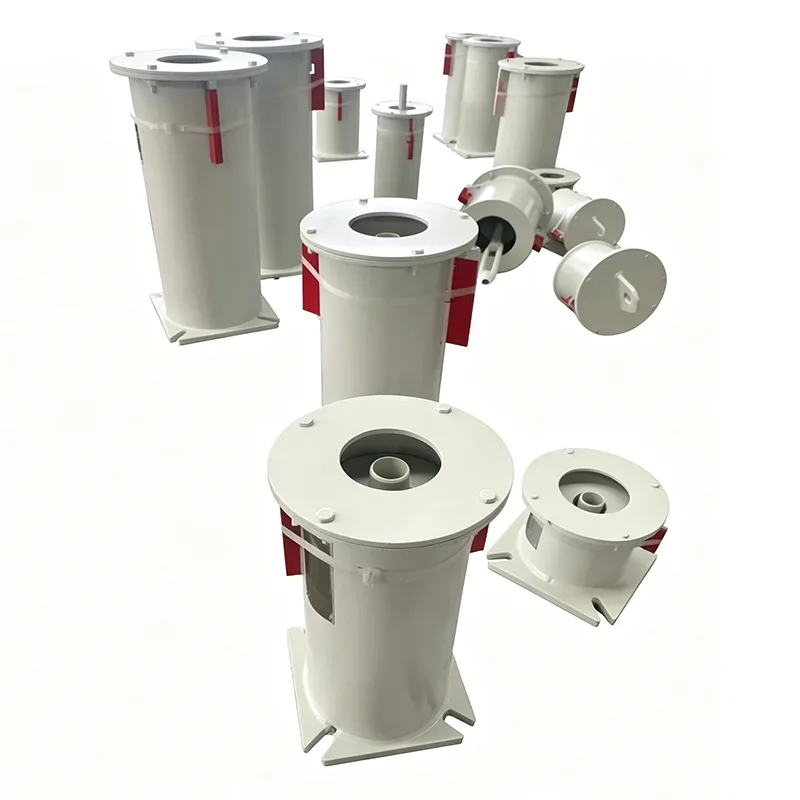
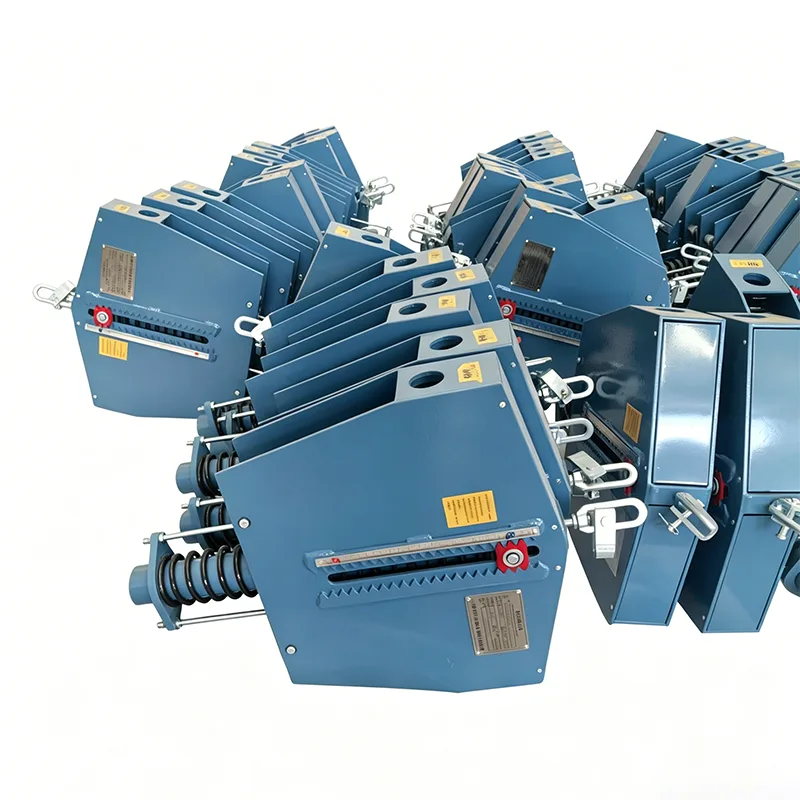
The Shipbuilding Pipe Support product line is manufactured specifically for shipyard block outfitting, retrofits, and offshore module integration. The series covers standard U-bolt, pipe clamp, saddle, riser, and spring hanger configurations, with custom geometry available for congested compartments. Materials include carbon steel S235JR/S355J2, 316L stainless steel, duplex 2205, and copper-nickel 90/10. All carbon steel parts receive marine-grade corrosion protection: hot-dip galvanizing to ISO 1461, zinc-nickel electroplating, or two-part epoxy coating with minimum 250 µm DFT. For cryogenic applications, polyisocyanurate or cellular glass inserts reduce heat gain and prevent pipe wall condensation. For high-temperature exhaust and steam lines, uninsulated stainless steel clamps with molybdenum disulfide liners withstand continuous exposure up to 650°C. Each Shipbuilding Pipe Support is rated for a specific load envelope. Static load capacity ranges from 2 kN for small utility lines to 250 kN for main seawater or ballast pipes. Dynamic load rating is normally 1.5 times the static rating for non-shock applications and up to 3 times for shock-qualified units. Movement absorption is provided by slotted holes, pre-compressed springs, or articulated linkage arms. Axial travel can reach ±150 mm, lateral travel ±75 mm, and vertical adjustment ±100 mm. Shock-tested assemblies meet MIL-DTL-901E Grade A for surface ships and Grade B for submarines. Vibration isolation elements are tuned between 5 Hz and 500 Hz, covering everything from low-frequency hull slamming to high-frequency pump excitation. Fire performance is also considered: elastomeric pads are available in low-smoke, halogen-free compounds, and all epoxy coatings meet IMO FTP Code Part 2 for surface flammability. Documentation packages include EN 10204 3.1 material certificates, weld procedure specifications, torque tables, and installation drawings. Type approval from ABS, BV, DNV, and LR can be arranged for repeat shipyard programs. Every batch is traceable to heat number and coating lot, ensuring consistent quality across multi-hull contracts.
- Split clamp design permits installation around existing pipe without cutting or disconnecting flanges, which reduces downtime during ship conversion and repair projects.
- Anti-rotation lugs and Nord-Lock washers maintain fastener preload under sustained vibration, reducing the need for periodic re-torquing.
- PTFE-lined clamps prevent galvanic corrosion between dissimilar metals and allow low-friction axial sliding for stainless steel and copper-nickel piping.
- Pre-set travel stops and adjustable snubber gaps protect expansion joints from over-compression during thermal cycling and wave-induced movement.
- Weldless attachment options such as U-bolt straps and clamping saddles eliminate hot work permits in hazardous zones and speed up tanker retrofits.
- Spring hangers with calibrated load indicators simplify cold-set and hot-set adjustment on steam, condensate, and thermal oil lines.
- All fasteners are supplied in ISO 3506 A4-70 stainless steel or Grade 8.8 carbon steel with Dacromet coating for extended corrosion resistance.
- Standard color coding is available for pipe service identification: blue for water, yellow for fuel, green for cryogenic media, and red for firefighting systems.
| Technical Parameter | Standard Range | Options / Notes |
|---|
| Pipe outside diameter | 21.3 mm – 914 mm (1/2 in. – 36 in.) | Larger sizes on request |
| Static load per point | 2 kN – 250 kN | Twin-rod and frame designs for heavy lines |
| Dynamic load rating | 1.5 × static load | Up to 3 × static for shock units |
| Temperature range | -196°C to +650°C | Depends on insert and surface coating |
| Axial movement | ±150 mm | Spring hangers and slotted bases |
| Lateral movement | ±75 mm | Guide frames and PTFE slide plates |
| Vibration frequency range | 5 Hz – 500 Hz | Elastomer pads, coil springs, or wire rope isolators |
| Shock qualification | MIL-DTL-901E | Grade A and Grade B |
| Corrosion protection | HDG, Zn-Ni, epoxy, PTFE | Salt spray tested to ISO 9227 NSS 720 h |
| Design standards | ABS, BV, DNV, LR | Factory type approval available |
| Material certificate | EN 10204 3.1 / 3.2 | Traceable to heat number |
| Installation time saving | Up to 40% | Quick-adjust slots and pre-assembled bolts |