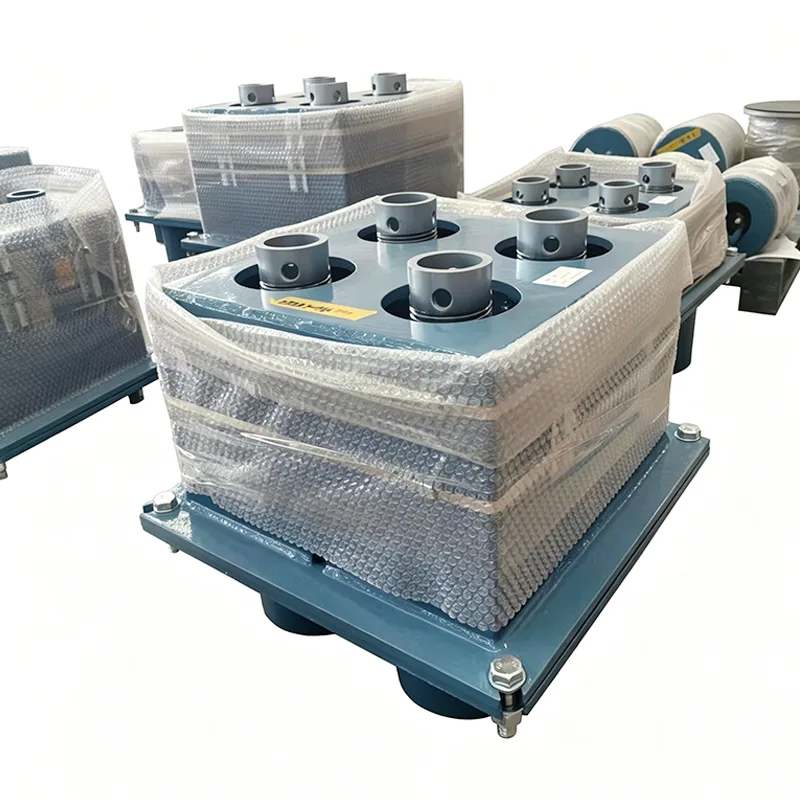
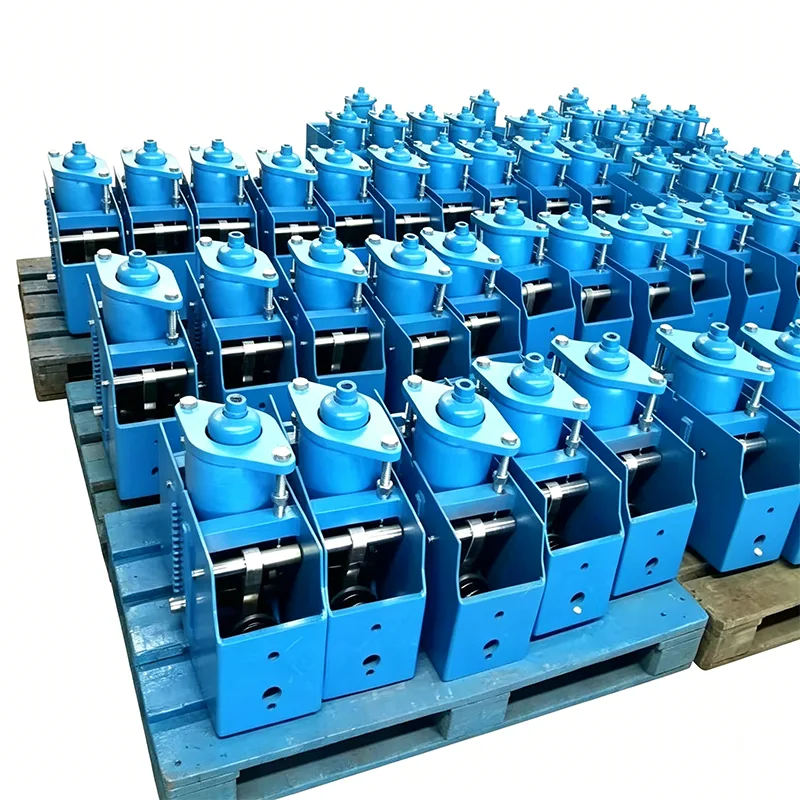
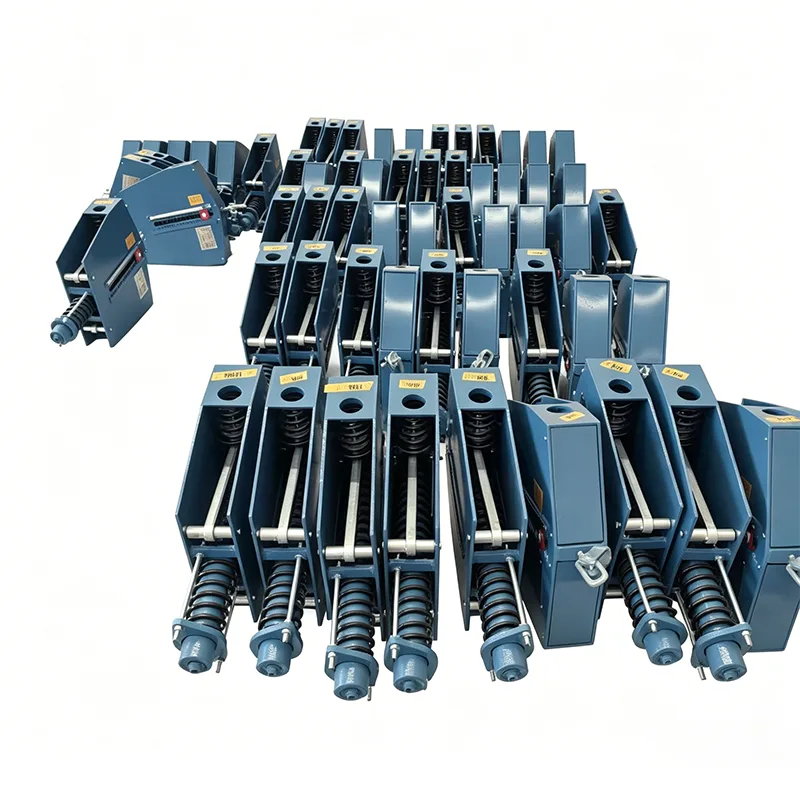
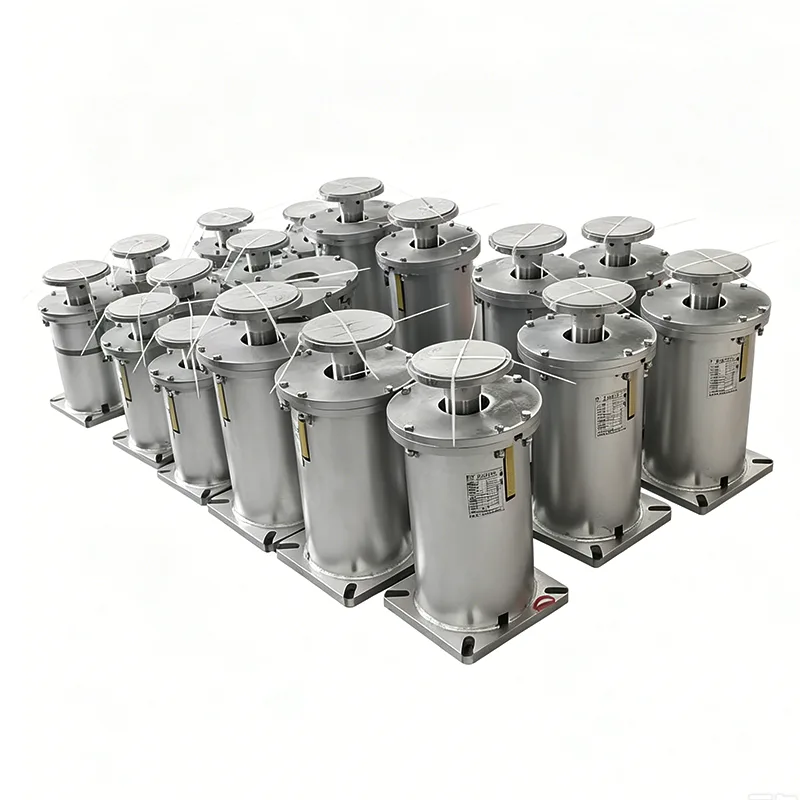
Seismic Pipe Support
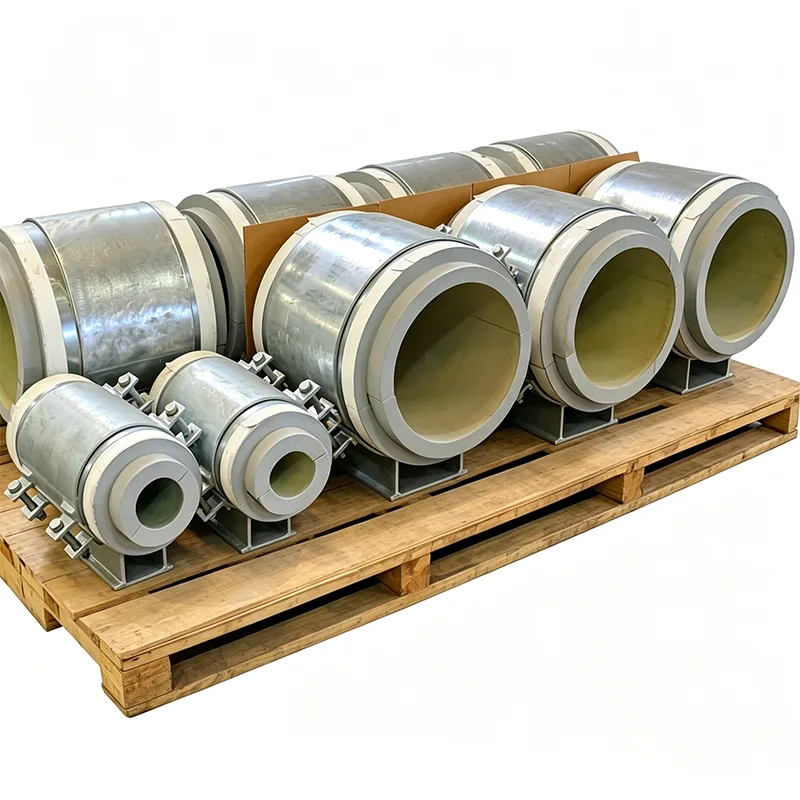
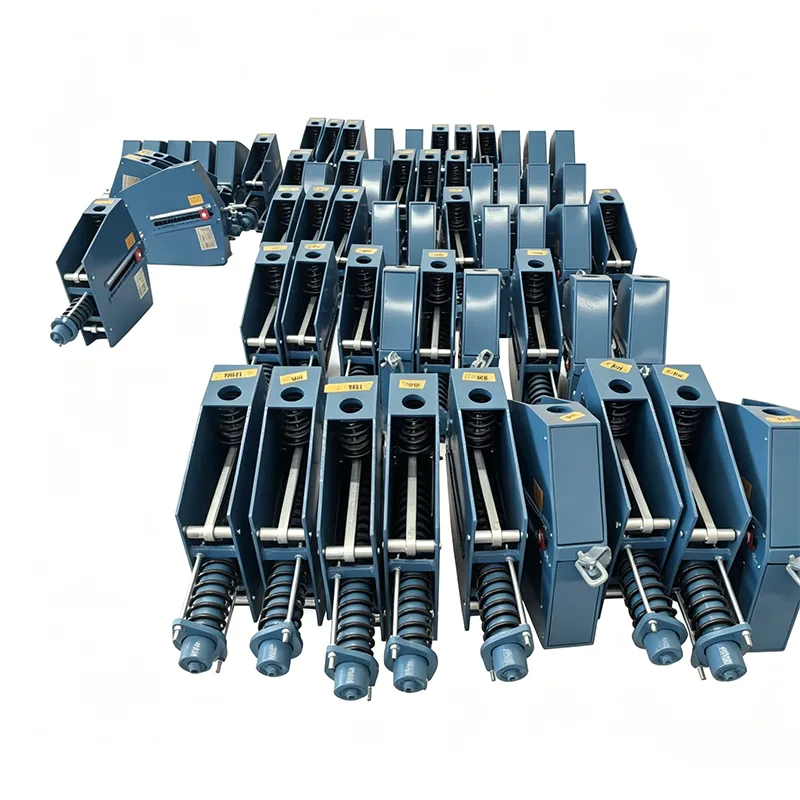
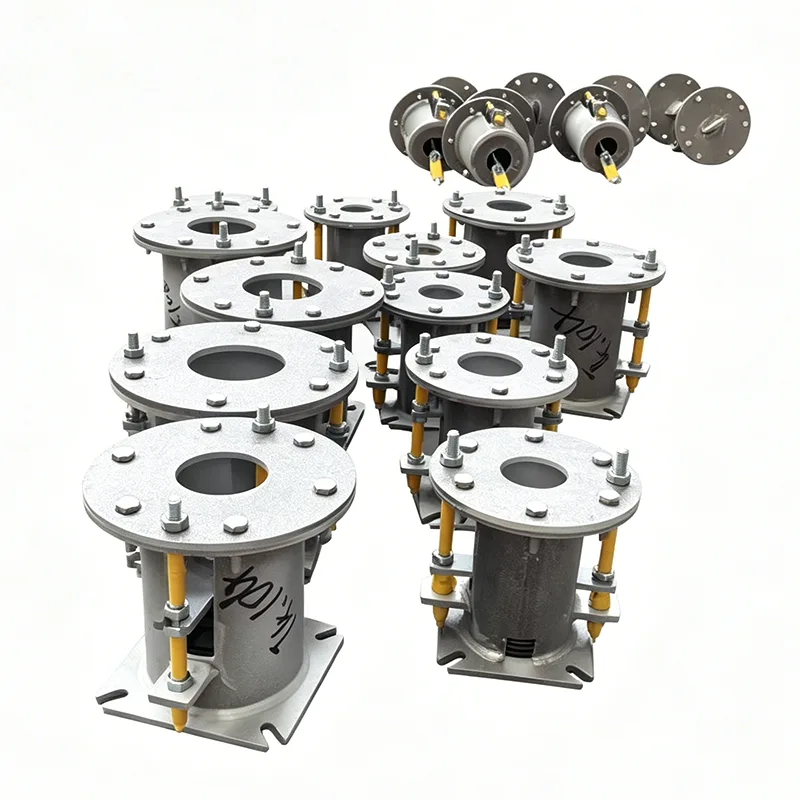
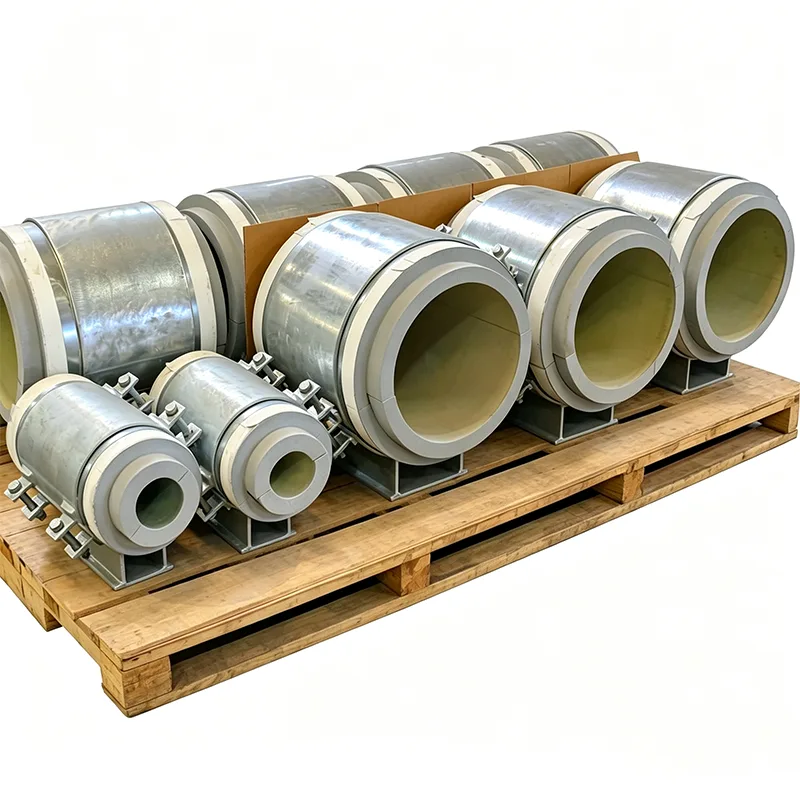
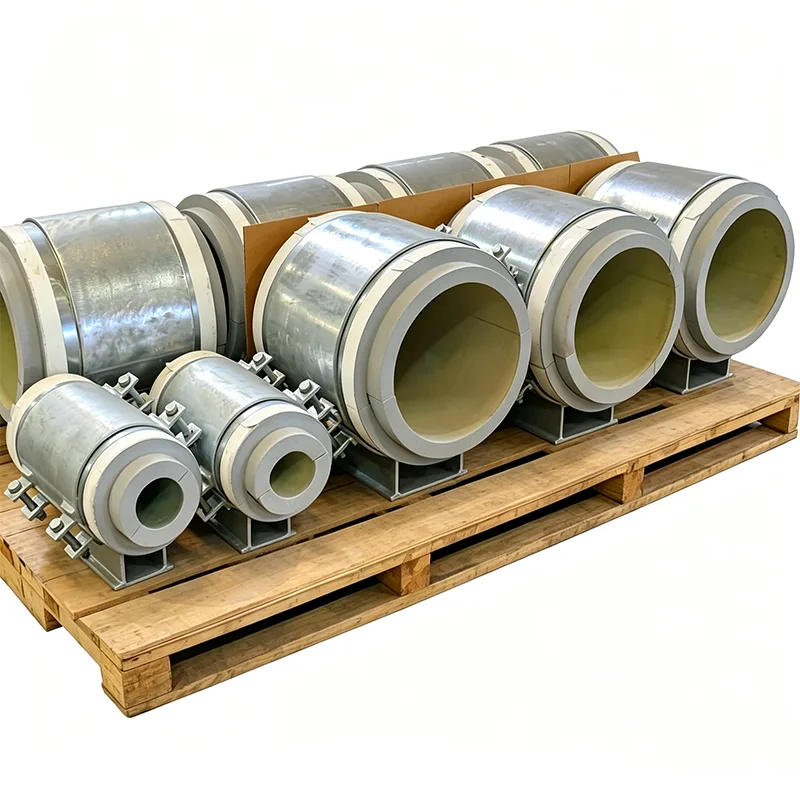
Seismic pipe support systems are a critical part of building safety in earthquake-prone regions, designed to limit pipe movement, prevent joint failure, and protect fire suppression, process piping, and utility lines. These assemblies must resist both horizontal and vertical acceleration forces while allowing controlled movement under normal thermal conditions. In demanding industrial and commercial facilities, pairing a seismic support with application-specific options improves long-term reliability. For piping that operates in refrigerated or cryogenic environments, a Pipe Support for Low Temperature prevents brittle failure and maintains clamping force at sub-zero temperatures. Where pumps, compressors, or high-flow fluids generate steady-state vibration, an Anti Vibration Pipe Support reduces transmitted motion and protects branch connections. During seismic events or other sudden impacts, a Shock Absorbing Pipe Support dissipates energy and lowers peak reaction forces transferred to the building structure. In systems with significant thermal expansion or pipe travel, a Pipe Support with PTFE Plate ensures smooth axial and lateral sliding without overstressing anchors or the pipe wall.
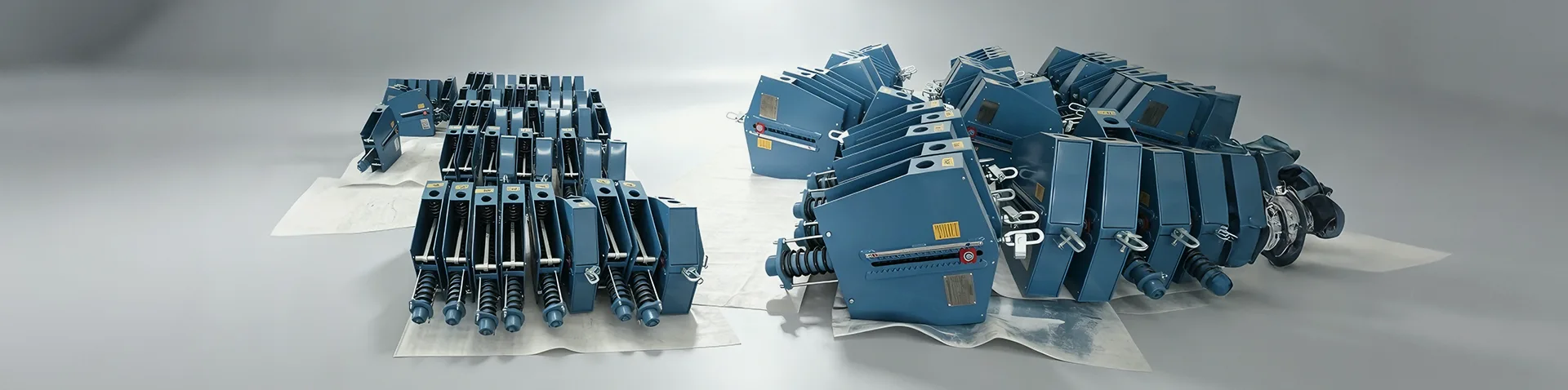
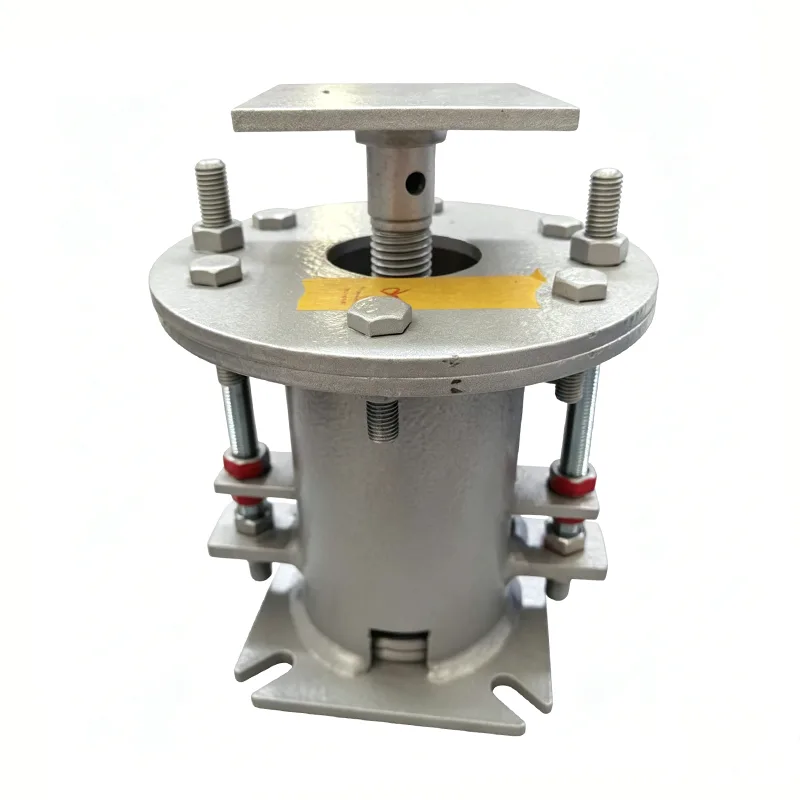
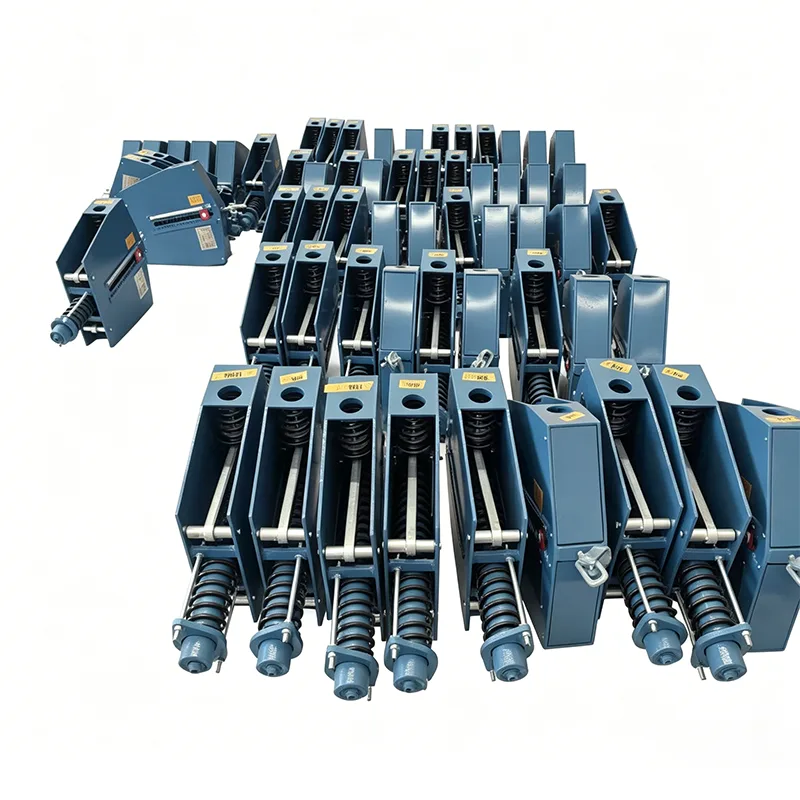
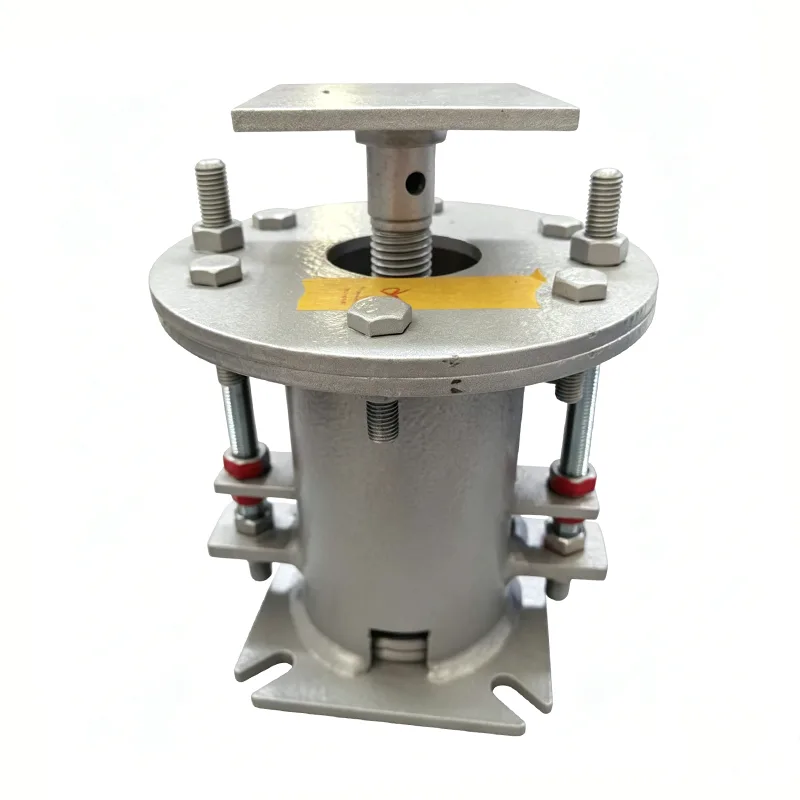
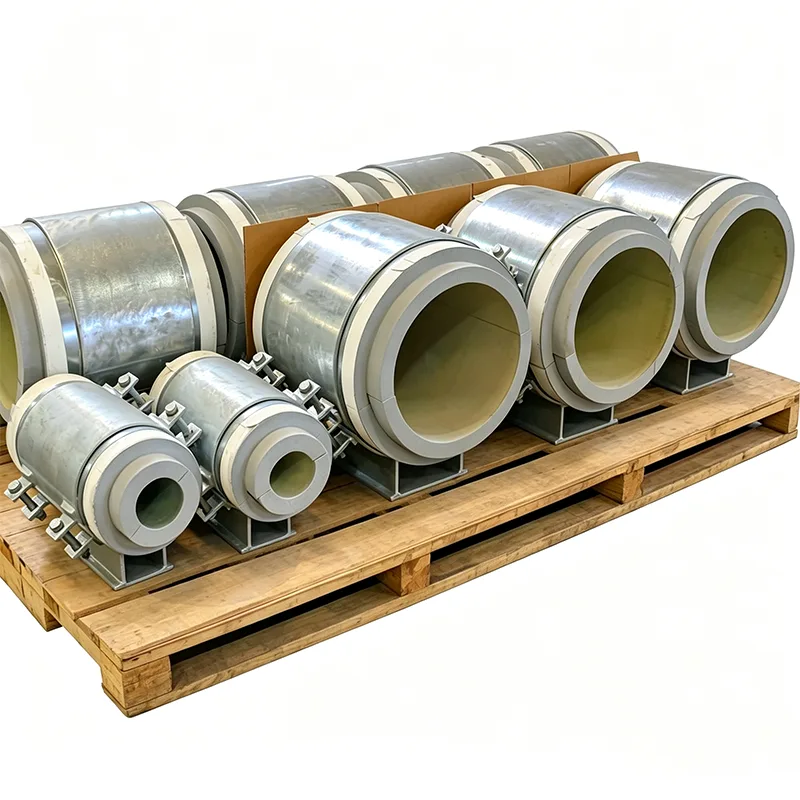
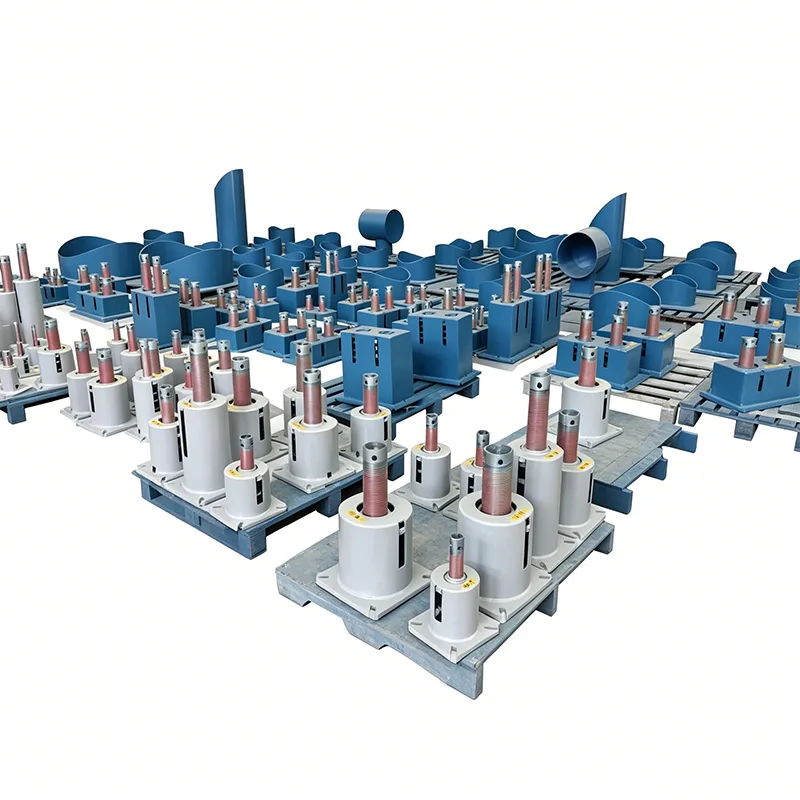
The Seismic Pipe Support product range covers rigid strut bracing, lateral sway bracing, and axial restraint configurations for commercial, healthcare, and industrial piping systems. Each assembly consists of a structural attachment fitting, a pipe clamp or saddle, and a bracing member sized according to the required horizontal and vertical load vectors. The bolted design permits rapid alignment in the field, and slotted holes allow ±0.5 inch of installation tolerance without cutting or welding. All load-carrying components are fabricated from structural steel with a minimum yield strength of 36 ksi, while stainless steel variants use 316L material for enhanced pitting resistance in coastal or chemical environments. The supports are tested in accordance with ICC-ES AC156 and are suitable for use under ASCE 7-16, IBC 2021, NFPA 13, and ASME B31.1/B31.3 requirements. Pre-engineered models are available for pipe sizes from 2 inches to 24 inches NPS, with custom assemblies up to 48 inches NPS offered for large-diameter process piping and utility corridors.
Key technical parameters for the standard Seismic Pipe Support line are listed below.
- Material options: Hot-dip galvanized carbon steel (ASTM A36/A572 Grade 50), Type 304 stainless steel, Type 316L stainless steel
- Pipe size range: 2"–24" NPS standard; larger sizes available upon request
- Combined load capacity: 2,000 lb to 45,000 lb (8.9 kN to 200 kN)
- Lateral load capacity: 1,200 lb to 32,000 lb (5.3 kN to 142 kN)
- Vertical load capacity: 1,800 lb to 36,000 lb (8.0 kN to 160 kN)
- Displacement range: ±1" to ±4" (±25 mm to ±100 mm) depending on brace geometry
- Temperature range: -320°F to 1,200°F (-196°C to 650°C) based on material selection
- Surface finish: Hot-dip galvanized, stainless steel, or epoxy-coated
- Corrosion resistance: 500-hour salt spray per ASTM B117 for HDG and stainless steel
- Compliance: ASCE 7-16, IBC 2021, NFPA 13, MSS SP-58, ASME B31.1/B31.3
- Installation: Field-adjustable brackets with slotted holes; no welding required for most sizes
Standard model capacities are summarized in the table below.
| Model |
Pipe Size |
Max Vertical Load |
Max Lateral Load |
Displacement Range |
Material |
| SSP-2000 |
2"–6" |
4,500 lb |
3,200 lb |
±1.5" |
HDG Carbon Steel |
| SSP-8000 |
8"–12" |
12,000 lb |
9,000 lb |
±2.5" |
HDG Carbon Steel |
| SSP-15000 |
14"–18" |
20,000 lb |
15,000 lb |
±3.0" |
Stainless Steel |
| SSP-25000 |
20"–24" |
35,000 lb |
26,000 lb |
±4.0" |
Stainless Steel |
Typical applications include hospital mechanical rooms, data centers, chemical process lines, and municipal water treatment plants. All assemblies are supplied with installation drawings and can be packaged with anchor bolts and attachment hardware to simplify procurement. Load ratings are based on ultimate strength with a minimum safety factor of 2.0 for seismic load combinations. Optional accessories include oversized base plates, weld-on lugs, and isolation pads for irregular pipe configurations.