No.115 Yunhe North Road, Yangzhou City, Jiangsu Province, China +86-13032562550 jsts2021@yeah.net
Follow Us -
News

How Do Variable Spring Hangers Control Pipeline Displacement?

2026-11-09 0 Leave me a message

 Variable spring hangers play an important role in managing vertical pipeline displacement caused by temperature changes. By using controlled spring compression and extension, they accommodate thermal movement while maintaining a relatively stable supporting force. In this article, we explain how variable spring hangers work, how load variability is calculated, and what engineers should consider when selecting spring supports. Drawing on our manufacturing experience at Yangzhou Tianshun Pipeline Technology Co., Ltd., we also examine practical specifications, testing procedures, and applications in power generation, petrochemical, and LNG projects.

Table of Contents

Why Does Pipeline Displacement Need to Be Controlled?

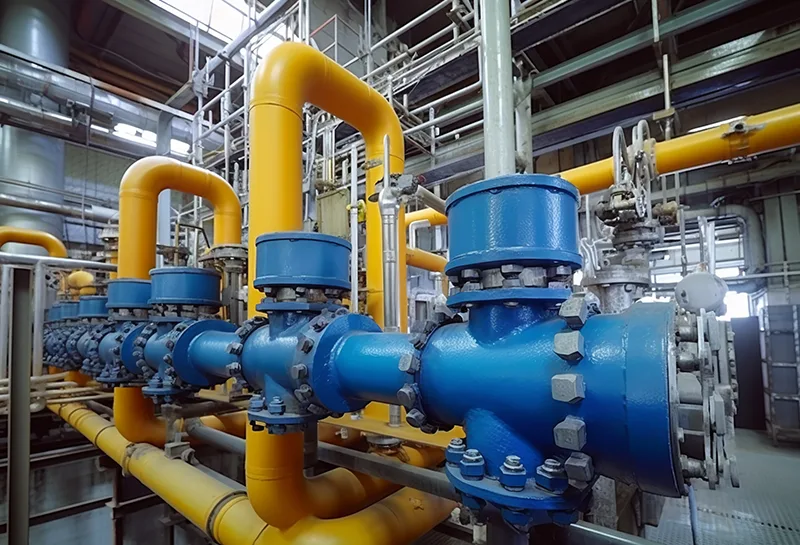
In industrial piping systems, temperature changes can cause significant dimensional changes in pipelines. When hot steam, high-temperature oil, or other process media flow through a pipeline, the pipe material expands. When the system cools down or shuts down, the pipeline contracts. These repeated temperature cycles create vertical movement at pipe support locations, particularly in long-distance pipelines and systems operating under high-temperature conditions.

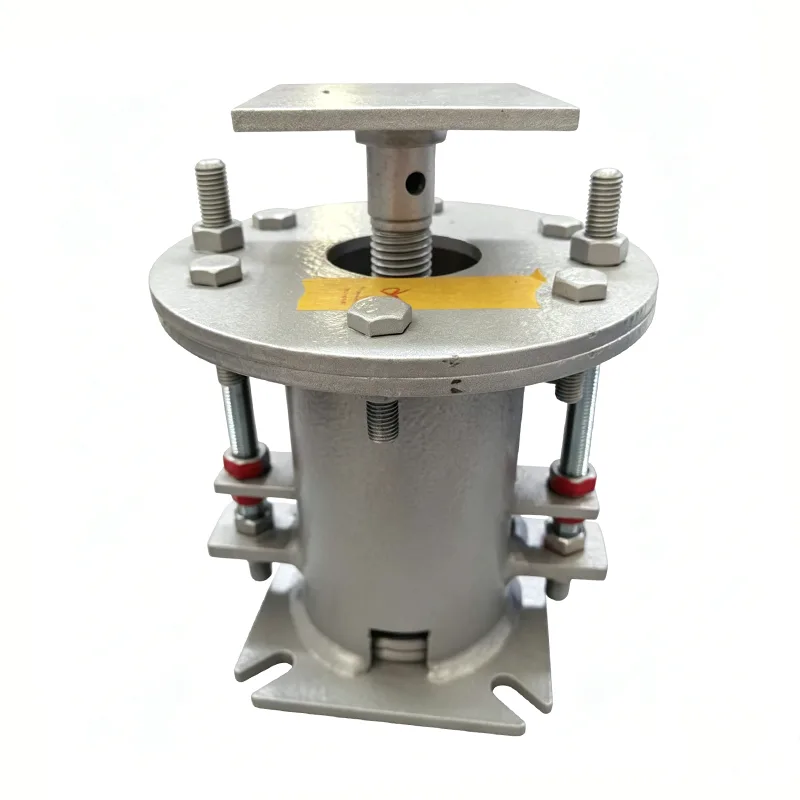
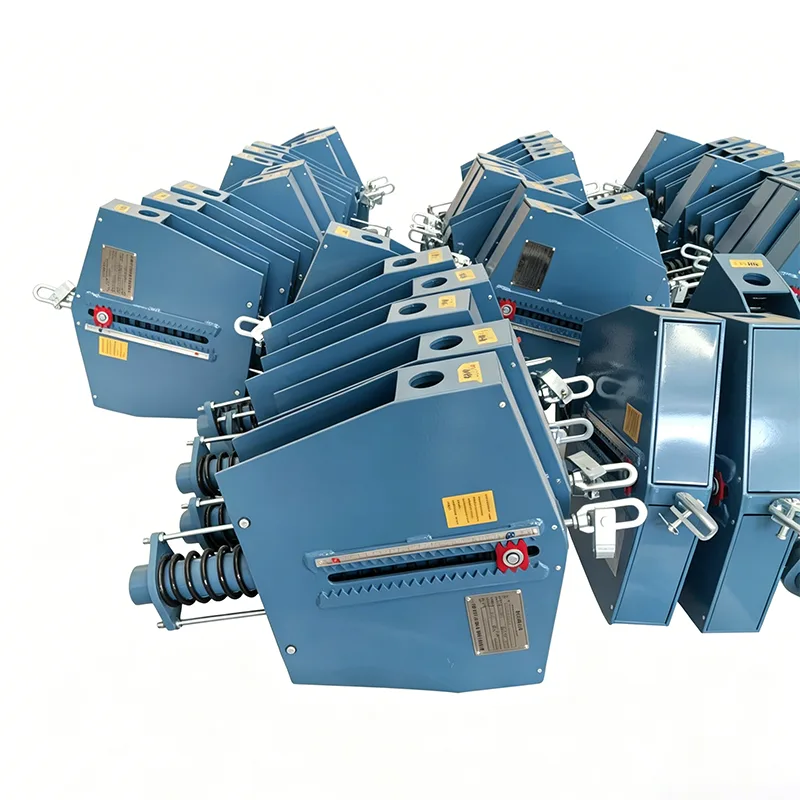
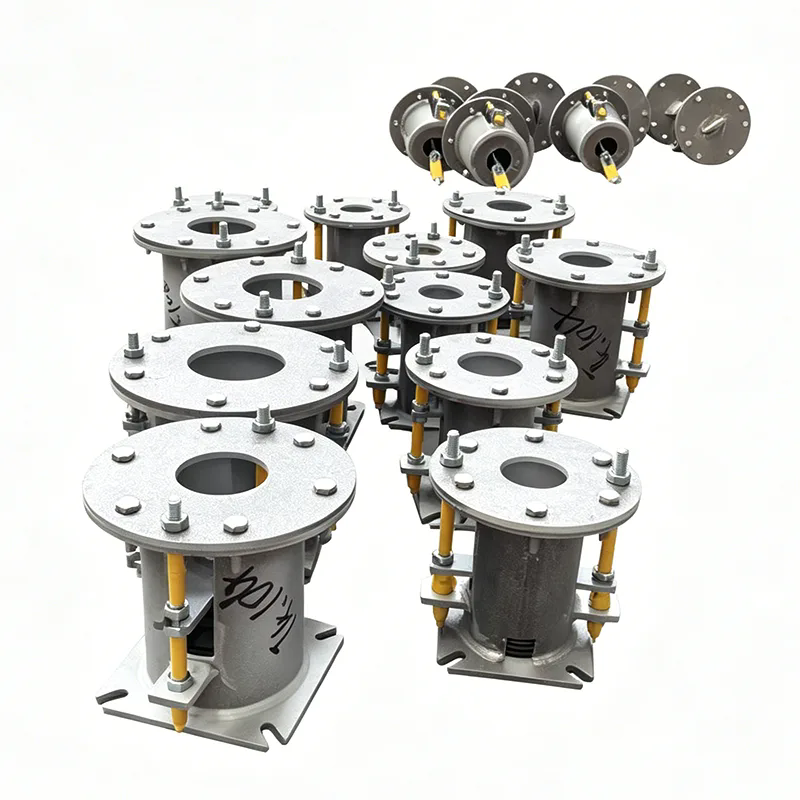
spring-hanger-support

From our experience manufacturing industrial pipe supports, the main engineering concern is not simply whether a pipeline can move, but whether its supporting structure can accommodate that movement without introducing excessive forces into the piping system.

Rigid supports may restrict the natural vertical movement of a pipe. This can increase stress at elbows, welded connections, flanges, and equipment nozzles. In severe cases, excessive loads may contribute to connection damage, leakage, or premature equipment failure.

A variable spring hanger provides an elastic supporting arrangement that follows the vertical movement of the pipeline. Instead of completely restricting displacement, it allows controlled movement while continuing to carry the pipe's weight.

This makes spring hangers particularly useful in:

  • High-temperature steam pipelines in thermal power plants.
  • Process pipelines in petroleum refining and petrochemical facilities.
  • Gas transmission and LNG processing systems.
  • Industrial heating and central heating networks.
  • Pipeline connections near pumps, compressors, and other equipment.

How Do Variable Spring Hangers Control Pipeline Displacement?

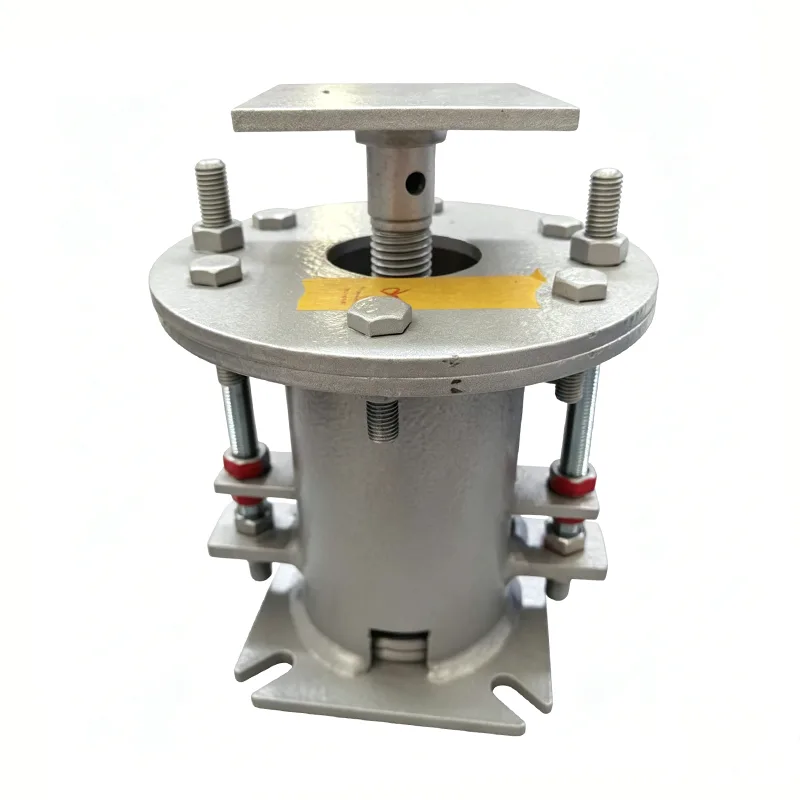
A variable spring hanger works through the elastic deformation of a coil spring. When the pipeline moves vertically due to thermal expansion or contraction, the spring compresses or extends accordingly. This movement changes the spring force, allowing the support to follow the pipeline while continuing to carry its weight.

At Tianshun, we manufacture variable spring supports designed around the specified operating load, installed load, and required vertical travel. The actual spring configuration is selected according to the pipeline's calculated movement and working conditions.

1. Cold Condition: Initial Spring Setting

Before the pipeline reaches its operating temperature, the spring hanger is installed at its specified cold position. At this stage, the pipeline is generally in its lower-temperature condition, and the spring carries the designated installed load.

The spring position is determined by the engineering calculation and indicated on the load-displacement scale. Correct installation is important because an incorrect initial setting may affect the support load distribution after the system reaches operating temperature.

2. Hot Condition: Compensating for Thermal Expansion

When hot process media enter the pipeline, the pipe expands and may move vertically at the support location. If the pipe moves downward, the spring is compressed further and generates a higher supporting force. If the pipe moves upward, the spring extends and its supporting force decreases.

The spring responds continuously to this displacement within its designed working travel. This helps prevent the support from behaving like a rigid restraint and reduces excessive load transfer between adjacent supports and connected equipment.

3. Cooling Condition: Returning Toward the Initial Position

When the operating temperature decreases, the pipeline contracts and moves back toward its cold position. The spring gradually returns toward its initial compression or extension state.

This repeated movement allows the support to accommodate normal operating cycles. However, the selected spring must have sufficient travel for startup, normal operation, shutdown, and other specified conditions. The spring should not reach its mechanical travel limit during normal service.

In practical engineering applications, the direction and magnitude of movement must be determined from piping stress calculations rather than assumed from temperature alone.

Understanding Load Variability and Spring Performance

One of the most important parameters in variable spring hanger selection is load variability. Unlike a constant spring support, a variable spring hanger changes its supporting force as the spring moves. The objective is to keep this force variation within an acceptable range throughout the required working travel.

Load variability is generally calculated using the following relationship:

Load Variability (%) = (Spring Rate × Vertical Travel / Operating Load) × 100

Where:

  • Spring Rate: The force required to produce a unit of spring deflection, usually expressed in N/mm or kN/mm.
  • Vertical Travel: The calculated vertical movement of the pipeline between the specified cold and hot conditions.
  • Operating Load: The supporting load at the designated operating condition.

For example, if a spring hanger has a spring rate of 0.8 kN/mm, a vertical travel of 20 mm, and an operating load of 100 kN, its load variability is:

(0.8 × 20 / 100) × 100 = 16%

This result is below the commonly applied 25% maximum variability criterion specified in ANSI/MSS SP-58-2018 for variable spring supports. The applicable standard edition and project requirements should always be confirmed during engineering review.

According to the referenced standard, the maximum allowable variability for a variable spring unit is generally limited to 25% of the operating load over its full working travel. Where a variable spring cannot satisfy the allowable load variation or other project requirements, a constant support may be more appropriate.

Why Does Load Variability Matter?

Excessive load variation can cause an uneven distribution of supporting forces across the pipeline system. This may increase the loads transferred to adjacent supports or sensitive equipment connections.

For pipelines connected to turbines, pumps, or compressors, engineers should pay particular attention to allowable nozzle loads and support reactions. In these applications, selecting a spring based only on its maximum load capacity is not sufficient. Spring rate and actual vertical travel are equally important.

Technical Specifications of Industrial Spring Hangers

Different industrial projects require different spring loads, travel distances, installation configurations, and corrosion protection systems. At Tianshun, we manufacture industrial spring supports according to project requirements, covering standard configurations and customized engineering solutions.

The following table provides representative specifications for our variable spring hanger range. Final dimensions and ratings should be confirmed against the selected model and approved technical drawings.

Technical Parameter Specification / Available Range
Hanger Type / Configuration Type A, B, C, D, E, F, G
Spring Size / Number No. 0 – No. 22
Travel Range 30 mm, 60 mm, 90 mm, 120 mm, 180 mm
Operating Load 0.2 kN – 400 kN
Installed Load (Cold Load) Specified according to engineering calculations (kN / kgf)
Operating Load (Hot Load) Specified according to engineering calculations (kN / kgf)
Movement Direction Upward / Downward
Load Variability ≤ 25% (standard design criterion)
Spring Material 60Si2MnA / 50CrVA spring steel
Housing Material Carbon Steel (Q235 / Q355)
Surface Treatment Hot-dip galvanizing / Painted coating
Load Setting Accuracy Within ±5%

These parameters provide a starting point for technical evaluation. For an actual project, the hanger type, spring number, spring rate, load settings, and travel range must be matched to the piping stress calculation and installation arrangement.

What Should Engineers Consider When Selecting Spring Hangers?

Choosing the correct Industrial Spring Hanger requires more than matching a nominal load value. In our manufacturing and technical selection work, we focus on several parameters that directly affect the support's performance after installation.

1. Operating Load and Installed Load

The operating load represents the load that the support is expected to carry under the specified operating condition. The installed load represents the corresponding load at the cold installation condition.

Both values must be considered when selecting a spring. A unit that supports the operating load but falls outside its allowable working range at the cold position may not be suitable for the application.

2. Required Vertical Travel

Vertical travel determines how far the spring must compress or extend during pipeline operation. Common travel options in our product range include 30 mm, 60 mm, 90 mm, 120 mm, and 180 mm.

Engineers should consider the calculated movement as well as an appropriate allowance for installation and operating conditions. Selecting a spring with insufficient travel can result in the unit reaching its limit before the pipeline completes its intended movement.

3. Spring Rate and Load Variability

Spring rate directly affects how much supporting force changes during movement. A higher spring rate produces a larger force variation for the same vertical displacement.

For this reason, we recommend checking the load variability calculation rather than selecting a spring based solely on its nominal load capacity.

4. Material and Corrosion Protection

Industrial spring hangers may operate in outdoor, coastal, humid, or chemically aggressive environments. The housing and spring materials, together with the surface treatment, should be selected according to the actual service conditions.

Our standard housing material options include Q235 and Q355 carbon steel. Depending on project requirements, surface protection can include hot-dip galvanizing or epoxy zinc-rich coating systems.

5. Installation Space and Support Configuration

Installation space can affect the selection of spring hanger configurations. Different Type A to Type G arrangements provide options for different structural connections and mounting conditions.

Before finalizing the design, engineers should check the available headroom, supporting steelwork, hanger rod arrangement, maintenance access, and the required direction of movement.

Industrial Applications of Variable Spring Hangers

Variable spring hangers are commonly used in piping systems where temperature changes produce vertical displacement and the supporting force must remain within an acceptable range.

Industry Typical Pipeline Application Why Spring Support Is Needed
Power Generation Main steam pipelines and boiler feedwater lines Accommodates vertical thermal movement during startup and normal operation.
Oil and Gas High-temperature process pipelines and refinery lines Maintains support during repeated temperature and operating load changes.
LNG Facilities Cryogenic process and gasification pipelines Supports pipelines subject to temperature-related dimensional changes, with materials selected for the actual service conditions.
Chemical Industry Process pipelines carrying corrosive media Provides flexible vertical support while corrosion protection is selected for the environment.
Central Heating Long-distance hot water and steam networks Accommodates thermal movement across extended pipeline sections.
Steel and Metallurgical Plants Industrial gas and oxygen pipelines Supports piping systems subject to operational temperature fluctuations and mechanical loads.

It is worth noting that a variable spring hanger is designed primarily for vertical displacement. It does not replace pipe guides, anchors, axial restraints, or other support components required to control movement in different directions. These components need to work together according to the overall piping stress analysis.

How We Ensure Spring Hanger Performance at Tianshun

At Yangzhou Tianshun Pipeline Technology Co., Ltd., we believe that spring support performance should be demonstrated through measurable inspection results rather than product appearance alone.

Founded in 2012, we have focused on pipeline support manufacturing for more than 14 years and have produced over 500,000 sets of spring supports and related products. Our factory covers more than 35,000 square meters and operates with over 100 employees, supported by CNC machining equipment and dedicated production facilities.

Our manufacturing and quality control procedures focus on the following areas:

Load Calibration and Displacement Testing

Each variable spring unit undergoes load calibration and performance testing before shipment. We control the setting-load deviation within ±5% and provide load-displacement curves to show the relationship between spring movement and supporting force.

These curves help engineers verify whether the selected spring can meet the specified cold-load and hot-load requirements throughout its working travel.

Spring Material and Fatigue Performance

We use 60Si2MnA and 50CrVA spring steel for relevant spring configurations. Our stated product testing includes 100,000-cycle fatigue testing, with the objective of checking whether the spring maintains its intended mechanical performance without permanent deformation or fracture under the specified test conditions.

Dimensional and Material Inspection

Our in-house quality inspection covers dimensional and visual checks, Positive Material Identification (PMI), hardness testing, and coating thickness measurement. Magnetic Particle Testing (MT) and Liquid Penetrant Testing (PT) are also arranged where applicable.

Testing Documentation and Third-Party Inspection

Factory Test Reports (FTR) and Material Test Reports (MTR) can be provided as applicable to the order. For projects requiring additional verification, we can arrange separately quoted third-party laboratory testing, witnessed inspections, and pre-shipment inspection services.

Our factory inspection should not be confused with ILAC-accredited third-party testing. When a project specification requires independent certification or witnessed verification, the inspection scope and responsible testing organization should be confirmed before production.

Manufacturing Experience and Engineering Support

Beyond standard production, we provide technical selection assistance based on pipeline load, vertical displacement, installation space, and operating conditions. For special applications, our team can also support customized spring configurations and non-standard designs.

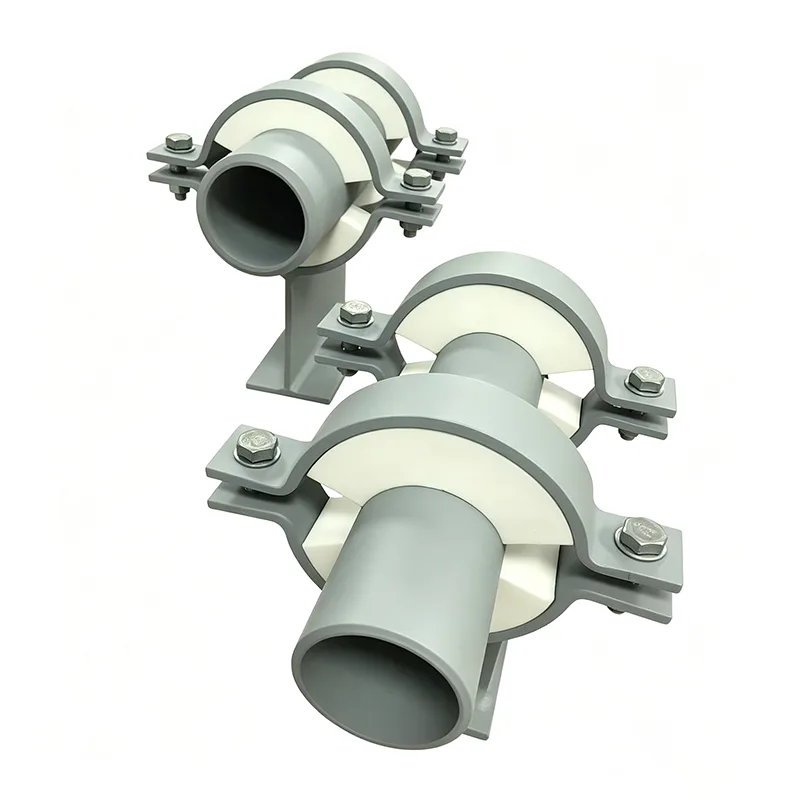
Our product range extends beyond spring hangers to include variable and constant spring supports, pipe shoes, and pre-insulated pipe supports. This allows us to provide multiple pipe support components for integrated industrial piping projects.

For international projects, our products are manufactured with reference to applicable technical requirements, including relevant ISO 9001:2015 quality management procedures and project-specified CE, API, and ASME requirements. The applicable product standards and conformity documents are confirmed according to the individual project scope.

For more information about our manufacturing capabilities, visit Yangzhou Tianshun Pipeline Technology Co., Ltd..

Frequently Asked Questions

1. What is the main difference between a variable spring hanger and a constant spring hanger?

A variable spring hanger changes its supporting force as the spring compresses or extends during pipeline movement. A constant spring hanger uses a mechanical arrangement to maintain a nearly constant supporting force throughout its working travel. Variable spring hangers are generally suitable when the calculated load variation is acceptable, while constant supports are preferred when supporting force must remain more consistent.

2. What is the maximum allowable load variability for a variable spring hanger?

Under the commonly referenced ANSI/MSS SP-58-2018 requirements, the maximum allowable variability for variable spring supports is generally 25% of the operating load over the full working travel. The actual acceptance criteria should always be checked against the latest applicable standard edition and project specifications.

3. How do I calculate the required spring hanger travel?

The required travel is obtained from piping stress analysis by calculating the vertical displacement at the support location between the specified operating and installation conditions. Engineers should also consider startup, shutdown, and other relevant operating cases. The selected spring must provide sufficient usable travel without reaching its mechanical limits.

4. What information is needed to select an Industrial Spring Hanger?

The main information includes operating load, installed load, vertical displacement, movement direction, operating temperature, required travel, installation arrangement, and environmental conditions. Structural connection details and applicable project standards are also useful for confirming the final configuration.

5. How do manufacturers verify the performance of variable spring hangers?

Manufacturers typically verify performance through dimensional inspection, spring load calibration, load-displacement testing, and other applicable material and coating inspections. At Tianshun, each unit undergoes load calibration and performance testing before shipment, with the setting-load deviation controlled within ±5%. Load-displacement curves can also be provided for engineering review.

6. Can Tianshun manufacture customized industrial spring hangers?

Yes. We support customized spring hanger designs based on specified loads, vertical travel, installation space, connection arrangements, and project requirements. Our technical team can assist with product selection and configuration confirmation before manufacturing.

7. Which industries commonly use Industrial Spring Hangers?

Industrial spring hangers are widely used in power generation, petroleum refining, petrochemical processing, LNG facilities, chemical plants, central heating networks, and metallurgical industries. They are particularly useful where pipelines experience vertical thermal movement and require resilient load support.

Conclusion

Variable spring hangers control pipeline displacement by allowing controlled spring compression and extension while maintaining continuous vertical support. Their actual performance depends on the relationship between operating load, spring rate, vertical travel, and allowable load variability.

For industrial piping projects, selecting the correct spring hanger requires accurate movement calculations, suitable material selection, and verification through load testing. With more than 14 years of manufacturing experience and over 500,000 sets produced, Tianshun provides industrial spring hangers and customized pipe support solutions for power generation, oil and gas, chemical processing, and other demanding applications.

If you are planning a pipeline support project, contact our technical team with your operating load, installed load, required travel, and installation details. We can help evaluate the appropriate spring hanger configuration and provide relevant technical information for your project.

Related News
Leave me a message
X
We use cookies to offer you a better browsing experience, analyze site traffic and personalize content. By using this site, you agree to our use of cookies. Privacy Policy
RejectAccept