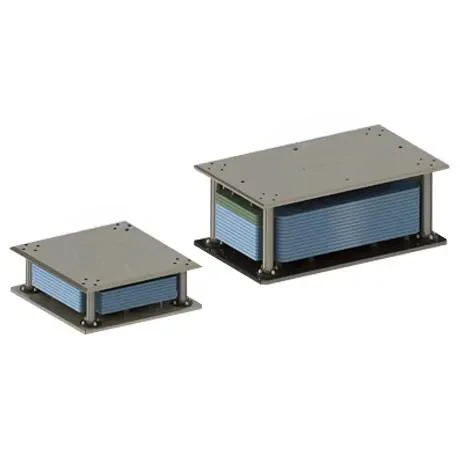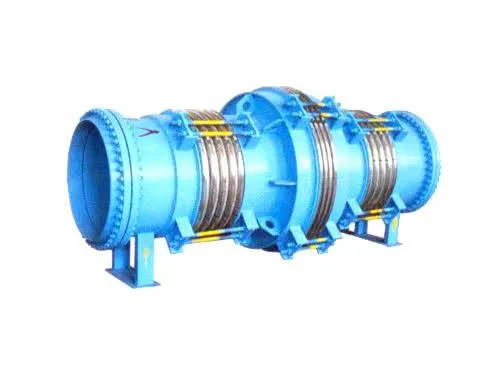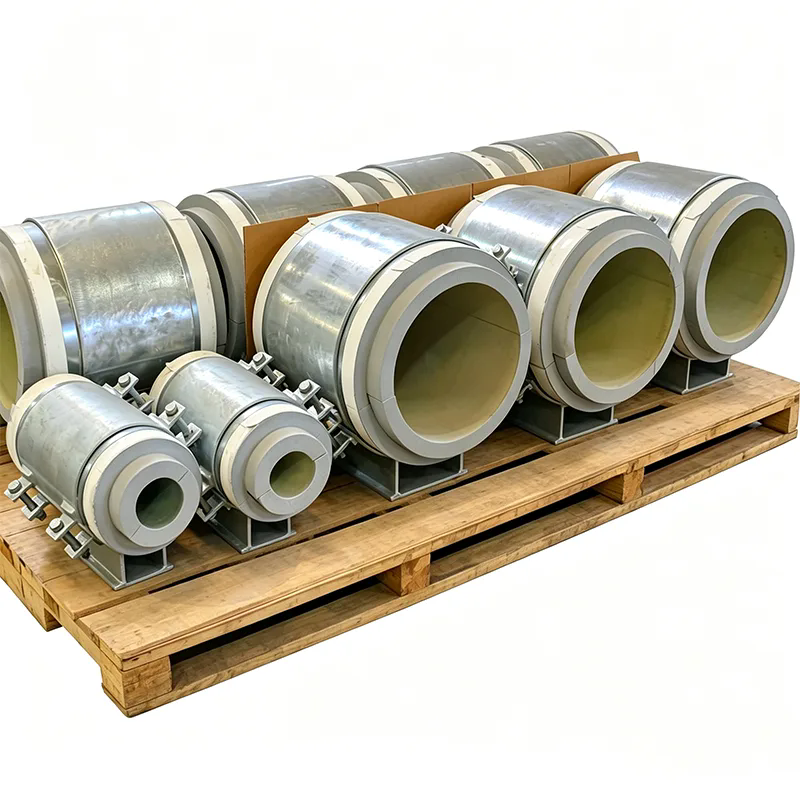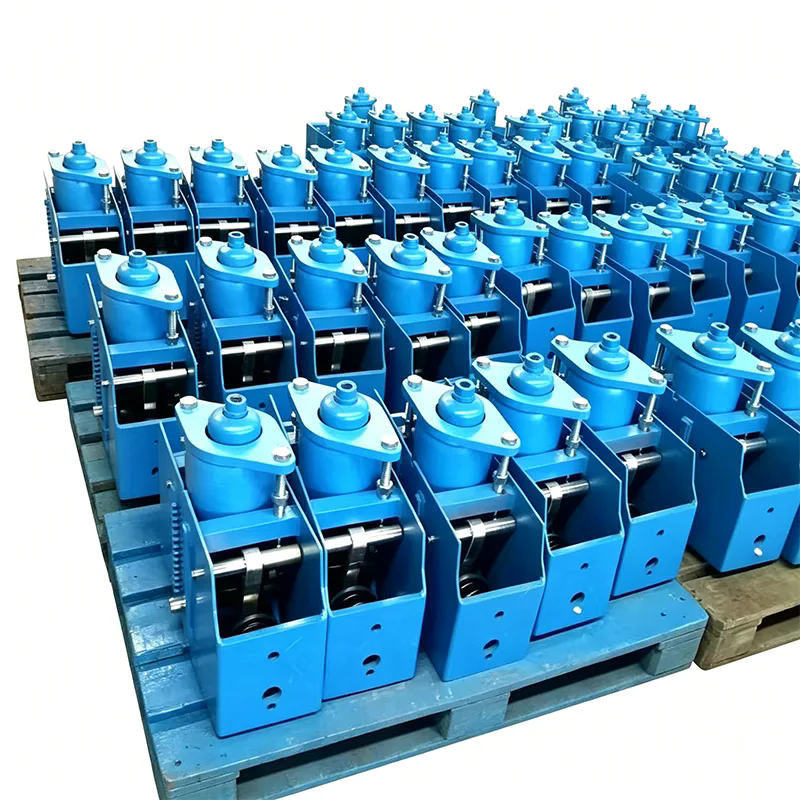

Refinery piping systems operate under demanding conditions involving high temperatures, pressure variations, heavy equipment loads, and continuous thermal expansion and contraction. These operating conditions can create significant stress on pipelines, connected equipment, and structural components. A properly selected Refinery Spring Support helps accommodate vertical pipe movement while maintaining the required supporting force. This article explains the working principles, major types, selection criteria, installation procedures, and maintenance practices of spring supports in refinery applications. It also explores common engineering challenges and practical solutions that help improve piping reliability, operational safety, and long-term equipment performance.

1. What Is a Refinery Spring Support?
A Refinery Spring Support is a mechanical pipe support device designed to carry pipeline loads while allowing controlled vertical displacement caused by temperature changes or other operating conditions. It typically uses a specially designed spring assembly to provide a supporting force that responds to pipe movement.
In oil refineries, pipelines transport crude oil, refined petroleum products, steam, process gases, and other industrial fluids. Many of these pipelines operate at elevated temperatures. When a pipeline heats up, its material expands. When it cools down, it contracts. These dimensional changes can cause vertical movement, potentially affecting the loads transferred to supporting structures and connected equipment.
Unlike rigid pipe supports that restrict movement, spring supports provide flexibility while helping maintain the intended load distribution.
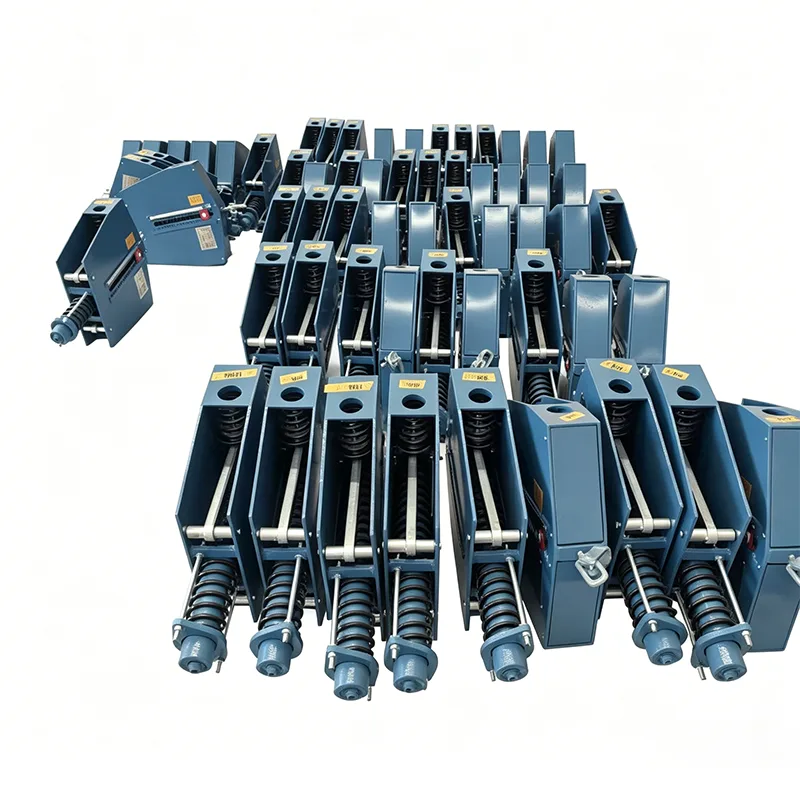
A typical refinery spring support assembly may include:
- Spring coil: Provides the elastic force required to support the pipe.
- Housing: Protects and positions the spring assembly.
- Load column: Transfers the supporting force through the assembly.
- Adjustment components: Allow installation and load-setting adjustments.
- Travel indicator: Shows the relative movement of the support.
- Connection components: Connect the support to the pipe and supporting structure.
The exact configuration depends on the load, travel requirements, installation arrangement, and operating environment.
2. Why Are Spring Supports Important in Refineries?
Refinery piping systems often experience significant thermal movement and mechanical loading. If the support arrangement cannot accommodate these conditions, excessive forces may develop at pipe connections, equipment nozzles, structural attachments, and other critical locations.
2.1 Accommodating Thermal Expansion
Temperature changes cause pipeline materials to expand or contract. Long process pipelines and high-temperature steam lines may experience considerable displacement during startup, normal operation, and shutdown.
Spring supports allow controlled movement without imposing the same degree of restraint as rigid supports. This helps reduce the risk of excessive reaction forces within the piping system.
2.2 Maintaining Balanced Pipe Loads
Pipeline loads include the weight of the pipe itself, transported fluid, insulation, valves, and other attached components. A suitable spring support helps maintain the required supporting force as the pipeline moves between operating conditions.
2.3 Protecting Connected Equipment
Refinery pumps, compressors, heat exchangers, and pressure vessels can be sensitive to excessive external piping loads. Poorly designed support arrangements may transfer unwanted forces and moments to equipment connections.
Appropriately engineered spring supports help control these loads and contribute to more reliable equipment operation.
2.4 Improving Operational Reliability
By accommodating expected displacement and supporting the piping system more effectively, spring supports can help reduce the likelihood of support-related problems, including pipe misalignment, excessive vibration caused by unsuitable restraint arrangements, and premature component wear.
3. How Does a Refinery Spring Support Work?
The working principle of a spring support is based on elastic deformation. When a vertical load is applied, the spring compresses or extends, generating a reaction force that helps balance the supported pipeline load.
3.1 Basic Operating Principle
For a simplified linear spring, the relationship between force and displacement can be expressed using Hooke's law:
F = k × x
Where:
- F: Spring force.
- k: Spring stiffness or spring rate.
- x: Spring deflection.
As the pipe moves vertically, the spring changes its deflection and therefore its supporting force. The amount of force variation depends on the spring rate and the required travel.
3.2 Cold and Hot Operating Conditions
Spring support calculations generally consider different operating conditions, particularly the cold installation condition and the hot operating condition.
- Cold condition: The pipeline is at its installation or specified cold design position.
- Hot condition: The pipeline reaches its operating temperature and experiences thermal displacement.
During this transition, a variable spring support changes its supporting force according to the amount of spring deflection. A constant spring support, by comparison, uses a mechanical arrangement designed to maintain a substantially uniform supporting force over its specified travel range.
3.3 Understanding Spring Travel
Spring travel refers to the vertical displacement available within the support's designed operating range. It is essential to select a support whose travel capacity accommodates the calculated pipeline movement, including appropriate engineering allowances.
Insufficient travel may cause the support to reach its mechanical limit before the pipeline completes its thermal movement. This can introduce unwanted restraint forces and compromise the intended support function.
4. What Are the Main Types of Spring Supports?
Spring supports are generally classified according to how their supporting force changes during vertical movement. The two principal categories used in refinery piping applications are variable spring supports and constant spring supports.
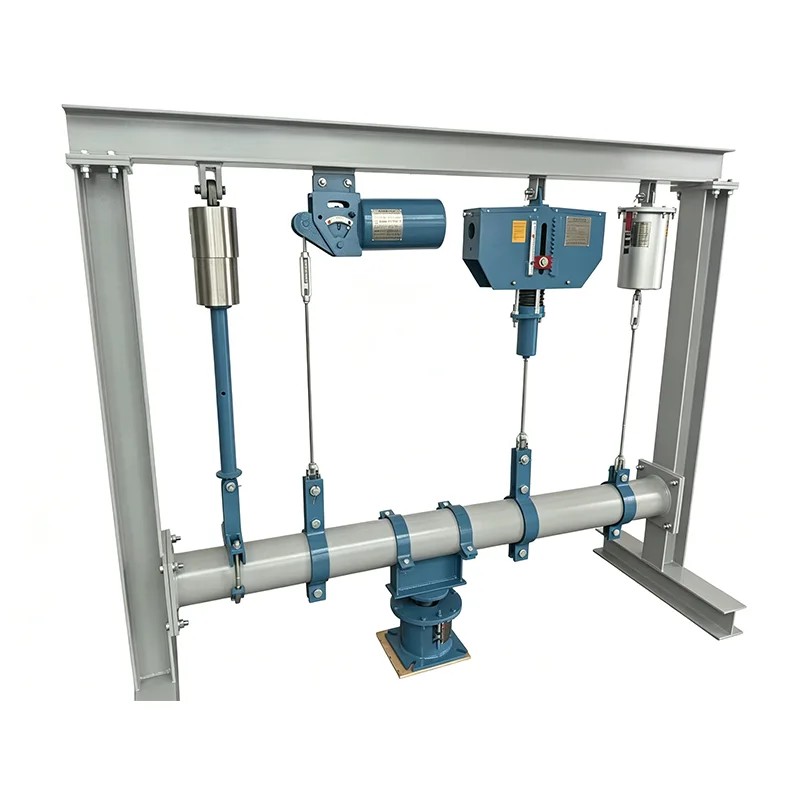
4.1 Variable Spring Supports
A variable spring support provides a supporting force that changes as the spring deflects. Its design is relatively straightforward and is suitable for many piping locations where the expected movement is moderate and the resulting load variation is acceptable.
Common configurations include:
- Variable spring hanger: Suspends piping from overhead structures.
- Variable spring support: Supports piping from below or from an appropriate supporting structure.
4.2 Constant Spring Supports
A constant spring support is designed to maintain a substantially uniform supporting force throughout its specified travel range. It typically incorporates a more complex mechanical arrangement, such as a lever mechanism, to compensate for changes in spring force.
Constant supports are particularly useful at locations where significant vertical movement occurs and minimizing changes in supporting force is important.
4.3 Comparison of Variable and Constant Spring Supports
| Comparison Item | Variable Spring Support | Constant Spring Support |
|---|---|---|
| Supporting force | Changes with spring deflection | Remains substantially uniform |
| Mechanical structure | Relatively simple | More complex mechanism |
| Typical application | Locations with acceptable load variation | Locations with significant vertical movement |
| Load variation | Depends on spring rate and travel | Designed to minimize force variation |
| Maintenance | Inspection of spring and connections | Inspection of spring and mechanical components |
| Selection basis | Load, spring rate, and travel | Load, movement, and force consistency |
Neither type is universally better. The appropriate solution depends on the piping stress analysis, calculated movement, allowable load variation, and project requirements.
5. Where Are Spring Supports Used in Refinery Facilities?
Spring supports are commonly considered in refinery areas where piping experiences thermal movement, heavy loads, or specific equipment load limitations.
5.1 High-Temperature Steam Pipelines
Steam pipelines are exposed to considerable temperature changes during startup, operation, and shutdown. Their thermal expansion can create significant vertical displacement, making properly engineered spring supports valuable in selected locations.
5.2 Process Equipment Connections
Pipelines connected to heat exchangers, reactors, pumps, and compressors may require carefully controlled support arrangements. Spring supports can help accommodate pipe movement while limiting unwanted changes in supporting reactions.
5.3 Crude Oil Processing Units
Crude oil processing facilities contain extensive piping networks carrying fluids at different temperatures and operating pressures. Spring supports may be installed at selected elevated-temperature lines and locations identified by piping stress analysis.
5.4 Heat Exchanger and Furnace Piping
Furnace and heat exchanger systems often involve hot process streams and complex pipe routing. Their supporting systems must account for thermal displacement, structural limitations, and equipment connection loads.
5.5 Overhead Pipe Racks
Large refinery pipe racks accommodate multiple pipelines with different operating conditions. Variable and constant spring hangers may be incorporated into the support arrangement where calculated vertical movement requires flexible load-bearing components.
6. How to Select the Right Refinery Spring Support?
Choosing a suitable spring support requires more than matching a product to a nominal pipe diameter. Engineers should evaluate operating conditions, load requirements, displacement, and installation constraints before selecting a specific model.
6.1 Determine the Required Supporting Load
The first step is to establish the load that the spring support must carry. This typically includes the relevant weight of the pipe, contents, insulation, valves, and other supported components.
Engineers should use the calculated support load rather than relying on an estimated pipe weight alone.
6.2 Calculate Vertical Pipe Movement
The expected vertical displacement between installation and operating conditions is a key selection parameter. Both the direction and magnitude of movement should be considered.
The support's available travel must be sufficient for the calculated displacement, with suitable allowances in accordance with the project design requirements.
6.3 Evaluate Allowable Load Variation
For a variable spring support, the supporting force changes as the spring moves. Engineers must check whether the resulting load variation is acceptable for the piping system and connected equipment.
If the load variation is too high, a constant spring support may be a more suitable solution.
6.4 Consider Operating Temperature and Environment
Refineries contain hot surfaces, outdoor installations, corrosive atmospheres, and potentially hazardous operating areas. The support materials, coating systems, and component design should be suitable for the specified service conditions.
6.5 Check Installation Space and Connection Type
Available installation height, structural attachment points, pipe orientation, and maintenance access all affect product selection.
6.6 Review Engineering Documentation
Before procurement, verify the following information:
- Calculated operating and installation loads.
- Required spring travel and movement direction.
- Spring rate and load variation, where applicable.
- Support configuration and connection dimensions.
- Material specifications and corrosion protection.
- Design temperature and environmental conditions.
- Applicable project specifications and engineering standards.
- Inspection, testing, and documentation requirements.
A complete technical review helps prevent incorrect sizing, installation difficulties, and unnecessary modifications during project execution.
7. What Materials and Design Features Matter?
Material selection has a direct influence on the durability and performance of refinery spring supports. Because these products may operate in demanding industrial environments, their components must be selected according to the specified service conditions.
7.1 Spring Material
Spring materials should provide suitable elasticity, strength, and fatigue resistance under the intended operating conditions. The choice depends on the design load, temperature range, spring dimensions, and required service life.
7.2 Housing and Structural Components
Housing materials should provide sufficient mechanical strength and dimensional stability. Carbon steel is commonly used in industrial support structures, while alternative materials or protective treatments may be required for specific environments.
7.3 Corrosion Protection
Outdoor refinery installations may be exposed to moisture, industrial pollutants, and corrosive atmospheres. Appropriate surface treatments, coatings, and protective finishes help reduce corrosion-related deterioration.
7.4 Functional Design Features
When evaluating a spring support, pay attention to the following features:
- Accurate load-setting and adjustment mechanisms.
- Clearly readable travel and position indicators.
- Reliable spring alignment and load transfer.
- Protection against excessive displacement.
- Suitable connection and mounting arrangements.
- Accessible components for inspection and maintenance.
Good design should balance mechanical performance, installation convenience, environmental resistance, and long-term maintainability.
8. How Should Spring Supports Be Installed?
Correct installation is essential for achieving the intended supporting force and movement characteristics. Even a correctly selected spring support may not function as designed if its installation position, load setting, or temporary restraints are handled incorrectly.
Step 1: Verify the Installation Documents
Before installation, check the approved piping drawings, support schedules, product identification, load data, and installation instructions. Confirm that the delivered equipment matches the specified support location.
Step 2: Inspect the Support Assembly
Check the housing, spring, connecting components, adjustment threads, indicators, and protective coating. Any visible damage, deformation, or missing component should be addressed before installation.
Step 3: Confirm Structural Connections
Ensure that the supporting structure and connection points can withstand the calculated loads. Installation dimensions and alignment should comply with the approved drawings.
Step 4: Install and Align the Support
Position the spring support at the designated location. Verify the orientation, connection arrangement, and alignment to prevent eccentric loading or unwanted side forces.
Step 5: Check the Cold Setting
Confirm that the support is adjusted to its specified installation condition. The initial position indicator reading should correspond to the approved design data.
Step 6: Manage Temporary Locking Devices
Some spring supports use temporary locking devices during transportation and installation. These devices must be managed according to the manufacturer's instructions and approved commissioning procedure. They should not be removed prematurely or left in place when the support is required to operate freely.
Step 7: Verify Operating Movement
During commissioning and subsequent operation, check the support position and movement against the expected values. Investigate abnormal displacement, binding, or unexpected changes in the supporting arrangement.
9. Common Problems and Practical Solutions
Spring supports can experience operational and installation problems if they are incorrectly selected, exposed to unsuitable environmental conditions, or inadequately maintained.
| Common Problem | Possible Cause | Recommended Action |
|---|---|---|
| Abnormal spring travel | Incorrect load setting or unexpected pipe movement | Review actual movement and compare it with design calculations. |
| Spring corrosion | Moisture exposure or damaged protective coating | Inspect corrosion and repair or replace components as required. |
| Support misalignment | Incorrect installation or structural displacement | Check mounting geometry and restore the approved alignment. |
| Excessive load variation | Unsuitable spring rate or incorrect support type | Reassess the load and travel requirements. |
| Restricted movement | Mechanical interference or incorrectly retained locking devices | Inspect clearances and follow the approved commissioning procedure. |
| Unusual vibration or noise | Loose connections, contact, or system vibration | Investigate the entire support arrangement and operating conditions. |
One important point is that a spring support problem may be a symptom of a larger piping system issue. For example, unexpected movement may result from changes in operating temperature, fluid loading, equipment alignment, or the behavior of adjacent supports.
Therefore, troubleshooting should consider the complete piping system instead of focusing exclusively on the spring assembly.
10. How to Maintain Spring Supports for Long-Term Reliability
Regular inspection and maintenance help identify deterioration before it affects the performance of refinery piping systems. A structured maintenance plan should reflect operating conditions, environmental exposure, equipment criticality, and the manufacturer's recommendations.
10.1 Conduct Routine Visual Inspections
Inspect the spring housing, exposed spring components, fasteners, connection points, and protective coatings. Look for corrosion, deformation, loose bolts, and signs of physical damage.
10.2 Monitor Position Indicators
Position indicators provide useful information about spring movement. Compare their readings with the expected installation and operating positions. Significant deviations should be investigated by qualified personnel.
10.3 Check Connections and Alignment
Inspect structural attachments, connecting rods, nuts, and other mechanical components. Check for loosening, unusual wear, and signs of eccentric loading.
10.4 Maintain Protective Coatings
Damaged coatings can expose metal components to corrosion. Repair protective finishes using compatible materials and procedures suitable for the installation environment.
10.5 Keep Inspection Records
Document inspection dates, observed conditions, indicator readings, maintenance activities, and component replacements. Historical records help maintenance teams identify changes and plan future inspections.
When a spring support shows unusual behavior, avoid making adjustments without first verifying the system load, movement, and approved design information.
11. Frequently Asked Questions About Refinery Spring Support
Q1: What is the main purpose of a refinery spring support?
A refinery spring support carries pipeline loads while accommodating vertical movement caused by thermal expansion and contraction. It helps maintain the intended support force and reduces unwanted restraint forces within the piping system.
Q2: What is the difference between variable and constant spring supports?
A variable spring support changes its supporting force as the spring deflects. A constant spring support is designed to maintain a substantially uniform supporting force throughout its specified travel range. The appropriate type depends on the calculated pipe movement and allowable load variation.
Q3: Where are refinery spring supports commonly installed?
They are commonly used at selected high-temperature steam lines, process pipelines, heat exchanger connections, furnace piping, and other locations where piping stress analysis identifies a need to accommodate vertical movement.
Q4: How do engineers determine the required spring support load?
Engineers calculate the relevant supported loads, including pipe weight, operating fluid, insulation, valves, and other components. The calculated load and expected displacement are then used to determine the required spring support configuration and specifications.
Q5: Why is spring travel important?
Spring travel determines how much vertical movement the support can accommodate. If the available travel is insufficient, the support may reach its mechanical limit and create unwanted forces in the piping system.
Q6: Can a variable spring support replace a constant spring support?
Not in every situation. A variable spring support may be suitable when its calculated load variation is acceptable. At locations where substantial movement requires a more consistent supporting force, a constant spring support may be necessary.
Q7: Which standards should be considered for refinery spring supports?
Applicable requirements depend on the project, piping service, and jurisdiction. ASME B31.3 is an important process piping code that addresses pipe support design and resilient supports. MSS SP-58 may also be relevant to pipe hanger and support selection and application. Always verify the latest applicable editions and project specifications.
Q8: How often should spring supports be inspected?
Inspection frequency should be determined by the facility's maintenance program, operating environment, equipment criticality, and manufacturer recommendations. High-temperature or corrosive service may require closer monitoring.
Q9: What information is needed when ordering a refinery spring support?
Useful information includes the required load, operating and installation conditions, vertical movement, spring type, mounting configuration, temperature, material requirements, dimensions, and applicable project specifications. Approved support drawings and technical data sheets can help ensure accurate product matching.
Q10: Can refinery spring supports be customized?
Yes. Depending on the manufacturer's engineering and production capabilities, spring supports may be configured to meet specific load ranges, travel requirements, mounting arrangements, materials, and environmental conditions. Customized designs should be reviewed and verified against the project's engineering requirements.
12. Conclusion: Building More Reliable Refinery Piping Systems
A properly designed Refinery Spring Support plays an important role in managing pipeline loads and thermal movement in demanding industrial environments. By providing controlled flexibility, spring supports help maintain suitable load distribution and protect piping systems and connected equipment from unnecessary mechanical stress.
Successful application depends on several interconnected factors, including accurate load calculations, appropriate spring selection, sufficient travel capacity, suitable materials, correct installation, and regular maintenance.
For refinery owners, engineering contractors, and industrial procurement professionals, choosing a qualified manufacturer is an important step toward achieving consistent product quality and dependable project performance. A reliable spring support solution should satisfy the technical requirements of the application while offering practical installation and long-term maintenance advantages.
Looking for Reliable Refinery Spring Support Solutions?
Yangzhou Tianshun Pipeline Technology Co., Ltd. focuses on industrial pipeline technology and support solutions. When planning a refinery piping project, selecting the right support configuration is essential for managing thermal movement, maintaining structural stability, and improving long-term system reliability.
Whether you are an engineering contractor, refinery operator, or industrial equipment purchaser, professional technical communication can help you identify suitable support specifications for your project requirements.
Contact us to discuss your refinery pipeline support requirements, technical specifications, and potential cooperation opportunities with Yangzhou Tianshun Pipeline Technology Co., Ltd.