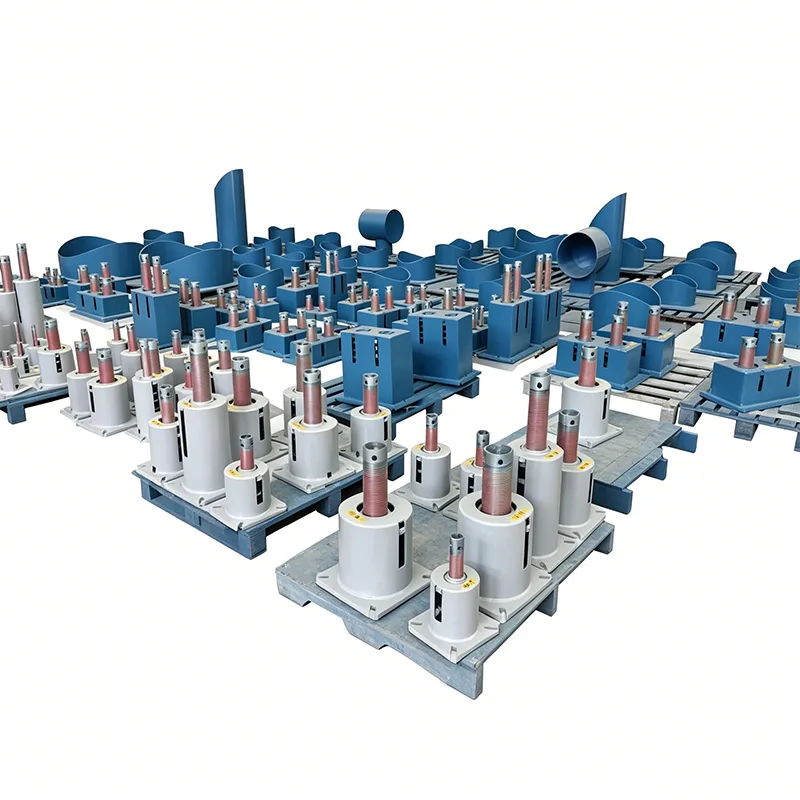
China Pipe Shoe Support for Refinery Manufacturer, Supplier, Factory
In refinery piping systems, precise load management and thermal expansion control are non-negotiable for continuous operation. A properly selected pipe shoe support prevents excessive stress on flanges, valves, and rotating equipment, reducing the risk of leaks and unplanned shutdowns. Our Painted Carbon Steel Pipe Shoe is widely used for structural steel applications where cost-effective corrosion protection is required. For aggressive chemical and marine environments, the Corrosion Resistant Pipe Shoe offers enhanced longevity with stainless steel or coated carbon steel construction. The Pipe Shoe Support for Oil and Gas is engineered to handle high pipeline loads and uneven settlement conditions, while the Pipe Shoe for Petrochemical Plant meets the tight dimensional tolerances and surface finish requirements of modern chemical processing units. Each unit is fabricated from full-penetration welded plate, with the saddle radius matched to the pipe outside diameter within ±1/16 inch to prevent localized stress concentrations.
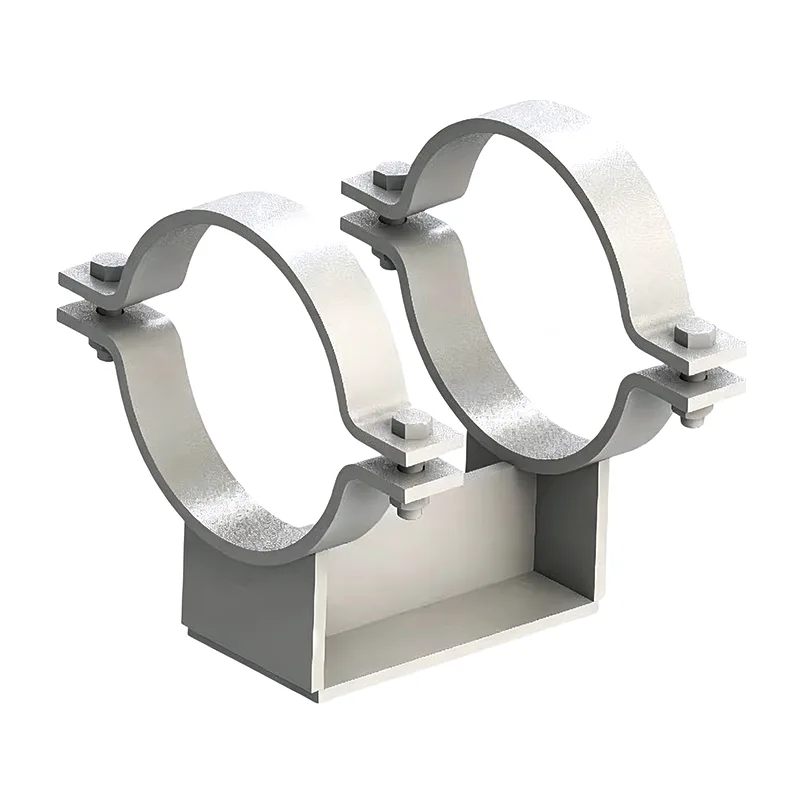
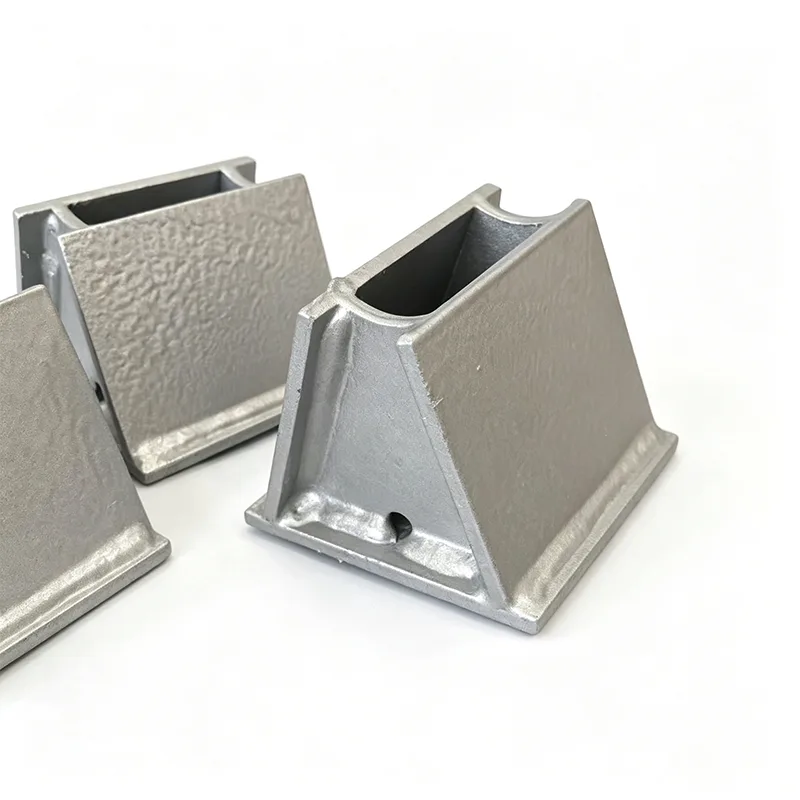
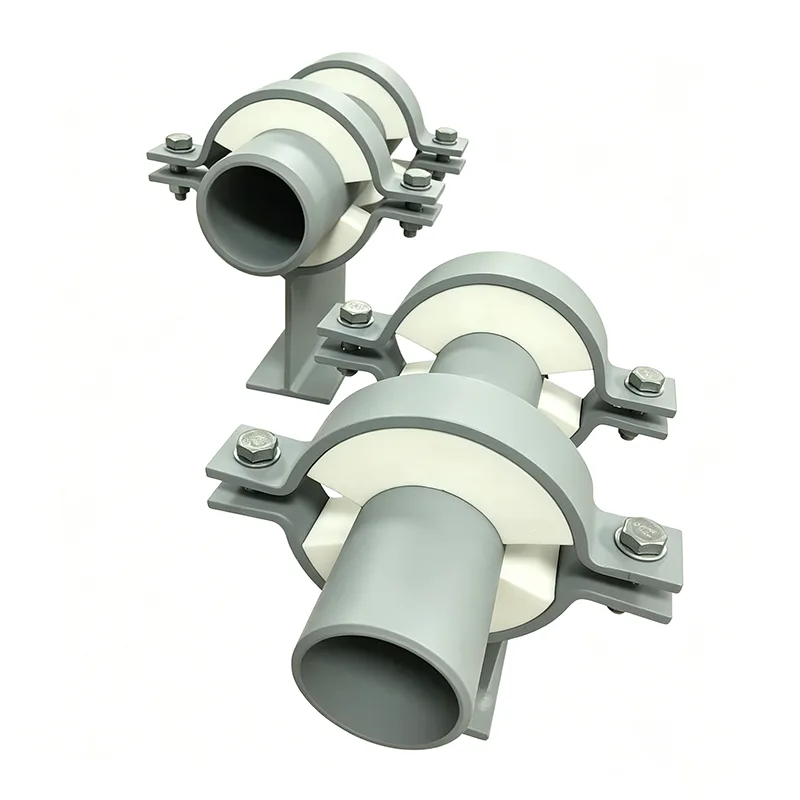
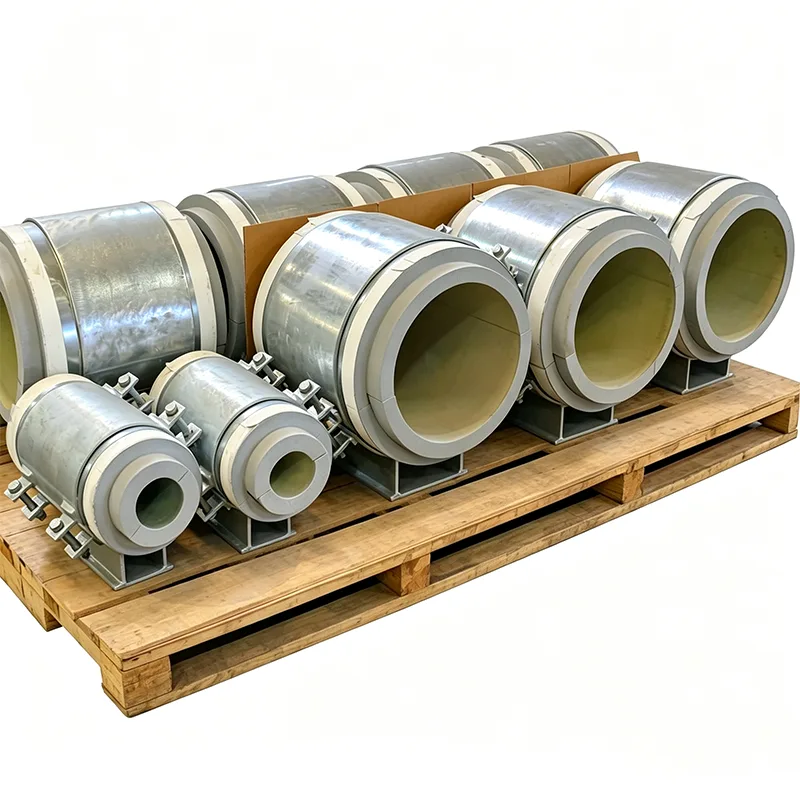
Pipe Shoe Support for Refinery is built around a robust base plate and a contoured pipe cradle that supports the full lower quadrant of the pipe. The base plate distributes vertical loads over a larger bearing area on the steel structure, reducing contact pressure and preventing beam flange deformation. In high-temperature service, the shoe absorbs axial and lateral movement through guided sliding surfaces or PTFE pads. Standard carbon steel shoes are supplied with a shop primer; optional coatings include hot-dip galvanizing, two-part epoxy, and inorganic zinc silicate for long-term corrosion resistance. For sour service and wet H2S environments, materials can be upgraded to meet NACE MR0175/ISO 15156 with impact-tested carbon steel or austenitic stainless steel. The vertical web or rib is continuously fillet welded to both the base plate and the pipe cradle with a 6 mm leg size, and the saddle plate is formed from the same material as the supported pipe to avoid galvanic corrosion. For insulated lines, the shoe includes extended clamp ears and a standoff height that accommodates insulation thickness without compressing the jacket. In cryogenic and high-temperature applications, the design incorporates a slide plate made from 25% glass-filled PTFE bonded to a carbon steel backing plate. The slide plate reduces the coefficient of friction to approximately 0.1, lowering anchor forces and protecting the pipe coating from abrasion. For refinery applications such as crude unit transfer lines, vacuum tower overheads, and hydrocracker reactor piping, the shoe is often paired with a graphite or PTFE slide plate to accommodate thermal growth of 6 inches or more. The base plate is supplied with oversized slotted holes to allow field alignment and welding to structural steel without needing precise pre-set anchor bolts. All load-bearing welds are full-penetration or fillet sized per AWS D1.1, and the finished assembly is stress-relieved when base plate thickness exceeds 25 mm to reduce residual stress. Quality control includes dimensional verification on a coordinate measuring machine for critical dimensions such as saddle radius, bolt-hole spread, and base flatness. Each shoe is marked with heat number, material grade, and a unique serial number for traceability. Shipping is normally in bare steel with a rust-preventive oil, but custom crating and export packaging are available. Standard product parameters and available options are summarized below:
- Base plate material: ASTM A36, A572 Gr. 50, or A240 304/316 stainless steel
- Pipe cradle material: same as base plate or matched to pipe metallurgy
- Pipe size range: 2" to 60" (DN50–DN1500); standard schedules 10 through 160
- Shoe height (base to pipe bottom): 4" to 36" (100 mm–900 mm); custom heights up to 60"
- Base plate dimensions: width = pipe OD + 4", length = pipe OD + 6" as standard
- Coating systems: shop primer, hot-dip galvanized per ASTM A123, epoxy phenolic, TSA
- Load capacity: 2 kN to 800 kN per shoe, verified by finite element analysis for critical spans
- Temperature range: -50°F to 1200°F (-46°C to 649°C) with appropriate material selection
- Lateral restraint options: guide bars, U-bolts, or side thrust plates
- Saddle arc length: 120° or 180° contact angle, with 180° recommended for thin-wall pipe
- Bolt holes: slotted per MSS SP-58, 22 mm x 30 mm standard; round holes on request
- Testing: 100% visual weld inspection, PT or MT available for critical services
| Specification | Standard Value | Custom/Heavy-Duty Option |
|---|
| Base plate thickness | 10 mm–16 mm for ≤12" pipe | 25 mm–40 mm for >12" or high load |
| Vertical web height | 6 mm–12 mm thickness | Double webs with stiffeners |
| Saddle radius tolerance | +/- 1/16" (1.6 mm) | +/- 1/32" (0.8 mm) for thin-wall |
| Welding standard | AWS D1.1 or ASME Section IX | PQR/WPS for alloy steels |
| Surface preparation | SSPC-SP6 commercial blast | SSPC-SP10 near-white blast |
| Slide plate thickness | 5 mm PTFE, 25% glass filled | Stainless steel top sheet on request |
| Guide plate type | None or integral side guides | Adjustable guide with graphite pad |
| Compliance | ASME B31.1, B31.3, MSS SP-58 | API 560, NACE MR0175/ISO 15156 |